Start by removing impurities like coarse particles and debris from the raw materials. Shunxin’s solid-liquid separation machine can help with this. It separates the solid and liquid components of the materials, ensuring a clean and homogeneous slurry for fertilizer production.
Solid-liquid Seperator Machine for manure Disposal
Section 2: Filtration and UV Sterilization
To make sure the liquid organic fertilizer is free from pathogens, it goes through filtration and UV sterilization. This purification process eliminates harmful microorganisms, guaranteeing a safe and hygienic fertilizer solution.
units of liquid organic fertilizer production line
Section 3: Fermentation & Chelation
Next, the sterilized liquid enters the fermentation tank, where beneficial bacteria break down the organic matter. This process transforms it into a nutrient-rich substance that can be easily absorbed by plants. The fermentation and chelation tanks provide optimal conditions for the development of high-quality liquid organic fertilizer.
liquid organic fertilizer manufacturing line
Section 4: Finished Product Packing
Once the fermentation and chelation process is completed, the liquid organic fertilizer is ready for packaging. It is stored in a pot to maintain stability and preserve its nutrient content. SX automated filling machine ensures accurate and efficient packaging, boosting productivity and minimizing contamination risks.
Corn flakes are a ubiquitous breakfast cereal, enjoyed by people all around the world. The process of transforming corn into these crunchy flakes is a testament to modern manufacturing, food science, and engineering. In this passage, we’ll delve into the detailed process by which corn flakes are made in a factory setting, delineating the journey from raw kernel to the finished product found on grocery store shelves.
Corn flakes production line
Raw Material Procurement and Inspection
Selecting the Right Corn
The manufacturing process begins with the procurement of corn, which is the primary raw material. Factories typically source the corn from trusted suppliers who meet specific quality standards.
Quality Assurance
Upon arrival at the factory, the corn is subjected to rigorous quality checks. These checks ensure that the corn kernels are healthy, clean, and free from pests or contaminants. Only kernels that pass this inspection move forward to the next phase of production.
Cleaning and Preparation of the Corn
Removing Impurities
The selected corn then goes through a cleaning process where it is washed to remove dirt, dust, and other unwanted particles.
Kernel Conditioning
Subsequently, the corn kernels are soaked and conditioned with water, elevating their moisture content to an optimum level suitable for the cooking process. This step is essential for achieving the right texture in the final product.
Cooking and Gelatinization
The Cooking Process
The conditioned corn is cooked in large stainless-steel pressure cookers. Cooking the corn is necessary to gelatinize its starch content, a critical transformation that affects the texture and taste of the corn flakes.
Monitoring and Controlling
Throughout the cooking process, the temperature and pressure are closely monitored and controlled to ensure the corn is cooked evenly and to the desired extent.
Rolling the Corn into Flakes
Flattening the Cooked Corn
After cooking and once the right consistency is achieved, the cooked kernels are sent through heavy rollers that press them into flakes. The thickness of these flakes is carefully calibrated to ensure uniformity and quality.
Adjusting the Flaking Process
The rollers’ settings may be adjusted according to the desired flake size and thickness, reflecting the manufacturer’s specific product specifications.
Toasting the Flakes
Drying and Toasting
The flakes are then conveyed into a large oven where they are dried to remove excess moisture and toasted. Toasting not only imparts a desirable crispness but also develops a rich, nutty flavor profile.
Quality Control in Toasting
Consistent monitoring during this stage ensures that the flakes achieve the proper texture without becoming burnt or overly browned.
Fortification and Flavor Enhancement
Nutritional Enhancement
Many corn flakes are fortified with vitamins and minerals to boost their nutritional profile. This process typically involves a spray coating of the required nutrients onto the flakes.
Flavoring Process
Some varieties of corn flakes are also flavored to enhance consumer appeal. This could involve the addition of sugar, malt flavoring, or other taste enhancers, depending on the product variant being manufactured.
Packaging
Weighing and Filling
The finished flakes are then weighed accurately and filled into packages, which could be boxes, bags, or cups, depending on the brand and product line.
Sealing and Preservation
The packaging is sealed to maintain the freshness and crispness of the corn flakes, protecting them from moisture and contaminants.
Labeling and Branding
Finally, the packages are labeled with product information, brand details, nutritional values, and expiration dates before being prepared for shipment.
Distribution and Retail
Final Quality Assurance
Before distribution, the batches of corn flakes undergo final quality assurance checks. These checks confirm that the products meet all regulatory and company standards.
Shipment to Stores
Once cleared, the corn flakes are shipped to distribution centers and retail outlets, where they will be purchased by consumers.
Conclusion: The Journey of Corn Flakes
From field to bowl, the manufacturing of corn flakes is a multi-step process that ensures a consistent, high-quality product. Through careful selection of raw materials, precise cooking, rolling, toasting, and enriching with nutrients, the humble corn kernel is transformed into a beloved breakfast cereal, ready to be enjoyed with a splash of milk or as the base for a variety of culinary creations.
Before any machinery can be installed, you must secure a location for your fertilizer production plant. The cost of land varies considerably based on geographic location, zoning regulations and size of your fertilizer plant area. Once the land is acquired, construction costs come into play. These include the actual building of the facility, utility connections like water, electricity, gas, and sewer systems, as well as any necessary infrastructure for storage and transportation.
Machinery and Equipment Investment:
The core of your fertilizer manufacturing plant is the machinery required to produce the fertilizer. The fertilizer equipment costs depend on the type of fertilizer you intend to manufacture (organic, compound, or both), the production capacity, and the level of automation. Some of the essential pieces of equipment include compost turners, crushers, mixers, granulators, dryers, coolers, screening machines, and packaging machines. Investment in quality equipment ensures efficiency, reliability, and a long-term operation of your plant. Click here to learn more.
Regulatory Compliance and Licensing:
Fertilizer production is subject to environmental and safety regulations. Compliance costs include obtaining necessary permits, zoning approvals, and environmental assessments. These costs can be significant and often require hiring experts to navigate the regulatory landscape. Additionally, ongoing costs are associated with maintaining compliance with these regulations.
Raw Materials and Supply Chain Management:
The cost of raw materials is a recurring expense that significantly affects the overall profitability of the plant. Animal manure for organic fertilizer making, urea, MOP, DAP for NPK fertilizer production. Factors such as the availability, transportation, and price volatility of raw materials must be considered. Efficient supply chain management can help reduce these costs by securing favorable contracts with suppliers, optimizing inventory levels, and managing logistics.
organic and compound fertilizer making
Labor and Training:
Skilled labor is essential for operating sophisticated machinery and ensuring quality production. The costs associated with labor include wages, benefits, and any necessary training programs to keep your staff up-to-date with the latest technology and industry standards. The size of your workforce will depend on the plant’s capacity and automation level.
Utilities and Operational Expenses:
Utility costs such as electricity, water, and gas are ongoing expenses necessary for production. Additionally, operational costs include maintenance and repair of equipment, insurance, and administrative expenses. Efficient operation and energy-saving technologies can help reduce these costs over time.
Marketing and Sales:
To successfully sell your fertilizer products, you’ll need to establish a brand presence, market your products effectively, and build a sales network. These efforts can include online marketing, attending trade shows, hiring sales personnel, and developing partnerships with distributors.
Conclusion:
Setting up a fertilizer manufacturing plant is a significant investment with numerous cost factors to consider. While the initial setup costs can be substantial, the long-term profitability of such a venture is promising, given the essential role of fertilizers in agriculture. Prospective investors should conduct a thorough financial analysis, including a detailed business plan that accounts for all the expenses outlined above. By carefully planning and understanding the costs involved, entrepreneurs can set the foundation for a successful and sustainable fertilizer production business. For more details, you can visit https://fertilizerequipmentmanufacturer.com/fertilizer-manufacturing-plant-cost/
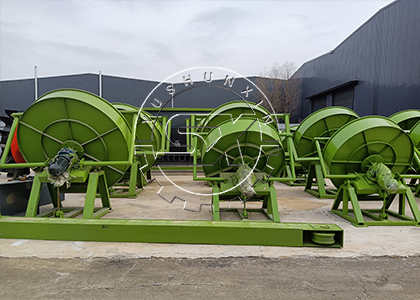
Производители сельскохозяйственной техники всегда стремятся облегчить и улучшить процессы, связанные с земледелием и уходом за почвой. Одним из ключевых аспектов в этой области является производство удобрений, в особенности, компостирование. Компост — это экологически чистое удобрение, получаемое из органических отходов, и играет центральную роль в поддержании плодородия земли и устойчивом сельском хозяйстве. Самоходная компостировочная машина значительно повысила эффективность этого процесса, предлагая ряд преимуществ для производства удобрений.
Самоходный компостер – оборудование для ферментации свиного навоза.
Ускорение процесса компостирования
Традиционное компостирование — это временной процесс, который может занимать от нескольких месяцев до двух лет. Самоходные компостировочные машины значительно ускоряют этот процесс, обеспечивая постоянное перемешивание компостной массы, что улучшает аэрацию и способствует более быстрому разложению материала. Это позволяет фермерам получать готовый к использованию компост в значительно более короткие сроки.
Повышение качества компоста
Качество компоста напрямую зависит от его состава и однородности. Самоходные компостировочные машины обеспечивают равномерное смешивание всех компонентов, что приводит к более балансированному и питательному продукту. Однородный компост более эффективен в улучшении структуры почвы и увеличении количества полезных микроорганизмов.
Продается самоходный компостер
Сокращение трудовых ресурсов
Ручное компостирование — это трудоемкий процесс, требующий значительных трудовых ресурсов. Использование самоходной компостировочной машины автоматизирует процесс, что сокращает потребность в рабочей силе и позволяет перераспределить человеческие ресурсы на другие важные задачи в хозяйстве.
Самоходные компостировочные машины являются более энергоэффективными по сравнению с традиционными методами. Они требуют меньше топлива и электроэнергии, что приводит к снижению операционных расходов для производителей удобрений. Таким образом, они не только экономят деньги, но и способствуют снижению выбросов углерода, связанных с производством удобрений.
Повышение производительности
Самоходные компостировочные машины позволяют обрабатывать большие объемы органических отходов за короткие промежутки времени. Это увеличивает производственные мощности и обеспечивает производителей удобрений стабильным источником качественного продукта для продажи или использования на собственных полях.
Заключение
Самоходные компостировочные машины играют важную роль в современном производстве удобрений, предлагая улучшенный, более быстрый и эффективный способ превращения органических отходов в плодородный компост. С их помощью фермеры и производители удобрений могут сократить экологический отпечаток, повысить качество продукции и снизить операционные издержки. Будущее устойчивого земледелия связано с интеграцией таких инновационных решений в повседневные агротехнические практики. Если вы хотите узнать больше о самоходных компостерах, посетите: https://www.sxmashina.com/camokhodnyy-komposter/
NPK fertilizers play a crucial role in enhancing plant growth and productivity by providing essential nutrients. The numbers on fertilizer bags, such as 17:17:17, represent the percentage of nitrogen (N), phosphorus (P), and potassium (K) in the fertilizer. In this passage, we will delve into the intricate process of manufacturing 17:17:17 NPK fertilizer.
Raw Materials Selection: Foundation of NPK Fertilizer Production
The first step in producing 17:17:17 NPK fertilizer involves carefully selecting raw materials. Nitrogen sources, such as urea or ammonium nitrate, contribute to the nitrogen content. Phosphorus is derived from phosphate rocks or superphosphate, while potassium is obtained from sources like potassium chloride.
Blending: Achieving the Perfect Formula
Blending is a critical phase where the selected raw materials are mixed to achieve the desired NPK ratio. Precision is key, as the balanced combination of nitrogen, phosphorus, and potassium is essential for optimal plant nutrition. The blending process ensures uniform distribution of nutrients throughout the fertilizer mixture.
Granulation: Forming the Fertilizer Granules
After blending, the next step is granulation. This process involves forming small granules from the blended mixture. Granulation not only facilitates ease of handling and application but also controls the release of nutrients, promoting a steady and sustained supply to plants. So you can use extrusion equipment, disc granulation machine and drum granulator.
The freshly formed granules contain moisture, which needs to be removed for the fertilizer to achieve stability and longevity. Drying is typically carried out using specialized equipment, ensuring that the final product meets quality standards and is suitable for storage and transportation.
Quality Control: Ensuring Fertilizer Purity
To guarantee the effectiveness of 17:17:17 NPK fertilizer, rigorous quality control measures are implemented. This involves testing samples for nutrient content, granule size, and absence of impurities. Quality control ensures that farmers receive a reliable and consistent product for their agricultural needs.
Packaging: Ready for Agricultural Application
Once the fertilizer passes quality control, it is ready for packaging. The packaging process involves filling bags with the precisely formulated 17:17:17 NPK fertilizer granules. Properly labeled bags provide essential information to farmers, guiding them on the correct application rates for different crops and soil types.
Conclusion: Nurturing Plants with 17:17:17 NPK Fertilizer
In conclusion, the production of 17:17:17 NPK fertilizer is a meticulous and well-defined process. From raw material selection to quality control, each step contributes to the creation of a balanced fertilizer that promotes plant growth, crop yield, and overall agricultural sustainability. Understanding this process sheds light on the science behind the bags of fertilizer that play a vital role in global food production. If you want to make other npk fertilizer, we can also provide you with the best solution.
In the realm of agriculture, NPK fertilizers hold the key to robust and fruitful harvests. The quality of these fertilizers plays a pivotal role in ensuring optimal growth and yield. Which one standout technique to enhance NPK fertilizer quality is wet granulation.
At its core, wet granulation involves the agglomeration of fine NPK particles with the addition of a liquid binder to form larger, denser granules. This process has transformed the fertilizer industry, with products such as those offered by Shunxin, a leading manufacturer of wet granulation machines. SX rotary drum and disc granulators are examples of equipment that utilize this technique to produce high-quality NPK fertilizers.
NPK Fertilizer Granulators
One of the primary benefits of wet granulation technique is the improved nutrient content uniformity. In traditional fertilizer blending processes, the particles of different nutrients often vary in size and density, leading to segregation during handling and application. However, through wet granulation, nutrients are uniformly distributed within each granule, ensuring that every application delivers a balanced nutrient supply to the crops. This uniform distribution is a hallmark of the granules produced by Shunxin’s drum granulation machine, which meticulously combines the raw materials in a rolling motion to achieve homogeneity.
Rotary Drum Granulator
Another advantage of NPK fertilizer wet granulation process is the reduction of dust pollution. The fine dust particles that are prevalent in powdered fertilizers can cause respiratory issues for workers and lead to environmental pollution. With wet granulation, these fine particles are encapsulated within the granules, significantly reducing airborne dust. Shunxin’s pan pelletizer, with its state-of-the-art design, ensures that the granulation process is tightly controlled, thus minimizing dust emissions and making the handling of fertilizers much safer.
disc pelletizer models
The process of wet granulation also improves the physical properties of the NPK fertilizers. The resulting granules are harder and more resistant to breakage during transport, storage, and application. This durability is crucial in maintaining the integrity of the nutrient composition until it reaches the soil. Shunxin’s npk fertilizer granulation equipmentare engineered to produce granules with optimal hardness and size, ensuring that the fertilizers remain effective from production to field application.
Furthermore, wet granulation is a versatile technique suitable for a variety of raw materials. Whether the source is synthetic or organic, the process can be adjusted to suit the specific properties of the input materials. NPK fertilizer wet granulation technology, is designed to handle a wide range of raw materials, making it an ideal choice for fertilizer manufacturers looking to diversify their product offerings.
NPK Fertilizer Manufacturing Process
In conclusion, the wet granulation technique is a game-changer in enhancing the quality of NPK fertilizers. It offers uniform nutrient distribution, reduces dust pollution, improves physical properties, and ensures better nutrient solubility. With companies like Shunxin leading the way with their innovative wet granulation machines, the agricultural businesses can look forward to not only more effective but also more environmentally sustainable fertilizer production. You can visit this website for more details: https://www.fertilizerproductequipment.com/npk-fertilizer-production-technology/
En la producción de abonos orgánicos, la mezcla es una etapa crucial que determina la calidad y eficacia del producto final. Para garantizar una mezcla completa y homogénea, es esencial contar con equipos de mezclado especializados que se adapten a las necesidades de cada proceso.
1. Mezcladora Horizontal: Un Clásico Indispensable
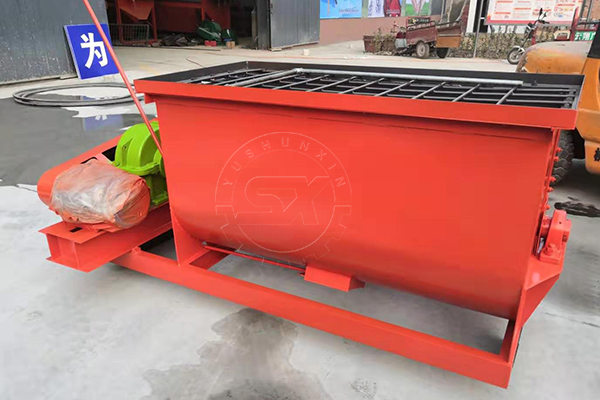
– Principio de funcionamiento: Nuestra mezcladora horizontal utiliza dos rotores opuestos para crear un movimiento compuesto que permite una mezcla rápida y uniforme.
– Capacidad de procesamiento: Con modelos que varían de 2-3 t/h hasta 10-15 t/h, la mezcladora horizontal se ajusta a diferentes escalas de producción.
Mezcladora Horizontal
2. Mezclador Horizontal de Eje Simple o Doble: Versatilidad y Precisión
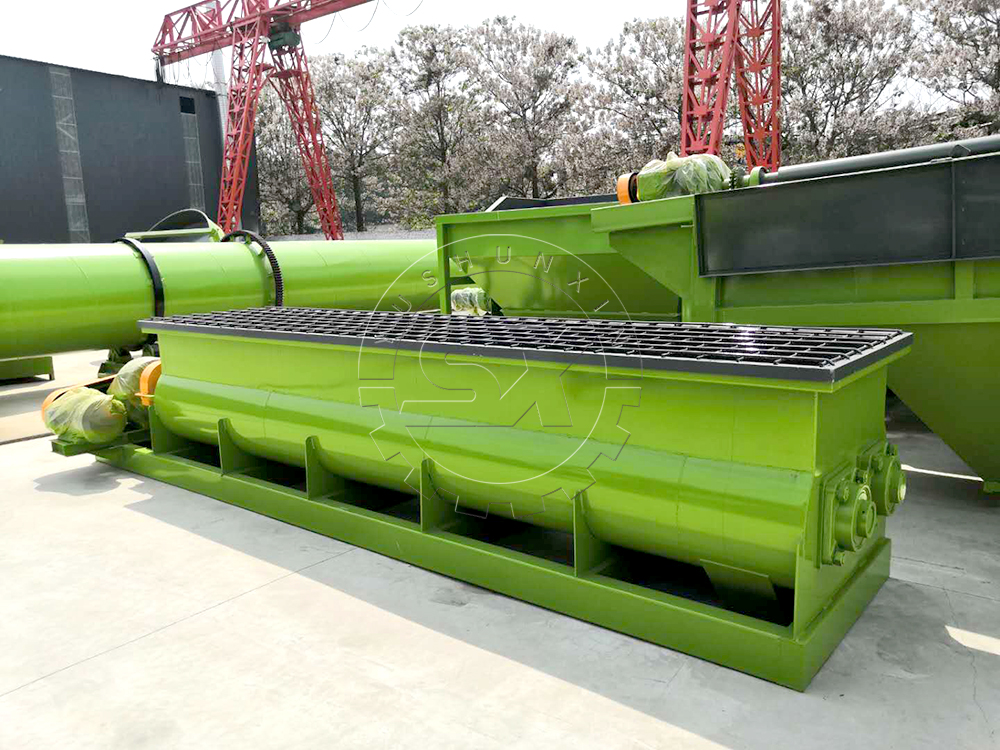
– Principio de funcionamiento: Ideal para trabajar con materiales dosificados, este mezclador emplea cuchillas giratorias para una mezcla homogénea.
– Capacidad de procesamiento: Disponible en capacidades de 3-5 t/h y 10-15 t/h, adaptándose a sus necesidades específicas.
mezcladora de doble ejes
3. Mezcladora de Tambor de Abonos Orgánicos: Para Producción en Gran Escala
– Producción continua y masiva con capacidades de 30-40 t/h, perfecta para grandes volúmenes de fertilizantes orgánicos.
– Personalización con revestimiento anticorrosión disponible para asegurar la durabilidad del equipo.
Mezcladora de Tambor de Abonos Orgánicos
4. Mezcladora de Disco: Innovación en Mezcla de Abonos
– Estructura de material: Fabricada en acero al carbono con cuchillas de aleación resistente al desgaste para una larga vida útil.
– Capacidad de producción: Ofrecemos cinco modelos que varían según el diámetro del disco, desde 2-4 t/h hasta 8-12 t/h.
Mezclador de Disco Para Fertilizantes Agrícolas
Aplicaciones de Nuestras Mezcladoras: Dónde Brillan Mejor
Nuestras mezcladoras son perfectas para una amplia gama de escenarios, desde la producción de abonos orgánicos hasta la industria química y la minería.
Nuestros equipos de mezcladoras de abonos orgánicos están diseñados para cubrir las diferentes demandas de producción y asegurar que su fertilizante cumpla con los estándares de calidad más altos. Además de ofrecer equipos robustos y eficientes, brindamos servicios adicionales como diseño de planes de construcción, garantía de un año, piezas de repuesto a precio de fábrica, envíos económicos y asistencia en la instalación y mantenimiento.
En última instancia, nuestro objetivo es establecer una relación de confianza con nuestros clientes, ayudándoles a seleccionar el mejor equipo y ofreciéndoles un servicio postventa excepcional. Si está buscando mejorar la producción de abonos orgánicos, nuestros equipos de mezcladoras son la solución perfecta para un fertilizante de alta calidad.
In a world increasingly focused on sustainability and environmental responsibility, the importance of efficient waste management has never been clearer. One of the most promising areas in this arena is the recycling of wood waste. From construction debris to old furniture, wood is a versatile material that can enjoy a second life through the power of recycling, and it all starts with the unsung hero of the process: the waste wood shredder.
The Rising Tide of Wood Waste
As the global population grows and urbanization continues to expand, the production of wood waste is inevitably on the rise. Construction, demolition, and everyday household waste contribute to a growing pile of timber that, if not handled correctly, can contribute to landfill overflow and environmental degradation. However, with the right technology and processes in place, this “waste” can become an invaluable resource.
The Role of Wood Shredders in Recycling
Enter the wood crusher—a powerful tool designed to reduce large pieces of wood waste into smaller, more manageable chips or mulch. These machines come in various sizes and capacities, tailored to the needs of different industries and recycling operations. Let’s explore how these shredders work and their impact on the wood recycling process.
Wood waste crushing machines for sale
The Shredding Process
Feeding the wood waste: Wood waste is fed into the shredder, where it encounters a series of blades or hammers designed to tear and crush the material.
Size Reduction: The shredder’s blades break down the wood into uniform chips or shreds. This process not only makes the material easier to transport but also prepares it for further recycling steps.
Sorting the Output: Once shredded, the wood chips can be sorted by size and type for different end-uses, enhancing the efficiency of the recycling process.
For differment wood waste, there are various wood crushing machines for you choice. Click here to learn more.
The Benefits of Wood Shredding
Volume Reduction: Shredders significantly reduce the size of wood waste, making it easier and more cost-effective to handle, transport, and store.
Resource Recovery: By converting waste into wood chips, materials that would have been discarded can be repurposed.
Versatility: Shredded wood can be used for a variety of applications, from biomass fuel to mulch for landscaping, particleboard manufacturing, and more.
Environmental Impact:Wood waste disposal through shredding helps conserve valuable natural resources and reduces the reliance on landfills.
Applications of Recycled Wood
Recycled wood chips have a myriad of uses across various industries:
Biomass Energy: You can make crushed wood chips in charcoal, which can be used as a renewable energy source, fueling power plants and providing heat.
Landscaping: When turned into mulch, recycled wood can enrich soil, retain moisture, and enhance the aesthetic appeal of gardens and parks.
Building Materials: Recycled wood can be reprocessed into particleboard, MDF, or other engineered wood products.
Overcoming Challenges
Despite the many benefits, wood recycling faces challenges, primarily in sorting and removing contaminants such as metal fasteners, which can damage equipment. Innovations in shredding technology, including stainless steel materials use, magnetic separators and advanced sorting systems, continue to address these issues, making wood recycling more efficient and accessible.
Conclusion
Waste wood shredders are pivotal in the journey from timber waste to recycled treasure. They not only contribute to a more sustainable future by diverting wood from landfills but also create economic opportunities by transforming waste into valuable commodities. As businesses and communities continue to recognize the benefits of wood recycling, the humble wood shredder will surely claim its place as an essential tool in the fight against waste. So the next time you see a pile of discarded wood, remember that with the help of a shredder, it has the potential to be so much more. If you are interested in it, you can visit https://www.biocharmaker.com/product/waste-wood-crusher/ for more details.
Bentonite is a type of clay that has numerous uses in various industries, from drilling fluids in the oil industry to binder materials in the manufacturing of iron ore pellets. Pelletizing bentonite is an essential process to enhance its handling and application. A disc pelletizer is one of the tools used for this purpose, providing a method to convert bentonite powder into useful, uniformly-sized pellets. This comprehensive guide will walk you through the process of making bentonite pellets using a disc pelletizer.
Understanding Bentonite and Its Applications
The Unique Properties of Bentonite
Bentonite is known for its ability to swell and increase viscosity when mixed with water, which makes it a valuable material in many industries. Its absorbent and adhesive properties also make it suitable for use in environmental protection as a liner material for landfills.
Diverse Industrial Uses
In agriculture, bentonite is used as a soil conditioner. In the construction industry, it is utilized as a sealant. It is also a choice substance in the pharmaceutical field for its absorbent qualities and in the pet industry as a component of cat litter.
Preparing Bentonite for Pelletizing
Bentonite Powder Selection
For pelletizing, you must start with high-quality bentonite powder. Ensure that the powder is free from impurities and is of a consistent size. The moisture content of the powder should be controlled to optimize the pelletizing process.
Moisture Content Adjustment
Before the pelletizing process begins, adjust the moisture content of the bentonite powder, if necessary. The ideal moisture level is critical for pellet formation, as too much or too little moisture can lead to weak pellets that easily disintegrate.
The Pelletizing Process in a Disc Pelletizer
Setting Up the Disc Pelletizer
The disc pelletizer, also known as a pan granulator machine, is a circular, shallow, pan-like machine that has a slightly angled base. To prepare for pelletizing, ensure the disc is clean and set at the appropriate angle and rotational speed according to the manufacturer’s specifications.
The Feed
Introduce the bentonite powder into the disc pelletizer. The rotational movement of the disc causes the material to roll and gather, gradually forming small pellets. It’s crucial to feed the powder at a consistent rate to maintain an even distribution in the disc.
The Role of Binders and Additives
Enhancing Pellet Durability
Binders or additives are often added to the mix to enhance the durability and hardness of the pellets. For bentonite, additional binders might not be necessary due to its inherent binding properties, but in some cases, they may be used to meet specific industry standards.
Mixing Homogeneously
Any binders or additives should be mixed thoroughly with the bentonite powder before the pelletizing process to ensure uniform distribution within the pellets.
The Growth Phase of Bentonite Pellets
Nucleation and Growth
As the disc rotates, small particles stick together to form what is known as “nuclei” or “seeds.” These gradually grow in size as they pick up more material while rolling around in the disc. The process of layering and consolidation under the forces of rotation is known as coalescence.
Controlling Pellet Size
The size of the pellets can be controlled by adjusting the amount of material fed, the rotation speed of the disc, the angle of the pan, and the duration of the pelletizing process. It is important to balance these factors to achieve the desired pellet size.
disc pelletizer for pellets with water spray
Post-Pelletizing Treatments
Drying the Pellets
After forming, the pellets may require drying to remove any excess moisture. This can be done using a rotary dryer or by spreading the pellets out in a thin layer to air dry.
Screening and Separating
Once dry, the pellets are typically screened to separate and recycle fines or oversized pellets. The correctly sized pellets are collected and can be further processed or packaged for storage and transport.
Quality Control and Storage
Ensuring Consistent Quality
Throughout the pelletizing process, it is crucial to monitor pellet quality. Regular checks should be made for pellet size, shape, moisture content, and strength to ensure consistency and to meet any industry-specific requirements.
Proper Storage Techniques
Store the finished bentonite pellets in a dry, well-ventilated area to prevent moisture absorption and degradation. Packaging in air-tight bags or containers can also help maintain pellet quality during transportation and storage.
Conclusion: Bentonite Pellets Ready for Use
Using a disc pelletizer to form bentonite pellets is an efficient and effective way to prepare this versatile clay for a multitude of industrial and commercial uses. The process requires attention to detail, from selecting the right raw material and controlling moisture content to fine-tuning the pelletizer settings and performing quality control. By following these steps, you can produce high-quality bentonite pellets that are ready for a variety of applications, contributing to the smooth operation of diverse industrial processes.