Choosing the Right Fertilizer Granulator for NPK Production

When it comes to manufacturing NPK compound fertilizer, the granulation process is a crucial step that can significantly affect the quality and efficiency of your final product. Selecting the correct compound NPK fertilizer granulator machine is paramount for ensuring optimal outcomes. Here’s a concise guide to help you navigate the process of choosing the perfect granulator for your NPK fertilizer production plants.

Assess Your Production Requirements

Before diving into purchasing a granulator, you need to evaluate your production needs. Consider the scale of your operation, the specific type of NPK fertilizer you aim to produce, and the available budget. Knowing the desired output capacity and the physical properties of the NPK formulation is essential, as different granulators can handle different volumes and material characteristics.

Understand the Different Types of Granulators

Several types of granulators are available, each with its strengths and specialties:

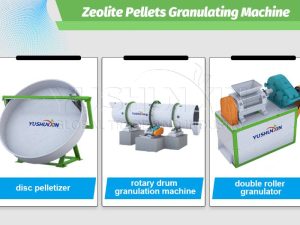
– Rotary Drum Granulators: Ideal for large-scale npk granule production, these machines are great for making high-density granules and can handle a high throughput, but they require a significant investment.

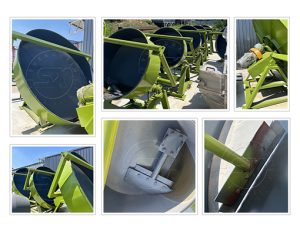
– Disc Granulators (Pan Granulators): Suitable for small to medium production scales, disc granulators are cost-effective and provide good control over particle size, though they may produce more dust compared to other types.

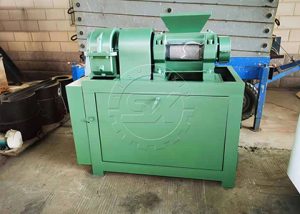
– Double Roller Press Granulators: These are excellent for making granular compound fertilizers with no drying process required. They offer a high granulation rate and low energy consumption but may not be the best for very fine materials.

Click here to learn more.

Consider Material Compatibility

The characteristics of the raw materials used in your NPK formulation can influence the efficiency of the granulation process. Ensure that the granulator you select can handle the specific texture, moisture content, and binding properties of your materials.

Evaluate Operational Costs

Look beyond the initial purchase price of npk machines and consider the total operational costs, including energy consumption, maintenance, and potential downtime. A cheaper machine that requires frequent repairs or consumes more energy may not be as cost-effective in the long run.

Check Manufacturer and After-Sales Service

Choose a reputable manufacturer with a track record of quality and reliability. Good after-sales service is crucial for troubleshooting, obtaining spare parts, and ensuring that your granulator runs smoothly over its lifetime. Here, you can choose YUSHUNXIN fertilizer equipment manufacturer.

Request a Trial Run

If possible, request a trial run with your materials to see the granulator in action. This step can provide insights into the machine’s performance and the quality of the final granules.

Conclusion

Selecting a suitable fertilizer granulator for NPK production is not a decision to be taken lightly. By understanding your production needs, researching the different types of granulators, considering material compatibility, evaluating operational costs, checking manufacturer credentials, and conducting a trial run, you can make an informed decision that will contribute to the success and efficiency of your fertilizer production line. You can visit https://fertilizerequipmentmanufacturer.com/compound-fertilizer-granulator/ for reference

How to produce bio NPK fertilizer in rotary drum granulation equipment

In the quest for sustainable and eco-friendly agricultural practices, the demand for bio NPK fertilizers has seen a significant rise. These fertilizers, rich in essential nutrients—nitrogen (N), phosphorus (P), and potassium (K)—are derived from organic sources, offering a greener alternative to conventional chemical fertilizers. One effective method for producing bio NPK fertilizer is through the utilization of rotary drum granulation equipment. This equipment provides an efficient and scalable solution for blending and granulating organic materials to create a nutrient-rich bio NPK fertilizer suitable for various crops.

Subtitle 1: Understanding Rotary Drum Granulation

Rotary drum granulation is a highly efficient technique that involves a rotating drum to agglomerate and granulate raw materials. The drum is a crucial component that facilitates the mixing, granulation, and drying processes within a single unit. This method ensures uniform distribution of nutrients and enhances the physical properties of the fertilizer, resulting in a high-quality end product.

Subtitle 2: Selecting Organic Raw Materials

The success of producing bio NPK fertilizer lies in the careful selection of organic raw materials. Common sources include animal manure, crop residues, and organic waste. These materials provide a diverse range of nutrients essential for plant growth while promoting sustainability through the recycling of organic waste.

Subtitle 3: Pre-treatment of Raw Materials

Before feeding the raw materials into the rotary drum granulation equipment, pre-treatment is necessary to optimize the composting process. This may involve shredding or grinding the materials to achieve a homogeneous mixture, facilitating efficient nutrient release during the granulation process.

Subtitle 4: Microbial Inoculants for Enhanced Bioavailability

To further enhance the bioavailability of nutrients, incorporating microbial inoculants into the raw material mixture is beneficial. These microorganisms aid in the breakdown of organic matter, releasing essential nutrients in a form readily accessible to plants. This step promotes a synergistic relationship between the organic components and microorganisms, fostering a nutrient-rich environment.

Subtitle 5: The Granulation Process

The rotary drum granulation process involves the controlled release of raw materials into the rotating drum. The drum’s design ensures a consistent mixing of the materials, allowing for the formation of granules through a combination of agglomeration and compaction. This controlled process results in the creation of uniform-sized granules with a balanced distribution of nitrogen, phosphorus, and potassium.

Subtitle 6: Drying and Cooling

Following granulation, the fertilizer is subjected to a drying and cooling phase. This step is crucial for removing excess moisture from the granules, preventing caking and ensuring a stable and shelf-ready product. The rotary drum’s internal design facilitates efficient heat transfer, contributing to the overall energy efficiency of the process.

Subtitle 7: Screening and Packaging

The final step involves screening the granulated fertilizer to achieve the desired particle size and uniformity. Once screened, the bio NPK fertilizer is ready for packaging. Utilizing eco-friendly and biodegradable packaging materials aligns with the sustainable principles of bio NPK fertilizers, offering an environmentally conscious end product for distribution and use in agriculture.

Conclusion:

Producing bio NPK fertilizer through rotary drum granulation equipment represents a sustainable and environmentally friendly approach to meeting the growing demand for nutrient-rich fertilizers. By integrating organic raw materials, microbial inoculants, and a well-designed granulation process, this method ensures the creation of high-quality bio NPK fertilizers that contribute to both agricultural productivity and ecological conservation.


What machine can make compound fertilizer granules

Compound fertilizer granules are essential agricultural products that provide a balanced mix of essential nutrients to plants. These granules are typically composed of a combination of nitrogen (N), phosphorous (P), and potassium (K) along with other secondary and micronutrients. The efficient production of these granules is crucial for modern agriculture. One of the key machines responsible for this production is a compound fertilizer granulation machine.

The Role of Compound Fertilizer Granulation Machine

Compound fertilizer granulation machines play a vital role in the agricultural sector by providing an efficient means to produce granules that contain the necessary nutrients for optimal plant growth. These machines are designed to take raw materials, which may include ammonium nitrate, ammonium sulfate, superphosphate, and other components, and convert them into uniform granules that can be easily applied to crops.

Types of Compound Fertilizer Granulation Machines

Several types of machines are used for the production of compound fertilizer granules, each with its own advantages and characteristics. How to choose a suitable NPK compound granulator? The most common types include:

  1. Rotary Drum Granulator Machine: This machine operates by rotating a large drum, which allows for the uniform mixing of the raw materials. The rolling motion in the drum helps in the formation of granules as the material adheres to itself due to moisture and chemical reactions.
  2. Double Roller Press Granulator Machine: This machine uses two rollers to compact the materials into granules. The rollers exert pressure, causing the materials to stick together and form granules.
  3. Disc Granulator Machine: In this type of granulator, a rotating disc is used to agglomerate the raw materials. The angle of the disc and the speed of rotation influence the size and shape of the granules.
drum granulation machine for npk fertilizer granules
double roller granualtor for compound granular fertilizer
disc pelletizer for compound fertilizer production

Key Features of a Compound Fertilizer Granulation Machine

Compound fertilizer granulation machines are designed to have the following features:

  1. Customizability: They can be adjusted to create granules of different sizes and nutrient compositions to suit specific crop and soil requirements.
  2. Efficiency: These machines are engineered for high throughput and consistent granule production, helping to optimize the use of resources.
  3. Environmental Considerations: Many modern granulation machines are designed with environmental sustainability in mind. They often include features that reduce dust emissions, waste, and energy consumption.

The Granulation Process

The granulation process typically involves several stages, including raw material preparation, mixing, granulation, drying, cooling, and screening. Each stage is crucial in ensuring that the final granules meet the desired specifications and quality standards.

Conclusion

In modern agriculture, compound fertilizer granules are indispensable for providing crops with the necessary nutrients for healthy growth and high yields. The machines used for granule production, such as rotary drum granulators, double roller press granulators, disc granulators, play a pivotal role in this process. Their ability to efficiently and precisely produce granules of various sizes and compositions makes them indispensable tools for farmers and agricultural professionals seeking to optimize their nutrient management and crop performance. These machines, along with sustainable practices, are essential for feeding the world’s growing population while preserving the environment.

Equipo de granulación de abono orgánico de estiércol de cerdo

El uso de abonos orgánicos en la agricultura tiene múltiples beneficios para el suelo y las plantas, y el estiércol de cerdo es una excelente opción como fertilizante. Para producir abono orgánico a partir de estiércol de cerdo, se requiere un proceso de fermentación aeróbica que convierta los materiales orgánicos en humus estable. A continuación, te explicaremos cómo realizar este proceso y qué equipos necesitas seleccionar.

Deshidratación del estiércol: Antes de la fermentación, es necesario reducir el contenido de humedad del estiércol de cerdo. Nuestro equipo separador sólido-líquido de pantalla puede deshidratar el estiércol eficientemente, cumpliendo con los requisitos de humedad adecuada para el compostaje. Su capacidad de procesamiento alcanza hasta 30-40 toneladas por hora, lo que asegura el manejo de grandes volúmenes de estiércol.

equipo separador sólido-líquido de pantalla

Fermentación aeróbica: La remoción periódica y el volteo regular de los materiales durante la fermentación son fundamentales. Al voltear los materiales, se mejora la ventilación y se incrementa el suministro de oxígeno, lo cual estimula el crecimiento y la actividad de los microorganismos beneficiosos. Para esta tarea, recomendamos el uso de una volteadora de cadena. Este equipo facilita el volteo en profundidad de los residuos orgánicos sólidos, mejorando así la calidad y estabilidad del fertilizante orgánico.

Trituración de materias primas: Antes de la granulación, es necesario triturar los materiales para obtener un tamaño adecuado. Nuestra trituradora vertical es perfecta para esta tarea, ya que tiene una alta eficiencia de trituración y puede manejar materiales con alta humedad sin obstrucciones.

trituradora vertical para estiercol de cerdo

Granulación: Para producir abonos orgánicos comerciales en forma de gránulos, se utiliza la técnica de granulación. La máquina de disco de granulación es ideal para este proceso, ya que permite la formación rápida de partículas de fertilizante a través de la fuerza centrífuga y la gravedad. Ajustando el ángulo del disco y la humedad de los materiales, podrás obtener gránulos con un diámetro de 1-8 mm.

granulacion de disco para estiercol de cerdo

Secado, enfriamiento y tamizado: Posteriormente a la granulación, es necesario secar y enfriar los gránulos. Nuestras máquinas de tambor rotatorio son ideales para estas tareas, ya que tienen una gran capacidad de secado y enfriamiento, consumo de energía reducido y fácil operación. Además, puedes utilizar nuestro tamizador para obtener gránulos uniformes y consistentes.

Secadora de Tambor Rotativo y Enfriador de Tambor Rotativo

Empaquetado automático: Por último, utilizando nuestra máquina de empaque automática, podrás empacar los gránulos de forma rápida y eficiente, listos para su venta o transporte.

En resumen, contar con una línea de producción de abonos orgánicos de estiércol de cerdo te permitirá producir fertilizantes de alta calidad de manera eficiente. Desde la deshidratación inicial hasta el empaquetado final, los equipos especializados te ayudarán a optimizar el proceso y obtener productos consistentes. Si deseas más información o asistencia en la configuración de tu línea de producción de abonos orgánicos de estiércol de cerdo, no dudes en contactarnos. ¡Estaremos encantados de ayudarte!

how to compost pig manure

Composting pig manure is an effective way to transform a waste product into a valuable resource. Pig manure is high in nitrogen, phosphorus, and potassium, making it an excellent source of nutrients for plants. However, it can also be a source of pollution if not managed properly. In this article, we will discuss the steps for composting pig manure to create a nutrient-rich soil amendment for your garden.

Aniaml Manure for Organic Fertilizer Production

Step 1: Collecting Pig Manure

The first step in composting pig manure is to collect it. Pig manure can be collected using a shovel or a manure scraper. It is important to collect only the manure and not the bedding material, as the bedding material will slow down the composting process. Pig manure can be collected in a pile or a bin. If collecting in a pile, it is recommended to turn the pile regularly to ensure proper aeration and decomposition.

Step 2: Preparing the Composting Site

The composting site should be located in a well-drained area and away from water sources, such as streams or ponds. The site should be sunny, as the heat from the sun will help to accelerate the composting process. The composting site should be level and have good air circulation. The site should be prepared by removing any grass or vegetation, and a layer of gravel or wood chips should be added to the bottom to aid in drainage.

Step 3: Building the Compost Pile

The compost pile should be built in layers, starting with a layer of dry, carbon-rich material such as straw or leaves. This layer should be about 6 inches thick. Next, add a layer of pig manure, about 2 to 3 inches thick. Repeat this layering process until the pile is about 3 to 4 feet tall. The top of the pile should be covered with a layer of straw or leaves to help retain moisture.

Step 4: Maintaining the Compost Pile

The compost pile should be kept moist but not wet. If the pile is too wet, it may become anaerobic, which will slow down the composting process and create an unpleasant odor. The pile should be turned regularly to ensure proper aeration and decomposition. The pile should be turned every 3 to 5 days, or when the internal temperature of the pile drops below 100°F. The internal temperature of the pile can be measured using a compost thermometer.

Step 5: Harvesting the Compost

The compost pile will be ready to harvest when it has decomposed into a dark, crumbly, soil-like material. This process can take anywhere from 6 to 12 months, depending on the size of the pile and the environmental conditions. To harvest the compost, the pile should be turned onto a tarp or into a wheelbarrow. Any large pieces of material should be removed, and the compost should be screened to remove any remaining debris.

Windrow Compost Turner

In conclusion, composting pig manure is an effective way to transform a waste product into a valuable resource. By following these simple steps, you can create a nutrient-rich soil amendment for your garden while reducing waste and preventing pollution. Remember to always wear gloves and wash your hands thoroughly after handling pig manure. Happy composting!

Of course, you can check this page for more details about the design and structure of the pig manure machine!

How to Compost Pig Manure

What Do You Need to Know to Buy an NPK Fertilizer Production Line?

Buying an NPK fertilizer production line can help you improve and optimize your production processes. It can also reduce your production costs to save you more money in the long term. However, you need to invest in the best NPK fertilizer production line.

Here are some of the things you need to know before you buy an NPK fertilizer production line:

Rorary Drum NPK Production Line for Sale

1. Quality

You need to know the quality of the NPK fertilizer production line before you buy it. It is beneficial to buy a high-quality NPK fertilizer production line. It can last longer. And it is cheap to maintain. It can, therefore, serve your business for several years and reduce your production costs.

Do not buy poor-quality NPK fertilizer production lines. They are expensive to maintain, so they can increase your maintenance costs. They can, therefore, increase your production costs and cost you more money in the long term. Do not use them to produce NPK fertilizer.  Click here for high quality NPK fertilizer line.

2. Price

Nowadays, it is easy to find affordable NPK fertilizer production lines. This is because there are so many companies and manufacturers to choose from. Do not just choose the cheapest companies and manufacturers. Check their history before making your final decision. Make sure they have a good history.

If you are looking for affordable manufacturers, you might want to choose overseas manufacturers. Overseas manufacturers can access cheap labor and raw materials. So, they can produce top-notch NPK fertilizer production lines. Then, sell them at affordable prices.

NPK fertilizer production equipment

3. Maintenance Cost

You have to know the maintenance cost of the NPK fertilizer production line before buying it. If you are spending too much money to maintain your NPK fertilizer production line, it can lower profits. In fact, you might lose more money in the long term.

Ask the seller to tell you the cost of maintaining their NPK fertilizer production lines. If you cannot afford to maintain them, do not purchase them. Proper maintenance can extend the life of your NPK fertilizer production line. So, make sure you can afford to maintain it.

4. The Manufacturer

You need to know the reputation, experience, and even the location of the manufacturer. Reputable and experienced manufacturers are the best. They usually have great customer service. They are reliable. They have affordable prices. And they provide a warranty.

However, some manufacturers are unreliable and have poor customer service. Do not select them. In fact, they might not honor their warranty. Choosing the right manufacturer can give you peace of mind. The manufacturer can even handle repairs and maintenance to save you more money.

Fertilizer equipment manufacturing in SX

5. The Warranty

All machines come with a warranty. The purpose of the warranty is to protect people from losing money to the wrong companies and manufacturers. That is why almost all companies and manufacturers provide warranties. Unfortunately, some do not honor their warranty.

You need to know if the manufacturer honors their warranty. Do not forget to read and understand their warranty before buying their NPK fertilizer production line. The warranty can save you money. You can even compare multiple warranties to find the company that suits your needs.

These are what you need to know before you buy your NPK fertilizer production line. Take your time and do proper research before you make your final decision.

More details please check https://fertilizerequipmentmanufacturer.com/npk-fertilizer-production-line/

Rotary Drum Granulator For Compound Fertilizer Production

There is a molding machine that is referred to as a rotary drum granulator. It is typically made in the shape of the barrel. It will have a rubber lining inside, or perhaps one that is made of stainless steel that is acid resistant, and it is typically use for the granules production of fertilizer. When fertilizer is produced, there is a large amount of phosphoric acid or ammonia added to the drum. Steam is also part of the process. There will be other materials which will serve as the fertilization components. This will be calcium, phosphorus ammonia, and nitrogen which are needed by plants to grow effectively. The basis of the machine is to take all of these materials and consolidate them into either small sands like components or even pellets. These are then used by the farming industry, as well as people with gardens, to fertilize what they are growing. If you are interested in producing compound fertilizer using a rotary drum pelleting machine, this is what you need to know.

What Is A Compound Fertilizer?

A compound fertilizer is simply a fancy name for any type of fertilizer that uses two or more components or elements. An example of this would be combining nitrogen with calcium or combining phosphorus with nitrogen and potassium. These are the top three fertilizers that are used with both large and small agricultural businesses as it can help improve crops dramatically. When you make these, you are going to need a rotary drum granulator, and there are many different types to choose from.

Choosing The Right Rotary Drum Granulator

When you choose one, this is usually based upon a couple different factors. First of all, you need to consider the size. The size is representative of how much room you will need to have at your facility to produce the fertilizer. It is also representative of how much fertilizer you can produce with each batch. The other factors to consider is what type of fertilizer it is capable of manufacturing. In this case, you could easily combine two or three different elements together such as potassium, phosphorus, or nitrogen. The final result will be small particulates or pallets that can be spread evenly across the surface of a garden or farm, allowing for them to decompose via water and seep into the ground. The roots of the plants will then extract these minerals which can help them grow. One final thing to consider is the manufacturer as not all of them charge the same prices for that material.

How To Find The Best Manufacturer For These Rotary Drum Granulators?

The best manufacturers tend to be those that are well established. They have likely been producing this material for years. Professional and experienced equipment factory may have older models which will be adequate for your needs which will be priced at a much lower price point. The key is to find out how much fertilizer they can make. It needs to be at least as much as you need on a regular basis. Once you have assessed all of these, and received quotes back from these companies, you can then make a logical decision on which one will be best for you.

Using a rotary drum granulator is the first step toward avoiding the high cost of purchasing fertilizer from other companies. Businesses that produce fertilizer all use this same type of equipment. If you want to make a large investment that will pay for itself many times over, you should consider obtaining one this year. Once done, you will have the ability to create any type of compound fertilizer that you want at a very fast rate.