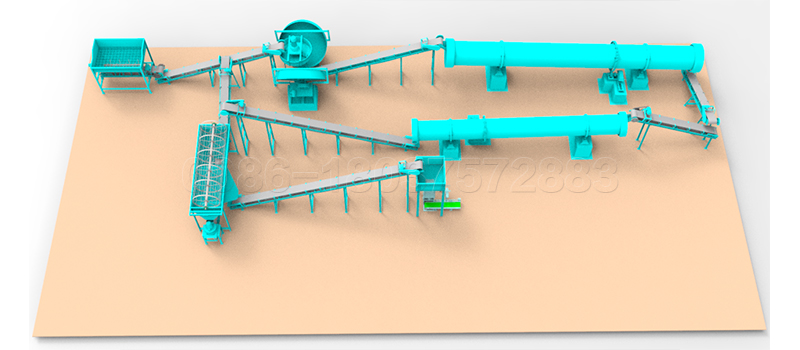
The Rise of Large-Scale Organic Fertilizer Manufacturing

In recent years, the organic agriculture movement has gained significant traction among consumers, farmers, and policymakers alike. With an increasing demand for sustainable farming practices and organic food, the production of organic fertilizers has become an industry of paramount importance. Large-scale organic fertilizer manufacturing is not just an environmentally conscious decision but also a response to a growing market need. In this blog post, we’ll delve into the world of organic fertilizer production on a grand scale, exploring its benefits, challenges, and the future it holds for agriculture.

The Organic Advantage

Organic fertilizers are derived from natural sources such as plant, animal, and mineral matter. Unlike their synthetic counterparts, these fertilizers enrich the soil with organic matter, nitrogen, phosphorus and potassium, promoting soil health, increasing water retention, and encouraging biodiversity. The advantages are clear:
– Sustainable Practices: Organic fertilizers contribute to sustainable agricultural cycles, avoiding the depletion of soil nutrients and reducing chemical runoff into water bodies.
– Enhanced Soil Structure:The use of organic materials improves soil structure, leading to better root growth and enhanced nutrient uptake by plants.
– Long-term Fertility:Organic fertilizers release nutrients slowly, providing a long-term supply of nourishment to crops.

Scope of Large-Scale Production

Transitioning from small-scale composting to large-scale organic fertilizer manufacturing requires significant investment and strategic planning. Here’s what such a scale of operation typically encompasses:

– Sourcing Raw Materials:Large-scale production of organic fertilizer relies on extensive sources of organic waste, such as crop residues, livestock manure, food waste, and industrial organic by-products.
– Advanced Composting Techniques:Employing advanced composting methods like windrow composting, in-vessel composting, or aerated static pile composting can handle substantial quantities of organic waste efficiently.
– Quality Control:Consistent product quality is vital. This involves regular testing for nutrient content, pathogen levels, and the presence of any contaminants.
– Packaging and Distribution:Efficient packaging solutions are required to handle large volumes, along with a robust distribution network to reach diverse markets.

Investment and Costs

To set up a large-scale organic fertilizer manufacturing plant, the financial outlay can be considerable. Key cost factors include:

– Facility and Infrastructure:This includes the cost of land, construction, and the setup of composting systems and storage facilities.
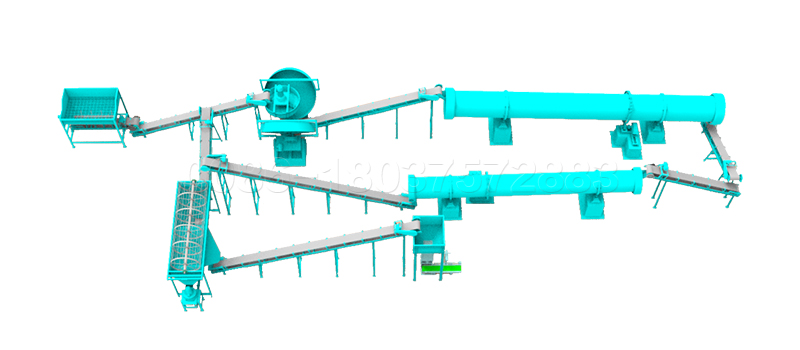
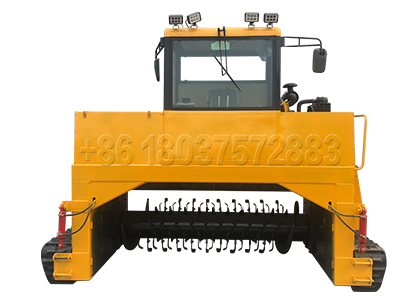
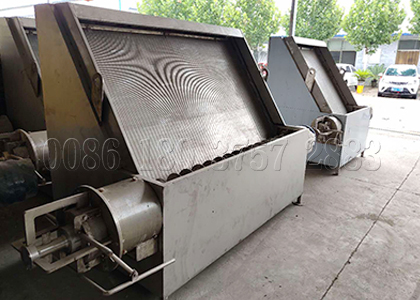
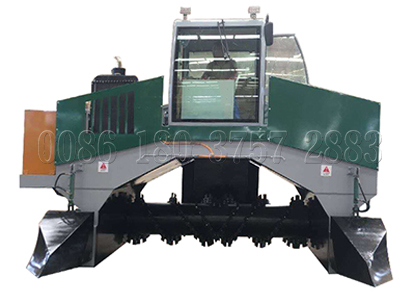
– Machinery and Equipment: Investment in heavy-duty equipment like compost turners, shredders, mixers, granulators, and packaging machines is necessary. Click here to learn more.
– Regulatory Compliance:Ensuring adherence to environmental regulations and obtaining necessary certifications can incur additional costs.
– Research and Development:Staying competitive may require ongoing R&D to improve product effectiveness and to develop new fertilizer formulations.

Fertilizer Production Machinery

Overcoming Challenges

Expanding into large-scale organic fertilizer production is not without its challenges:

– Supply Chain Management:Establishing reliable sourcing channels for organic waste and managing logistics is crucial.
– Odor Control and Environmental Concerns: Large-scale composting operations must address odor control and ensure minimal environmental impact.
– Market Competition:Competing against established chemical fertilizers and other organic products requires strategic marketing and brand positioning.

The Future Holds Promise

Despite the challenges, the future for large-scale organic fertilizer manufacturing looks bright, driven by factors such as:

– Policy Support:Many governments now promote organic farming through incentives and subsidies.
– Market Demand:The organic food market is witnessing robust growth, with consumers increasingly willing to pay a premium for sustainable produce.
– Technological Innovation:Advances in composting technologies and automation are making large-scale production more viable and efficient.

Conclusion

As the world tilts toward sustainable farming, large-scale organic fertilizer manufacturing stands out as a crucial industry for the future of agriculture. It represents an intersection of ecological responsibility and economic opportunity, offering a way to support the planet’s health while tapping into a lucrative market. Though not without its challenges, the industry’s trajectory suggests that organic fertilizer production will continue to scale up, fueled by innovation, policy support, and a collective commitment to sustainable agriculture. If you are interested in the ptoject, you can visit https://www.fertilizerbusinessplan.com/how-to-make-organic-fertilizer-in-a-large-scale/

How to make chicken manure pellets

Chicken manure pellets are an organic fertilizer that provide a rich source of nutrients for plant growth. They are an eco-friendly way to recycle waste from poultry farms and improve soil health. Making chicken manure granular fertilizer involves a series of steps from raw manure collection to the final pelleted product that is easy to store, transport, and use.

The Importance of Chicken Manure as Fertilizer

Nutrient-Rich Organic Matter

Chicken manure is loaded with essential nutrients such as nitrogen, phosphorus, and potassium, which are beneficial for soil fertility and plant growth. It also contains micronutrients that are crucial for the overall health of plants.

Benefits of Pelletizing Manure

Pelletizing chicken manure makes it more convenient to handle, reduces odor, minimizes pathogens, and facilitates a slow release of nutrients into the soil.

Collection and Preparation of Raw Manure

Gathering Manure

The first step in making chicken manure pellets is to collect the raw manure from poultry farms. This can be done manually or with the use of automated systems.

Drying the Manure

Moisture content in the manure should be reduced to make the pelleting process efficient. Sun drying is a natural method, while mechanical drying can be done using rotary drum dryers.

Composting the Manure

The Composting Process

Composting is a critical step that helps in the breakdown of organic matter and the reduction of pathogens. The manure is piled and regularly turned to maintain aeration and moisture content conducive to microbial activity.

Monitoring and Control

Temperature, moisture, and aeration are monitored and controlled to ensure the composting process is effective. This stage can take several weeks to a few months, depending on the method used.

Crushing and Mixing

Grinding the Composted Manure

Once the manure is fully composted, it is ground into a fine powder using a crusher or hammer mill. This increases the surface area, making the nutrients more accessible for release when applied to the soil.

Adding Additional Ingredients

To enhance the nutrient content or to achieve a desired nutrient balance, additional materials such as bone meal, blood meal, or other organic materials can be mixed with the composted manure.

The Pelletizing Process

Forming the Pellets

After mixing, the fine composted manure is fed into a pellet mill. The mill has a die and roller system that compresses the manure into dense, cylindrical pellets. And disc granulation equipment or drum granulation equipment can also produce chicken manure pellets.

Cutting and Cooling

Once the manure is extruded through the die, the elongated strands are cut into pellets of a specified size and then cooled to solidify and stabilize them.

Post-Pelletizing Processing

Screening and Quality Control

The pellets are screened to remove any dust or broken pellets, ensuring uniformity in size and quality. This step is crucial for the marketability of the final product.

Conditioning the Pellets

Optionally, the pellets can undergo further conditioning to improve their hardness and durability. This may involve additional moisture control or the application of a coating that reduces dust and improves nutrient retention.

Packaging and Storage

Bagging the Chicken Manure Pellets

The chicken manure pellets are then bagged in suitable packaging material that protects them from moisture and facilitates easy handling.

Storing for Optimal Preservation

The bagged pellets should be stored in a cool, dry place to prevent deterioration and preserve their efficacy as a fertilizer.

Application and Use in Agriculture

Dosage and Method of Application

When applying chicken manure pellets to the soil, it is crucial to follow recommended dosage guidelines and application methods to prevent over-fertilization and potential harm to plants.

Benefits to Soil and Crops

Regular use of chicken manure pellets can help improve soil structure, enhance water retention, and provide a slow and steady release of nutrients, leading to healthier plants and increased yields.

Conclusion

Making chicken manure pellets is a sustainable way to manage poultry waste and provide an organic fertilizer option for farmers and gardeners. The process involves several steps from raw manure collection to composting, pelletizing, and packaging. By converting chicken manure into a user-friendly pellet form, we can make the most of this valuable organic resource, closing the loop in agricultural nutrient cycles and contributing to a healthier environment.

How Long To Compost Goat Manure

In natural conditions, composting goat manure, like composting other types of animal manure, can take several months to a year to fully decompose and become nutrient-rich compost. But for commercial goat manure fertilizer making, we need to compost goat manure quickly. The exact time it takes for goat manure to compost depends on various factors, including the size of the compost pile, the ratio of green (nitrogen-rich) and brown (carbon-rich) materials, and the environmental conditions.

Here are some general guidelines for composting goat manure:

  • Build a Compost Pile: Start by creating a compost pile. A pile that is at least 3 feet by 3 feet by 3 feet (1 cubic yard) is a good size for efficient composting.
  • Mix with Carbon-Rich Material: Goat manure is considered a “green” or nitrogen-rich material. To create balanced compost, mix the goat manure with carbon-rich “brown” materials such as straw, leaves, sawdust, or shredded newspaper. A common ratio is roughly 3 parts brown materials to 1 part green material. In addition, you can add some fermentation bacteria to speed up the sheep manure compost making process.
  • Turn and Aerated: Regularly turn or aerate the compost pile to provide oxygen to the microorganisms responsible for breaking down the organic matter. This helps speed up the decomposition process. Here, manual turning is not easy, especially for large scale manure fermentation. So it is advisable to buy a goat manure compost machine. Click here to learn more.
  • Maintain Moisture: Keep the compost pile consistently moist, but not waterlogged. Adequate moisture is essential for the decomposition process. Here, you can use fertilizer dewatering machine to remove water from goat manure. And sheep waste compost turner with water tank can add water during composting.
  • Temperature and Environment: Composting occurs faster at higher temperatures. If possible, place the compost pile in a sunny area to encourage microbial activity. A well-insulated compost bin or pile can help maintain higher temperatures, especially in colder climates.
  • Patience: Composting goat manure typically takes several months to a year to produce finished compost. The exact time can vary based on the conditions and materials used. With suitable process and compost equipment, it only needs 15 -30 days.
Goat manure compost making process

You can speed up the process by ensuring the right balance of materials, adequate aeration, and the right moisture levels. Using a compost thermometer to monitor the temperature can also be helpful. When the compost is dark, crumbly, and has an earthy smell, it’s a sign that the goat manure compost fertilizer is finished.

Remember to consider the composted goat manure as a valuable organic fertilizer and soil conditioner for your garden or plants, as it will be rich in nutrients and beneficial microorganisms. If you are interested in goat manure composting, you can visit https://www.manuremanagementplan.com/sheep-manure-compost/.

How To Dispose Of Pig Poop Into Fertilizer

Disposing of pig manure in an environmentally responsible way that turns it into fertilizer involves a process called composting. Properly composted pig manure can be a valuable source of organic matter and nutrients for your garden or crops. Here’s a step-by-step guide on how to dispose of pig poop into fertilizer:

Materials You’ll Need:

Pig manure
Straw, hay, or other carbon-rich materials (to balance the carbon-to-nitrogen ratio)
A compost dedicated area
compost machine
Water source
Temperature monitor

How to Use Pig Manure as Fertilizer

Pig manure fertilizer making Steps:

  • Collect Manure: Start by collecting the pig manure from your pig pens or housing area. This necessary for swine waste management . Make sure to remove any non-organic materials like rocks or plastic.
  • Gather Carbon Materials: To create a balanced compost pile, you’ll need to mix the pig manure with carbon-rich materials like straw, hay, dried leaves, or sawdust. The carbon materials provide the necessary balance of carbon to nitrogen for efficient composting.
  • Mixing: Mixing pig manure with cabon materials evenly for speeding up pig manure composting.
  • Moisten the Pile: Water is essential for composting. Make sure the compost pile is consistently moist, similar to a wrung-out sponge. This is essential for making quality organic fertilizer from piggery manure.
  • Aerate and Turn: Regularly turn or aerate the compost pile. This introduces oxygen, which is crucial for the decomposition process. If you have an aeration tool, use it to poke holes in the pile to promote airflow. Turning the pile with a shovel or pitchfork also accomplishes this.But for commercial pig manure fertilizer making, professional fertilizer compost turner is the best.

  • Maintain Temperature: The compost pile will heat up as it decomposes. This heat is a sign that the microbial activity is breaking down the organic matter. The pile’s internal temperature should ideally reach between 130°F to 160°F (54°C to 71°C). This temperature range helps kill pathogens and weed seeds.
  • Monitor and Adjust: Regularly monitor the compost pile’s moisture level, temperature, and odor. Adjust the carbon-to-nitrogen ratio if needed by adding more carbon-rich materials or manure.
  • Maturation: Composting can take several months to a year, depending on various factors, including temperature, pile size, and management. The compost is ready when it has turned into dark, crumbly, earthy-smelling material. It should no longer resemble fresh manure.
  • Use as Fertilizer: Once the compost has matured, you can use it as a valuable organic fertilizer in your garden or on your crops. Spread it over the soil’s surface and incorporate it into the top few inches of the soil. If you want to make better organic fertilizer with pig poop, you can further process compost into powdery or granular organic fertilizer. Go here for more details.

Properly composted pig manure adds organic matter, nutrients, and beneficial microorganisms to the soil, improving soil structure and fertility. It also helps reduce the risk of environmental pollution associated with improperly managed manure. Always follow local regulations and guidelines for manure management to ensure environmental protection and compliance with any legal requirements. If you want to make pig poop into fertilizer, you can visit https://www.fertilizerbusinessplan.com/pig-farm-waste-management/ for more.

How to Dispose of Chicken Poop in a Friendly Environmently Way

Keeping backyard chickens is an increasingly popular and rewarding hobby. Not only do they provide fresh eggs, but they also offer a connection to nature and a sense of self-sufficiency. However, along with the joys of chicken ownership comes the responsibility of managing their waste in an environmentally friendly manner. Chicken poop, or manure, can be a valuable resource for your garden, but it must be handled properly to avoid negative environmental impacts.

Subtitle 2: Why Chicken Poop Is Valuable

Chicken manure is rich in essential nutrients, including nitrogen, phosphorus, and potassium, making it a valuable resource for gardeners. These nutrients enhance soil fertility and promote healthy plant growth. However, if not managed correctly, chicken poop can lead to water pollution, odors, and nutrient imbalances in the soil.

Subtitle 3: Composting Chicken Manure

Composting chicken manure is one of the most eco-friendly ways to manage it. Composting transforms the waste into a nutrient-rich, humus-like material that can be safely applied to your garden or used as a soil conditioner. Here’s how to compost chicken manure:

  1. Collect manure regularly: Place a collection bin beneath the roosting area to gather fresh droppings. This makes it easier to manage and speeds up decomposition.
  2. Combine with carbon-rich materials: Mix chicken manure with straw, leaves, or other carbon-rich materials to balance the carbon-to-nitrogen ratio. This helps prevent odors and creates a more balanced compost pile.
  3. Turn the pile: Regularly turning the compost pile aerates it, allowing beneficial microorganisms to break down the waste more efficiently.
  4. Allow for decomposition: Let the compost pile sit for several months to ensure that harmful pathogens are killed during the process.
  5. Use the finished compost: Once the compost is dark, crumbly, and odor-free, you can use it in your garden as a natural fertilizer or soil conditioner.

For this, if you want to have a more friendly environment to dispose of chicken waste, in-vessel compost turner is the best choice for you.

Subtitle 4: Avoiding Runoff and Pollution

Improperly managed chicken manure can contribute to water pollution. Rainwater can wash the nutrients from manure into nearby water bodies, causing problems like algal blooms. To prevent this:

  1. Keep chickens away from water bodies: Position your coop and run away from streams, ponds, or any other water sources to reduce the risk of runoff.
  2. Use a manure containment system: Implement a system to catch and manage the liquid runoff from your compost pile. This liquid, known as “compost tea,” can be diluted and used as a liquid fertilizer for your garden.
  3. Be mindful of application: When using composted chicken manure in your garden, follow recommended application rates to prevent nutrient imbalances in the soil. Excess nutrients can leach into groundwater or nearby water bodies.

Subtitle 5: Alternative Uses for Chicken Manure

In addition to composting, consider these alternative ways to utilize chicken manure in an eco-friendly manner:

  1. Vermicomposting: Use red worms to break down chicken manure. The resulting vermicompost is highly concentrated and rich in nutrients, making it an excellent addition to potting mixes or for top-dressing plants.
  2. Biochar incorporation: Mix chicken manure with biochar, a stable form of carbon, to create a slow-release fertilizer that improves soil structure and retains moisture.
  3. Fermentation: Fermenting chicken manure with beneficial microorganisms can reduce its odor and enhance nutrient availability.

Subtitle 6: Conclusion

Properly managing chicken poop in an environmentally friendly way is essential for maintaining a healthy garden, preventing pollution, and reducing your environmental footprint. By composting, avoiding runoff, and exploring alternative uses, you can turn chicken manure from a waste product into a valuable resource for your sustainable gardening endeavors. Responsible management of chicken waste not only benefits your garden but also contributes to a cleaner and healthier environment.

How to Make 2TPH Organic Fertilizer?

Organic fertilizer is a vital component for promoting healthy and sustainable agricultural practices. Unlike chemical fertilizers, organic fertilizers are derived from natural sources and provide numerous benefits to soil health, plant growth, and the environment. In this comprehensive guide, we will delve into the process of making 2TPH (2 tons per hour) of organic fertilizer. Whether you’re a small-scale farmer or a large agricultural operation, producing your own organic fertilizer can be a cost-effective and eco-friendly solution.

Chapter 1: Understanding Organic Fertilizers

Before diving into the production process, it’s essential to understand what organic fertilizers are and why they are beneficial. Organic fertilizers are made from organic materials such as compost, animal manure, biogas residues, and other natural substances. They improve soil structure, enhance nutrient availability, and promote beneficial microbial activity, leading to healthier crops and increased yields.

Chapter 2: Selecting Raw Materials

The first step in making 2TPH of organic fertilizer is selecting the right raw materials. The choice of raw materials depends on factors like availability, nutrient content, and the specific needs of your crops. Common organic materials used in fertilizer production include compost, poultry or livestock manure, crop residues, and green waste. Ensure that these materials are free from contaminants and pathogens.

Chapter 3: Composting

Composting is a crucial process in organic fertilizer production project. It involves the decomposition of organic materials into nutrient-rich humus. To start composting, create piles of your chosen raw materials, ensuring a balanced mix of carbon-rich (browns) and nitrogen-rich (greens) materials. Regular turning and aeration are essential to maintain proper decomposition and prevent odor issues. The composting process can take several months, so patience is key.

Chapter 4: Grinding and Shredding

Once your compost is fully decomposed and matured, it’s time to prepare it for further processing. Grinding and shredding the composted material into smaller particles is essential to ensure even distribution of nutrients in the final fertilizer blend. This step can be achieved using a grinder or shredder machine, depending on the scale of production.

Chapter 5: Mixing and Blending

Achieving a balanced nutrient profile in your organic fertilizer is vital for optimal plant growth. Mixing and blending various composted materials and additives can help achieve this balance. Consider adding supplementary ingredients like rock dust, bone meal, or fish meal to enhance the nutrient content. Use a mechanical mixer to ensure thorough blending of all components.

Chapter 6: Drying and Pelletizing

The next step is to reduce the moisture content of the mixed materials. Excess moisture can lead to clumping and deterioration of the fertilizer during storage. Drying can be accomplished using a rotary dryer or other suitable equipment. Once adequately dried, the material can be pelletized into uniform-sized granules for ease of application and efficient nutrient release. Pan Pellezizer Machine and rotary drum granulator are the best choice for you.

Chapter 7: Quality Control and Testing

Before packaging your organic fertilizer, it’s essential to conduct quality control tests. These tests include checking nutrient content, pH levels, and ensuring that the product is free from contaminants. Regular testing and quality assurance procedures are critical to producing a consistent and effective organic fertilizer.

Chapter 8: Packaging and Storage

Packaging your organic fertilizer in suitable containers is the final step in the production process. Ensure that the packaging materials are durable and can protect the product from moisture and pests. Proper labeling with nutrient content information and application instructions is also essential. Store the packaged fertilizer in a dry, cool, and well-ventilated area to maintain its quality.

Chapter 9: Application and Benefits

Now that you’ve successfully produced 2TPH of organic fertilizer, it’s time to reap the benefits. Organic fertilizer promotes soil health, reduces the risk of nutrient runoff, and enhances crop yields while minimizing the environmental impact. Follow recommended application rates and methods to maximize the positive effects on your crops and soil.

Conclusion

Producing 2TPH of organic fertilizer is a rewarding endeavor that contributes to sustainable agriculture and healthy ecosystems. By following the steps outlined in this guide, you can create high-quality organic fertilizer tailored to your specific agricultural needs. Remember that organic fertilizer production is a continuous process, and ongoing monitoring and adjustment are key to achieving consistent results. SX also can provide you with NPK fertilizer production project if you need.

Tips for Poultry Manure Fertilizer Making

Poultry manure is a valuable organic resource that can be transformed into nutrient-rich fertilizer for improving soil fertility and promoting plant growth. The process of converting poultry manure into fertilizer requires careful attention and proper techniques to ensure its effectiveness and minimize environmental impacts. Here are some essential tips for poultry manure fertilizer making:

1. Proper Collection and Storage of Manure:

Effective poultry manure fertilizer production begins with proper collection and storage of the manure. It’s crucial to have well-designed poultry housing and waste management systems to prevent contamination and maintain the quality of the manure. Regular cleaning of the poultry facilities and proper segregation of manure from bedding materials contribute to a higher-quality end product.

2. Composting for Pathogen Reduction:

Composting is an essential step in poultry manure fertilizer production as it helps reduce pathogens, weed seeds, and odors. Combine the manure with carbon-rich materials like straw, leaves, or wood chips to create a balanced carbon-to-nitrogen ratio. Turn the compost regularly to ensure proper aeration and decomposition. The composting process generates heat that helps eliminate harmful microorganisms.

3. Monitoring Temperature and Moisture:

During composting, monitoring temperature and moisture levels is crucial. The ideal temperature range for composting poultry manure is between 130°F and 150°F (54°C to 65°C). Use a compost thermometer to track the temperature and adjust the moisture content to around 40-60%. Proper moisture and temperature control accelerate the breakdown of organic matter and facilitate the development of nutrient-rich compost.

4. Ensuring Nutrient Balance:

To create a balanced poultry manure fertilizer, it’s essential to consider the nutrient composition. Poultry manure is rich in nitrogen, phosphorus, and potassium, but its nutrient content can vary based on factors such as bird diet and manure age. Conduct regular soil tests to determine the nutrient needs of your crops and adjust the manure application rates accordingly to avoid overloading the soil with certain nutrients.

5. Compost Curing and Maturation:

After the active composting phase, allow the poultry manure compost to cure and mature. This process further stabilizes the compost and reduces the risk of nutrient loss when applied to the soil. Curing usually takes a few weeks to several months, depending on local climate conditions. Turn the compost periodically during this phase to promote even maturation.

6. Granulation for Easy Application:

Granulating the composted poultry manure can make it easier to handle and apply. Granulation involves forming the compost into small, uniform pellets or granules. This not only enhances the nutrient distribution but also improves the convenience of application using machinery such as spreaders. The granules release nutrients slowly, promoting consistent plant growth over time. For this, you can choose SX disc pelletizer and rotary drum pelletizer machine.

7. Testing Fertilizer Quality:

Before applying the poultry manure fertilizer to your crops, it’s advisable to test its quality. Analyze the nutrient content of the fertilizer to ensure it meets the specific requirements of your plants. You can send samples to a reputable agricultural laboratory for comprehensive nutrient analysis. Adjust the application rates based on the lab results to achieve optimal plant nutrition.

8. Application Techniques:

When applying poultry manure fertilizer, adopt appropriate techniques to minimize nutrient runoff and maximize uptake by plants. Incorporate the fertilizer into the soil during planting or use top-dressing methods for established crops. Avoid direct contact with plant foliage to prevent burning and nutrient imbalances. Click here to learn more

9. Environmental Considerations:

While poultry manure fertilizer can greatly enhance soil fertility, its application should be carried out with environmental responsibility. Avoid over-application to prevent nutrient leaching into water bodies, which can lead to water pollution. Adhere to local regulations and guidelines for proper manure management to protect ecosystems and water quality.

10. Continuous Learning and Improvement:

Poultry manure fertilizer production is a dynamic process that can benefit from ongoing learning and improvement. Stay updated with the latest research and best practices in organic farming and nutrient management. Experiment with different composting techniques, application rates, and crop rotations to optimize the use of poultry manure as a valuable resource for sustainable agriculture.

In conclusion, poultry manure fertilizer making is a multi-step process that involves careful handling, composting, nutrient balancing, and responsible application. By following these tips, farmers and gardeners can effectively harness the potential of poultry manure to enhance soil health, increase crop yields, and contribute to a more sustainable agricultural system. If you need poultry manure composting, you can visit https://www.fertilizerproductionproject.com/poultry-waste-composting/.

Tips For Cattle Manure Fertilizer Manufacturing

Manufacturing fertilizer from cattle manure involves several steps to ensure the production of high-quality, nutrient-rich fertilizer while minimizing environmental impacts. Here are some tips to consider for cattle manure fertilizer manufacturing:

1. Raw Material Collection and Preparation:

Collect fresh cattle manure and any additional organic materials required for the composting or fermentation process.

2. Nutrient Management:

According to local crop requirements, determine the nutrient content and composition of the cattle manure fertilizer. And develop suitable manure management systems for cattle. For example, consider mixing the manure with carbon-rich materials (such as straw, sawdust, or leaves) to achieve the optimal carbon-to-nitrogen ratio for composting.

3. Composting or Fermentation:

Composting or fermenting the cattle manure is crucial to break down organic matter, reduce pathogens, and enhance nutrient availability.
Turn the compost pile regularly to provide oxygen and ensure even decomposition. Monitor temperature and moisture levels.

4. Quality Control:

Regularly test the compost for temperature, moisture, and nutrient content to ensure proper decomposition and maturity.
Adjust the composting process if necessary to achieve optimal results.

5. Granulation or Pelletization:

If producing granulated cow dung fertilizer, consider using cow manure granulation equipment to form uniform fertilizer granules.
Ensure that the granules are of consistent size and composition. Click here to learn more

6. Drying and Cooling:

If required, dry the granulated fertilizer to reduce moisture content and prevent caking.
Allow the fertilizer to cool before packaging is a tip for faster cow manure fertilizer production..

7. Packaging and Storage:

Package the finished fertilizer in appropriate containers, such as bags or bulk storage.
Store the fertilizer in a dry, cool, and well-ventilated area to prevent deterioration.

8. Environmental Considerations:

Implement proper odor control measures to minimize nuisance odors.
Ensure that runoff and leachate from the manufacturing process are properly managed to prevent pollution.

9. Compliance with Regulations:

Familiarize yourself with local regulations regarding composting, fertilizer production, and waste management.
Ensure that your manufacturing process adheres to these regulations.

10. Worker Safety:

Provide appropriate personal protective equipment (PPE) for workers involved in the manufacturing process, especially during compost turning and equipment operation.

11. Record Keeping:

Maintain detailed records of the manufacturing process, including raw materials used, composting/fermentation parameters, testing results, and application rates.

12. Continuous Improvement:

Continuously monitor and evaluate your manufacturing process to identify areas for improvement and optimize efficiency and product quality.

By following these tips, you can effectively manufacture high-quality fertilizer from cattle manure, contributing to sustainable agriculture practices and soil enrichment. If you need cow manure fertilizer making, you can visit https://www.fertilizerbusinessplan.com/manure-management-systems-for-cattle/ for more information.

How to Make Organic Fertilizer in New Type Organic Fertilizer Granulator?

Organic fertilizer is gaining popularity among gardeners and farmers due to its environmentally friendly nature and ability to enhance soil fertility. One effective method of producing organic fertilizer is by using a New Type Organic Fertilizer Granulator. This innovative equipment not only helps in converting organic materials into high-quality fertilizer granules but also ensures a sustainable and eco-conscious approach to farming. In this guide, we will take you through the step-by-step process of making organic fertilizer using a New Type Organic Fertilizer Granulator, complete with detailed instructions and important tips.

new type granulator for making organic pellets

Step 1: Gather Your Ingredients

Before you begin the process of making organic fertilizer, it’s crucial to gather all the necessary ingredients. Organic materials such as kitchen scraps, yard waste, livestock manure, and crop residues are excellent choices. These materials contain essential nutrients that, when processed, will enrich the soil and promote plant growth.

Step 2: Pre-Treatment of Organic Materials

To ensure that the organic materials are in the optimal condition for granulation, pre-treatment is necessary. This may involve shredding or crushing larger materials, such as branches or crop residues, into smaller pieces. Smaller particles are easier to granulate and result in more uniform fertilizer pellets.

Step 3: Mixing and Fermentation

Proper mixing and fermentation of organic materials are crucial for creating high-quality organic fertilizer. Mix the various materials in appropriate ratios to achieve a balanced nutrient content. This mixture should then be left to undergo a controlled fermentation process. Fermentation not only breaks down complex organic compounds but also helps eliminate harmful pathogens, ensuring the safety of the final fertilizer product.

Step 4: Drying the Fermented Mixture

After fermentation, the mixture may contain excess moisture. Drying the fermented material is essential to achieve the right consistency for granulation. Spread the fermented mixture in a thin layer and allow it to dry naturally under the sun. Alternatively, a mechanical dryer can be used to speed up the drying process.

Step 5: Granulation Process

The highlight of this guide is the use of the New Type Organic Fertilizer Granulator for creating fertilizer granules. This advanced equipment utilizes high-speed rotary mechanical stirring force, combining the dried organic materials with a binder. As the materials are mixed and stirred, they form into small granules.

Step 6: Curing the Granules

Once the granulation process is complete, the newly formed fertilizer granules need to be cured. Curing involves allowing the granules to rest and stabilize, ensuring that they maintain their shape and nutrient content. This step usually takes place in a controlled environment with proper ventilation to prevent moisture buildup.

Step 7: Screening and Packaging

After curing, the fertilizer granules should be screened to separate any oversized or undersized particles. The screened granules are then ready for packaging. Use environmentally friendly packaging materials to maintain the organic and sustainable theme of the fertilizer. Clearly label the packages with the nutrient content and usage instructions.

Step 8: Application of Organic Fertilizer

The final organic fertilizer product can now be applied to your garden or farm. Follow the recommended application rates based on the specific needs of your plants. Organic fertilizer improves soil structure, enhances nutrient retention, and promotes microbial activity, leading to healthier plants and increased yields.

Conclusion

Making organic fertilizer using a New Type Organic Fertilizer Granulator is a rewarding and eco-conscious way to enhance soil fertility and plant growth. By following these step-by-step instructions, you can produce high-quality organic fertilizer that nourishes your crops while minimizing environmental impact. Remember, organic fertilizers not only benefit your garden but also contribute to the overall health of our planet. If you want to make organic fertilizer in this machine, you can but a new type stirring granulator production line in your factory.

how to compost pig manure

Composting pig manure is an effective way to transform a waste product into a valuable resource. Pig manure is high in nitrogen, phosphorus, and potassium, making it an excellent source of nutrients for plants. However, it can also be a source of pollution if not managed properly. In this article, we will discuss the steps for composting pig manure to create a nutrient-rich soil amendment for your garden.

Aniaml Manure for Organic Fertilizer Production

Step 1: Collecting Pig Manure

The first step in composting pig manure is to collect it. Pig manure can be collected using a shovel or a manure scraper. It is important to collect only the manure and not the bedding material, as the bedding material will slow down the composting process. Pig manure can be collected in a pile or a bin. If collecting in a pile, it is recommended to turn the pile regularly to ensure proper aeration and decomposition.

Step 2: Preparing the Composting Site

The composting site should be located in a well-drained area and away from water sources, such as streams or ponds. The site should be sunny, as the heat from the sun will help to accelerate the composting process. The composting site should be level and have good air circulation. The site should be prepared by removing any grass or vegetation, and a layer of gravel or wood chips should be added to the bottom to aid in drainage.

Step 3: Building the Compost Pile

The compost pile should be built in layers, starting with a layer of dry, carbon-rich material such as straw or leaves. This layer should be about 6 inches thick. Next, add a layer of pig manure, about 2 to 3 inches thick. Repeat this layering process until the pile is about 3 to 4 feet tall. The top of the pile should be covered with a layer of straw or leaves to help retain moisture.

Step 4: Maintaining the Compost Pile

The compost pile should be kept moist but not wet. If the pile is too wet, it may become anaerobic, which will slow down the composting process and create an unpleasant odor. The pile should be turned regularly to ensure proper aeration and decomposition. The pile should be turned every 3 to 5 days, or when the internal temperature of the pile drops below 100°F. The internal temperature of the pile can be measured using a compost thermometer.

Step 5: Harvesting the Compost

The compost pile will be ready to harvest when it has decomposed into a dark, crumbly, soil-like material. This process can take anywhere from 6 to 12 months, depending on the size of the pile and the environmental conditions. To harvest the compost, the pile should be turned onto a tarp or into a wheelbarrow. Any large pieces of material should be removed, and the compost should be screened to remove any remaining debris.

Windrow Compost Turner

In conclusion, composting pig manure is an effective way to transform a waste product into a valuable resource. By following these simple steps, you can create a nutrient-rich soil amendment for your garden while reducing waste and preventing pollution. Remember to always wear gloves and wash your hands thoroughly after handling pig manure. Happy composting!

Of course, you can check this page for more details about the design and structure of the pig manure machine!

How to Compost Pig Manure

The ways to dispose your manure

One of the things many farmers and people in the agricultural world know is that manure disposal can be quite tricky. You always need to ensure that you have access to the right solutions and systems to do something like this. But it can be a challenge more often than not, depending on the situation. Which is why we are here to help figure out the best manure disposal solutions.

Compost facilities

If you want the best manure disposal solution, that has to be a compost facility. These facilities are created specifically to process manure, so they need as much manure as possible. It’s a very good idea to take your manure to the compost facilities, as that’s where you will have the best possible results and quality. Yes, there will be obvious solutions to keep in mind, but overall the benefits that you can receive here are great.

Windrow Compost Turner for Manure Disposal  Working Site
Windrow Compost Turner for Manure Disposal Working Site

Landfills

Landfills seem like the simplest option, but they are also quite a challenge to work with. The thing is, many of them will usually charge you extra in order to process manure. Plus, it’s not the most environmentally friendly way to tackle manure. That’s why compost facilities are usually the better option.

Farmers and area nurseries

Tree farms, area nurseries and crop farmers, but agricultural crop producers in general will need all kinds of manure for their processes. So it makes a lot of sense to try and assist them with high quality manure. Of course each situation comes with its fair share of features. But in the end, it’s the quality that matters and the experience as a whole is set to shine thanks to that.

Organic farmers

Organic farmers need manure in order to ensure that their products are organic. So yes, they use manure and they will need it very often. That’s why it can be a good manure disposal solution as well.

Moving Type Compost Turner in SX Manure Disposal Plant

Conclusion

One thing is certain, manure disposal is going to have its fair share of challenges, and you will find it incredibly engaging and rewarding. At the end of the day, every method is good in its own right, and it all comes down to what manure disposal solution works for your own situation. We do recommend avoiding any rush just to be on the safe side, and in the end the outcome can be a really good one! Read more please click:https://organicfertilizerproductionline.com/manure-disposal-method/

Issues To Consider When Selecting A Manure Fertilizer Machine

If you’re going to be buying a manure fertilizer machine, you’ll wish to take a number of things under consideration. You’ll want an improved understand of what you’re buying and what you ought to be looking for. These are a few things you’ll want to be aware of.

Compost Turners to Make Manure Compost

There Are Many Available Choices

There are many kinds of fertilizer machines, and it’s smart for more information in regards to the choices you might have prior to making any sort of commitment. Have you been thinking about machinery that may convert manure into fertilizer pellets? Just how much fertilizer are you looking to produce within the typical day?

Solid Liquid Seperator to Make Dewatering Manure Wastes

In the event you find out more about your alternatives, and if you think carefully about the thing you need from your equipment that you’re buying, you’ll be able to make a decision on machinery  to make fll use of the nutrient in the manure that will do exactly what exactly you need it to accomplish. There’s no reason to rush to produce a purchase. Instead, you should spend some time to explore different choices.

It’s Important To Find The Right Supplier

You’ll must find the proper fertilizer machine to get, and you’ll also need to make sure that you purchase that machine from the right spot. Try to find a supplier that may be dependable, and you ought to also look for a vendor that includes a large selection and fair prices. Here the author recommend you a manure fertilizer machine supplier, details about this supplier, go to https://manurefertilizermachine.com/

Complete Production Line to Make Granular Fertilizer from Manure Waste

Should you haven’t bought machinery this way from the supplier before, you’ll might like to do some research before making a decision on where to purchase your equipment from. You shouldn’t hesitate to contact a supplier directly should you need additional information before purchasing your manure disposal machinery.

Find Out More About Manufacturers

Together with taking a close look at the supplier you’re will be utilizing, it might be helpful for additional information in regards to the manufacturers that produced the machine you wish to buy.

Animal manure granulator

Certain manufacturers have got a track record of excellence, and if you buy machinery that they made, you’re probably going to be happy with your purchase. Other manufacturers are very likely to problems. In order to avoid these types of issues, it’s wise to seek out additional information ahead of time.

You Should Look Beyond Initial Costs

When you’re making an investment in equipment like this, it’s important to search for options that are affordable for you. However, you should know the upfront costs you’ll be paying aren’t really the only expenses that you’ll have to cover. It’s essential for you to pay attention to other expenses at the same time, such as utility costs and the price of maintenance.

Try to have a better feeling of just what it would cost to purchase a manure fertilizer machine. For those who have accurate specifics of what you’re will be paying, you’ll be able to spend your cash wisely and make up a smart purchase.

These are some of those things you’ll want to be aware of before getting a manure fertilizer machine. For those who have a definite picture of your own options, and also you make time to evaluate a number of your different choices, you’ll be capable of choose machinery that can work efficiently for you.

Machines Needed For Producing Organic Fertilizer From Animal Manure.

Are you searching for information on machines required for turning animal manure into organic fertilizer? Do you have any experience in this industry? Are you aware of the major brands in this industry? In this article, we will cover all the information you need to know about the machines required for making organic fertilizer using animal manure.

Aniaml Manure for Organic Fertilizer Production

Before we step into the nitty-gritty of the machines required for making organic manure fertilizer, here’s everything you need to know about how manure is made if you do it manually. One of the most important things you need to keep in mind is that the organic manure or animal manure needs to be fermented (How to compost manure, these machines can help you.) first before it can be processed to turn it into fertilizer. It is due to the reason that manure that has not been fermented might have some toxic metals including harmful bacteria that can cause a lot of harm to the soil and plants. You do not want that and your customers do not want that and if you do not ferment the manure, it could lead to big problems. Therefore, fermentation is the first step in the processing of animal manure.

Organic Fertilizer Machine for Manure Management

When you are producing organic fertilizer in commercial quantities, you need machines for each step in the process. Therefore, for proper fermentation in huge quantities, you will need a fermentation machine. It will not only help in enhancing the production efficiency but will also increase the fertility of the organic fertilizer. For composting, there are a number of industrial capacity compost turners available in various designs. In certain cases, you might also need to reduce the moisture content in case the moisture content is too high in the organic manure you have sourced. For reducing the moisture content, a machine can be extremely useful. This step needs to be done before the process of composting can take place. This machine will help in reducing the moisture content before the manure is composted.

Indoor manure compost making equipment

Once the manure has been properly composted and fermentation has taken place, it will need to be crushed into powdered form and for this step, you will need access to a crushing machine. Again, a number of machines are available in the market to help you with this process. It is important to invest in a high-capacity industrial strength crushing machine for making fertilizer powder. Another step in this process is the mixing of different kinds of fertilizer powder. All the fertilizer powders are not equal in strength and sometimes, different kinds of powders need to be mixed together in order to create a powerful organic fertilizer. For this purpose, different kinds of fertilizers are mixed before being sold and for this, you will need a mixing machine. Some of the other machines you will need for this process include granulation machine as well as a sieve for maintaining the quality of the product as well as a machine for accurate weighing and packing of the final product.

Rotary Drum Granulator for Fertilizer Pellet Production

You are going to sell organic fertilizer in bags of various capacities and for packing, you will need access to a machine designed for weighing and packing. To conclude, these are the different steps involved in the production of organic manure fertilizer. There are a number of manufacturers in the market that provide machines for every single step in this process. Now that you are aware of the whole process, it is time for you to begin researching the reputation of various manufacturers supplying these machines to get the best value for your money when you buy these machines.

Tips For Processing Huge Quantities Of Cow Dung Wastes

Do you have a huge amount of cows inside your cow farm? Are you experiencing difficulity working with the huge quantity of cow dung waste produced daily? Do you need to understand how you need to process large volumes of cow dung wastes inside your cow farm? If the solution to these questions is yes, you might have come to the correct place.

Dewatering machine for cow dung processing

While cow dung has become traditionally employed in many parts around the globe as being an organic fertilizer for many years, hardly any people are aware of the huge nutrients and vitamins of the organic cow dung fertilizer. Also, preparing organic fertilizer from cow dung at small scale is pretty easy as it doesn’t require an excessive amount of manual effort but doing the work with a huge scale is a whole different task. Thankfully, you will find mechanical solutions on the market today that allow you to turn huge amount of cow dung waste into organic fertilizer through the procedure of composting.

Cow Dung Compost Machine

Fresh cow dung is filled with viruses and parasites, and it needs to be properly fermented to be used being an organic fertilizer. In order to convert it into organic fertilizer at the large, you will have to purchase machines that have been created specifically to process cow dung or another biomass material into compost. Here is what you ought to find out about making organic fertilizer with cow dung waste.

Fresh cow dung is better for composting in comparison with old cow dung. Therefore, fresh cow dung has to be collected to start the composting process. It is important to ensure that the water content of fresh cow dung is approximately 60%. Higher or lower moisture content will change the composting process. Machines are available in the market which will help you with maintaining the proper moisture content. 60% moisture content is ideal for proliferation of aerobic bacteria which is responsible for fermentation of your cow dung.

Since you will have a large cattle farm and gain access to plenty of fresh cow dung waste, it is recommended to employ a leavening agent to get the fermentation process started. The fermentation process can occur without the leavening agent but adding the agent towards the material can help in kick starting the procedure and permit you to finish the composting process quicker. You don’t need too much of it as a around 250 g of leavening agent is typically enough to process around a lot of fresh cow dung waste. Go to https://fertilizerequipmentmanufacturer.com/cow-dung-fertilizer-machine/ choose your best cow manure processing machines.

Fertilizer Production Line for Cow Dung Disposal

You can find multiple approaches to compost the cow dung waste. If you utilize the windrows method, you will have to accumulate the raw material in rows using a width of about 1 to 2 m and a height close to 1.2 m. If you intend to use a fermentation tank, this product should be transferred into the tank to permit the composting process to begin. This whole process should take around 20 days. When the organic fertilizer is ready, you possess alternative methods to hold it. For instance, you could make fertilizer pellets with the aid of a granulating machine. You can also pack it in big bags.

Overall, one of the most profitable way to handle large amount of cow dung waste is to invest in a composting answer to convert cow dung waste into organic fertilizer that is in huge demand today. Following the aforementioned tips should help you in picking the right technique for handling cow dung waste.