Производственная линия гранулирования известняка: ключевой этап оптимизации использования ресурсов

Известняк, как важный минеральный ресурс, широко применяется в строительстве, химической промышленности, металлургии и охране окружающей среды. Однако прямое использование известняка в его природном состоянии не позволяет полностью раскрыть его потенциал, поэтому технология гранулирования известняка становится всё более востребованной. Производственная линия гранулирования известняка преобразует природный известняк в равномерные устойчивые гранулы, повышая эффективность его применения и экономическую ценность.

Линия-Грануляции-Известняка

Процесс на производственной линии гранулирования известняка обычно включает в себя несколько этапов: дробление, измельчение, смешивание, гранулирование, сушка и сортировка. Сначала сырой известняк проходит начальное дробление до размера, подходящего для измельчения. Затем измельченный известняк подаётся в мельницу и измельчается в порошок. На этапе смешивания добавляются подходящие связующие или другие вспомогательные вещества, чтобы обеспечить сцепление и прочность гранул в процессе гранулирования.

Гранулирование является ключевым этапом всего производственного процесса, в котором смешанный материал превращается в гранулы с помощью гранулирующего оборудования. Наиболее часто используются дисковые грануляторы и барабанные грануляторы. Дисковые грануляторы подходят для производства гранул меньшего размера, а барабанные грануляторы — для формирования более крупных гранул. Контроль влажности, пропорций связующих веществ и скорости вращения оборудования в процессе гранулирования позволяет регулировать размер и прочность конечных гранул.

Гранулированный известняк необходимо подвергнуть сушке, чтобы удалить избыточную влагу, повысить стабильность и улучшить свойства для хранения. Обычно для сушки применяются ротационные сушилки или сушилки с кипящим слоем в зависимости от характеристик гранул. В заключение, после сортировки, продукт делится на гранулы, соответствующие необходимым спецификациям, а несоответствующие возвращаются в производственную линию для повторной обработки, что обеспечивает высокое качество продукции.

Преимущества производственной линии гранулирования известняка заключаются в возможности улучшения использования известняка, уменьшения отходов и получения гранул с превосходными физико-химическими свойствами, которые облегчают транспортировку, хранение и использование. Кроме того, гранулированный известняк быстрее растворяется и действует более равномерно, что способствует повышению эффективности производственных процессов.

На фоне растущего экологического давления производственная линия гранулирования известняка также постоянно обновляется и совершенствуется. Благодаря системе интеллектуального управления, линия может точно контролировать и оптимизировать использование ресурсов, снижая энергопотребление и выбросы. Кроме того, с развитием технологий в производственную линию внедряются более экологичные связующие и энергоэффективное оборудование, что повышает экологичность гранулированной продукции.

В заключение, производственная линия гранулирования известняка, как важная технологическая инновация в современной промышленности, не только повышает ценность известняка, но и поддерживает устойчивое использование ресурсов. В будущем, благодаря постоянному развитию технологий, производственная линия гранулирования известняка сможет раскрыть свой потенциал в ещё большем количестве областей, внося вклад в развитие экономики и охрану окружающей среды. Для получения дополнительной информации посетите: https://www.granulyator.com/product/liniya-granulirovaniya-izvestnyaka/

How to compost chicken manure quickly

Chicken compost manure making is an excellent way to recycle organic waste into nutrient-rich fertilizer, but the traditional composting process can take several months. For those looking to expedite this process, a chicken waste compost machine can be a game-changer. These machines are designed to efficiently and quickly convert chicken manure into valuable compost, reducing the composting time significantly. Here’s how you can use a compost machine to speed up your chicken manure composting process.

1. Understanding the Compost Machine

A chicken waste compost machine is an automated system designed to decompose chicken waste efficiently. It maintains optimal temperatures and aeration, conditions necessary for the rapid decomposition of chicken manure. These machines come in various sizes, catering to both small-scale backyard setups and larger commercial operations.

Chicken manure compost equipment

2. Preparing the Manure

Before loading the manure into the machine, it’s essential to mix it with carbon-rich materials like straw, sawdust, or wood shavings. This not only balances the nitrogen content in the manure but also aids in odor control and enhances the compost quality. Aim for a balanced carbon-to-nitrogen ratio, similar to traditional composting methods.

3. Loading and Operating the Machine

Load the prepared mixture into the compost machine as per the guidelines of fertilizer equipment manufacturer . These machines typically feature automated controls for temperature and aeration, which are crucial for quick composting. By maintaining a consistent temperature, the machine accelerates the activity of microorganisms that break down the organic matter. Learn more.

4. Monitoring the Process

While the machine takes care of most of the work, occasional monitoring ensures everything runs smoothly. Check for proper moisture levels and adjust if necessary, as the machine’s efficiency depends on maintaining the right conditions. Some machines may provide digital readouts to help track composting progress.

5. Harvesting the Compost

Depending on the machine’s capacity and settings, chicken manure can be transformed into usable compost in as little as two weeks. Once the process is complete, the compost can be directly applied to gardens or stored for future use.

Conclusion

Using a chicken waste compost machine not only speeds up the composting process but also simplifies it. This technology is a worthwhile investment for those who regularly deal with large volumes of chicken manure, offering a fast and efficient way to produce high-quality compost. If you need the machine, you can visit https://fertilizerequipmentmanufacturer.com/chicken-manure-composting-system/


Máquina volteadora autopropulsada: Innovación para un compostaje eficiente y sostenible

En el mundo actual, donde la sostenibilidad y la gestión eficiente de residuos son prioridades, la máquina volteadora autopropulsada con rueda se ha posicionado como una herramienta clave en el ámbito del compostaje. Este equipo no solo optimiza el proceso de descomposición de los materiales orgánicos, sino que también representa una solución avanzada para atender las necesidades de agricultura, horticultura y manejo de residuos ganaderos.

¿Qué hace única a esta máquina?

La máquina volteadora autopropulsada se especializa en el volteo y mezcla regular del compost, logrando que las pilas de material orgánico se aireen adecuadamente. Gracias a este proceso, las partes de alta y baja temperatura de la pila se integran de manera uniforme, promoviendo la actividad microbiana aeróbica y eliminando el exceso de humedad. El resultado es un compost de alta calidad en un tiempo significativamente menor.

Ventajas destacadas
Mayor potencia y facilidad de uso

Impulsada por un motor diésel, esta máquina ofrece un rendimiento superior en comparación con alternativas eléctricas o a gasolina. Además, su diseño permite maniobras sencillas, como avanzar, retroceder y girar entre las pilas, adaptándose a diversos entornos.

Eficiencia en tiempos de compostaje

Con un proceso que puede completar el compostaje en tan solo 5-7 días, esta máquina acelera significativamente la descomposición de materiales orgánicos, optimizando recursos y tiempo.

Mejora de la calidad del compost

Al garantizar una mezcla homogénea, las condiciones son ideales para que los microorganismos actúen de manera eficiente, produciendo un compost rico en nutrientes y equilibrado.

Reducción de olores y control ambiental

La aireación constante no solo mejora la actividad microbiana, sino que también desodoriza el material en cuestión de horas, minimizando el impacto ambiental.

Versatilidad en ubicaciones

Puede usarse tanto en interiores como en exteriores, proporcionando flexibilidad para diversas operaciones de compostaje.

Ámbitos de aplicación

Desde la agricultura y horticultura hasta granjas avícolas y ganaderas, esta máquina es indispensable para transformar residuos en un recurso valioso. Los desechos agrícolas, estiércol animal y otros materiales orgánicos pueden convertirse en fertilizantes naturales, fomentando prácticas agrícolas sostenibles.

Un compromiso con la sostenibilidad
Elegir esta máquina es optar por eficiencia, innovación y un compromiso firme con el medio ambiente. La empresa detrás de su fabricación se distingue por su enfoque en tecnología avanzada, atención personalizada y soluciones a medida, respondiendo a las necesidades específicas de cada cliente.

En un mundo donde la gestión responsable de recursos es crucial, la máquina volteadora autopropulsada con rueda no solo es una herramienta, sino un aliado para construir un futuro más verde y sostenible.

What Equipment is Essential for Effective Pig Manure Drying Processes?

Efficiently managing pig manure necessitates a comprehensive understanding of drying techniques and the critical equipment involved. High moisture organic waste, particularly pig manure, presents significant challenges, including odor control, and pathogen reduction, while also maximally utilizing the manure’s nutrient potential. Implementing the right equipment can streamline the water reduction process, enhancing both efficiency and product quality. Key machinery can transform wet manure into a manageable, dry product that serves multiple purposes beyond immediate waste disposal.

What Raw Materials Are Involved in Pig Manure Drying?

Pig manure is a high moisture organic waste, often containing moisture levels exceeding 90%. This excess moisture results in various issues, including attracting pests and creating unpleasant odors. Thus, the primary objective lies in effective dewatering techniques to reduce moisture content for stable storage and further processing. Different industries may face unique challenges and benefits when using dried pig manure. For instance, animal husbandry operations can utilize the dried product as bedding or as an ingredient in composting. Moreover, the bioenergy sector may leverage dried manure for biogas production, emphasizing the important relationship between effective drying processes and the circular economy.

Utilizing advanced drying techniques not only eliminates excess water but also aids in nutrient preservation. Dried pig manure maintains its nutrient profile more effectively than its wet counterpart, which enhances its utility in various applications. For companies focused on sustainability and resource recovery, investing in efficient drying solutions significantly benefits overall operations.

Which Equipment is Key for Effective Drying Processes?

The drying process of pig manure generally comprises four critical stages, each requiring specialized equipment. The first step often involves using a dehydration machine or screw press to remove the initial layer of moisture. This stage aims to reduce moisture content effectively while minimizing energy consumption.

Following dehydration, the next equipment in line is the composting machine. This machinery prepares the dewatered pig manure for further processing by promoting aerobic decomposition. During this phase, the composting machine enhances airflow, which is crucial in promoting microbial activity and breaking down solids. By improving organic matter quality, this stage contributes to effective nutrient retention and value addition.

Once the composting stage is complete, the wet granulator steps in to convert the material into granules. The wet granulation technique is essential in various industries as it enhances the usability of processed pig manure in diverse applications. This process aggregates small particles into larger granules, resulting in easier handling and improved nutrient release profiles.

Finally, the dryer completes the drying process by reducing moisture to below 10%. Various drying technologies, such as drum dryers or belt dryers, offer efficient methods for achieving low moisture levels. Ensuring adequate heat and air circulation throughout the dryer optimizes the water reduction process while maintaining the manure’s nutrient integrity.

How Do These Processes Benefit the Industry?

Implementing a comprehensive pig manure drying process provides substantial benefits across different sectors. For one, companies engaged in animal husbandry realize improved waste management and cost savings. By transforming high moisture waste into dry granules, operations can reduce disposal costs and alleviate environmental concerns.

Furthermore, the effective water reduction process elevates the potential of the dried manure for the fertilizer industry. Dried granules can serve as a valuable product in the soil amendment market, offering an alternative to synthetic fertilizers. The nutrient-rich profiles of dried pig manure contribute to soil health and sustainability initiatives, aligning with growing consumer demand for eco-friendly products.

As manufacturers increasingly recognize the benefits of efficient drying processes, investing in reliable equipment becomes a priority. Companies can enhance their operational efficiency, minimize environmental impact, and maximize the utility of pig manure by integrating advanced drying solutions into their systems.

Conclusion

Effective pig manure drying processes hinge on the integration of vital equipment designed to reduce moisture efficiently and sustainably. From initial dehydration to final drying, each stage requires specific machinery to ensure optimal results. By adopting a holistic approach to drying processes, producers can capitalize on the benefits of reduced waste, improved product quality, and sustainability in operations. For companies seeking to enhance their drying techniques and product offerings, exploring solutions from leading manufacturers in drying equipment can yield significant improvements in operational outcomes and profitability. You can visit: https://www.fertilizerdryer.com/how-to-dry-pig-manure/

Maximizing Energy Efficiency in Biofertilizer Production Lines


Biofertilizers have gained popularity in recent years as an eco-friendly alternative to chemical fertilizers. These organic products are beneficial for soil health and plant growth while reducing the environmental impact of agriculture. However, the production of biofertilizers requires energy, and optimizing energy efficiency in production lines is crucial for sustainable and cost-effective operations.

Optimizing Equipment and Processes:
One key strategy to maximize energy efficiency in biofertilizer production lines is to optimize equipment and processes. Investing in energy-efficient machinery, such as high-efficiency mixers and granulators, can significantly reduce energy consumption during production. Additionally, implementing automated processes and monitoring systems can help regulate energy usage and identify areas for improvement. Click to view the specific process!

Utilizing Renewable Energy Sources:
Another effective way to enhance energy efficiency in biofertilizer production is to utilize renewable energy sources. Solar panels, wind turbines, or biomass boilers can be installed to generate clean and sustainable energy for the production process. By integrating renewable energy sources, biofertilizer manufacturers can reduce their reliance on conventional energy sources and lower their carbon footprint. YUSHUNXIN‘s production line can be operated by diesel, electricity, natural gas and other energy sources. Welcome to consult.

Implementing Heat Recovery Systems:
Heat recovery systems can also play a critical role in maximizing energy efficiency in biofertilizer production lines. By capturing and reusing waste heat generated during the production process, these systems can help reduce energy waste and lower operating costs. Heat exchangers and thermal insulation can be installed to optimize heat recovery and improve overall energy efficiency.

biofertilizer production line

Monitoring and Continuous Improvement:
Regular monitoring and analysis of energy consumption are essential for identifying energy-saving opportunities and optimizing bio fertilizer production processes. By tracking energy usage, biofertilizer manufacturers can pinpoint inefficiencies and implement targeted solutions to improve energy efficiency. Continuous improvement initiatives, such as employee training and energy audits, can further enhance energy efficiency in production lines.

Conclusion:
Maximizing energy efficiency in biofertilizer production lines is crucial for promoting sustainable and environmentally friendly agricultural practices. By optimizing equipment and processes, utilizing renewable energy sources, implementing heat recovery systems, and prioritizing monitoring and continuous improvement, biofertilizer manufacturers can reduce energy consumption, lower operational costs, and contribute to a greener future for agriculture. If you want to purchase a high-efficiency biofertilizer production line, please visit: https://www.biofertilizerproduction.com/product/bio-organic-fertilizer-production-line/

Why Select a 30 T/H NPK Fertilizer Solution for Your Production Requirements?

Utilizing a 30 T/H NPK fertilizer production solution provides significant advantages for various industries focused on manufacturing high-quality fertilizers. The incorporation of specific raw materials is essential for delivering optimized nutrient profiles, which meet diverse customer demands. Understanding the benefits of this production capacity helps business owners make informed decisions about their fertilizer manufacturing processes.

What Raw Materials Are Ideal for NPK Fertilizer Production?

When engaging in NPK fertilizer production, utilizing the right raw materials is vital. Common examples of suitable components include ammonium sulfate, diammonium phosphate (DAP), and potassium chloride. Ammonium sulfate serves as a nitrogen source, while DAP provides both nitrogen and phosphorus. Potassium chloride contributes potassium, essential for overall plant health.

The healthcare and horticulture industries increasingly rely on customized fertilizers to enhance their products. For instance, greenhouse operators benefit from tailored NPK blends that optimize growth conditions for specific crops, ensuring uniformity and enhanced yields. Each sector has unique needs; hence, choosing the correct raw materials is critical for achieving successful production outcomes.

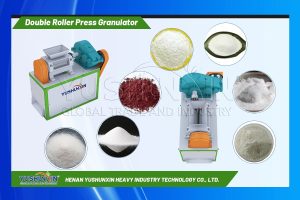
NPK Materials for Double Roller Extruder

How Does a 30 T/H Production Capacity Enhance Efficiency?

Adopting a 30 T/H production capacity significantly improves operational efficiency. This scale allows manufacturers to meet high demand without sacrificing product quality. A robust production line can efficiently handle the complexities of granulation, from initial raw material preparation to final product packaging.

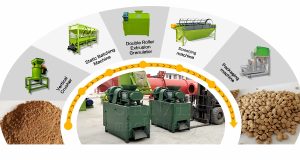
Modern machinery plays a vital role in this process. For example, a loader type feeder efficiently introduces raw materials into the system, while a crane crusher prepares them for granulation by reducing particle size. Subsequently, a horizontal mixer ensures even distribution of nutrients before the double roller extrusion granulator compacts the mixture into granules. This combination enhances the overall output, providing a steady supply of quality fertilizers.

What Equipment Features Support Effective Granulation?

In the context of granulation, the specific features of machinery greatly influence the production outcome. The double roller extrusion granulator, for instance, utilizes a unique pressing mechanism to compact raw materials, transforming them into high-density pellets. This dry granulation process maximizes nutrient retention, ensuring that the end product provides optimum performance.

Following the granulation stage, a rotary screening machine separates the granules based on size, ensuring uniformity in the final product. This aspect is crucial for maintaining quality standards across batches. Finally, an automatic packaging scale efficiently collects and packages the granules, streamlining the distribution process.

Equipment Selection of Simple NPK Fertilizer Extrusion Granulation Line

Why Choose Advanced Machinery for NPK Fertilizer Production?

Investing in advanced machinery, such as a double roller granulator and efficient mixers, enhances the overall production process. With the 30 T/H capacity, manufacturers can efficiently manage large volumes, ensuring that they meet customer needs swiftly and reliably.

Operational efficiency leads to lower production costs and higher profitability. Additionally, high-quality granules produced through precise machinery attract a wider customer base. Companies find that improving production equipment results in better granulation outcomes, ultimately fostering business growth.

Conclusion

Selecting a 30 T/H NPK fertilizer solution presents numerous advantages for businesses focused on producing high-quality fertilizers. The right raw materials, combined with efficient machinery, ensure that production processes meet the diverse needs of various industries. The integration of effective equipment like double roller extruders, mixers, and screening machines enhances granulation while optimizing productivity. For companies aiming to enhance their manufacturing capabilities, considering reputable equipment manufacturers can provide essential insights and tailored solutions, ensuring the success of their production endeavors. You can visit: https://www.extruder-granulator.com/30-t-h-roller-press-granulation-production-line/

Процесс гранулирования органических удобрений с использованием новой грануляторной машины: метод влажного шнекового гранулирования

С увеличением спроса на экологически чистое и устойчивое развитие в современном сельском хозяйстве, технология производства органических удобрений постоянно совершенствуется. На этом фоне мы разработали новый гранулятор для органических удобрений, который использует метод влажного шнекового гранулирования, обеспечивая более эффективное и стабильное решение для производства органических удобрений. В этой статье подробно описан процесс этой технологии в гранулировании органических удобрений.

Гранулятор-органических-удобрений

#### 1. Выбор и подготовка сырья

Сырье для органических удобрений обычно включает навоз сельскохозяйственных животных, солому, кухонные отходы и т.д. Чтобы адаптироваться к процессу влажного шнекового гранулирования, это сырье должно пройти предварительную обработку: сначала сырье измельчается до равномерной зернистости; затем, посредством ферментации, уменьшается содержание влаги и вредных веществ, одновременно повышая содержание органических веществ. После ферментации сырье должно иметь соответствующую влажность, чтобы способствовать дальнейшему процессу гранулирования.

#### 2. Принцип влажного шнекового гранулирования

Гранулятор с влажным шнековым гранулированием использует механическое действие шнеков, чтобы превратить влажное сырье в равномерные гранулы. Процесс работы следующий:

– **Подача и предварительное смешивание**: Предварительно обработанное сырье подается в камеру смешивания гранулятора. В это время шнеки начинают вращаться, обеспечивая предварительное смешивание сырья за счет механического воздействия.

– **Формирование гранул**: В процессе непрерывного вращения шнеков смешанное сырье постепенно превращается из мелких частиц в более крупные гранулы. Регулируя скорость работы машины и добавляя соответствующее количество воды, гранулы быстро достигают идеального размера и формы.

– **Формирование и уплотнение**: В процессе формирования гранул механическое сжатие и смешивание усиливают плотность и стабильность гранул, обеспечивая их целостность в дальнейшем процессе обработки.

#### 3. Сушка и охлаждение гранул

Гранулы после гранулирования обычно содержат высокое количество влаги, поэтому они должны быть высушены. Через сушильный аппарат влага из гранул быстро испаряется до требуемого уровня. Затем гранулы проходят через охлаждающее устройство, чтобы гарантировать их твердость и прочность.

#### 4. Сортировка и упаковка

Охлажденные гранулы подаются в сортировочное оборудование для удаления некондиционных гранул. Эти некондиционные части будут переработаны. Качественные гранулы проходят через процесс упаковки, взвешиваются и герметично упаковываются, после чего отправляются на склад для хранения в ожидании продажи и использования.

#### 5. Применение и преимущества

Гранулы органических удобрений, произведенные с использованием гранулятора влажного шнекового гранулирования, имеют правильную форму и равномерное содержание питательных веществ, что делает их подходящими для различных сельскохозяйственных нужд. Данная технология гранулирования не только увеличивает эффективность использования органических удобрений, но и значительно уменьшает потребление энергии и загрязнение окружающей среды в процессе производства.

#### Заключение

Внедрение технологии влажного шнекового гранулирования предоставляет эффективное и экологически чистое решение для производства органических удобрений. Наш новый гранулятор для органических удобрений, оптимизируя процесс гранулирования, одновременно обеспечивает качество продукции и поддерживает зеленое развитие сельского хозяйства. В будущем, с дальнейшими инновациями и расширением применения, эта технология будет играть ключевую роль во многих областях. Для получения дополнительной информации о новых органических удобрениях посетите:https://www.sxmashina.com/novyy-granulyator-organicheskikh-udobreniy/


Analysis of Production Costs for Bio Fertilizers: Key Factors and Economic Feasibility Assessment

In recent years, the use of biofertilizers has gained popularity as a sustainable alternative to chemical fertilizers in agriculture. Biofertilizers are organic materials that contain living microorganisms, which can help improve soil fertility and plant growth. However, before investing in biofertilizer production lines, it is crucial to evaluate the economic viability of such ventures. Calculating the true bio fertilizer production cost involves considering various factors to ensure a successful and profitable operation.

1. Initial Investment Costs:
The first step in evaluating the economic viability of biofertilizer production lines is to assess the initial investment costs. This includes expenses for acquiring land, building facilities, purchasing equipment, and obtaining necessary permits and certifications. It is essential to budget for these costs accurately to avoid cost overruns and delays in production. You can tell YUSHUNXIN your production ideas and budget, and we will provide you with a reasonable biofertilizer production plan.

2. Operational Costs:
Once the production line is established, ongoing operational costs must be accounted for. This includes expenses for raw materials, labor, utilities, maintenance, and transportation. Understanding and managing these costs are crucial for maintaining profitability and competitiveness in the market. Click there for get detailed cost.

biofertilizer production line

3. Market Demand and Pricing:
Assessing market demand for biofertilizers and setting competitive pricing strategies are essential for the economic success of production lines. Conducting market research to understand customer preferences, trends, and competitors can help in making informed decisions about production volumes and pricing structures.

4. Quality Control and Compliance:
Ensuring the quality of biofertilizers and complying with regulatory standards are critical factors in calculating the true cost of biofertilizer production. Investing in quality control measures, testing procedures, and compliance with environmental regulations can help maintain product integrity and reputation in the market.

5. Return on Investment (ROI):
Ultimately, evaluating the economic viability of biofertilizer production lines involves calculating the return on investment. This includes forecasting revenues, analyzing profitability margins, and determining payback periods. It is essential to conduct thorough financial analysis and projections to assess the long-term sustainability and profitability of the business.

In conclusion, evaluating the economic viability of biofertilizer production lines requires a comprehensive understanding of various factors, including initial investment costs, operational expenses, market demand, quality control, and return on investment. By carefully considering these factors, businesses can make informed decisions and ensure the success of their biofertilizer production ventures. If you want to know more cost of biofertilizer plant, please visit:https://www.biofertilizerproduction.com/product/biofertilizer-plant-cost/