What Is the Cost of Setting Up a Fertilizer Granulation Plant

When you start planning a fertilizer project, the equipment price is often the first number you want to know. However, the total investment usually depends on more than one machine. Your raw materials, production capacity, fertilizer formula, workshop conditions and automation level all influence the final configuration.

Instead of looking at a single price, you can first understand which parts of the project affect the overall cost.

What Determines the Initial Equipment Investment?

The first factor is your production target. A small project supplying local farms may need a simpler setup, while a commercial fertilizer business with stable market demand may require a larger production route.

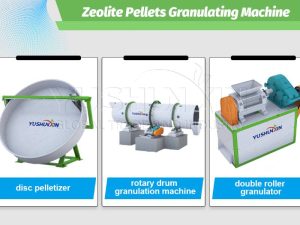
The core equipment selection also changes the investment range. For example, a fertilizer granulator machine may use different granulation methods depending on your material characteristics and product requirements. Different designs influence capacity, energy consumption and supporting equipment.

Raw materials are another important point. Organic waste, compost and chemical fertilizer materials behave differently during processing, so the equipment arrangement needs to match the material flow.

How Does Your Fertilizer Type Affect the Project Cost?

Your final fertilizer product often decides the processing route. If you are handling manure, compost or agricultural waste, an organic fertilizer granulation plant may include crushing, mixing, granulation, drying, cooling, screening and packaging sections.

For NPK or blended fertilizer production, the process can involve different feeding, mixing and granulation requirements. A compound fertilizer granulation plant can be designed around your formula, moisture content and expected output.

The more customized your fertilizer product becomes, the more attention needs to be given to process matching rather than only equipment quantity.
fertilizer pellet machine


Which Factors Increase or Reduce Operating Costs?

After installation, daily operation becomes another part of your project calculation. Energy use, labor requirements, maintenance access and spare parts availability can influence long-term expenses.

For larger projects, an industrial fertilizer granulation plant may include more automation to create a smoother production flow. Features such as automatic feeding, centralized control and integrated packaging can reduce manual handling during operation.

Your local conditions also matter. Available power supply, workshop space and material storage methods may change the final design.

How Can You Plan a More Suitable Fertilizer Granulation Project?

Before requesting a quotation, you can prepare several basic details: your raw material type, daily production target, fertilizer formula, available site area and expected packing method.

A professional fertilizer granulator supplier can then review these conditions and suggest a configuration closer to your actual needs.

The goal is not simply to choose the cheapest equipment. A well-matched granulation plant gives you a clearer production route and helps avoid unnecessary investment in unused functions.

If you want to learn more about equipment selection, process design and complete solutions, Click here for more details.

You can also review the complete fertilizer granulation solutions here: https://www.shunxin.eu/fertilizer-granulation-plant/

Is Your Packaging Process Optimized for Cost-Effectiveness? Our Palletizer Can Help!

It is essential for maintaining cost-effectiveness by optimizing operations. One area that often goes overlooked is the packaging process. Efficient and streamlined packaging not only reduces costs but also enhances productivity and customer satisfaction. SX packing machines will bring many benefits in your fertilizer production process and can help you achieve optimal cost-effectiveness.

Packing Machine
Packing Machine


1. Increased Productivity and Efficiency

Traditional manual palletizing processes are time-consuming and labor-intensive. By introducing a palletizer into your packaging line, you can significantly increase productivity and efficiency. Palletizers automate the task of loading products onto pallets, offering consistent and precise stacking patterns. With the ability to handle heavy loads and high volumes, a palletizer streamlines operations, reduces cycle times, and minimizes the need for manual labor, leading to improved overall productivity.

Automatic Palletizer


2. Cost Reduction through Labor Savings

Labor costs can be a significant portion of a company’s expenses. By implementing our automatic palletizer, you can reduce labor requirements in the packaging process. It eliminates the need for employees to manually stack, wrap, and load pallets, freeing them up for other value-added tasks. This not only reduces workforce expenses but also minimizes the risk of injuries related to manual handling. Investing in this machine is a cost-effective long-term solution that optimizes labor utilization and helps your business achieve higher profitability.

Automatic Packing Line


3. Enhanced Product Protection

Efficient packaging not only impacts cost-effectiveness but also ensures that your products reach customers in optimal condition. Automatic palletizers contribute to the overall protection of goods during transit. With their precision and consistency, they create stable and secure loads, minimizing the risk of product damage. By properly stacking and securing items, you can reduce the occurrence of product loss due to breakage or improper handling, safeguarding your reputation and customer satisfaction.


5. Scalability and Adaptability

As your business grows, scalability becomes crucial. Palletizers offer the advantage of scalability and adaptability to changing production needs. Whether you are dealing with increased volumes or new product lines, an efficient palletizing system can handle diverse load sizes, shapes, and weights. This flexibility allows you to quickly adapt to market demands and streamline your operations without major disruptions or costly investments.


Conclusion

Optimizing your packaging process is an integral part of achieving cost-effectiveness in your operations. The implementation of a palletizer can significantly enhance productivity, reduce labor costs, improve safety, protect products, and provide scalability and adaptability. By investing in the right palletizing solution, you can streamline your packaging operations, increase overall efficiency, and gain a competitive advantage in the market. Visit this website: https://www.fertilizerproductequipment.com/fertilizer-bagging-machine/ for more details!