Comparing Organic Fertilizer Plant Quotes: What Is Included in Your Budget

Have two suppliers quoted different totals for what looks like the same organic fertilizer plant? Before comparing prices, you can compare the boundaries of each offer. An organic fertilizer plant quotation breakdown helps you distinguish equipment prices from the wider cost of bringing your project into operation.

Start with the Same Production Brief

You can give each supplier identical information: feedstock type, moisture, planned output, working hours, and finished product. Are you processing fresh manure or purchasing mature compost? That distinction can change the preparation equipment under discussion.

Likewise, powder and granular products involve different process arrangements. You can review organic fertilizer process routes for quote comparison before requesting prices. Then ask suppliers to identify the stages they included, from receiving materials to filling bags.

Check What the Equipment Price Covers

Your organic fertilizer equipment supply scope can list each machine alongside its quantity, model, and connection points. Does the offer include conveyors, control cabinets, packaging equipment, and the proposed dust collection system?

A clear comparison also distinguishes standard equipment from optional additions. For example, one proposal may include automatic bag handling while another covers only weighing and filling. Asking for separate option prices gives you a clearer basis for discussion.

Separate Delivery from Installation

Where does the supplier’s responsibility end? Your organic fertilizer project installation budget can identify freight, unloading, foundations, electrical connections, erection, and commissioning as separate items.

Ask who provides local labour, lifting equipment, and site utilities. You can also clarify whether installation guidance means remote support or an engineer visiting your site. Record travel expenses, service duration, and training arrangements beside the equipment offer.
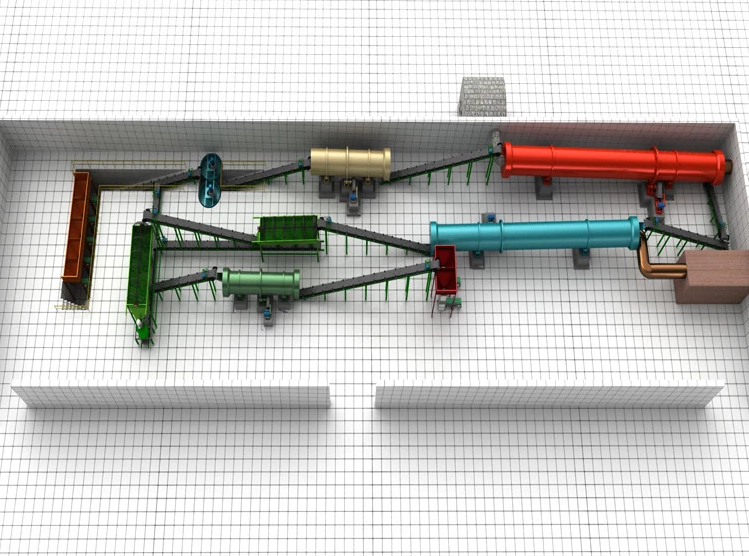
organic fertilizer granulation line

Compare the Cost of Running Your Line

A purchase price alone tells you little about a typical operating month. For organic fertilizer plant operating cost planning, request estimates for electricity, fuel where applicable, staffing, replacement parts, and packaging materials.

Then compare those estimates using the same feedstock and production schedule. What assumptions support the drying allowance? How many operating hours underpin the monthly figures? Keeping these assumptions visible makes differences between proposals easier to discuss without treating estimates as guarantees.

Turn Questions into a Comparable Offer

Your organic fertilizer production investment checklist can bring equipment, site work, services, and operating assumptions into one document. Add columns for included, excluded, optional, and awaiting clarification.

Finally, request a revised quotation after both sides agree on the scope. You can record the quotation date, currency, validity period, payment stages, and delivery assumptions for your purchasing team.

You can also ask how the supplier will demonstrate the agreed output during commissioning. Describing the test material and acceptance method gives both teams a practical reference for handover.

YUSHUNXIN’s cost guide discusses raw materials, product formats, capacity, automation, and environmental equipment. Click here for more details as you prepare your project brief.

For your next supplier discussion, explore https://www.shunxin.eu/organic-fertilizer-production-plant-cost/ and share the production scope behind your budget.

How Equipment Selection Affects the Cost of Your Organic Fertilizer Production Plant?

The organic fertilizer industry is thriving as more farmers and agricultural businesses turn to sustainable practices. One critical factor that significantly impacts the success and profitability of an organic fertilizer production plant is the selection of equipment. Understanding how equipment choices influence the organic fertilizer production plant cost is essential for anyone planning to enter this field or upgrade their existing facility.

What Raw Materials are Suitable for Organic Fertilizer Production?

Selecting the right raw materials is the first step in setting up an efficient organic fertilizer manufacturing process. Common materials suitable for organic fertilizer production include animal manure (such as cow dung, poultry manure, and pig slurry), agricultural wastes (like straw, husk, and grass), and industrial wastes (such as vinasse and sludge). These materials are rich in organic matter and nutrients, making them ideal for producing high-quality organic fertilizer granules or pellets. By accurately identifying and sourcing these raw materials, you can optimize the fermentation process and reduce overall production costs.

Organic Fertilizer Raw Materials

How Do Equipment Choices Influence Organic Fertilizer Production Plant Cost?

The selection of equipment plays a pivotal role in determining the organic fertilizer plant setup cost. Different machines not only vary in price but also affect the efficiency and quality of the fertilizer produced. For instance, choosing a suitable granulator is crucial. Options like the disc granulator, flat die granulator, or new type organic fertilizer granulator each have unique features and advantages. A disc granulator is cost-effective and suitable for granulating materials with a broad particle size, while a flat die granulator excels in producing cylindrical pellets. On the other hand, the new type organic fertilizer granulator uses a wet granulation process, resulting in higher granule strength.

In addition to granulators, equipment like the compost turner machine is vital for the fermentation stage. It accelerates the composting process by uniformly mixing raw materials, thus improving efficiency. A crushing machine can reduce raw materials to the required particle size, enhancing the subsequent granulating process. Moreover, investing in a rotary drying machine can significantly reduce moisture content in the granules, ensuring stability and longevity of the organic fertilizer products.

By carefully selecting equipment that matches your production needs, you can minimize unnecessary expenses and decrease the organic fertilizer manufacturing plant cost. High-efficiency machinery may have a higher initial price but can lead to cost savings in the long run through reduced labor costs and increased production capacity.

Organic Fertilizer Plant Setup Scale

Conclusion

In conclusion, equipment selection is a critical factor that directly influences the cost and efficiency of an organic fertilizer production plant. By understanding the suitability of various raw materials and carefully choosing appropriate machinery such as granulators, compost machines, and drying equipment, you can optimize production processes and reduce costs. Partnering with a professional fertilizer equipment manufacturer like Yushunxin can provide expert guidance and high-quality machinery to help you establish a cost-effective and efficient organic fertilizer production facility. You can visit: https://www.fertilizerproductequipment.com/organic-fertilizer-production-plant-cost/