How Long To Compost Goat Manure

In natural conditions, composting goat manure, like composting other types of animal manure, can take several months to a year to fully decompose and become nutrient-rich compost. But for commercial goat manure fertilizer making, we need to compost goat manure quickly. The exact time it takes for goat manure to compost depends on various factors, including the size of the compost pile, the ratio of green (nitrogen-rich) and brown (carbon-rich) materials, and the environmental conditions.

Here are some general guidelines for composting goat manure:

  • Build a Compost Pile: Start by creating a compost pile. A pile that is at least 3 feet by 3 feet by 3 feet (1 cubic yard) is a good size for efficient composting.
  • Mix with Carbon-Rich Material: Goat manure is considered a “green” or nitrogen-rich material. To create balanced compost, mix the goat manure with carbon-rich “brown” materials such as straw, leaves, sawdust, or shredded newspaper. A common ratio is roughly 3 parts brown materials to 1 part green material. In addition, you can add some fermentation bacteria to speed up the sheep manure compost making process.
  • Turn and Aerated: Regularly turn or aerate the compost pile to provide oxygen to the microorganisms responsible for breaking down the organic matter. This helps speed up the decomposition process. Here, manual turning is not easy, especially for large scale manure fermentation. So it is advisable to buy a goat manure compost machine. Click here to learn more.
  • Maintain Moisture: Keep the compost pile consistently moist, but not waterlogged. Adequate moisture is essential for the decomposition process. Here, you can use fertilizer dewatering machine to remove water from goat manure. And sheep waste compost turner with water tank can add water during composting.
  • Temperature and Environment: Composting occurs faster at higher temperatures. If possible, place the compost pile in a sunny area to encourage microbial activity. A well-insulated compost bin or pile can help maintain higher temperatures, especially in colder climates.
  • Patience: Composting goat manure typically takes several months to a year to produce finished compost. The exact time can vary based on the conditions and materials used. With suitable process and compost equipment, it only needs 15 -30 days.
Goat manure compost making process

You can speed up the process by ensuring the right balance of materials, adequate aeration, and the right moisture levels. Using a compost thermometer to monitor the temperature can also be helpful. When the compost is dark, crumbly, and has an earthy smell, it’s a sign that the goat manure compost fertilizer is finished.

Remember to consider the composted goat manure as a valuable organic fertilizer and soil conditioner for your garden or plants, as it will be rich in nutrients and beneficial microorganisms. If you are interested in goat manure composting, you can visit https://www.manuremanagementplan.com/sheep-manure-compost/.

Tips for Poultry Manure Fertilizer Making

Poultry manure is a valuable organic resource that can be transformed into nutrient-rich fertilizer for improving soil fertility and promoting plant growth. The process of converting poultry manure into fertilizer requires careful attention and proper techniques to ensure its effectiveness and minimize environmental impacts. Here are some essential tips for poultry manure fertilizer making:

1. Proper Collection and Storage of Manure:

Effective poultry manure fertilizer production begins with proper collection and storage of the manure. It’s crucial to have well-designed poultry housing and waste management systems to prevent contamination and maintain the quality of the manure. Regular cleaning of the poultry facilities and proper segregation of manure from bedding materials contribute to a higher-quality end product.

2. Composting for Pathogen Reduction:

Composting is an essential step in poultry manure fertilizer production as it helps reduce pathogens, weed seeds, and odors. Combine the manure with carbon-rich materials like straw, leaves, or wood chips to create a balanced carbon-to-nitrogen ratio. Turn the compost regularly to ensure proper aeration and decomposition. The composting process generates heat that helps eliminate harmful microorganisms.

3. Monitoring Temperature and Moisture:

During composting, monitoring temperature and moisture levels is crucial. The ideal temperature range for composting poultry manure is between 130°F and 150°F (54°C to 65°C). Use a compost thermometer to track the temperature and adjust the moisture content to around 40-60%. Proper moisture and temperature control accelerate the breakdown of organic matter and facilitate the development of nutrient-rich compost.

4. Ensuring Nutrient Balance:

To create a balanced poultry manure fertilizer, it’s essential to consider the nutrient composition. Poultry manure is rich in nitrogen, phosphorus, and potassium, but its nutrient content can vary based on factors such as bird diet and manure age. Conduct regular soil tests to determine the nutrient needs of your crops and adjust the manure application rates accordingly to avoid overloading the soil with certain nutrients.

5. Compost Curing and Maturation:

After the active composting phase, allow the poultry manure compost to cure and mature. This process further stabilizes the compost and reduces the risk of nutrient loss when applied to the soil. Curing usually takes a few weeks to several months, depending on local climate conditions. Turn the compost periodically during this phase to promote even maturation.

6. Granulation for Easy Application:

Granulating the composted poultry manure can make it easier to handle and apply. Granulation involves forming the compost into small, uniform pellets or granules. This not only enhances the nutrient distribution but also improves the convenience of application using machinery such as spreaders. The granules release nutrients slowly, promoting consistent plant growth over time. For this, you can choose SX disc pelletizer and rotary drum pelletizer machine.

7. Testing Fertilizer Quality:

Before applying the poultry manure fertilizer to your crops, it’s advisable to test its quality. Analyze the nutrient content of the fertilizer to ensure it meets the specific requirements of your plants. You can send samples to a reputable agricultural laboratory for comprehensive nutrient analysis. Adjust the application rates based on the lab results to achieve optimal plant nutrition.

8. Application Techniques:

When applying poultry manure fertilizer, adopt appropriate techniques to minimize nutrient runoff and maximize uptake by plants. Incorporate the fertilizer into the soil during planting or use top-dressing methods for established crops. Avoid direct contact with plant foliage to prevent burning and nutrient imbalances. Click here to learn more

9. Environmental Considerations:

While poultry manure fertilizer can greatly enhance soil fertility, its application should be carried out with environmental responsibility. Avoid over-application to prevent nutrient leaching into water bodies, which can lead to water pollution. Adhere to local regulations and guidelines for proper manure management to protect ecosystems and water quality.

10. Continuous Learning and Improvement:

Poultry manure fertilizer production is a dynamic process that can benefit from ongoing learning and improvement. Stay updated with the latest research and best practices in organic farming and nutrient management. Experiment with different composting techniques, application rates, and crop rotations to optimize the use of poultry manure as a valuable resource for sustainable agriculture.

In conclusion, poultry manure fertilizer making is a multi-step process that involves careful handling, composting, nutrient balancing, and responsible application. By following these tips, farmers and gardeners can effectively harness the potential of poultry manure to enhance soil health, increase crop yields, and contribute to a more sustainable agricultural system. If you need poultry manure composting, you can visit https://www.fertilizerproductionproject.com/poultry-waste-composting/.

Tips For Cattle Manure Fertilizer Manufacturing

Manufacturing fertilizer from cattle manure involves several steps to ensure the production of high-quality, nutrient-rich fertilizer while minimizing environmental impacts. Here are some tips to consider for cattle manure fertilizer manufacturing:

1. Raw Material Collection and Preparation:

Collect fresh cattle manure and any additional organic materials required for the composting or fermentation process.

2. Nutrient Management:

According to local crop requirements, determine the nutrient content and composition of the cattle manure fertilizer. And develop suitable manure management systems for cattle. For example, consider mixing the manure with carbon-rich materials (such as straw, sawdust, or leaves) to achieve the optimal carbon-to-nitrogen ratio for composting.

3. Composting or Fermentation:

Composting or fermenting the cattle manure is crucial to break down organic matter, reduce pathogens, and enhance nutrient availability.
Turn the compost pile regularly to provide oxygen and ensure even decomposition. Monitor temperature and moisture levels.

4. Quality Control:

Regularly test the compost for temperature, moisture, and nutrient content to ensure proper decomposition and maturity.
Adjust the composting process if necessary to achieve optimal results.

5. Granulation or Pelletization:

If producing granulated cow dung fertilizer, consider using cow manure granulation equipment to form uniform fertilizer granules.
Ensure that the granules are of consistent size and composition. Click here to learn more

6. Drying and Cooling:

If required, dry the granulated fertilizer to reduce moisture content and prevent caking.
Allow the fertilizer to cool before packaging is a tip for faster cow manure fertilizer production..

7. Packaging and Storage:

Package the finished fertilizer in appropriate containers, such as bags or bulk storage.
Store the fertilizer in a dry, cool, and well-ventilated area to prevent deterioration.

8. Environmental Considerations:

Implement proper odor control measures to minimize nuisance odors.
Ensure that runoff and leachate from the manufacturing process are properly managed to prevent pollution.

9. Compliance with Regulations:

Familiarize yourself with local regulations regarding composting, fertilizer production, and waste management.
Ensure that your manufacturing process adheres to these regulations.

10. Worker Safety:

Provide appropriate personal protective equipment (PPE) for workers involved in the manufacturing process, especially during compost turning and equipment operation.

11. Record Keeping:

Maintain detailed records of the manufacturing process, including raw materials used, composting/fermentation parameters, testing results, and application rates.

12. Continuous Improvement:

Continuously monitor and evaluate your manufacturing process to identify areas for improvement and optimize efficiency and product quality.

By following these tips, you can effectively manufacture high-quality fertilizer from cattle manure, contributing to sustainable agriculture practices and soil enrichment. If you need cow manure fertilizer making, you can visit https://www.fertilizerbusinessplan.com/manure-management-systems-for-cattle/ for more information.

How to Make Organic Fertilizer in New Type Organic Fertilizer Granulator?

Organic fertilizer is gaining popularity among gardeners and farmers due to its environmentally friendly nature and ability to enhance soil fertility. One effective method of producing organic fertilizer is by using a New Type Organic Fertilizer Granulator. This innovative equipment not only helps in converting organic materials into high-quality fertilizer granules but also ensures a sustainable and eco-conscious approach to farming. In this guide, we will take you through the step-by-step process of making organic fertilizer using a New Type Organic Fertilizer Granulator, complete with detailed instructions and important tips.

new type granulator for making organic pellets

Step 1: Gather Your Ingredients

Before you begin the process of making organic fertilizer, it’s crucial to gather all the necessary ingredients. Organic materials such as kitchen scraps, yard waste, livestock manure, and crop residues are excellent choices. These materials contain essential nutrients that, when processed, will enrich the soil and promote plant growth.

Step 2: Pre-Treatment of Organic Materials

To ensure that the organic materials are in the optimal condition for granulation, pre-treatment is necessary. This may involve shredding or crushing larger materials, such as branches or crop residues, into smaller pieces. Smaller particles are easier to granulate and result in more uniform fertilizer pellets.

Step 3: Mixing and Fermentation

Proper mixing and fermentation of organic materials are crucial for creating high-quality organic fertilizer. Mix the various materials in appropriate ratios to achieve a balanced nutrient content. This mixture should then be left to undergo a controlled fermentation process. Fermentation not only breaks down complex organic compounds but also helps eliminate harmful pathogens, ensuring the safety of the final fertilizer product.

Step 4: Drying the Fermented Mixture

After fermentation, the mixture may contain excess moisture. Drying the fermented material is essential to achieve the right consistency for granulation. Spread the fermented mixture in a thin layer and allow it to dry naturally under the sun. Alternatively, a mechanical dryer can be used to speed up the drying process.

Step 5: Granulation Process

The highlight of this guide is the use of the New Type Organic Fertilizer Granulator for creating fertilizer granules. This advanced equipment utilizes high-speed rotary mechanical stirring force, combining the dried organic materials with a binder. As the materials are mixed and stirred, they form into small granules.

Step 6: Curing the Granules

Once the granulation process is complete, the newly formed fertilizer granules need to be cured. Curing involves allowing the granules to rest and stabilize, ensuring that they maintain their shape and nutrient content. This step usually takes place in a controlled environment with proper ventilation to prevent moisture buildup.

Step 7: Screening and Packaging

After curing, the fertilizer granules should be screened to separate any oversized or undersized particles. The screened granules are then ready for packaging. Use environmentally friendly packaging materials to maintain the organic and sustainable theme of the fertilizer. Clearly label the packages with the nutrient content and usage instructions.

Step 8: Application of Organic Fertilizer

The final organic fertilizer product can now be applied to your garden or farm. Follow the recommended application rates based on the specific needs of your plants. Organic fertilizer improves soil structure, enhances nutrient retention, and promotes microbial activity, leading to healthier plants and increased yields.

Conclusion

Making organic fertilizer using a New Type Organic Fertilizer Granulator is a rewarding and eco-conscious way to enhance soil fertility and plant growth. By following these step-by-step instructions, you can produce high-quality organic fertilizer that nourishes your crops while minimizing environmental impact. Remember, organic fertilizers not only benefit your garden but also contribute to the overall health of our planet. If you want to make organic fertilizer in this machine, you can but a new type stirring granulator production line in your factory.

how to compost pig manure

Composting pig manure is an effective way to transform a waste product into a valuable resource. Pig manure is high in nitrogen, phosphorus, and potassium, making it an excellent source of nutrients for plants. However, it can also be a source of pollution if not managed properly. In this article, we will discuss the steps for composting pig manure to create a nutrient-rich soil amendment for your garden.

Aniaml Manure for Organic Fertilizer Production

Step 1: Collecting Pig Manure

The first step in composting pig manure is to collect it. Pig manure can be collected using a shovel or a manure scraper. It is important to collect only the manure and not the bedding material, as the bedding material will slow down the composting process. Pig manure can be collected in a pile or a bin. If collecting in a pile, it is recommended to turn the pile regularly to ensure proper aeration and decomposition.

Step 2: Preparing the Composting Site

The composting site should be located in a well-drained area and away from water sources, such as streams or ponds. The site should be sunny, as the heat from the sun will help to accelerate the composting process. The composting site should be level and have good air circulation. The site should be prepared by removing any grass or vegetation, and a layer of gravel or wood chips should be added to the bottom to aid in drainage.

Step 3: Building the Compost Pile

The compost pile should be built in layers, starting with a layer of dry, carbon-rich material such as straw or leaves. This layer should be about 6 inches thick. Next, add a layer of pig manure, about 2 to 3 inches thick. Repeat this layering process until the pile is about 3 to 4 feet tall. The top of the pile should be covered with a layer of straw or leaves to help retain moisture.

Step 4: Maintaining the Compost Pile

The compost pile should be kept moist but not wet. If the pile is too wet, it may become anaerobic, which will slow down the composting process and create an unpleasant odor. The pile should be turned regularly to ensure proper aeration and decomposition. The pile should be turned every 3 to 5 days, or when the internal temperature of the pile drops below 100°F. The internal temperature of the pile can be measured using a compost thermometer.

Step 5: Harvesting the Compost

The compost pile will be ready to harvest when it has decomposed into a dark, crumbly, soil-like material. This process can take anywhere from 6 to 12 months, depending on the size of the pile and the environmental conditions. To harvest the compost, the pile should be turned onto a tarp or into a wheelbarrow. Any large pieces of material should be removed, and the compost should be screened to remove any remaining debris.

Windrow Compost Turner

In conclusion, composting pig manure is an effective way to transform a waste product into a valuable resource. By following these simple steps, you can create a nutrient-rich soil amendment for your garden while reducing waste and preventing pollution. Remember to always wear gloves and wash your hands thoroughly after handling pig manure. Happy composting!

Of course, you can check this page for more details about the design and structure of the pig manure machine!

How to Compost Pig Manure

Issues To Consider When Selecting A Manure Fertilizer Machine

If you’re going to be buying a manure fertilizer machine, you’ll wish to take a number of things under consideration. You’ll want an improved understand of what you’re buying and what you ought to be looking for. These are a few things you’ll want to be aware of.

Compost Turners to Make Manure Compost

There Are Many Available Choices

There are many kinds of fertilizer machines, and it’s smart for more information in regards to the choices you might have prior to making any sort of commitment. Have you been thinking about machinery that may convert manure into fertilizer pellets? Just how much fertilizer are you looking to produce within the typical day?

Solid Liquid Seperator to Make Dewatering Manure Wastes

In the event you find out more about your alternatives, and if you think carefully about the thing you need from your equipment that you’re buying, you’ll be able to make a decision on machinery  to make fll use of the nutrient in the manure that will do exactly what exactly you need it to accomplish. There’s no reason to rush to produce a purchase. Instead, you should spend some time to explore different choices.

It’s Important To Find The Right Supplier

You’ll must find the proper fertilizer machine to get, and you’ll also need to make sure that you purchase that machine from the right spot. Try to find a supplier that may be dependable, and you ought to also look for a vendor that includes a large selection and fair prices. Here the author recommend you a manure fertilizer machine supplier, details about this supplier, go to https://manurefertilizermachine.com/

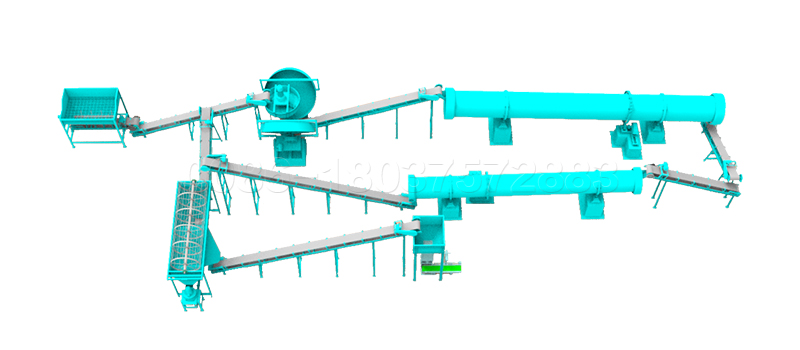
Complete Production Line to Make Granular Fertilizer from Manure Waste

Should you haven’t bought machinery this way from the supplier before, you’ll might like to do some research before making a decision on where to purchase your equipment from. You shouldn’t hesitate to contact a supplier directly should you need additional information before purchasing your manure disposal machinery.

Find Out More About Manufacturers

Together with taking a close look at the supplier you’re will be utilizing, it might be helpful for additional information in regards to the manufacturers that produced the machine you wish to buy.

Animal manure granulator

Certain manufacturers have got a track record of excellence, and if you buy machinery that they made, you’re probably going to be happy with your purchase. Other manufacturers are very likely to problems. In order to avoid these types of issues, it’s wise to seek out additional information ahead of time.

You Should Look Beyond Initial Costs

When you’re making an investment in equipment like this, it’s important to search for options that are affordable for you. However, you should know the upfront costs you’ll be paying aren’t really the only expenses that you’ll have to cover. It’s essential for you to pay attention to other expenses at the same time, such as utility costs and the price of maintenance.

Try to have a better feeling of just what it would cost to purchase a manure fertilizer machine. For those who have accurate specifics of what you’re will be paying, you’ll be able to spend your cash wisely and make up a smart purchase.

These are some of those things you’ll want to be aware of before getting a manure fertilizer machine. For those who have a definite picture of your own options, and also you make time to evaluate a number of your different choices, you’ll be capable of choose machinery that can work efficiently for you.

What You Need To Know About Trench Composting

The trench composting machine is a useful piece of equipment that can help you speed up composting production in many ways. When you work with the composting machine you can get more done and it is going to be easy to take care of all of your needs. This machine is easy to use and it is very effective so you want to make sure that you take advantage of it.

trench composting machine in tongda

The automatic trench composting machine works for any large scale operation. If you are making organic fertilizer you need this machine so you can get more done. When you use the machine it won’t take long to ferment the materials and it is a lot easier to deal with all of your issues.

If you are using the semi-automatic machine you can expect to pay a lower price but you also need more people to help run the machine. This is why it is very important to do your research so you end up choosing the machine that is going to work best for your needs and make things easier for you.

The machine is easy to use and it creates organic fertilizer that can be used for lots of purposes. The machine is very effective and it can make the compost quickly. Instead of taking months to make the compost you can get the compost made in just a few weeks.

The machine allows you to control all the different variables that go into making a lot of compost and it won’t take a long to get your compost made. This machine is very easy to use and it can help you make a lot of compost fast.

You can quickly cut down on the time it takes to produce the compost and it won’t be long to get the compost made up. You can quickly make all the compost you need with this machine. It is perfect for any large scale production and you can choose the size that is going to work best for your needs.

This compost fertilizer trench composting machine is very easy to use and you can easily take care of all of your needs with this machine. Take your time and look for a machine that is going to work best for your needs and make sure that you are willing to work with manufacturer which makes it a lot easier to find what you are looking for. This machine can make a big difference in how you get things done.

The machine is super easy to get set up and you can quickly get all of your needs taken care of when you use it. The machine can help you in multiple ways and you won’t have to deal with a lot issues when you invest in this machine. If you have to make a lot of compost it is going to be very important to invest in the right machine. Finding a good machine is crucial if you want to make a lot of compost. In addition, tongda compost machinery can help you design you compost fertilizer plant.

Why Does Fertilizer Need to Be Made in Pellet Form for Agriculture

Fertilizer is something that has been used in the production of crops, and the maintenance of fields, throughout history. Even ancient civilizations had an awareness that if you grew the same crops on a field year after year, yields would decline, and that manure was useful to ‘breathe life’ back into the soil.

Today, we rely on intensive farming methods and have huge fields of crops. Gathering, storing, transporting and applying manure in the quantities needed to keep those fields going would be impractical, expensive, and smelly, as well as potentially unhygienic!

The Use of Commercial Fertilizer Pellets

Fertilizer pellets offer a practical solution, making it possible to produce fertilizer potent enough to treat fields, in the form of convenient and easy to handle fertilizer balls or cylinders. These pellets contain the nitrogen and other nutrients that are required to sustain crops, but are low in moisture (and therefore odor) and are easier to handle and transport.

Since the pellets are dry, they are more hygienic to handle with dry granulaor. They also take up less volume than the equivalent ‘dose’ of wet fertilizer to treat a field and weigh less too. This makes them ideal for large scale applications.

Slow Release and Controlled Dose

Another benefit of pellet form fertilizers for agricultural use is that it is possible to produce slow-release nitrogen fertilizers, that will give out a controlled dose as they are broken down. This is far superior to the ‘spread and hope’ method of using manure. It also gives farmers some degree of control over the waste byproducts that fertilizing their fields produces.

Pellets vs Liquid Fertilizers

Pan Pelletizer
Pan Pelletizer

Liquid fertilizers have long been used as a substitute for manure, and liquids do have some benefits too, since they are easy to handle and easy to apply. Liquid fertilizers, however, require special equipment to use, and they are susceptible to damage and decay. Liquid fertilizer needs to be applied frequently for best results, and if the doses are incorrect then they can actually damage plants.

In contrast, it is easier to store and apply pellets, and you do not need to apply them as often as you would need to spray liquids. Pellet fertilizers offer a relatively uniform dose (although not as precise as you could theoretically get with liquids.

Pellet fertilizers by granulation equipment are good for ensuring that crops get access to nitrogen, but you should make sure that the pellets are not rich in salt, because that can damage leaves. In addition, you will still need to monitor the soil for the levels of phosphorus and other nutrients which need to be transported in water to reach the roots of the plants.

Making Your Own Fertilizer

Today, it is relatively easy for farmers to make their own fertilizer using pan granulation machines. If you are involved in a large scale agricultural operation then you should consider doing this, so that you can enjoy the benefits of having easy to transport and store fertilizer to treat your fields with as and when it is needed.

How To Make Animal Manure Compost?

One of the best ways to deal with animal manure is to turn it into compost. This compost can be used in a variety of ways and you can easily improve the soil quality when you use it. The compost is cheap to make and it removes manure from the environment. Read on to learn the benefits of the manure compost machine.

When you have a lot of animal manure to deal with it is going to be important to get it out of the environment right away. The best way to do this is to establish a good manure composting plant.

The composting plant takes the manure and turns it into compost. The compost is the perfect thing you need when you want to make extra money and do something useful. The best compost is going to be affordable and it is going to be easy to use.

You have to make sure that you invest in a machine that helps you produce the manure compost. The composting plant comes in a variety of sizes and it creates compost that is perfect for a variety of needs.

Groove type turner machine works for trench manure composting

Producing compost is easy when you have the right composting plant. The plant makes the entire process automatic so you don’t have to do anything. When you are choosing a composting plant you have to decide how much composting you are going to be doing. The manure fertilizer machine plant comes in a variety of sizes.

The benefit of choosing the composting machine is that it shortens the amount of time it takes to make the compost. You end up with high-quality compost when you use this machine. There are a variety of machines you can use from so you have to decide which machine is going to work best for your needs.

There are a variety of sizes to choose from. If you have to make a lot of compost choose the larger size. If you don’t have a lot of compost to make you will want to choose the machine that is smaller. The price of the machine is going to depend on how large it is and how much compost it can produce. It is suitable for your animal manure recycling system.

Each machine has a self-propelled turner. This ensures that you make the compost faster. The turner stirs the compost evenly so it comes out perfect each time. The machines allow you to adjust the temperature and you can also adjust the water and oxygen content.

Self-propelled windrow turner machine for manure compost making

The fermentation process is going to happen faster and you get a simple four-wheel design which makes it easy to operate. The machine is going to allow you to create all of the compost you need and the price is affordable as well.

When you need to make animal manure compost the most efficient way to do this is using a composting machine. You get better results in a shorter period of time. This machine is a great investment and helps you to make more money. Having the best composting machine saves you money.