When you start planning a fertilizer project, the equipment price is often the first number you want to know. However, the total investment usually depends on more than one machine. Your raw materials, production capacity, fertilizer formula, workshop conditions and automation level all influence the final configuration.
Instead of looking at a single price, you can first understand which parts of the project affect the overall cost.
What Determines the Initial Equipment Investment?
The first factor is your production target. A small project supplying local farms may need a simpler setup, while a commercial fertilizer business with stable market demand may require a larger production route.
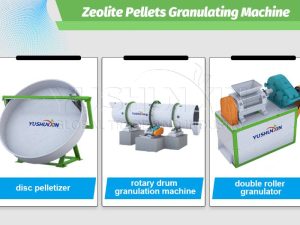
The core equipment selection also changes the investment range. For example, a fertilizer granulator machine may use different granulation methods depending on your material characteristics and product requirements. Different designs influence capacity, energy consumption and supporting equipment.
Raw materials are another important point. Organic waste, compost and chemical fertilizer materials behave differently during processing, so the equipment arrangement needs to match the material flow.
How Does Your Fertilizer Type Affect the Project Cost?
Your final fertilizer product often decides the processing route. If you are handling manure, compost or agricultural waste, an organic fertilizer granulation plant may include crushing, mixing, granulation, drying, cooling, screening and packaging sections.
For NPK or blended fertilizer production, the process can involve different feeding, mixing and granulation requirements. A compound fertilizer granulation plant can be designed around your formula, moisture content and expected output.
The more customized your fertilizer product becomes, the more attention needs to be given to process matching rather than only equipment quantity.
Which Factors Increase or Reduce Operating Costs?
After installation, daily operation becomes another part of your project calculation. Energy use, labor requirements, maintenance access and spare parts availability can influence long-term expenses.
For larger projects, an industrial fertilizer granulation plant may include more automation to create a smoother production flow. Features such as automatic feeding, centralized control and integrated packaging can reduce manual handling during operation.
Your local conditions also matter. Available power supply, workshop space and material storage methods may change the final design.
How Can You Plan a More Suitable Fertilizer Granulation Project?
Before requesting a quotation, you can prepare several basic details: your raw material type, daily production target, fertilizer formula, available site area and expected packing method.
A professional fertilizer granulator supplier can then review these conditions and suggest a configuration closer to your actual needs.
The goal is not simply to choose the cheapest equipment. A well-matched granulation plant gives you a clearer production route and helps avoid unnecessary investment in unused functions.
If you want to learn more about equipment selection, process design and complete solutions, Click here for more details.
You can also review the complete fertilizer granulation solutions here: https://www.shunxin.eu/fertilizer-granulation-plant/


