Biochar and chicken dung as fertilizer

As the global population continues to grow, the demand for sustainable agricultural practices becomes increasingly pressing. In the pursuit of greener alternatives, the use of biochar fertilizer has emerged as a promising solution. This blog post aims to tell you the potential of biochar and chicken dung as a sustainable fertilizer, focusing specifically on its role in improving soil health and promoting crop growth.
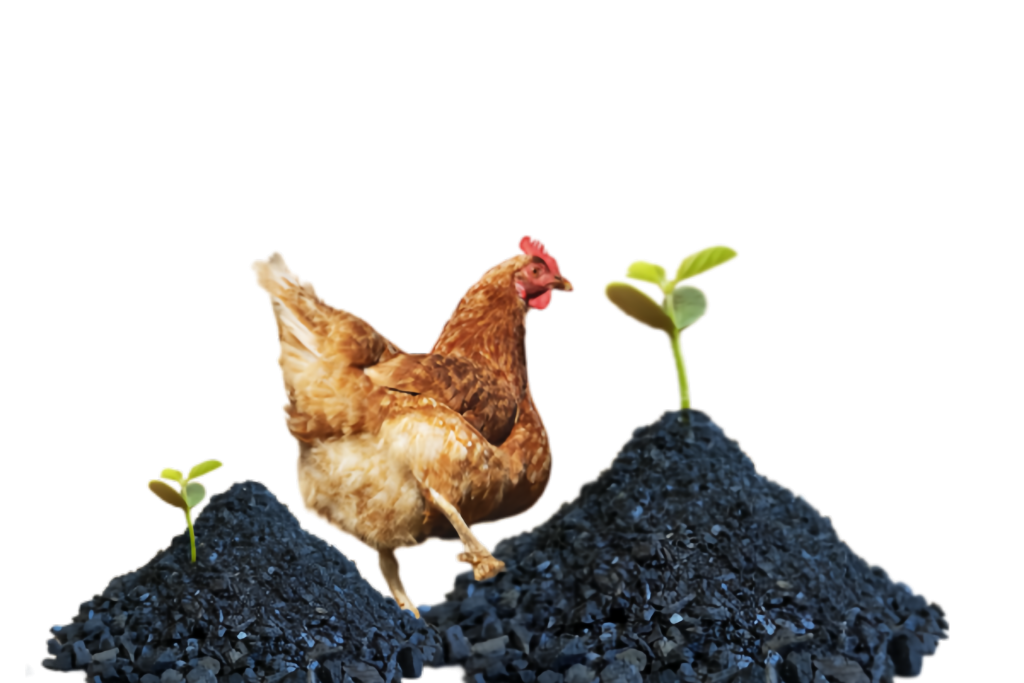
biochar and chicken dung

What is Biochar?

Biochar is a carbon material from the pyrolysis of chicken dung and other organic materials, This carbonization process transforms these materials into a stable, highly porous substance that can be applied to improve soil fertility.

Benefits of Biochar Fertilizer

 Enhanced nutrient retention:

Biochar has a high cation exchange capacity, allowing it to adsorb and retain essential nutrients in the soil, making them more accessible to plants.

Improved water holding capacity:

The porous structure of biochar helps retain water, reducing the need for frequent irrigation and increasing drought resistance.

pH regulation:

Biochar acts as a buffer, stabilizing soil pH levels and creating optimal conditions for nutrient absorption.

Soil structure enhancement:

By improving soil aggregation, biochar enhances soil aeration, drainage, and root penetration, facilitating healthier plant growth.
biochar fertilizer
biochar fertilizer

Chicken Dung as a Feedstock for Biochar Production

The Potential of Chicken Dung

Chicken dung, can be utilized as a fertilizer with biochar. Its abundance and availability make it a sustainable and cost-effective option for farmers.

Biochar Production Process

  1. Feedstock preparation: Collect chicken dung and separate it from any non-organic contaminants.
  2. Pyrolysis: Heat the chicken dung in a controlled environment, without oxygen, to transform it into biochar.
  3. Cool down and storage: Allow the biochar to cool down and store it in a dry area to retain its quality.

If you want to learn more, you can click here to learn about.

Implementing Biochar Fertilizer

Application Methods
  1. Surface application: Spreading biochar evenly across the soil surface and incorporating it to a depth of a few inches.
  2. Seed coating: Coating seeds with biochar before planting to provide initial contact between the emerging roots and biochar particles.
  3. Composting: Mixing biochar with chicken dung compost to enhance fertilizer nutrient content and improve soil organic matter.

Conclusion:

As we strive for sustainable agricultural practices, exploring alternative fertilizers like biochar can play a crucial role in enhancing soil health, improving crop productivity, and mitigating climate change. By utilizing biochar made from readily available fertilizer like chicken dung, farmers can embrace a greener approach to agriculture while reducing waste and improving overall sustainability. Let us foster a future where biochar fertilizer becomes an integral part of global agricultural systems, ensuring a greener and more prosperous world. What’ more, you can click https://www.charbasedfertilizermachine.com/product/chicken-dung-and-biochar-as-fertilizer/ this page to view more.


how to compost pig manure

Composting pig manure is an effective way to transform a waste product into a valuable resource. Pig manure is high in nitrogen, phosphorus, and potassium, making it an excellent source of nutrients for plants. However, it can also be a source of pollution if not managed properly. In this article, we will discuss the steps for composting pig manure to create a nutrient-rich soil amendment for your garden.

Aniaml Manure for Organic Fertilizer Production

Step 1: Collecting Pig Manure

The first step in composting pig manure is to collect it. Pig manure can be collected using a shovel or a manure scraper. It is important to collect only the manure and not the bedding material, as the bedding material will slow down the composting process. Pig manure can be collected in a pile or a bin. If collecting in a pile, it is recommended to turn the pile regularly to ensure proper aeration and decomposition.

Step 2: Preparing the Composting Site

The composting site should be located in a well-drained area and away from water sources, such as streams or ponds. The site should be sunny, as the heat from the sun will help to accelerate the composting process. The composting site should be level and have good air circulation. The site should be prepared by removing any grass or vegetation, and a layer of gravel or wood chips should be added to the bottom to aid in drainage.

Step 3: Building the Compost Pile

The compost pile should be built in layers, starting with a layer of dry, carbon-rich material such as straw or leaves. This layer should be about 6 inches thick. Next, add a layer of pig manure, about 2 to 3 inches thick. Repeat this layering process until the pile is about 3 to 4 feet tall. The top of the pile should be covered with a layer of straw or leaves to help retain moisture.

Step 4: Maintaining the Compost Pile

The compost pile should be kept moist but not wet. If the pile is too wet, it may become anaerobic, which will slow down the composting process and create an unpleasant odor. The pile should be turned regularly to ensure proper aeration and decomposition. The pile should be turned every 3 to 5 days, or when the internal temperature of the pile drops below 100°F. The internal temperature of the pile can be measured using a compost thermometer.

Step 5: Harvesting the Compost

The compost pile will be ready to harvest when it has decomposed into a dark, crumbly, soil-like material. This process can take anywhere from 6 to 12 months, depending on the size of the pile and the environmental conditions. To harvest the compost, the pile should be turned onto a tarp or into a wheelbarrow. Any large pieces of material should be removed, and the compost should be screened to remove any remaining debris.

Windrow Compost Turner

In conclusion, composting pig manure is an effective way to transform a waste product into a valuable resource. By following these simple steps, you can create a nutrient-rich soil amendment for your garden while reducing waste and preventing pollution. Remember to always wear gloves and wash your hands thoroughly after handling pig manure. Happy composting!

Of course, you can check this page for more details about the design and structure of the pig manure machine!

How to Compost Pig Manure

How to use organic fertilizer fermentation tank to compost in your production line

Organic fertilizer fermentation tanks are useful tools for composting organic materials into nutrient-rich fertilizers. Here are the basic steps for using an organic fertilizer fermentation tank in your production line.


Choose your materials

The first step in using an organic fertilizer fermentation tank is to choose the materials you will compost. This can include kitchen scraps, yard waste, and other organic materials. It’s important to ensure that your materials are free of contaminants and that you have a good balance of carbon-rich and nitrogen-rich materials.


Load the tank

Once you have your materials, load them into the fermentation tank. It’s important to fill the tank to the recommended level, as overfilling can prevent proper airflow and hinder the composting process in your fertilizer production line.

Add a starter

To help jumpstart the composting process, add a starter to the tank. This can include composted material by windrow compost turner in SX, animal manure, or a commercial compost starter.


Monitor the temperature

Composting generates heat, and it’s important to monitor the temperature inside the fermentation tank to ensure that it stays within the ideal range. This can typically range between 120-160°F (49-71°C), depending on the materials being composted.


Mix the materials

Periodically mixing the manure materials in the fermentation tank can help promote even decomposition and prevent the formation of hotspots that can slow down the composting process.


Wait for the compost to mature

Depending on the materials being composted and other factors such as temperature and humidity, the compost can take anywhere from several weeks to several months to mature. Once the compost is fully decomposed and has a dark, crumbly texture, it’s ready to use. Click to read more.


Remove the compost

When the compost is ready, it can be removed from the fermentation tank and used as a nutrient-rich fertilizer for your plants.

Overall, using an organic fertilizer fermentation tank can be a highly effective way to turn organic materials into valuable fertilizer. By following these basic steps, you can optimize the composting process and produce high-quality compost for your production line. Therefore, you can visit https://www.fertilizerproductionproject.com/organic-fertilizer-fermentation-tank/ for your reference.

Finding The Optimum Organic Waste Fertilizer Machine Manufacturer

If you’re seeking to get a high-quality organic waste fertilizer machine, it’s wise to pay close attention to the maker that made that machine. Your primary goal must be to look for a dependable manufacturer that produces the sort of equipment you need. How can you get the best brands? Keep these tips in mind if you’re looking to determine who you should purchase from.

Do Your Research

One can learn quite a lot about the manufacturers that produce this type of equipment in the event you research these firms independently. Take time to identify a number of the manufacturers that supply sx machinery you’re enthusiastic about. From there, you’ll want to learn more about these brands.

Pan Granulation Fertilizer Production Line from SX

You can get a great deal of information regarding a manufacturer by just visiting the company’s website. In case you are investigating a brand, one of the things you’ll desire to pay especially close focus on is how long the corporation continues to be operating. Ideally, you’ll want to use a firm which has been producing equipment like this for years or even more.

Speak To Your Colleagues

If you have colleagues which may have dedicated to equipment such as this recently, you’ll wish to consult with them to see once they can present you with any kind of advice. When they have had positive experiences by using a brand, they can suggest that you look more closely at this brand down the road.

Fertilizer Granules made by the granulation plant

Have an open conversation with colleagues as to what you would like. If anyone has valuable specifics of these brands, they’ll be capable of pass it along to you personally, which will enable you to make a knowledgeable purchasing decision in organic fertilizer production line selection.

Find Out If The Company Delivers A Guarantee

Some manufacturers offer some form of protection or guarantee on the products which they sell. If you’re capable of buy from a manufacturer that offers a warranty like that, (sx is the one you can rely on) you should take advantage of the opportunity.

Having addition protection can give you assurance. It’s a way to guarantee that you’re protected even though something goes wrong with the equipment that you’re buying. Learn more about the protection a manufacturer is willing to offer you prior to deciding if you’re comfortable buying from their website.

Glance At The Brands Carried By Trusted Vendors

You’ll want to make sure that the producer that produced the fertilizer machine you’re buying lives approximately your standards of quality. In addition to that, you’ll want to make sure you’re purchasing that machine from your vendor that you’ll be able to be determined by.

Check out trustworthy vendors having an excellent reputation. See what types of brands these vendors are carrying. If you notice how the top vendors are typical carrying a specific brand, that manufacturer is a that you’ll wish to take a closer inspection at.

Finding the optimum organic waste fertilizer machine manufacturer is definitely worth any additional effort. If you’re able to buy reliable machinery, you’ll have fewer problems later on. Be sure you have zero regrets concerning this purchase. More details on fertilizer machine selection, welcome go to https://fertilizerproductionlines.com/

How to Choose a Reliable Manufacturer to help make Organic Fertilizer Pellets

Trying to find a reliable manufacturer to produce organic fertilizer pellets? You have come to the right place! It is hard to select the right manufacturer because there are so many manufacturers to pick from. Unfortunately, a number of these manufacturers are untrustworthy, unreliable, inexperienced, and also have poor customer support. Deciding on the best manufacturer provides you with satisfaction, helps you save money, and you will get high-quality organic fertilizer pellets

Organic fertilizer pellet polishing machine

Here is how to find a reliable manufacturer to produce organic fertilizer pellets.

Experience

Firstly, you must know the knowledge of such manufacturers. The ideal manufacturers are already making organic fertilizer pellets for several years. And they hire experienced employees. However, some manufacturers do not possess any experience. Choose experienced manufacturers as they are more reliable.

Reputation

Secondly, examine the trustworthiness of the manufacturer. The reason being some manufacturers have a few years of experience, but they have a bad reputation. Reputable manufacturers are the most useful simply because they make excellent organic fertilizer pellets. A lot of people love reputable manufacturers mainly because they have good customer care. Here is a organic pellet machine manufacturer, who is a dedicate feilizer plant deisgner you can take a look, welcome  to https://fertilizerplantdesigner.com/

Price

Exactly how much does the company charge to create organic fertilizer pellets? Comparing the cost of different manufacturers may help you choose an affordable manufacturer. You desire a manufacturer which fits your budget. So, make them inform you the exact amount they charge to help make organic fertilizer pellets. Then, go with a manufacturer which fits your financial allowance.

Check Around

Fourthly, asking around is probably the fastest methods for choosing a reliable manufacturer to produce organic fertilizer pellets. Talk to folks this industry. They might used different manufacturers. So, they may recommend manufacturers they have got enjoyed a good exposure to. It is possible to choose one of these simple manufacturers.

The Net

Moreover, you can use the net for the greatest manufacturers. Nowadays, it is difficult to find a manufacturer that is not going to use the web to market themselves. It is possible to check out the websites and testimonials of the manufacturers. Select a manufacturer with good online reviews. Do not decide on a manufacturer that lacks a web-based presence.

Visit Local Manufacturers

Additionally, if there are actually manufacturers in your area, you can check out them. You will see a little more about these manufacturers by looking at them. You can expect to speak with their employees. And you could negotiate the values. Ask them questions. If their employees will answer your questions without the hesitation, you can choose that manufacturer.

Tour the Facility

Last, although not least, to learn in case the manufacturer could make the organic fertilizer pellets, tour the facility. In case the manufacturer is not going to enable you to tour their facility, which is a red flag. Reliable manufacturers are transparent with their prospective customers. They gives you a tour with their facility. You will understand if they can handle your order.

You know how to purchase a reliable manufacturer to make organic fertilizer pellets. It will require time and a lot of effort to get the right manufacturer. Therefore, usually do not rush to select a manufacturer. Do proper research if you would like find the best manufacturers with a long period of experience. Choosing the right manufacturer will give you satisfaction.

Different Kinds Of Raw Materials Utilized For Making Organic Fertilizers

The globe is radically changing, and many people want to take care of the advancing technological developments in the agricultural industry. However, a number of these changes may be unhealthy for environmental surroundings ultimately causing a food crisis soon. It can be essential to use substances which can be friendly in your farms like organic fertilizers to preserve healthy soils for sufficient food production. Organic fertilizers needs to be less dense compared to their mineral counterpart to aid the arising of issues like soil erosion. Therefore, components that primarily help with production needs to be very gentle to the soil. Some of these materials are the following.

Groove type turner machine works for trench manure composting

Animal Manure.

Manure from animals may be the waste which comes from farm animals like chicken, cows, pigs, as well as goats, dependant upon everything you keep. The feces are crucial because it helps in adding the basic organic matter and nutrients. These factors of fertilizers include nitrogen, which can be utilized by fungi, bacteria, as well as other vital organisms contained in the soil. After that incorporation, higher plants in the ground then feed on these substances in chain making up life usually from the name soil food web. Want to know how animal manure becomes fertilizer, go here.

Municipal Sludge.

Sludge can be a product of sewage treatment plants and comes around if you have complete removal of all waste and solid materials. This sewage may also be from wastewater also. After the removal of the non-essential elements, the sludge will then be taken for processing in sorts of digestion, denaturing, and later on for disposal. At this time, the main mode of destruction will be spilling in plentiful water, masses that happen to be an environmental degradation. Hence the sludge, which happens to be rich in organic matter and nutrients, becomes great for making organic fertilizers. Other essential elements are N, P, K, AND Zn, and others.

Industrial Waste.

Most manufacturing industries have waste which they eliminate in fact their productions. However, the disposing of this waste is actually a challenge plus quite costly. Mineral fertilizer productions have a considerable boost when it comes to nutrients if only there is certainly additional incorporation of industrial waste from the production. This kind of material is tremendously available, with the overwhelming varieties of industries in the world.

Household garbage.

The treatments for household waste had been evolving overtime rapidly. With all the many mushrooming households, you will find a guarantee that it raw material for organic fertilizers is not going to use up all your stock. The researcher can agree that this sort of waste has nutrients that assist the soil in retaining water, improving in the texture, and gives an over-all improvement in the nutrients level.

Agricultural Residue.

Crops residue from farms includes a significant effect on the soil hence the frequent use of it within the making of organic fertilizers. These residues include substances like maize stovers, among other crop wastes. They influence producing K, P, and N.These minerals aid in balancing the ph of the soil for better yields in the farms.

Although the majority of people with little knowledge may overlook these raw materials, they have a significant role from the overall food production. Since just about all the elements are waste, their utility in agriculture guarantees a reduction in environmental pollution, ultimately causing a much better world.

Tips For Processing Huge Quantities Of Cow Dung Wastes

Do you have a huge amount of cows inside your cow farm? Are you experiencing difficulity working with the huge quantity of cow dung waste produced daily? Do you need to understand how you need to process large volumes of cow dung wastes inside your cow farm? If the solution to these questions is yes, you might have come to the correct place.

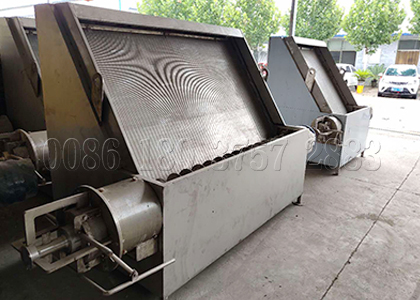
Dewatering machine for cow dung processing

While cow dung has become traditionally employed in many parts around the globe as being an organic fertilizer for many years, hardly any people are aware of the huge nutrients and vitamins of the organic cow dung fertilizer. Also, preparing organic fertilizer from cow dung at small scale is pretty easy as it doesn’t require an excessive amount of manual effort but doing the work with a huge scale is a whole different task. Thankfully, you will find mechanical solutions on the market today that allow you to turn huge amount of cow dung waste into organic fertilizer through the procedure of composting.

Cow Dung Compost Machine

Fresh cow dung is filled with viruses and parasites, and it needs to be properly fermented to be used being an organic fertilizer. In order to convert it into organic fertilizer at the large, you will have to purchase machines that have been created specifically to process cow dung or another biomass material into compost. Here is what you ought to find out about making organic fertilizer with cow dung waste.

Fresh cow dung is better for composting in comparison with old cow dung. Therefore, fresh cow dung has to be collected to start the composting process. It is important to ensure that the water content of fresh cow dung is approximately 60%. Higher or lower moisture content will change the composting process. Machines are available in the market which will help you with maintaining the proper moisture content. 60% moisture content is ideal for proliferation of aerobic bacteria which is responsible for fermentation of your cow dung.

Since you will have a large cattle farm and gain access to plenty of fresh cow dung waste, it is recommended to employ a leavening agent to get the fermentation process started. The fermentation process can occur without the leavening agent but adding the agent towards the material can help in kick starting the procedure and permit you to finish the composting process quicker. You don’t need too much of it as a around 250 g of leavening agent is typically enough to process around a lot of fresh cow dung waste. Go to https://fertilizerequipmentmanufacturer.com/cow-dung-fertilizer-machine/ choose your best cow manure processing machines.

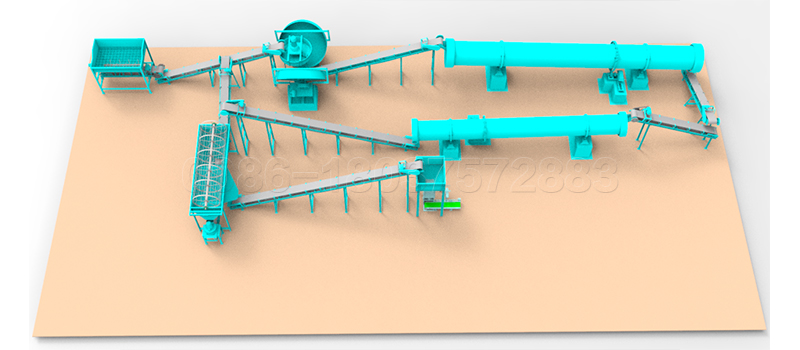
Fertilizer Production Line for Cow Dung Disposal

You can find multiple approaches to compost the cow dung waste. If you utilize the windrows method, you will have to accumulate the raw material in rows using a width of about 1 to 2 m and a height close to 1.2 m. If you intend to use a fermentation tank, this product should be transferred into the tank to permit the composting process to begin. This whole process should take around 20 days. When the organic fertilizer is ready, you possess alternative methods to hold it. For instance, you could make fertilizer pellets with the aid of a granulating machine. You can also pack it in big bags.

Overall, one of the most profitable way to handle large amount of cow dung waste is to invest in a composting answer to convert cow dung waste into organic fertilizer that is in huge demand today. Following the aforementioned tips should help you in picking the right technique for handling cow dung waste.

Steps To Making Organic Fertilizer From Cow Dung

Cow
Cow

Cow dung can be an extremely good fertilizer. One of its problems is the fact that it sometimes has an odor that’s very disagreeable. If you use too much on plants it can burn them. When you put the cow dung through a composting process it will produce better fertilizer that doesn’t have the odor or high levels of ammonia. Here we’ll take a look at the steps to making organic fertilizer from cow dung.

Create A Space For Making The Fertilizer

To start working with cow dung you’ll need a space to put it in. It should be three or four square feet and you will need enough room to turn it. In addition, there are two composting systems for you to make compost, windrow composting and making fermentation grooves. You may also want to have it out in the sun and the reason for that will be discussed further down.

Dry Organic Material

You’ll need to put some organic material over the spot where you’re going to make the cow dung  fertilizer and it needs to be dry. After you have that down you will then put the cow dung on top of it. You then keep piling up the manure until it is about four feet high. Before adding the next layer make sure to apply some water to the cow dung to keep it damp. Then you want to cover it with some soil.

Turn Every 3 Days

The next step in making organic fertilizer from cow dung  is to take the pile and turn it at least every three days. In addition to turning it, you’ll need to moisten it so that it is slightly damp but not soggy. Keeping the manure at the correct temperature will be very important in the process. You should maintain a temperature of no less than 120 degrees and up to 160 degrees Fahrenheit.

This is to kill any pathogens that might

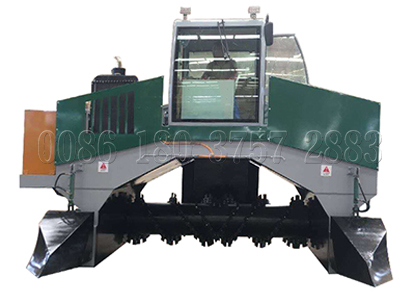
High efficient windrow compost turner

be in the cow dung. If you’re having any problems or difficulties keeping the temperature up, consider putting a black tarp over it during the middle of the day in the heat of the Sun. This is one reason why you might want to make the space for making fertilizer where it can receive Sun. During the heat of the day if there is a black tarp over it it will usually heat up to about 160 degrees Fahrenheit.

How Do You Know When The Organic Fertilizer Is Ready?

You will find that at one point the cow dung no longer heats up. If it also has turned slightly dark brown and has an earthy smell without any overtly bad odor and it’s crumbly then that is when it’s ready. Once it reaches that point it is ready to use as organic fertilizer.

If cow dung is very fresh and hasn’t been put through the process described above you shouldn’t use it. It can have pathogens that can get into the plants you are using the fertilizer on. When you put it through the process described above and it reaches a temperature of 160 degrees, it kills the organisms that exist in it. Once that happens then you have organic fertilizer that is completely safe to use on your plants and produce.

Other Machines Needed For Making Organic Fertilizer From Cow Dung

High efficient windrow compost turner
Granular cow dung fertilizer making machines

Composting is just the first step to make cow dung fertilizer. If you want to make commercial organic fertilizer from cow dung, you may need the following cow dung fertilizer making machines.

  • Cow dung compost crushing and screening machine.
  • Organic fertilizer batching and mixing machine.
  • Cow dung fertilizer pellet machine: pan granulator, new type organic fertilizer granulator and rotary drum granulator.
  • Fertilizer drying and cooling machine.
  • Organic fertilizer pellets bagging machine.

If you want to know more information about how to make organic fertilizer, please visit: https://organicfertilizerplants.com.