How Much Does a BB Fertilizer Preparation Machine Cost?

In the ever-evolving world of agriculture, the production of bulk blend fertilizers stands out as a vital process. Farmers and commercial producers often face the question: “What is the cost of a BB fertilizer preparation machine?” Understanding the price involves a closer look at the production process, the machinery involved, and the types of raw materials used. This article will delve into each of these aspects, offering a comprehensive guide to those considering investing in a bb fertilizer manufacturing plant.

What Raw Materials Are Suitable for BB Fertilizer Production?

Choosing the right raw materials is crucial for the successful production of bulk blended fertilizers. Producers typically use materials like urea, ammonium sulfate, potassium chloride, and phosphate rock. These ingredients are essential for creating a balanced nutrient mix, which is necessary for various soil types and crops. The selection process of raw materials directly impacts the overall cost of building a bb fertilizer plant. When planning a fertilizer manufacturing plant, understanding the material compatibility and availability ensures that the production runs efficiently without unnecessary expenditure.

BB Fertilizer Plant
BB Fertilizer Plant

What Are the Key Features to Consider in a BB Fertilizer Blending Machine?

A critical factor in determining the cost of a BB fertilizer preparation machine is its features and capabilities. Modern blending machines incorporate technology that allows precise mixing of raw materials. Features may include automated control systems, high-speed blending capacity, and durable construction materials. The ability to handle various raw materials efficiently lowers the operational cost of a fertilizer manufacturing plant. For instance, an automatic batching machine can streamline the production process by reducing labor costs and minimizing errors. Similarly, employing a drum-type BB fertilizer mixer for large-scale operations can enhance productivity, potentially lowering the price per ton of the finished product.

How Does the Blending Process Affect Fertilizer Plant Costs?

The blending process is a pivotal component of fertilizer production, influencing both the setup and operational costs of a bulk blending fertilizer plant. Advanced blending machinery ensures uniformity in bulk blended fertilizers, which is crucial for maintaining quality. Costs associated with the blending process depend on the scale of production and the complexity of the equipment used. For small to medium-sized operations, a bucket elevator paired with a vertical crusher may suffice. However, for higher production capacities, investing in a drum-type blender or larger mixers may be necessary. These decisions impact the initial investment and ongoing operational costs, making it essential for producers to carefully evaluate their budget and production needs.

What Other Equipment Might Be Needed in a BB Fertilizer Production Line?

In addition to the primary blending machine, several other pieces of equipment contribute to the overall cost of establishing a bb fertilizer production plant. A crushing machine, such as a chain crusher, helps in breaking down larger raw materials into manageable sizes for blending. An automatic or static batching machine ensures precise ingredient ratios, enhancing the efficiency of the production process. Finally, a packing machine is essential for packaging the finished product, readying it for distribution. Including these machines in the production line not only affects the initial budget but also determines the plant’s capacity to produce high-quality bulk blend fertilizers consistently.

Conclusion

Understanding the cost of a BB fertilizer preparation machine requires a detailed examination of the entire production process and the machinery involved. From selecting appropriate raw materials to choosing the optimal blending and additional equipment, each decision impacts the overall budget of a fertilizer manufacturing plant. For those seeking a reliable partner in this venture, working with a professional fertilizer equipment manufacturer like Yushunxin can provide valuable insights and options tailored to specific production needs. Investing wisely in the right equipment and processes ensures the successful establishment and operation of a fertilizer production plant, ultimately benefiting producers and the agricultural sector at large. You can visit: https://www.fertilizerproductequipment.com/bb-fertilizer-plant-cost/

Streamlining Fertilizer Production with NPK Bulk Blending System

The NPK bulk blending fertilizer system has become a mainstay in modern agriculture, providing a straightforward solution to meet the diverse nutrient needs of various crops. NPK stands for Nitrogen (N), Phosphorus (P), and Potassium (K), the three essential nutrients that plants require to grow healthily. Bulk blending systems are designed to combine these nutrients in precise ratios to create a balanced fertilizer tailored to specific soil conditions and crop requirements. This article explores the efficiency and benefits of using an NPK bulk blending fertilizer system.

The Bulk Blending Process

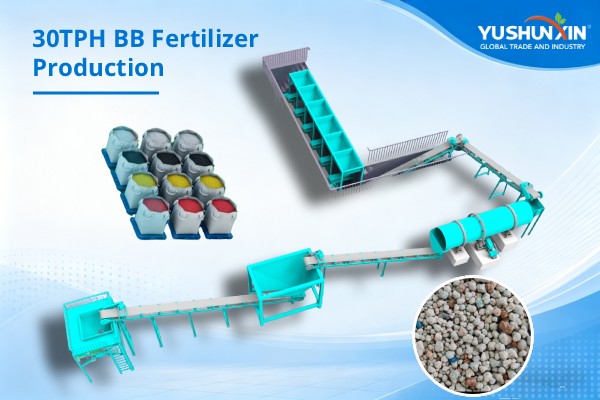
The NPK bulk blending fertilizer making process involves the physical mixing of granular raw materials to produce a homogenous fertilizer. The system typically consists of several key components:

1. Material Hoppers: Raw material granules, each containing different nutrients, are stored separately in bins.

2. Feeder Units: These regulate the amount of each nutrient released from the material hoppers to achieve the desired NPK ratio.

3. Conveyor: A conveyor belt or auger system transports the materials to a NPK granules blending unit.

4. Blending Unit: Here, the NPK granules materials are thoroughly mixed to ensure uniformity. For this, you need a professional BB fertilizer mixer.

5. Packaging: The final product is then conveyed to a packaging area where it is bagged, sealed, and readied for distribution.

Advantages of NPK Bulk Blending Systems

Advantages of NPK bulk blending system are as follows:

1. Customization: One of the chief advantages of bulk blending is the ability to customize fertilizer mixes for specific crops and soil types.

2.Cost-Effectiveness: Bulk blending systems require relatively low capital investment compared to complex chemical manufacturing processes. They also have lower operational costs. Click here to learn more.

3. Simplicity and Speed: The blending process is straightforward and quick, allowing for rapid response to market demands and the flexibility to alter nutrient compositions as needed.

4. Reduced Waste: By creating tailor-made fertilizer mixes, farmers can apply the exact nutrients needed, minimizing waste and environmental impact.

Compound bulk blended fertilizer production system installation

Challenges and Considerations

While an NPK granule blending line offers many benefits, there are considerations to keep in mind:

1. Quality Control: Ensuring a homogenous blend is crucial, as uneven distribution of nutrients can lead to crop growth issues.

2. Storage Conditions: Improper storage can lead to caking or nutrient segregation, affecting the quality of the final product.

3. Market Knowledge: Effective use of a bulk blending system requires understanding the nutrient demand for various crops and soils.

If you want to start a NPK blending fertilizer making business, you can visit https://www.fertilizerbusinessplan.com/fertilizer-blending-plant/

Conclusion

The BB fertilizer system is an effective solution for producing customized fertilizers economically and efficiently. Its ability to quickly generate tailored products that meet specific agricultural demands makes it an invaluable asset in the fertilizer industry. By adopting this system, manufacturers and farmers can ensure that crops receive balanced nutrition, leading to better yields and sustainable farming practices. As the global population grows and the demand for food increases, the importance of efficient fertilizer production will continue to rise, and NPK bulk blending systems will be at the forefront of meeting this challenge.