During the Pan Granulation Process, What Things Should Be Noticed?

There are several different methods of making fertilizer. The job of fertilizer is to replace the chemicals that growing plants leech out of the soil. The key ingredients of a fertilizer, therefore, are things that are essential to the healthy growth of plants – such as nitrogen, calcium, sulfur, and magnesium.

Pan Pelletizer
Pan Pelletizer

Fertilizer Manufacturing and Pan Granulation

The way that fertilizer is made has evolved a lot over the years. The pan granulation process was introduced in the 1970s by Norsk Hydro as a way to produce large amounts of coarse grade ammonium nitrate-based fertilizer. This type of fertilizer is used for forest fertilization.

The process uses water-free melt, is inexpensive, and makes fertilizer that is easy to transport and store. The process requires hot nitrogenous melt, and cooled solids which are fed into a rotating pan.

The rotation of the pan will help to form the fertilizer into a rolling, tumbling particles which form a crescent-shaped bed. The cooled solid particles should enter the pan at a point where there is not a lot of existing material so that they can be covered by the melt. Warmer particles will tumble over the cooler particles to cover them, and as the material moves through and exits the pan it will stabilize at a temperature that is below the melting point of the material.

The objective is to gradually build up the size of the particles by rotating the solids so that they pick up melt, which cools onto them.

When to Use Pan Granulation?

Pan granulation technology was originally intended to use to convert dry pulverant and other material, into bigger granules that are easier to work with. When the process is performed properly, it should be seen that it produces strong particles that are of uniform size and a similar shape.

Temperature and Concentration

It is difficult to produce large pellets with pan granulation, but for smaller pellets, it is a good solution. Many common methods of pan granulation rely on the water content of the solution being about 5-8 percent by weight. This ensures that at the correct temperature a certain amount of water will evaporate rapidly, and the layer that is added to the process solidifies on the granules almost immediately. Note that if the water content is insufficient, then the rolling particles on the bed will become a sticky mass which is difficult to handle, separate, and transport. The water content is important to allow for the heat removal caused by evaporation since this is what keeps the granules in an optimum state.

The maximum concentration limit for the solution is 95 percent by weight, and this works well for melts of ammonium nitrate and urea, that is sprayed onto appropriately sized, fast-moving solids.

The size of the rotating drum, and the pressure with which the solution is sprayed onto the solids will also impact upon the outcome. The pan manufacturer will provide instructions for the appropriate speed, pressure and temperature depending on the type of fertilizer to be produced.
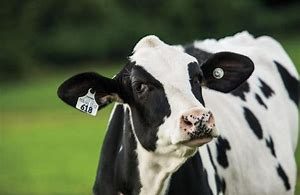
Steps To Making Organic Fertilizer From Cow Dung

Cow
Cow

Cow dung can be an extremely good fertilizer. One of its problems is the fact that it sometimes has an odor that’s very disagreeable. If you use too much on plants it can burn them. When you put the cow dung through a composting process it will produce better fertilizer that doesn’t have the odor or high levels of ammonia. Here we’ll take a look at the steps to making organic fertilizer from cow dung.

Create A Space For Making The Fertilizer

To start working with cow dung you’ll need a space to put it in. It should be three or four square feet and you will need enough room to turn it. In addition, there are two composting systems for you to make compost, windrow composting and making fermentation grooves. You may also want to have it out in the sun and the reason for that will be discussed further down.

Dry Organic Material

You’ll need to put some organic material over the spot where you’re going to make the cow dung  fertilizer and it needs to be dry. After you have that down you will then put the cow dung on top of it. You then keep piling up the manure until it is about four feet high. Before adding the next layer make sure to apply some water to the cow dung to keep it damp. Then you want to cover it with some soil.

Turn Every 3 Days

The next step in making organic fertilizer from cow dung  is to take the pile and turn it at least every three days. In addition to turning it, you’ll need to moisten it so that it is slightly damp but not soggy. Keeping the manure at the correct temperature will be very important in the process. You should maintain a temperature of no less than 120 degrees and up to 160 degrees Fahrenheit.

This is to kill any pathogens that might

High efficient windrow compost turner

be in the cow dung. If you’re having any problems or difficulties keeping the temperature up, consider putting a black tarp over it during the middle of the day in the heat of the Sun. This is one reason why you might want to make the space for making fertilizer where it can receive Sun. During the heat of the day if there is a black tarp over it it will usually heat up to about 160 degrees Fahrenheit.

How Do You Know When The Organic Fertilizer Is Ready?

You will find that at one point the cow dung no longer heats up. If it also has turned slightly dark brown and has an earthy smell without any overtly bad odor and it’s crumbly then that is when it’s ready. Once it reaches that point it is ready to use as organic fertilizer.

If cow dung is very fresh and hasn’t been put through the process described above you shouldn’t use it. It can have pathogens that can get into the plants you are using the fertilizer on. When you put it through the process described above and it reaches a temperature of 160 degrees, it kills the organisms that exist in it. Once that happens then you have organic fertilizer that is completely safe to use on your plants and produce.

Other Machines Needed For Making Organic Fertilizer From Cow Dung

High efficient windrow compost turner
Granular cow dung fertilizer making machines

Composting is just the first step to make cow dung fertilizer. If you want to make commercial organic fertilizer from cow dung, you may need the following cow dung fertilizer making machines.

  • Cow dung compost crushing and screening machine.
  • Organic fertilizer batching and mixing machine.
  • Cow dung fertilizer pellet machine: pan granulator, new type organic fertilizer granulator and rotary drum granulator.
  • Fertilizer drying and cooling machine.
  • Organic fertilizer pellets bagging machine.

If you want to know more information about how to make organic fertilizer, please visit: https://organicfertilizerplants.com.

News

ข่าวเกษตรกร
ไม่มีกระทู้ใหม่ ทักทายพูดคุยแนะนำตัว

ทักทายพูดคุย แนะนำตัว แลกเปลี่ยนประสบการณ์ด้านการเกษตร กันได้ที่นี่ครับ

2 กระทู้
1 หัวข้อ
กระทู้ล่าสุด โดย NJ Mushroom Farm
ใน Re: สวัสดีเพื่อนๆครับ
เมื่อ พฤษภาคม 18, 2011, 11:41:51
ไม่มีกระทู้ใหม่ ข่าวเกษตรและบทความดีๆ

ข่าวสาร ทั่วไป เกี่ยวกับการเกษตร รวมทั้งบทความดีๆที่น่าสนใจ

97 กระทู้
83 หัวข้อ
กระทู้ล่าสุด โดย lady bug
ใน ใช้ “น้ำมะพร้าวหมัก” ช่วยน้ำยางพาราจับตัวดีกว่า “กรด” 8 เท่า
เมื่อ กรกฎาคม 28, 2011, 11:33:16
ไม่มีกระทู้ใหม่ รวมวีดีโอด้านการเกษตร

คลิ๊ปรายการโทรทัศน์ ที่เกี่ยวกับการเกษตร

12 กระทู้
9 หัวข้อ
กระทู้ล่าสุด โดย ต้นกล้วย
ใน การเผาถ่าน และน้ำส้มควันไม้ ถ่านไม้ไผ่
เมื่อ สิงหาคม 07, 2010, 09:05:11
ไม่มีกระทู้ใหม่ ศูนย์เรียนรู้ในท้องถิ่น และคนเกษตรพอเพียง

เรื่องราวของคนพอเพียง รวมทั้งแหล่งวิชาการภูมิปัญญาท้องถิ่น แต่ละภูมิภาค

116 กระทู้
48 หัวข้อ
กระทู้ล่าสุด โดย lady bug
ใน ‘พีระพงศ์ ถนอมพงษ์พันธ์’ ‘เซียนปลากัด’ ขึ้นได้-ลงเป็น
เมื่อ กรกฎาคม 31, 2011, 01:24:23
โครงการพระราชดำริ
ไม่มีกระทู้ใหม่ โครงการพระราชดำริ

รวบรวมโครงการตามพระราชดำริทางด้านการเกษตร เพื่อสำนึกในพระมหากรุณาธิคุณของพระบาทสมเด็จพระเจ้าอยู่หัว

21 กระทู้
20 หัวข้อ
กระทู้ล่าสุด โดย lady bug
ใน พระมหากรุณาธิคุณ ชาวบ้านได้โรงสีข้าวพิกุลทองแห่งใหม่
เมื่อ มกราคม 04, 2011, 08:17:52
ไม่มีกระทู้ใหม่ การอนุรักษ์น้ำ ลดการใช้พลังงาน

อนุรักษ์ป่าไม้ ประหยัดน้ำ ประหยัดไฟ พิทักษ์สิ่งแวดล้อม ลดสภาวะโลกร้อนเพื่อประเทศไทยของเรา

21 กระทู้
21 หัวข้อ
กระทู้ล่าสุด โดย lady bug
ใน ตรังพร้อมพัฒนาสวนพรุชีตาม โครงการภูมิรักษ์พิทักษ์สายน้ำ
เมื่อ มิถุนายน 05, 2011, 05:08:18
ไม่มีกระทู้ใหม่ อนุรักษ์สัตว์ป่าและพันธุ์พืช

สัตว์ป่าสงวน สัตว์ป่าหายาก ป่าเขาต้นน้ำลำธาร คือสิ่งที่มนุษย์ควรจะรักษาไว้ให้ลูกหลาน

41 กระทู้
39 หัวข้อ
กระทู้ล่าสุด โดย lady bug
ใน “คางคกสายรุ้ง” โผล่ให้เห็นอีกครั้งหลังหายไปกว่า 80 ปี
เมื่อ กรกฎาคม 16, 2011, 10:43:49
วิชาการเกษตร
ไม่มีกระทู้ใหม่ พันธุ์ไม้น่ารู้ ไม้ผล และไม้เศรษฐกิจ

แนะนำพันธุ์พืช ไม้ประจำถิ่น ทั้งไม้ดอก ไม้ประดับ และไม้ผล ไม้เศรษฐกิจ

294 กระทู้
148 หัวข้อ
กระทู้ล่าสุด โดย lady bug
ใน ทานตะวัน
เมื่อ กรกฎาคม 03, 2011, 02:48:02
ไม่มีกระทู้ใหม่ สมุนไพรไทย สุขภาพ เกษตรอินทรีย์

ภูมิปัญญาท้องถิ่นที่ควรค่าแก่การอนุรักษ์ รวมทั้งวิธีการรักษาสุขภาพ

71 กระทู้
70 หัวข้อ
กระทู้ล่าสุด โดย lady bug
ใน ลำโพง (กาสลัก)
เมื่อ กรกฎาคม 28, 2011, 11:34:15
ไม่มีกระทู้ใหม่ ภูมิปัญญาการเกษตร

เคล็ดลับการเกษตร รวมวิธีเพิ่มผลผลิตทางการเกษตร

17 กระทู้
13 หัวข้อ
กระทู้ล่าสุด โดย lady bug
ใน ‘เห็ดนางฟ้าภูฏาน’ เพาะง่าย-รายได้น่าสน
เมื่อ กรกฎาคม 31, 2011, 01:49:32
การเลี้ยงสัตว์
ไม่มีกระทู้ใหม่ สัตว์น้ำจืด น้ำเค็ม และ สัตว์น้ำสวยงาม

การเลี้ยงสัตว์น้ำจืด น้ำเค็ม เพื่อความสุขยามว่าง และในทางเศรษฐกิจ

66 กระทู้
47 หัวข้อ
กระทู้ล่าสุด โดย lady bug
ใน Re: การเพาะปลากัด
เมื่อ เมษายน 11, 2011, 12:49:47
ไม่มีกระทู้ใหม่ การเลี้ยงสัตว์บก เพื่อความสวยงามและเพื่อการค้า

การเลี้ยงสัตว์เพื่อความสุขยามว่าง และเพื่อธุรกิจ ทางการเกษตร

48 กระทู้
38 หัวข้อ
กระทู้ล่าสุด โดย lady bug
ใน แนะวิธีเลี้ยง ” กระต่าย ” อย่างถูกต้อง
เมื่อ กรกฎาคม 18, 2011, 09:31:04


*บ้านเกษตรไทย – ศูนย์กลางข้อมูล
กระทู้เมื่อเร็วๆ นี้
‘เห็ดนางฟ้าภูฏาน’ เพาะง่าย-รายได้น่าสน โดย lady bug (ภูมิปัญญาการเกษตร) กรกฎาคม 31, 2011, 01:49:32
‘พีระพงศ์ ถนอมพงษ์พันธ์’ ‘เซียนปลากัด’ ขึ้นได้-ลงเป็น โดย lady bug (ศูนย์เรียนรู้ในท้องถิ่น และคนเกษตรพอเพียง) กรกฎาคม 31, 2011, 01:24:23
ลำโพง (กาสลัก) โดย lady bug (สมุนไพรไทย สุขภาพ เกษตรอินทรีย์) กรกฎาคม 28, 2011, 11:34:15
ใช้ “น้ำมะพร้าวหมัก” ช่วยน้ำยางพาราจับตัวดีกว่า “กรด” 8 เท่า โดย lady bug (ข่าวเกษตรและบทความดีๆ) กรกฎาคม 28, 2011, 11:33:16
ชาวสวนตรังสบช่องปลูกฝรั่งแป้นสีทอง สร้างรายได้เป็นกอบเป็นกำ โดย lady bug (ข่าวเกษตรและบทความดีๆ) กรกฎาคม 20, 2011, 10:26:27
ปรับระบบมาตรฐาน ฟาร์มสุกรรายย่อย โดย lady bug (ข่าวเกษตรและบทความดีๆ) กรกฎาคม 18, 2011, 09:46:45
ศูนย์เรียนรู้เศรษฐกิจพอเพียง บ้านเหล่านกยูง อ.เมือง จ.สกลนคร โดย lady bug (ศูนย์เรียนรู้ในท้องถิ่น และคนเกษตรพอเพียง) กรกฎาคม 18, 2011, 09:44:10
แนะวิธีเลี้ยง ” กระต่าย ” อย่างถูกต้อง โดย lady bug (การเลี้ยงสัตว์บก เพื่อความสวยงามและเพื่อการค้า) กรกฎาคม 18, 2011, 09:31:04
“คางคกสายรุ้ง” โผล่ให้เห็นอีกครั้งหลังหายไปกว่า 80 ปี โดย lady bug (อนุรักษ์สัตว์ป่าและพันธุ์พืช) กรกฎาคม 16, 2011, 10:43:49
Re: ตัวตนบนเส้นทางปราชญ์ชาวบ้าน ของ คุณลุง สุเวศน์ ภู่ระหงษ์ โดย lady bug (ศูนย์เรียนรู้ในท้องถิ่น และคนเกษตรพอเพียง) กรกฎาคม 14, 2011, 08:14:16
เหลือเชื่อ! ในทะเลก็มี “เห็ด” โดย lady bug (ข่าวเกษตรและบทความดีๆ) กรกฎาคม 06, 2011, 09:07:03
ทานตะวัน โดย lady bug (พันธุ์ไม้น่ารู้ ไม้ผล และไม้เศรษฐกิจ) กรกฎาคม 03, 2011, 02:48:02
Re: ปลูกไม้กระถาง ในออฟฟิศ ดีต่อสุขภาพ – ลดความเตรียด โดย lady bug (ข่าวเกษตรและบทความดีๆ) มิถุนายน 16, 2011, 09:15:14
สถิติการใช้งานฟอรั่ม
สถิติการใช้งานฟอรั่ม 806 กระทู้ ใน 537 หัวข้อ โดย 18 สมาชิก. สมาชิกล่าสุด: ProgrammerthItsales
กระทู้ล่าสุด: “‘เห็ดนางฟ้าภูฏาน’ เพาะง่าย-รายได้น่าสน” ( กรกฎาคม 31, 2011, 01:49:32 )
ดูกระทู้ล่าสุดบนฟอรั่ม
[สถิติอื่นๆ]
ผู้ใช้งานขณะนี้
ผู้ใช้งานขณะนี้ 19 บุคคลทั่วไป, 0 สมาชิก

วันนี้ออนไลน์มากที่สุด: 34. ออนไลน์มากที่สุด: 182 (มกราคม 24, 2011, 09:30:31)