Производственная линия NPK 10 т/ч: лучший выбор для начинающих инвесторов

С ростом спроса на удобрения производственная линия по выпуску комплексных удобрений NPK становится популярным направлением инвестирования для многих компаний, связанных с сельским хозяйством. Для предприятий, только начинающих заниматься производством NPK-удобрений, ключевыми вопросами являются выбор подходящей производственной линии, контроль стартовых вложений и быстрое достижение прибыли. Сегодня мы рассмотрим на примере производственной линии NPK 10 т/ч — лучший вариант для начальных инвестиций.
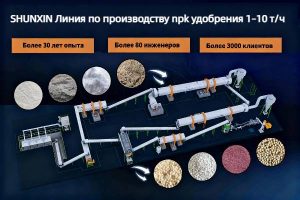
Линия-по-производству-npk-удобрения-1–10-т-ч

Почему стоит выбрать производственную линию NPK 10 т/ч?

Для предприятий, впервые входящих в отрасль комплексных удобрений, производственная линия NPK с производительностью 10 тонн в час обладает следующими преимуществами:

Баланс между вложениями и мощностью

Производственная линия на 10 т/ч имеет оптимальную производительность: она способна удовлетворить спрос среднего и малого рынка, избегая при этом перепроизводства и снижения инвестиционных рисков.

Короткий срок окупаемости

С увеличением объёмов производства и расширением рынка линия на 10 т/ч обеспечивает быструю оборачиваемость средств и быстрый выход на прибыль.

Оборудование легко в эксплуатации и обслуживании

Оборудование данного уровня автоматизации отличается стабильной работой и простотой управления, что позволяет новичкам быстро освоить все этапы производства.

На что обратить внимание при первоначальных инвестициях?

Рациональный технологический процесс

На начальном этапе не стоит гнаться за сложными и дорогостоящими технологиями — лучше выбрать проверенные и стабильные методы, такие как мокрая грануляция или барабанная агломерация. Это обеспечит высокое качество продукции и создаст базу для дальнейшего расширения.

Практичная комплектация оборудования

Выбирайте оборудование, исходя из текущих производственных потребностей. Основные компоненты линии:

Если бюджет ограничен, второстепенные опции вроде покрытия гранул или автоматической паллетизации можно добавить позднее.

Известные производители и сервис

У начинающих компаний мало опыта по эксплуатации и обслуживанию оборудования, поэтому стоит выбирать поставщиков с проверенной репутацией и хорошей послепродажной поддержкой, чтобы минимизировать производственные риски.

Для предприятий, впервые инвестирующих в производственную линию комплексных удобрений NPK, вариант на 10 т/ч — оптимальное сочетание гибкости вложений и адаптации к рынку. Грамотная комплектация оборудования, продуманное планирование мощности и поэтапное расширение рынка помогут быстро закрепиться в конкурентной отрасли и добиться устойчивой прибыльности. Для получения подробного списка оборудования, инвестиционного плана или примеров реализованных проектов свяжитесь с нашей командой профессионалов для индивидуальной консультации. Подробнее — на нашем сайте:https://www.sxmashina.com/liniya-po-proizvodstvu-npk-udobreniya-1-10-t-ch/

How to produce bio NPK fertilizer in rotary drum granulation equipment

In the quest for sustainable and eco-friendly agricultural practices, the demand for bio NPK fertilizers has seen a significant rise. These fertilizers, rich in essential nutrients—nitrogen (N), phosphorus (P), and potassium (K)—are derived from organic sources, offering a greener alternative to conventional chemical fertilizers. One effective method for producing bio NPK fertilizer is through the utilization of rotary drum granulation equipment. This equipment provides an efficient and scalable solution for blending and granulating organic materials to create a nutrient-rich bio NPK fertilizer suitable for various crops.

Subtitle 1: Understanding Rotary Drum Granulation

Rotary drum granulation is a highly efficient technique that involves a rotating drum to agglomerate and granulate raw materials. The drum is a crucial component that facilitates the mixing, granulation, and drying processes within a single unit. This method ensures uniform distribution of nutrients and enhances the physical properties of the fertilizer, resulting in a high-quality end product.

Subtitle 2: Selecting Organic Raw Materials

The success of producing bio NPK fertilizer lies in the careful selection of organic raw materials. Common sources include animal manure, crop residues, and organic waste. These materials provide a diverse range of nutrients essential for plant growth while promoting sustainability through the recycling of organic waste.

Subtitle 3: Pre-treatment of Raw Materials

Before feeding the raw materials into the rotary drum granulation equipment, pre-treatment is necessary to optimize the composting process. This may involve shredding or grinding the materials to achieve a homogeneous mixture, facilitating efficient nutrient release during the granulation process.

Subtitle 4: Microbial Inoculants for Enhanced Bioavailability

To further enhance the bioavailability of nutrients, incorporating microbial inoculants into the raw material mixture is beneficial. These microorganisms aid in the breakdown of organic matter, releasing essential nutrients in a form readily accessible to plants. This step promotes a synergistic relationship between the organic components and microorganisms, fostering a nutrient-rich environment.

Subtitle 5: The Granulation Process

The rotary drum granulation process involves the controlled release of raw materials into the rotating drum. The drum’s design ensures a consistent mixing of the materials, allowing for the formation of granules through a combination of agglomeration and compaction. This controlled process results in the creation of uniform-sized granules with a balanced distribution of nitrogen, phosphorus, and potassium.

Subtitle 6: Drying and Cooling

Following granulation, the fertilizer is subjected to a drying and cooling phase. This step is crucial for removing excess moisture from the granules, preventing caking and ensuring a stable and shelf-ready product. The rotary drum’s internal design facilitates efficient heat transfer, contributing to the overall energy efficiency of the process.

Subtitle 7: Screening and Packaging

The final step involves screening the granulated fertilizer to achieve the desired particle size and uniformity. Once screened, the bio NPK fertilizer is ready for packaging. Utilizing eco-friendly and biodegradable packaging materials aligns with the sustainable principles of bio NPK fertilizers, offering an environmentally conscious end product for distribution and use in agriculture.

Conclusion:

Producing bio NPK fertilizer through rotary drum granulation equipment represents a sustainable and environmentally friendly approach to meeting the growing demand for nutrient-rich fertilizers. By integrating organic raw materials, microbial inoculants, and a well-designed granulation process, this method ensures the creation of high-quality bio NPK fertilizers that contribute to both agricultural productivity and ecological conservation.


how to compost pig manure

Composting pig manure is an effective way to transform a waste product into a valuable resource. Pig manure is high in nitrogen, phosphorus, and potassium, making it an excellent source of nutrients for plants. However, it can also be a source of pollution if not managed properly. In this article, we will discuss the steps for composting pig manure to create a nutrient-rich soil amendment for your garden.

Aniaml Manure for Organic Fertilizer Production

Step 1: Collecting Pig Manure

The first step in composting pig manure is to collect it. Pig manure can be collected using a shovel or a manure scraper. It is important to collect only the manure and not the bedding material, as the bedding material will slow down the composting process. Pig manure can be collected in a pile or a bin. If collecting in a pile, it is recommended to turn the pile regularly to ensure proper aeration and decomposition.

Step 2: Preparing the Composting Site

The composting site should be located in a well-drained area and away from water sources, such as streams or ponds. The site should be sunny, as the heat from the sun will help to accelerate the composting process. The composting site should be level and have good air circulation. The site should be prepared by removing any grass or vegetation, and a layer of gravel or wood chips should be added to the bottom to aid in drainage.

Step 3: Building the Compost Pile

The compost pile should be built in layers, starting with a layer of dry, carbon-rich material such as straw or leaves. This layer should be about 6 inches thick. Next, add a layer of pig manure, about 2 to 3 inches thick. Repeat this layering process until the pile is about 3 to 4 feet tall. The top of the pile should be covered with a layer of straw or leaves to help retain moisture.

Step 4: Maintaining the Compost Pile

The compost pile should be kept moist but not wet. If the pile is too wet, it may become anaerobic, which will slow down the composting process and create an unpleasant odor. The pile should be turned regularly to ensure proper aeration and decomposition. The pile should be turned every 3 to 5 days, or when the internal temperature of the pile drops below 100°F. The internal temperature of the pile can be measured using a compost thermometer.

Step 5: Harvesting the Compost

The compost pile will be ready to harvest when it has decomposed into a dark, crumbly, soil-like material. This process can take anywhere from 6 to 12 months, depending on the size of the pile and the environmental conditions. To harvest the compost, the pile should be turned onto a tarp or into a wheelbarrow. Any large pieces of material should be removed, and the compost should be screened to remove any remaining debris.

Windrow Compost Turner

In conclusion, composting pig manure is an effective way to transform a waste product into a valuable resource. By following these simple steps, you can create a nutrient-rich soil amendment for your garden while reducing waste and preventing pollution. Remember to always wear gloves and wash your hands thoroughly after handling pig manure. Happy composting!

Of course, you can check this page for more details about the design and structure of the pig manure machine!

How to Compost Pig Manure

How to Choose a Suitable NPK Fertilizer Production Line?

NPK fertilizer, which contains three essential elements nitrogen, phosphorus, and potassium, is widely used in agriculture to increase crop yields and improve soil fertility. Different nutrients have different effects.However, producing NPK fertilizer is not a simple task, and it requires a reliable and efficient production line to ensure the quality of the final product. In this passage, we will discuss how to choose a suitable NPK fertilizer production line.

Consider Your Production Capacity

Before choosing an NPK fertilizer production line, you need to determine your production capacity. The production capacity of the production line should match your expected production volume. If you have a small farm, you may need a small production line, while a large farm requires a larger production line. It’s essential to choose a production line that can meet your production needs and avoid unnecessary expenses.

Evaluate Your Budget

Another crucial factor to consider is your budget. An NPK fertilizer production line is a significant investment, and you need to ensure that you have enough funds to cover the cost of the production line. However, you don’t want to overspend on a production line that is too large for your needs. Determine your budget and look for a production line that fits within your financial constraints.

Choose a Reliable Manufacturer——SX

When choosing an NPK fertilizer production line, you need to select a reliable manufacturer. A reputable manufacturer will provide you with high-quality equipment that meets your production needs. SX has a good reputation and a track record of producing quality equipment. You can check online reviews and ask for referrals from other making fertilizer people to find a reliable manufacturer.

Consider the Production Process

The production process is another critical factor to consider when choosing an NPK fertilizer production line. The production process should be efficient and environmentally friendly. Look for a production line that uses advanced technology to minimize waste and reduce energy consumption. A good production line should also have a high level of automation to increase production efficiency and reduce labor costs.

Select the Right Equipment

An NPK fertilizer production line consists of several pieces of equipment, including a batching system, a mixer, a granulator, a dryer, a cooler, a screening machine, and a manure packaging machine. You need to choose the right equipment based on your production needs and the characteristics of your raw materials. The equipment should be easy to operate, maintain, and repair.

Consider After-Sales Services

Finally, you need to consider the after-sales services provided by the manufacturer. A good manufacturer should provide you with technical support, equipment maintenance, and repair services. Look for a manufacturer that has a reliable customer service team that can respond to your needs promptly.

In conclusion, choosing a suitable NPK fertilizer production line requires careful consideration of several factors, including your production capacity, budget, manufacturer reputation, production process, equipment selection, and after-sales services. By following these guidelines, you can choose a production line that meets your needs and ensures the quality of your final product. For details you can visit https://www.fertilizerproductionproject.com/npk-fertilizer-production-line/.

Choose Double Roller Granulator for Making Fertilizer Pellets

Double roller granulator is a popular choice for making fertilizer pellets due to its high efficiency, durability, and versatility. Click here to get more information. Here are some of the reasons why you should choose double roller granulator for making fertilizer pellets:

  1. High Efficiency:

Double roller granulator is designed to produce high-quality fertilizer pellets efficiently. It uses a unique pressing technology to compress the raw materials into granules, which results in a high yield and a low waste ratio.

  1. Durability:

Double roller granulator is made of high-quality materials that are resistant to wear and tear, which means that it can withstand the demands of continuous operation.

  1. Versatility:

Double roller granulator is capable of producing different types of fertilizer pellets, including organic fertilizer, inorganic fertilizer, and compound fertilizer. This makes it a versatile option for farmers and fertilizer manufacturers.

  1. Low Maintenance:

Double roller granulator for fertilizer requires minimal maintenance, which reduces the overall cost of production. Its simple design and few moving parts mean that it is easy to operate and repair.

  1. Environmentally Friendly:

Double roller granulator is an environmentally friendly option for making fertilizer pellets. It reduces the amount of waste generated during the fertilizer manufacturing process and helps to conserve natural resources.

Overall, double roller granulator is an excellent choice for making fertilizer pellets due to its high efficiency, durability, versatility, low maintenance, and environmental friendliness.


A double roller granulator is a machine that uses a unique pressing technology to produce fertilizer pellets. Here are the steps involved in the process of making pellets using a double roller granulator:

  1. Raw Material Preparation:

The first step is to prepare the raw materials for granulation. The raw materials can be in the form of powder, granules or other forms. The raw materials need to be selected and mixed in appropriate proportion to ensure the quality of the pellets.

  1. Feeding:

The prepared raw materials are then fed into the feeding hopper of the double roller granulator.

  1. Granulating:

The feeding system pushes the raw materials into the compacting chamber of double roller granulator https://www.granulatorforfertilizer.com/double-roller-granulator/ , where two rollers compress the raw materials into small, dense granules. The rollers are made of high-quality materials and are designed to exert a high pressure on the raw materials.

  1. Cutting:

As the rollers rotate, the granules are cut into the desired size by a knife that is fixed on the side of the compacting chamber.

  1. Screening:

The granules are then screened to remove any oversize or undersize particles, ensuring that only the desired size pellets are collected.

  1. Packaging:

The finished pellets are then packaged for storage or transportation.

The double roller granulator uses a dry granulation process, which means that no water or binder is added during the process. This makes it a cost-effective and environmentally friendly option for producing high-quality fertilizer pellets.

Tips of Quality Compound Fertilizer Production

What’s very important to keep in mind when you create any fertilizer is that it has to fit the requirements of those plants you want to grow. That’s why compound fertilizer preparation can be a great option, because it brings great benefits and tremendous value quite often. On top of that, the experience itself is great and it’s definitely a thing to take into consideration.

What are compound fertilizers?

These compound fertilizers have 2 or even more nutrients, and the focus is to bring in more nutrients to plants. The idea here is to ensure that you have all the compounds and nutrients a plant needs in order to grow and thrive properly. It’s imperative to do that and the benefits can indeed be second to none. Which is what makes complex fertilizer manufacturing such an incredible option to say the least.

Ensure that you have the right amount of compound fertilizer based on the soil type

Clay soils need less fertilizer, while light soils will need more fertilizer. Knowing all the information can help quite a bit, and it will surely offer a vast array of benefits and an incredible quality. That’s certainly a thing to keep in mind during compound fertilizer production. Click here for more details of compound fertilizer making

Compound fertilizer production line for sale

Monitor the compound fertilizer quality during production

The idea here is to ensure every detail is monitored to prevent any possible issues. Sometimes problems might arise during production, so having the right quality is crucial and it will make a difference. Which is exactly the thing to keep in mind. In this case, SX complex fertilizer production system will help you a lot.

See if the nutrients mix together well

One of the challenges when you create compound fertilizer is that you combine multiple nutrients. Sometimes these nutrients work well, other times less so. Which means a lot of experimentation is needed to ensure it all works as expected. It’s going to be well worth it, and certainly a thing to focus on when you prepare the fertilizer.

Aside from that, you also want to see if it’s possible to do a controlled release for the fertilizer. Depending on the nutrients, a controlled release might be necessary and certainly a thing to keep in mind. At the end of the day, creating compound fertilizer will require testing and experimentation, but it’s going to be worth it since you will have some amazing plants. If you want to start compoun fertilizer manufacturing, https://fertilizerequipmentmanufacturer.com/compound-fertilizer-production-line/ can tell you more.

What Do You Need to Know to Buy an NPK Fertilizer Production Line?

Buying an NPK fertilizer production line can help you improve and optimize your production processes. It can also reduce your production costs to save you more money in the long term. However, you need to invest in the best NPK fertilizer production line.

Here are some of the things you need to know before you buy an NPK fertilizer production line:

Rorary Drum NPK Production Line for Sale

1. Quality

You need to know the quality of the NPK fertilizer production line before you buy it. It is beneficial to buy a high-quality NPK fertilizer production line. It can last longer. And it is cheap to maintain. It can, therefore, serve your business for several years and reduce your production costs.

Do not buy poor-quality NPK fertilizer production lines. They are expensive to maintain, so they can increase your maintenance costs. They can, therefore, increase your production costs and cost you more money in the long term. Do not use them to produce NPK fertilizer.  Click here for high quality NPK fertilizer line.

2. Price

Nowadays, it is easy to find affordable NPK fertilizer production lines. This is because there are so many companies and manufacturers to choose from. Do not just choose the cheapest companies and manufacturers. Check their history before making your final decision. Make sure they have a good history.

If you are looking for affordable manufacturers, you might want to choose overseas manufacturers. Overseas manufacturers can access cheap labor and raw materials. So, they can produce top-notch NPK fertilizer production lines. Then, sell them at affordable prices.

NPK fertilizer production equipment

3. Maintenance Cost

You have to know the maintenance cost of the NPK fertilizer production line before buying it. If you are spending too much money to maintain your NPK fertilizer production line, it can lower profits. In fact, you might lose more money in the long term.

Ask the seller to tell you the cost of maintaining their NPK fertilizer production lines. If you cannot afford to maintain them, do not purchase them. Proper maintenance can extend the life of your NPK fertilizer production line. So, make sure you can afford to maintain it.

4. The Manufacturer

You need to know the reputation, experience, and even the location of the manufacturer. Reputable and experienced manufacturers are the best. They usually have great customer service. They are reliable. They have affordable prices. And they provide a warranty.

However, some manufacturers are unreliable and have poor customer service. Do not select them. In fact, they might not honor their warranty. Choosing the right manufacturer can give you peace of mind. The manufacturer can even handle repairs and maintenance to save you more money.

Fertilizer equipment manufacturing in SX

5. The Warranty

All machines come with a warranty. The purpose of the warranty is to protect people from losing money to the wrong companies and manufacturers. That is why almost all companies and manufacturers provide warranties. Unfortunately, some do not honor their warranty.

You need to know if the manufacturer honors their warranty. Do not forget to read and understand their warranty before buying their NPK fertilizer production line. The warranty can save you money. You can even compare multiple warranties to find the company that suits your needs.

These are what you need to know before you buy your NPK fertilizer production line. Take your time and do proper research before you make your final decision.

More details please check https://fertilizerequipmentmanufacturer.com/npk-fertilizer-production-line/