In an age where sustainability and environmental consciousness are paramount, the quest for organic solutions permeates every aspect of our lives, including gardening and agriculture. Biochar organic fertilizers making, in particular, have gained significant traction due to their eco-friendly nature and ability to enhance soil health while nurturing plant growth.
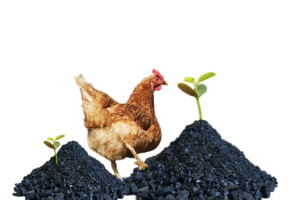
Why we Need to Make Biochar Organic Fertilizer
Biochar organic fertilizers manufacturing, unlike their synthetic counterparts, are derived from natural sources such as animal manure, compost, plant residues, and organic minerals. They are rich in essential nutrients like nitrogen, phosphorus, and potassium, along with a host of micronutrients vital for plant development.
The Benefits of Making Biochar Organic Fertilizer
Biochar organic fertilizer production has many advantages, which includes help environment, cost-effective and enhanced soil health.
- Environmental Friendliness: By utilizing organic materials readily available in your surroundings, you reduce reliance on chemical-laden commercial fertilizers, thereby minimizing environmental pollution and soil degradation.
- Cost-Effective: Homemade organic fertilizers are often cheaper than store-bought alternatives, making gardening more affordable in the long run.
- Enhanced Soil Health: Organic fertilizers improve soil structure, promote microbial activity, and enhance water retention capacity, fostering a conducive environment for plant growth. You can click here to view more.
How to Craft Your Own Biochar Organic Fertilizer
Step 1: Gather Your Ingredients
- Nitrogen Sources: This includes materials like composted manure, poultry litter, or legume cover crops.
- Phosphorus Sources: Bone meal, rock phosphate, or fish bone are excellent choices.
- Potassium Sources: Wood ash or potassium sulfate are effective options.
- Micronutrient Boosters: Seaweed, kelp meal, or eggshells can provide essential trace minerals.
Step 2: Mix in the Right Proportions
Aim for a balanced N-P-K ratio (Nitrogen-Phosphorus-Potassium) suitable for your plants’ needs. A general ratio of 1:2:1 works well for most garden plants, but adjustments can be made based on soil tests and plant requirements.
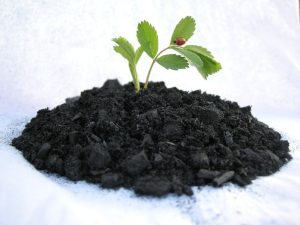
Step 3: Composting and Fermentation
Combine your ingredients in a compost bin or designated area. Ensure proper aeration and moisture levels for microbial activity. Allow the mixture to decompose and ferment over several weeks to months, periodically turning and watering it as needed.
Step 4: Application
Once the organic matter has fully decomposed into a dark, crumbly texture, it’s ready for use. Apply the fertilizer to the soil around your plants, avoiding direct contact with stems or leaves.
Water the area thoroughly to help nutrients penetrate the soil and reach plant roots.
The Essence of Biochar Organic Fertilizers
Biochar organic fertilizers making, unlike their synthetic counterparts, are derived from natural sources such as animal manure, compost, plant residues, and organic minerals. They are rich in essential nutrients like nitrogen, phosphorus, and potassium, along with a host of micronutrients vital for plant development.
In a world where sustainability is no longer an option but a necessity, embracing organic practices like homemade fertilizer production is a small yet significant step towards a greener future. By harnessing the power of nature’s bounty and recycling organic waste into nutrient-rich soil amendments, we not only promote healthier ecosystems but also reap the rewards of bountiful harvests and flourishing gardens.
In a world where sustainability is no longer an option but a necessity, embracing organic practices like homemade fertilizer production is a small yet significant step towards a greener future. By harnessing the power of nature’s bounty and recycling organic waste into nutrient-rich soil amendments, we not only promote healthier ecosystems but also reap the rewards of bountiful harvests and flourishing gardens. If you want to learn about more, then you can click to this web to learn more: https://www.charbasedfertilizermachine.com/product/organic-fertilizer-manufacturing/.
