How to pelletize carbon and fertilizer with disc granulator machine?

Introduction:

In the quest for sustainable agriculture, carbon-based fertilizers have emerged as a pivotal solution for enhancing soil health and reducing chemical runoff. The key to maximizing the benefits of these fertilizers lies in the efficiency of their production. Our disc granulator is engineered to streamline this process, ensuring high-quality, nutrient-rich fertilizer.

What is a Disc Granulator?

A disc granulator is a type of rotating machinery utilized primarily in the agricultural industry to transform raw materials into granular fertilizer. It’s an essential tool for manufacturers looking to produce high volumes of biochar fertilizer with consistent quality.
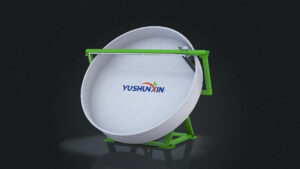
pan granulator for sale

Working Principle of the Disc Granulator

Our disc granulator operates on a straightforward yet effective principle. Installed at a precise incline, the disc rotates, causing the material inside to roll rapidly. As the disk body rotates, the carbon-based fertilizer materials rise to their highest point before falling vertically under the influence of a strategically placed scraper. During the rotation, carcoal-based fertilizer particles experience a centrifugal force, pressing them against the disk wall where they undergo extrusion and rolling, gradually forming into pellets. These biochar fertilizer pellets eventually overflow from the edge of the disc as they reach the desired size.

How charcoal-based fertilizer goes from composting to pelletizing

The process of transforming compost into carbon- based granulated fertilizer begins with the composting stage. Compost produces high temperatures of 60 degrees or more to kill disease and insect eggs and weed seeds. where organic waste decomposes into rich, nutrient-dense material.  Following composting, the material will be crush, so that can better to granulate. And then you can send carcoal-based fertilizer materials into disc granulator, where it is mechanically forced into dense, uniform pellets. The end result is a high-quality, sustainable fertilizer that is easy to distribute and beneficial for plant growth.

Features of Our Company’s Disc Granulator

High Pelletizing Rate:

Our disc granulator achieves an impressive 95% pelletizing rate, minimizing waste and maximizing output.

Wet Pelletizing Method:

This technique not only ensures the structural integrity of the pellets but also enhances their appearance, making them more marketable.

Production Capacity:

Capable of producing 4-6 tons of high-quality fertilizer per hour, our granulator is designed for both small and large-scale operations.

Competitive Pricing:

Priced between $800 and $16,000, our granulator offers exceptional value, combining top-tier technology with affordability.
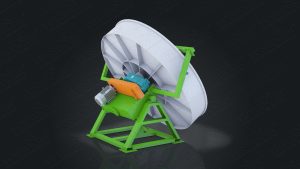
pan granule machine for sale

Conclusion

Leverage the advanced technology of our disc granulator to elevate your charfertilizer production. With its high efficiency, aesthetic pellet output, and robust design, it’s an invaluable asset for any fertilizer production business. For more details or to arrange a demonstration, please contact us at info@charbasedfertilizermachine.com
 

Biochar organic fertilizer manufacturing

In an age where sustainability and environmental consciousness are paramount, the quest for organic solutions permeates every aspect of our lives, including gardening and agriculture. Biochar organic fertilizers making, in particular, have gained significant traction due to their eco-friendly nature and ability to enhance soil health while nurturing plant growth.

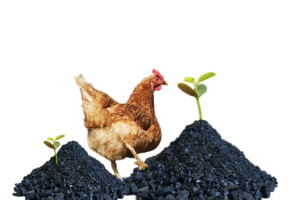
biochar and chicken dung

Why we Need to Make Biochar Organic Fertilizer

Biochar organic fertilizers manufacturing, unlike their synthetic counterparts, are derived from natural sources such as animal manure, compost, plant residues, and organic minerals. They are rich in essential nutrients like nitrogen, phosphorus, and potassium, along with a host of micronutrients vital for plant development.

The Benefits of Making Biochar Organic Fertilizer

Biochar organic fertilizer production has many advantages, which includes help environment, cost-effective and enhanced soil health.

  • Environmental Friendliness: By utilizing organic materials readily available in your surroundings, you reduce reliance on chemical-laden commercial fertilizers, thereby minimizing environmental pollution and soil degradation.
  • Cost-Effective: Homemade organic fertilizers are often cheaper than store-bought alternatives, making gardening more affordable in the long run.
  • Enhanced Soil Health: Organic fertilizers improve soil structure, promote microbial activity, and enhance water retention capacity, fostering a conducive environment for plant growth. You can click here to view more.

How to Craft Your Own Biochar Organic Fertilizer

Step 1: Gather Your Ingredients

  • Nitrogen Sources: This includes materials like composted manure, poultry litter, or legume cover crops.
  • Phosphorus Sources: Bone meal, rock phosphate, or fish bone are excellent choices.
  • Potassium Sources: Wood ash or potassium sulfate are effective options.
  • Micronutrient Boosters: Seaweed, kelp meal, or eggshells can provide essential trace minerals.

Step 2: Mix in the Right Proportions

Aim for a balanced N-P-K ratio (Nitrogen-Phosphorus-Potassium) suitable for your plants’ needs. A general ratio of 1:2:1 works well for most garden plants, but adjustments can be made based on soil tests and plant requirements.

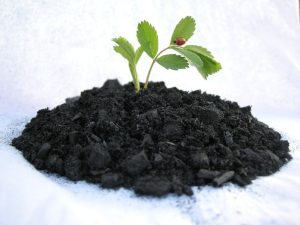
biochar fertilizer
biochar organic fertilizer

Step 3: Composting and Fermentation

Combine your ingredients in a compost bin or designated area. Ensure proper aeration and moisture levels for microbial activity. Allow the mixture to decompose and ferment over several weeks to months, periodically turning and watering it as needed.

Step 4: Application

Once the organic matter has fully decomposed into a dark, crumbly texture, it’s ready for use. Apply the fertilizer to the soil around your plants, avoiding direct contact with stems or leaves.

Water the area thoroughly to help nutrients penetrate the soil and reach plant roots.

The Essence of Biochar Organic Fertilizers

Biochar organic fertilizers making, unlike their synthetic counterparts, are derived from natural sources such as animal manure, compost, plant residues, and organic minerals. They are rich in essential nutrients like nitrogen, phosphorus, and potassium, along with a host of micronutrients vital for plant development.

In a world where sustainability is no longer an option but a necessity, embracing organic practices like homemade fertilizer production is a small yet significant step towards a greener future. By harnessing the power of nature’s bounty and recycling organic waste into nutrient-rich soil amendments, we not only promote healthier ecosystems but also reap the rewards of bountiful harvests and flourishing gardens.

In a world where sustainability is no longer an option but a necessity, embracing organic practices like homemade fertilizer production is a small yet significant step towards a greener future. By harnessing the power of nature’s bounty and recycling organic waste into nutrient-rich soil amendments, we not only promote healthier ecosystems but also reap the rewards of bountiful harvests and flourishing gardens. If you want to learn about more, then you can click to this web to learn more: https://www.charbasedfertilizermachine.com/product/organic-fertilizer-manufacturing/.