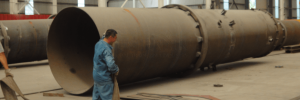
Odor Control Solutions in Organic Waste Fermentation: How Sealed Fermentation Systems Make It Possible

Unpleasant odor is one of the biggest challenges during organic waste fermentation. Whether it comes from livestock manure, food waste, or sludge, the smell of ammonia and hydrogen sulfide often causes environmental complaints and operational difficulties. For many fertilizer producers, the question is not only how to reduce odor, but how to make fermentation clean and efficient. That’s where an organic fermentation tank comes in.


1. Why Odor Occurs During Fermentation

In open composting piles, organic matter decomposes under uncontrolled temperature and oxygen conditions. This anaerobic environment easily generates strong odors and greenhouse gases. When moisture or aeration is poorly managed, microorganisms break down nitrogenous compounds into volatile gases, producing the typical “rotten smell.”
Therefore, odor control starts with creating a controlled aerobic environment where oxygen supply and temperature are balanced.


2. How a Sealed Fermentation Tank Reduces Odor

Modern organic fertilizer fermenters or in-vessel composting systems solve this problem through closed and automated control.
Inside the organic waste fermentation vessel, air flow, temperature, and moisture are precisely regulated by sensors. The sealed structure prevents gas leakage, while an internal aeration system promotes aerobic microbial activity.

Odorous gases produced in the process are collected and directed into biofilters or deodorizing towers for secondary treatment. This not only removes smells but also prevents secondary pollution—something open composting cannot achieve.


3. Design Features That Matter Most

Producers often focus on three key factors:

  • Air circulation system: ensures complete oxygen distribution and prevents anaerobic spots.

  • Temperature and pH monitoring: helps maintain the optimal microbial activity zone (50–65°C).

  • Gas collection and filtration unit: captures ammonia, methane, and other volatile gases.

An advanced organic fermentation reactor integrates all these into one compact unit, making continuous odor-free composting possible even in urban or enclosed areas.

biofertilizer ferment pot

4. Benefits Beyond Odor Control

Besides odor elimination, using a closed composting tank shortens fermentation time—from 30 days to as few as 7 days—and improves the hygienization of final fertilizer. The process becomes cleaner, faster, and easier to manage, aligning with modern environmental and agricultural standards. Learn more! 


Conclusion

Odor control in organic waste composting is no longer a challenge when using an organic fermentation tank system. With enclosed design, automated monitoring, and efficient gas treatment, these systems enable sustainable and odor-free fertilizer production—benefiting both producers and the surrounding environment. If you need a organic fermentation pot, welcome to visit: https://www.biofertilizerproduction.com/product/fermenter-for-biofertilizer-production/
Гранулятор технического углерода: делаем применение углерода более эффективным и экологичным

С развитием промышленности технический углерод становится важнейшим сырьевым материалом, широко используемым в производстве резины, пластика, чернил, красок, батарей и других областях. Однако сам по себе технический углерод представляет собой сверхмелкий порошок, который легко поднимается в воздух, вызывая не только потери сырья, но и ухудшение условий труда и вред здоровью работников. Для решения этих проблем, а также для повышения эффективности транспортировки, хранения и дальнейшей переработки технического углерода, был создан гранулятор технического углерода, который стал идеальным выбором для повышения ценности продукта и эффективности производства на многих предприятиях.

Гранулирование-технического-углерода

Что такое гранулятор технического углерода?

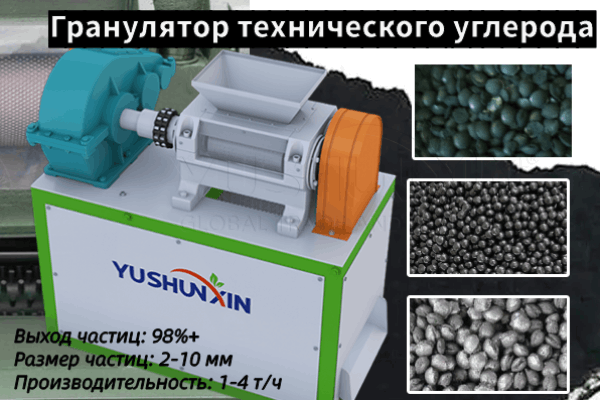
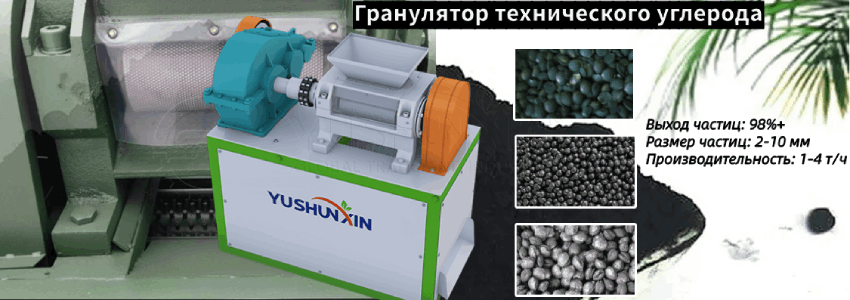
Гранулятор технического углерода — это специализированное оборудование, которое превращает рассыпчатый углеродный порошок в однородные гранулы. С помощью механического прессования, перемешивания, распыления и других методов порошок тщательно смешивается, формируется в шарики, и в итоге получаются гранулы одинакового размера и необходимой прочности. Существуют разные типы грануляторов, такие как дисковые, барабанные, экструзионные — выбор зависит от требуемой производительности и свойств углерода.

Преимущества гранулятора технического углерода

1. Снижение пылевого загрязнения и улучшение условий труда
Технический углерод в виде порошка сильно пылит, а гранулированный материал заметно уменьшает концентрацию пыли в помещении, защищая здоровье работников и соответствуя требованиям экологического производства.

2. Удобство транспортировки и хранения
Гранулированный углерод не поднимается в воздух во время транспортировки и хранения, обладает большей насыпной плотностью, экономит складские площади и уменьшает потери сырья.

3. Повышение эффективности дальнейшего применения
Гранулы углерода легче диспергируются и имеют лучшую текучесть при смешивании с резиной, пластиком и другими материалами, что облегчает автоматическую подачу, повышает качество продукции и эффективность производства.

4. Значительный экономический эффект
Снижение потерь сырья и повышение добавленной стоимости продукции помогают предприятиям занять устойчивые позиции на рынке.

Сферы применения гранулятора технического углерода

– Изделия из резины: шины, уплотнители, рукава и др.
– Пластиковые изделия: мастербатчи, пластиковые трубы и др.
– Чернила и краски: пигменты, электропроводящие покрытия и др.
– Новые источники энергии: проводящие добавки для литиевых аккумуляторов и др.

Продаётся-машина-для-гранулирования-технического-углерода

Рекомендации по выбору и эксплуатации гранулятора

Для выбора подходящего гранулятора необходимо учитывать размер частиц углерода, влажность, требуемую производительность и другие параметры. Например, дисковые грануляторы подходят для случаев с высокими требованиями к однородности гранул, барабанные — для крупных производств. В процессе эксплуатации важно контролировать соотношение материалов и жидкостей, регулярно очищать оборудование и поддерживать рабочее состояние всех узлов для обеспечения стабильного и эффективного гранулирования.

С усилением экологических требований и стремлением предприятий к высокой эффективности, гранулятор технического углерода стал важным инструментом в углеродной промышленности. Он не только повышает ценность продукта, но и приносит двойную выгоду — экономическую и экологическую. Если ваше предприятие ищет эффективное и экологичное решение для работы с техническим углеродом, обратите внимание на современный гранулятор — пусть ваш производственный процесс выйдет на новый уровень!

Если вы хотите узнать больше о выборе, стоимости или технических деталях грануляторов технического углерода, оставляйте комментарии — мы предоставим профессиональные консультации и сервис. Более подробную информацию можно найти на сайте:https://www.granulyator.com/product/granulyator-tekhnicheskogo-ugleroda/

How Can Carbon-Based Fertilizer Production Machinery Benefit Chicken Farmers?

Modern poultry farms generate large volumes of chicken manure every day. This bird dung, if not properly treated, can create environmental pressure and waste valuable resources. Carbon-based fertilizer production machinery provides an integrated solution for this challenge. Through scientific processing procedures, chicken manure becomes high-value carbon-based fertilizer granules or pellets. These machines allow chicken farmers to transform waste into useful products while enhancing sustainability and operational efficiency. In the complete production process, multiple devices such as carbonization equipment, crushing machines, granulators, drying machines, and packing machines play important roles. Therefore, understanding the key raw materials and specific processing equipment helps farmers choose suitable carbon fertilizer production lines for their farms.


What Raw Materials Are Suitable for Carbon-Based Fertilizer Production from Chicken Manure?

Chicken manure acts as the primary raw material in carbon-based fertilizer production. However, it often combines with other organic substances to improve overall carbon content and enhance granulation quality. Common auxiliary materials include rice husks, sawdust, straw powder, crop residues, coconut shells, and other powdered biomass sources. These powdered or granulated materials contain rich carbon elements that support biochar preparation and carbon fertilizer manufacturing. During the carbonization process, chicken dung and these carbon-rich materials convert into carbon powder or powdery biochar through a carbonization furnace or pyrolysis equipment. The resulting carbonized material then blends with fermented chicken manure to create carbon-based fertilizer powder. This combination balances nutrient levels and ensures good granule formation in the subsequent granulating procedure. Therefore, suitable material selection directly influences carbon fertilizer quality and production efficiency.

Organic Fertilizer Raw Materials


How Does the Chicken Manure Carbon-Based Fertilizer Production Process Work?

The carbon-based fertilizer production procedure involves several essential stages. At the beginning, a compost machine facilitates the fermentation of fresh chicken manure to reduce moisture and odor. After fermentation, a carbon fertilizer grinder machine or crushing machine grinds the dried materials into fine powder or small particles. This powder preparation improves uniformity during granulation. Next, a granulator—such as a disc granulator, flat die granulator, or double roller extrusion granulator—forms the powdered mixture into uniform granules or pellets. The granulation process transforms loose powder into durable particles suitable for storage and application. After granulating, a drying machine removes excess moisture from the pellets to ensure stability. Finally, a packing machine completes the manufacturing process by sealing the carbon-based fertilizer products. The entire production line demonstrates a continuous and controllable carbon fertilizer manufacturing procedure, which enables chicken farmers to manage manure efficiently and create marketable fertilizer granules.

biofertilizer granulators.

Which Machine Features Bring Efficiency to Chicken Manure Carbon-Based Fertilizer Production?

Each type of carbon-based fertilizer production machinery offers special features that improve efficiency for chicken farmers. For instance, carbonization equipment provides stable temperature control to guarantee consistent carbon powder output. The carbon fertilizer grinder machine ensures uniform particle size and smooth granulation. The granulator determines pellet density and shape, affecting the final carbon-based fertilizer granules’ quality. Meanwhile, drying and packing machines reduce labor intensity and secure long-term product storage. When all devices operate in coordination, the production line achieves continuous operation and energy efficiency. The integration of these machines allows chicken manure to become a valuable carbon-rich fertilizer product rather than a waste management issue. Consequently, chicken farmers can reduce manure disposal costs, expand income channels, and contribute to resource recycling.


Conclusion

Carbon-based fertilizer production machinery empowers chicken farmers to convert bird manure into carbon fertilizer granules through efficient and controlled processes. With proper equipment selection—from carbonization furnaces to granulators and dryers—the entire production procedure maintains product quality and environmental performance. As the agricultural sector increasingly values sustainable manure utilization, specialized equipment manufacturers provide modern solutions. A professional fertilizer equipment manufacturer—Yushunxin—offers advanced carbon-based fertilizer production machinery that supports chicken farmers in creating high-quality carbon fertilizer products and realizing the full value of their poultry waste resources. You can visit: https://www.charbasedfertilizermachine.com/product/chicken-dung-and-biochar-as-fertilizer/

How to Select the Right Machinery for Liquid Biofertilizer Manufacturing

Understanding the Role of Equipment in Liquid Fertilizer Production

The performance of a liquid biofertilizer production system largely depends on the reliability and precision of its equipment. From nutrient blending to microbial activation and liquid filling, each process requires machines that maintain stable reaction conditions and minimize contamination. For investors or plant operators, choosing the right liquid fertilizer making equipment means achieving consistent product quality and higher operational efficiency.


1. Check Compatibility with Raw Materials

Different biofertilizer plants process various materials—such as biogas slurry, animal manure filtrate, or plant extracts. The selected bio liquid fertilizer processing unit should be compatible with these substrates in terms of viscosity, solids content, and nutrient balance. For instance, tanks with internal agitators and filters are suitable for slurry-type materials, while reactors with pH and temperature control are ideal for microbial culture-based fertilizers.


2. Consider Automation and Process Integration

Modern liquid biofertilizer manufacturing plants often include automated batching systems, metering pumps, and PLC control. Automation not only improves dosing accuracy but also reduces labor cost by up to 30%. When choosing equipment, it’s important to confirm whether it supports real-time data monitoring or can connect with other process units, such as water treatment, nutrient blending, and liquid filling lines. Learn more! 


3. Material Quality and Maintenance

Since liquid biofertilizer production involves acidic or nutrient-rich liquids, corrosion resistance is a key concern. Most biofertilizer equipment manufacturers recommend 304 or 316 stainless steel for tanks and pipelines. These materials ensure durability and hygiene while extending service life beyond 10 years with proper maintenance. Easy access for cleaning and CIP (clean-in-place) systems are also worth considering for large-scale operation.


4. Capacity Planning and System Layout

Before purchasing, calculate the daily output target—whether 1–10 tons/day for a small liquid fertilizer workshop or 50 tons/day for an industrial-scale plant. Equipment layout should allow smooth material flow from feeding to packaging, minimizing energy loss and cross-contamination. Modular configurations are ideal if you plan to expand production later.


5. Partnering with a Reliable Equipment Supplier

For complex projects, cooperation with experienced manufacturers such as YUSHUNXIN can help design a customized liquid biofertilizer production line according to your formula, site size, and automation level. A professional supplier can provide not only machines like reaction tanks, blending units, and filling machines, but also engineering guidance for installation and startup.


Final Thought

Choosing the right liquid biofertilizer making system involves balancing cost, capacity, and process control. By evaluating raw material adaptability, automation design, and long-term maintenance, you can build a stable and scalable production setup that ensures both fertilizer quality and sustainable operation. If you need a business plan, you can visit: https://www.biofertilizerproduction.com/product/liquid-biofertilizer-production-technology/

Раскрываем секреты крупногабаритной барабанной грануляционной машины для известняка: эффективное гранулирование на службе зеленой горнодобычи и промышленности

С развитием экологической политики и повышением уровня автоматизации промышленности, применение известняка в строительных материалах, металлургии, химической промышленности, экологической очистке становится все шире. Традиционные методы обработки известняка уже не отвечают современным требованиям к эффективности, экологичности и устойчивому развитию. Крупногабаритная барабанная грануляционная машина для известняка появилась как эффективное оборудование для превращения известнякового порошка в гранулы, удобные для хранения, транспортировки и дальнейшего использования. В этой статье мы подробно рассмотрим преимущества, принцип работы и перспективы применения такой машины.

Coating machine for biofertilizer granules making

1. Что такое крупногабаритная барабанная грануляционная машина для известняка?

Крупногабаритная барабанная грануляционная машина для известняка — это оборудование непрерывного действия с высоким уровнем автоматизации, предназначенное для гранулирования известнякового порошка. Основная конструкция — вращающийся цилиндр, внутри которого материал при вращении непрерывно перемешивается, сталкивается и слипается, а с добавлением воды или другого связующего постепенно формируются прочные и однородные гранулы.

2. Принцип работы

Известняковый порошок и необходимое количество воды или связующего равномерно поступают в вращающийся барабан через систему подачи. За счет медленного вращения барабана материал приподнимается, падает, перемешивается и скатывается. Под действием жидкости и механического смешивания частицы собираются в более крупные гранулы, которые становятся прочными и однородными. Готовые гранулы выводятся через выходное отверстие и могут быть сразу использованы на следующем этапе или реализованы.

3. Основные преимущества

Высокая производительность
Оборудование рассчитано на обработку крупных объемов известнякового порошка, производительность одной машины может достигать десятков тысяч тонн в год, что подходит для крупных производств.

Однородность гранул и управляемое качество
Процесс грануляции стабилен, получаемые гранулы имеют одинаковый размер, округлую форму и высокую прочность, что облегчает транспортировку и хранение.

Экологичность, снижение пылеобразования
Гранулирование порошка значительно уменьшает образование пыли и загрязнение окружающей среды, что соответствует требованиям экологической безопасности.

Универсальность
Возможно регулирование параметров грануляции в зависимости от свойств исходного материала: размера частиц, влажности, связующих и др.

Автоматизация
Система автоматического управления обеспечивает дистанционный мониторинг и интеллектуальное регулирование, уменьшает необходимость ручного труда и повышает безопасность работы.

Производство-барабанных-грануляторов

4. Области применения

Строительная промышленность
Гранулированный известняк используется для производства цементного клинкера, известковых изделий и других строительных материалов.

Металлургия
В качестве флюса для сталеплавильного производства, для удаления серы, образования шлака — гранулированный известняк удобен в использовании и полностью реагирует.

Химическая промышленность и экология
Применяется для производства карбоната кальция, очистки дымовых газов от SO₂, нейтрализации сточных вод. Гранулированный материал быстро вступает в реакцию и легко утилизируется.

Сельское хозяйство
Гранулы известняка используются как средство для улучшения почвы и увеличения pH, что способствует росту урожая.

5. Рекомендации по выбору и эксплуатации

Выбирайте размер и материал барабана в соответствии с необходимой производительностью. Нержавеющая сталь или износостойкие футеровки продлевают срок службы оборудования.
– Обращайте внимание на герметичность оборудования и наличие системы пылеудаления для соблюдения экологических требований.
– Регулярно проверяйте состояние вращающегося барабана, скребков и системы орошения, осуществляйте своевременное техническое обслуживание для предотвращения неисправностей.

Использование крупногабаритной барабанной грануляционной машины для известняка значительно повышает добавленную стоимость и эффективность использования материала, способствует развитию зеленой горнодобывающей, строительной и химической промышленности. Выбор качественного оборудования обеспечит вашему предприятию высокую прибыль и конкурентоспособность на рынке.

Если у вас есть вопросы по технологии гранулирования известняка или оборудованию — пишите в комментариях! Давайте вместе строить эффективное и экологичное индустриальное будущее. Более подробную информацию можно найти на сайте:https://www.granulyator.com/product/granulyator-izvestnyaka/

Designing Efficient Liquid Fertilizer Production Lines: Equipment and Solutions for Every Scale

1. Why Professional Design Matters in Liquid Fertilizer Production

Starting a liquid fertilizer business is more than buying individual machines. A well-designed liquid fertilizer plant ensures consistent product quality, optimized workflow, and energy efficiency. As solution providers, we focus on creating customized production lines that meet different raw material types, plant capacities, and budget constraints.

Proper design considers key steps such as raw material preparation, mixing, fermentation, nutrient blending, and filling, helping clients avoid common bottlenecks like uneven nutrient distribution or excessive downtime.

2. Core Equipment in a Liquid Fertilizer Plant

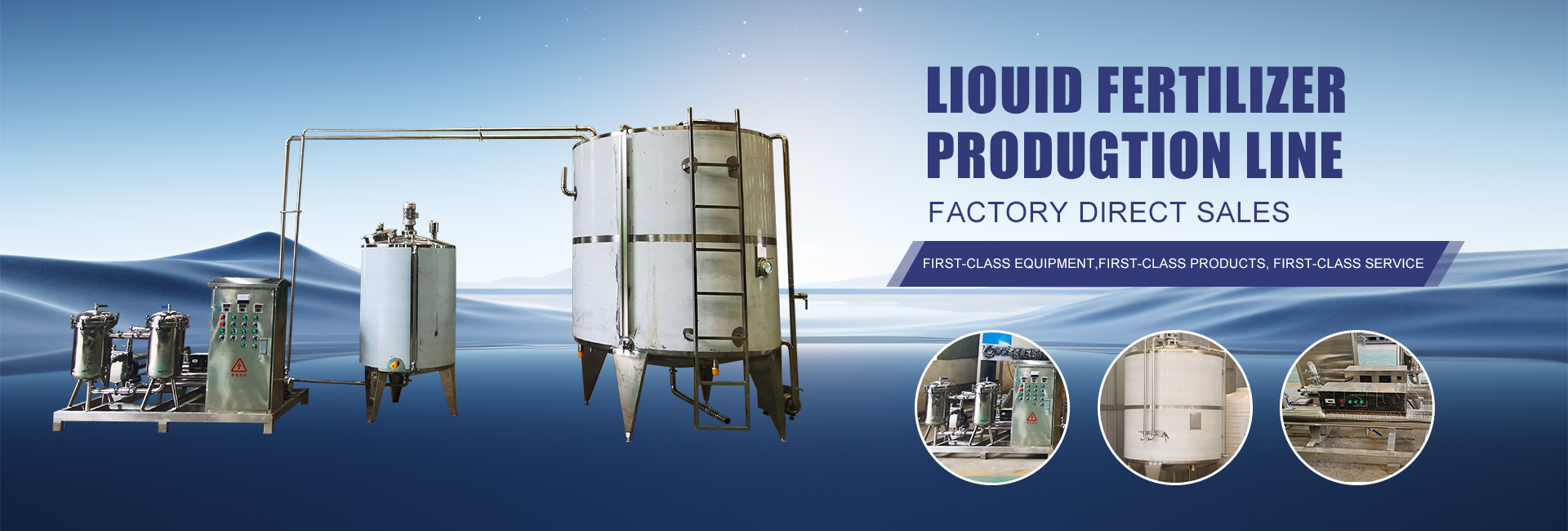
A complete liquid fertilizer production line integrates specialized machines for each stage:

Raw Material Handling & Pre-treatment:
Pumps, screens, and mixers ensure that organic and mineral raw materials are prepared for uniform processing.

Fermentation Tanks & Reactors:
Designed for aerobic or anaerobic processes, these tanks help microbial inoculants activate efficiently, producing high-quality bio-liquid fertilizer.

Nutrient Blending Systems:
Automated mixing systems allow the addition of NPK, trace elements, or bio-stimulants, supporting customized fertilizer formulations.

Filtration & Sterilization Units:
These systems remove solids, prevent contamination, and ensure product stability for storage and transport.

Filling & Packaging Equipment:
Automatic liquid fertilizer filling machines provide precise dosing and clean packaging, reducing labor costs and increasing operational safety.

Liquid fertilizer production line setup

3. Flexible Solutions for Different Production Goals

Liquid fertilizer production lines can be tailored to:

Small-scale farms: Simple mixing and fermentation tanks with manual or semi-automatic filling.

Medium-scale plants: Automated nutrient blending and filtration for steady output.

Large-scale industrial operations: Continuous production with high-capacity reactors, fully automated filling, and quality control systems.

This flexibility ensures that every client can scale operations while maintaining product consistency and reducing operational risks.

4. Designing Your Liquid Fertilizer Plant for Maximum Efficiency

As equipment designers, YUSHUNXIN focus on integrating workflow optimization, energy efficiency, and low maintenance. Proper layout planning minimizes material handling steps and shortens production cycles. This approach benefits both startups and experienced producers aiming to increase output or introduce new liquid fertilizer products.

For detailed designs, equipment lists, and customizable solutions, visit: Liquid Fertilizer Plants Solutions