how to compost pig manure

Composting pig manure is an effective way to transform a waste product into a valuable resource. Pig manure is high in nitrogen, phosphorus, and potassium, making it an excellent source of nutrients for plants. However, it can also be a source of pollution if not managed properly. In this article, we will discuss the steps for composting pig manure to create a nutrient-rich soil amendment for your garden.

Aniaml Manure for Organic Fertilizer Production

Step 1: Collecting Pig Manure

The first step in composting pig manure is to collect it. Pig manure can be collected using a shovel or a manure scraper. It is important to collect only the manure and not the bedding material, as the bedding material will slow down the composting process. Pig manure can be collected in a pile or a bin. If collecting in a pile, it is recommended to turn the pile regularly to ensure proper aeration and decomposition.

Step 2: Preparing the Composting Site

The composting site should be located in a well-drained area and away from water sources, such as streams or ponds. The site should be sunny, as the heat from the sun will help to accelerate the composting process. The composting site should be level and have good air circulation. The site should be prepared by removing any grass or vegetation, and a layer of gravel or wood chips should be added to the bottom to aid in drainage.

Step 3: Building the Compost Pile

The compost pile should be built in layers, starting with a layer of dry, carbon-rich material such as straw or leaves. This layer should be about 6 inches thick. Next, add a layer of pig manure, about 2 to 3 inches thick. Repeat this layering process until the pile is about 3 to 4 feet tall. The top of the pile should be covered with a layer of straw or leaves to help retain moisture.

Step 4: Maintaining the Compost Pile

The compost pile should be kept moist but not wet. If the pile is too wet, it may become anaerobic, which will slow down the composting process and create an unpleasant odor. The pile should be turned regularly to ensure proper aeration and decomposition. The pile should be turned every 3 to 5 days, or when the internal temperature of the pile drops below 100°F. The internal temperature of the pile can be measured using a compost thermometer.

Step 5: Harvesting the Compost

The compost pile will be ready to harvest when it has decomposed into a dark, crumbly, soil-like material. This process can take anywhere from 6 to 12 months, depending on the size of the pile and the environmental conditions. To harvest the compost, the pile should be turned onto a tarp or into a wheelbarrow. Any large pieces of material should be removed, and the compost should be screened to remove any remaining debris.

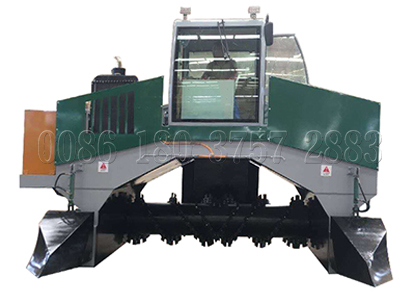
Windrow Compost Turner

In conclusion, composting pig manure is an effective way to transform a waste product into a valuable resource. By following these simple steps, you can create a nutrient-rich soil amendment for your garden while reducing waste and preventing pollution. Remember to always wear gloves and wash your hands thoroughly after handling pig manure. Happy composting!

Of course, you can check this page for more details about the design and structure of the pig manure machine!

How to Compost Pig Manure

Tips For Setting Up An Organic Fertilizer Manufacturing Plant

Setting up an organic fertilizer manufacturing plant can be a long and difficult process. If you’re trying to get a plant up and running, and you’re feeling overwhelmed, you should keep these guidelines in mind. These are a few of the things you’ll want to do to keep your plant in great shape.

Aniaml Manure for Organic Fertilizer Production

Invest In The Right Equipment

You should make sure you have all of the equipment that you need to keep your plant in good running order. It’s possible to buy the equipment you need piece by piece, but in many cases, you’ll find that the most effective way for you to handle things is to purchase a full production line.

If you do choose to buy your equipment bundled, you’ll want to look closely at all of the organic fertilizer machinery that is included as part of that bundle. You should make sure that the equipment you’re buying meets or exceeds your standards.

Be Aware Of Legal Requirements

You can’t just say that the fertilizer you’re producing is organic. There are actually strict legal guidelines that will need to be met. You should make sure that you’re familiar with any and all legal requirements that you need to follow. Start looking into these guidelines as soon as possible.

Industrial vermicomposting equipment

If these guidelines seem difficult to comply with, or if you’re going to be manufacturing fertilizer for your own personal use, you may want to consider making natural orgnaic fertilizer instead. “Natural” is not a legal term, and because of it, it doesn’t have the same kinds of guidelines that “organic” does.

Use Your Space Efficiently

You’ll have a limited amount of space for the machinery in your plant, which is why you’ll want to make sure you use the space that you have wisely. Before purchasing equipment, you should measure the space that your equipment will be housed in.

200000 Ton Large Scale Compost Fertilizer Production Line from SEEC

When you’re deciding what machinery to buy and where to place it, you’ll want to make sure that people are able to move around the equipment. If your equipment is packed together too tightly, it may be difficult for you to access your machinery when basic maintenance tasks need to be performed. That could cause major issues down the line. Detailed info on organic fertilizer production process, welcome to https://www.fertilizer-plants.com/organic-fertilizer-manufacturing-plant/

Make Maintenance A Priority

Once everything has been set up, you’ll want to work to keep the equipment you’ve purchased in the best condition possible. To aid in this, you should make maintenance one of your main priorities. Ideally, all of the organic fertilizer production equipment that you’re purchasing should be cleaned and inspected regularly.

You may want to establish a maintenance schedule so that these important tasks aren’t neglected. Make sure that workers know what they need to do to keep this machinery in good working order.

Follow these tips if you want to have a better experience when setting up an organic fertilizer manufacturing plant. You should take steps to ensure that your plant runs efficiently and steps to avoid problems down the road. With this advice, you’ll be able to produce organic fertilizer and maintain a profitable plant.

Tips For Processing Huge Quantities Of Cow Dung Wastes

Do you have a huge amount of cows inside your cow farm? Are you experiencing difficulity working with the huge quantity of cow dung waste produced daily? Do you need to understand how you need to process large volumes of cow dung wastes inside your cow farm? If the solution to these questions is yes, you might have come to the correct place.

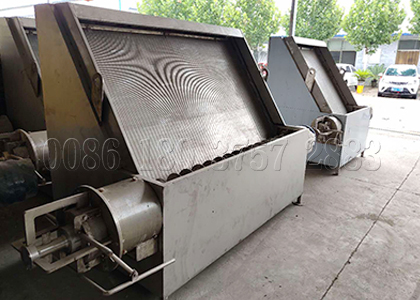
Dewatering machine for cow dung processing

While cow dung has become traditionally employed in many parts around the globe as being an organic fertilizer for many years, hardly any people are aware of the huge nutrients and vitamins of the organic cow dung fertilizer. Also, preparing organic fertilizer from cow dung at small scale is pretty easy as it doesn’t require an excessive amount of manual effort but doing the work with a huge scale is a whole different task. Thankfully, you will find mechanical solutions on the market today that allow you to turn huge amount of cow dung waste into organic fertilizer through the procedure of composting.

Cow Dung Compost Machine

Fresh cow dung is filled with viruses and parasites, and it needs to be properly fermented to be used being an organic fertilizer. In order to convert it into organic fertilizer at the large, you will have to purchase machines that have been created specifically to process cow dung or another biomass material into compost. Here is what you ought to find out about making organic fertilizer with cow dung waste.

Fresh cow dung is better for composting in comparison with old cow dung. Therefore, fresh cow dung has to be collected to start the composting process. It is important to ensure that the water content of fresh cow dung is approximately 60%. Higher or lower moisture content will change the composting process. Machines are available in the market which will help you with maintaining the proper moisture content. 60% moisture content is ideal for proliferation of aerobic bacteria which is responsible for fermentation of your cow dung.

Since you will have a large cattle farm and gain access to plenty of fresh cow dung waste, it is recommended to employ a leavening agent to get the fermentation process started. The fermentation process can occur without the leavening agent but adding the agent towards the material can help in kick starting the procedure and permit you to finish the composting process quicker. You don’t need too much of it as a around 250 g of leavening agent is typically enough to process around a lot of fresh cow dung waste. Go to https://fertilizerequipmentmanufacturer.com/cow-dung-fertilizer-machine/ choose your best cow manure processing machines.

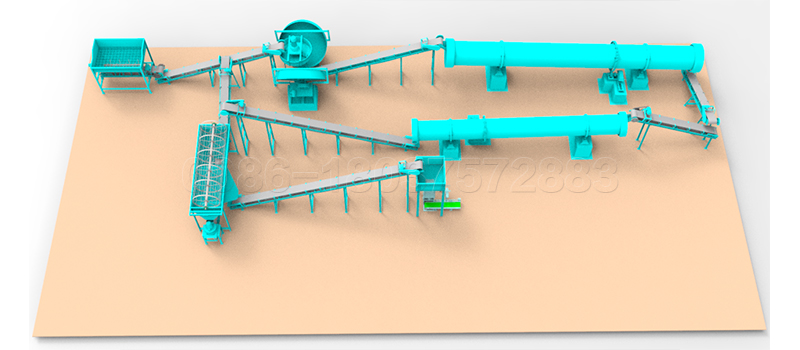
Fertilizer Production Line for Cow Dung Disposal

You can find multiple approaches to compost the cow dung waste. If you utilize the windrows method, you will have to accumulate the raw material in rows using a width of about 1 to 2 m and a height close to 1.2 m. If you intend to use a fermentation tank, this product should be transferred into the tank to permit the composting process to begin. This whole process should take around 20 days. When the organic fertilizer is ready, you possess alternative methods to hold it. For instance, you could make fertilizer pellets with the aid of a granulating machine. You can also pack it in big bags.

Overall, one of the most profitable way to handle large amount of cow dung waste is to invest in a composting answer to convert cow dung waste into organic fertilizer that is in huge demand today. Following the aforementioned tips should help you in picking the right technique for handling cow dung waste.