The Comprehensive Guide to Cat Litter Production

Cat litter, an indispensable product for cat owners worldwide, undergoes a meticulous production process to ensure its effectiveness in odor control and moisture absorption. From the preparation of raw materials to the final packaging stage, each step plays a crucial role in delivering a high-quality product. In this comprehensive guide, our company SX delve into the intricacies of cat litter production, exploring each stage in detail. Click

1. Preparation of Raw Materials

The cat litter production line begins with the careful selection and preparation of raw materials. Primary ingredients such as clay minerals, silica gel, and natural fibers are sourced from reputable suppliers. These raw materials undergo rigorous quality checks to ensure they meet the required standards for cat litter production. Additionally, any additives, such as odor neutralizers or antimicrobial agents, are procured and prepared according to specific formulations.

2. Mixing Materials and Additives

Once the raw materials are assembled, they undergo a series of pretreatment processes to optimize their properties for cat litter production. This may involve washing to remove impurities, drying to achieve the desired moisture content, and grinding to achieve the appropriate particle size. Each raw material is treated with precision to enhance its absorbency and clumping ability, ensuring superior performance in the final product.

3. Crushing Materials

In the crushing stage, raw materials are further processed to achieve the desired consistency and particle size. This step is critical for enhancing the absorbency and texture of the cat litter. Specialized machinery such as crushers and pulverizers are employed to break down the raw materials into uniform particles, ready for the next stage of production.
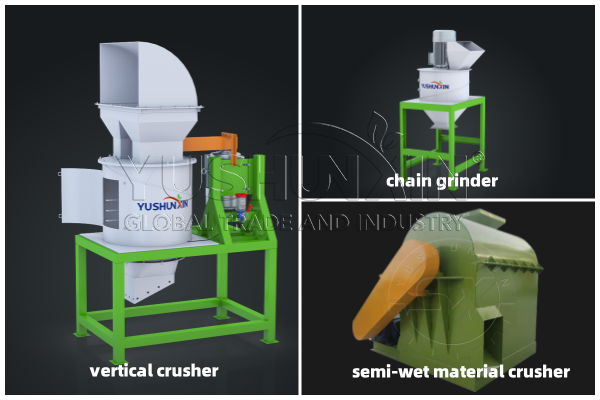
fertilizer crushing machine for cat litter production

4. Sifting Materials

Following the crushing stage, the materials undergo a sifting process to remove any oversized or undersized particles. This ensures uniformity in particle size, essential for consistent performance in absorbing moisture and controlling odor. Fertilizer sifting equipment is utilized to achieve precise particle size distribution, resulting in high-quality cat litter with optimal clumping properties.

5. Mixing Materials and Additives

Once the raw materials are prepared and sifted, they are carefully blended to create the final cat litter formula. Additives such as fragrance enhancers, antimicrobial agents, and moisture-absorbing compounds are precisely measured and added to the mixture according to specific formulations. The mixing process is closely monitored to ensure thorough dispersion of additives, resulting in a homogenous blend ready for granulation.

6. Granulating Cat Litter

Granulation is a crucial stage in cat litter production, where the mixed materials are formed into granules of uniform size and shape. This is typically achieved using a granulator or pelletizer, which compacts the mixture under controlled pressure to create consistent granules. The granulation process enhances the clumping ability and absorbency of the cat litter, ensuring easy scooping and effective odor control.
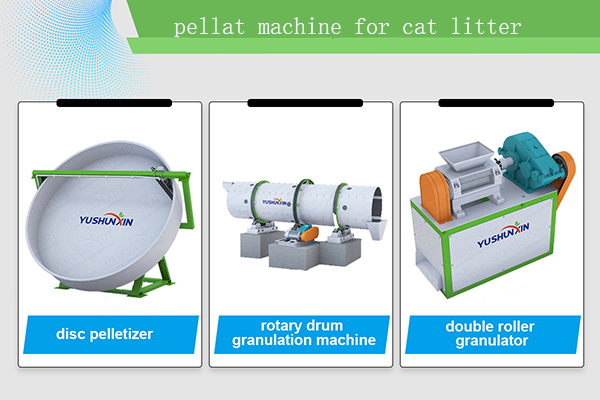
fertilizer pellet machine for cat litter production line

7. Drying, Cooling, and Packing

The final stage of cat litter production involves drying, cooling, and packing the granules for distribution. The granules are carefully dried to remove any remaining moisture, ensuring optimal performance and shelf stability. After drying, the cat litter is cooled to room temperature before being packed into bags or containers of various sizes. Each package is sealed to preserve freshness and prevent moisture ingress, ready to be shipped to retailers and cat owners worldwide.

In conclusion, the production of cat litter is a meticulous process that involves careful selection, preparation, and processing of raw materials to create a high-quality product. From the initial stages of raw material preparation to the final packaging phase, each step is essential in ensuring the effectiveness and reliability of cat litter for maintaining a clean and hygienic environment for cats and their owners. Click https://www.fertilizerequipmentprice.com/cat-litter-production-line/

How to use zeolite as materials to produce cat litter granules


Using Zeolite to Produce Cat Litter Granules

Zeolite, a naturally occurring mineral, has become increasingly popular as a raw material for producing cat litter granules due to its high absorbency, odor control properties, and non-toxic nature. This passage will take you through the process of using zeolite to create cat litter granules, highlighting the benefits and outlining the production steps.

Introduction to Zeolite for Cat Litter

Advantages of Zeolite Cat Litter

Zeolite cat litter offers numerous benefits over traditional clay-based litters. It’s highly porous, which allows it to absorb more moisture and odors, keeping the litter box dry and reducing unpleasant smells. Moreover, zeolite is generally lighter in weight and can be produced in a dust-free form, which is beneficial for both pet and owner health.

Sourcing and Preparing Zeolite

Raw Material Acquisition

The first step to producing zeolite cat litter granules is to source the zeolite in its raw form. Quality zeolite should be free of impurities and contaminants to ensure it is safe for domestic use.

Crushing and Milling

Once sourced, the raw zeolite is processed by crushing and milling it into a fine powder. This powder forms the base of the cat litter granules and should be of a consistent size to ensure even granulation.

The Granulation Process

Forming the Granules

The powdered zeolite is then mixed with a binder, if necessary, to facilitate the formation of granules. The mixture is fed into a granulator machine, where it is tumbled and compacted into the desired granule size. Common types of granulators used in this process include rotary drum granulators or extruders.

rotary drum granulator
zeolite pellets extrusion machine

Drying and Cooling

After granulation, the zeolite granules are often dried to remove any excess moisture, ensuring they maintain their absorbency. Following the drying process, the granules are cooled down to room temperature, stabilizing them and preparing them for packaging.

Enhancing Zeolite Cat Litter Granules

Odor Control Additives

Although zeolite naturally controls odors, additional additives like baking soda or activated charcoal can be incorporated to enhance this property and offer extended odor protection.

Particle Size Optimization

The size of the granules plays a crucial role in the litter’s performance. Smaller granules may clump better and provide more surface area for absorption, while larger granules may be less likely to track out of the litter box but might not control odors as effectively.

Packaging and Branding

Final Quality Control

Before packaging, a final quality control check should be performed to ensure the granules meet the standards for size, absorbency, and dust content. Any off-spec granules can be reprocessed or discarded.

Attractive and Informative Packaging

The packaging for zeolite cat litter granules should not only be robust to avoid spills but also aesthetically pleasing to attract consumers. It should clearly state the benefits and instructions for use to inform potential buyers about the advantages of zeolite cat litter.

Consumer Education and Marketing

Promoting Zeolite’s Benefits

Educating consumers on the advantages of zeolite cat litter over other types is crucial for market acceptance. This education can occur through marketing campaigns, in-store displays, or online information resources.

Environmental Impact

Marketing should also emphasize the eco-friendliness of zeolite, as it is a naturally occurring mineral that is biodegradable and non-toxic, making it a more sustainable option for environmentally conscious pet owners.

Conclusion

Zeolite is an excellent material for producing cat litter granules due to its superior absorbency, natural odor control, and lightweight properties. The production process involves sourcing high-quality zeolite, processing it into a fine powder, granulation, and adding any necessary odor control additives. With proper quality control and effective consumer education, zeolite cat litter can become a preferred choice for pet owners, offering a safe, efficient, and environmentally friendly alternative to traditional litter products. And we can also provide you with many types of zeolite pellets granulating machines.