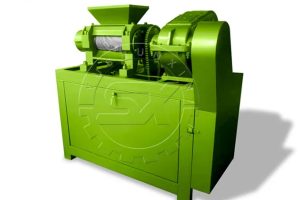
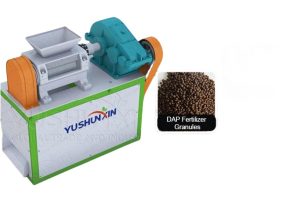
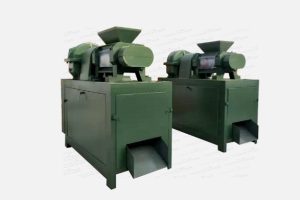
The 5-Ton Per Hour Carbon-Based Fertilizer Double Roller Granulator

In the world of organic fertilizer production, efficiency and quality are paramount. For businesses looking to produce high-quality carbon-based fertilizer, the 5-ton per hour double roller granulator offers an excellent solution. This advanced piece of machinery not only maximizes productivity but also ensures that the end product meets the highest standards of quality. Let’s explore the features, benefits, and applications of this remarkable granulator. If you want to learn more about 5 TPH double roller granulator, you can view our website:https://www.charbasedfertilizermachine.com/product/10-pth-biochar-fertilizer-double-roller-granulation-line/

Key Features

High Production Capacity:

As the name suggests, this granulator is capable of producing up to 5 tons of carbon-based fertilizer per hour of production line. This high throughput makes it ideal for large-scale production facilities looking to meet significant demand.

Advanced Roller Technology:

The double roller system ensures that the granulation process is both efficient and consistent. The rollers compress the raw materials into uniform granules, which enhances the quality of the fertilizer.

Durable Construction:

Built with high-quality materials, this granulator is designed for longevity and durability. It can withstand the rigors of continuous operation, ensuring reliable performance over time.

Energy Efficiency:

Despite its high output, the granulator is designed to be energy efficient. This not only helps in reducing operational costs but also supports sustainable production practices.

Easy Maintenance:

The design of the machine allows for easy access to its components, making maintenance straightforward and minimizing downtime.

Benefits

Consistent Quality: The 5 per hour ton of biochar double roller granulator making line ensures that each granule of fertilizer is uniform in size and composition. This consistency is crucial for the effective application of the fertilizer, leading to better crop yields.

Cost-Effective Production:

By optimizing the granulation process, the 5-ton per hour carbon-based fertilizer granulator production line reduces waste and increases the efficiency of raw material usage. This translates to lower production costs and higher profit margins.

Versatility:

This granulator can process a wide range of carbon-based raw materials, making it suitable for various types of organic fertilizer production. Whether you’re using crop residues, animal manure, or other organic waste, this machine can handle it.

Environmental Sustainability:

Producing high-quality carbon-based fertilizer contributes to soil health and reduces the need for chemical fertilizers. This promotes sustainable agriculture and helps in maintaining ecological balance.

Applications

The 5-ton per hour carbon-based fertilizer double roller granulator producing line is widely used in the agricultural sector, particularly in:

Large-Scale Farms:

For farms that require substantial amounts of fertilizer, this granulator ensures a steady supply of high-quality product.

Commercial Fertilizer Production Plants:

Companies specializing in the production and sale of organic fertilizers can greatly benefit from the high capacity and efficiency of this machine.

Environmental Projects:

Projects aimed at recycling organic waste and converting it into useful fertilizer find this granulator an invaluable asset.

Conclusion

Investing in a 5-ton per hour carbon-based fertilizer double roller granulator is a smart decision for any business looking to enhance its production capabilities and produce top-notch organic fertilizer. With its high efficiency, durability, and ability to produce consistent quality granules, this granulator stands out as a vital tool in the field of organic fertilizer production. Embrace the future of sustainable agriculture with this advanced granulation technology.

A Comprehensive Guide to a 30-Ton Per Hour Carbon-Based Fertilizer Production Line

As the demand for sustainable agriculture grows, carbon-based fertilizers are gaining traction due to their numerous benefits for soil health and crop production. A 30-ton per hour carbon-based fertilizer production line is a robust solution for large-scale agricultural operations, offering efficiency and high output. This blog will provide an overview of the key components, workflow, and advantages of a 30-ton per hour carbon-based fertilizer production line.

Introduction to Carbon-Based Fertilizer

Carbon-based fertilizer combines biochar with organic materials such as animal manure and compost. Biochar, produced through the pyrolysis of organic matter at high temperatures, has a high surface area and porosity, which enhances its ability to retain nutrients and water. When integrated with organic fertilizers, it significantly improves soil structure, fertility, and microbial activity.

Key Components of the 30-Ton Per Hour Production Line

If you want to make 30 TPH biochar production line, there are 9 key ccomponents of steps:

  1. Raw Material Crusher:
    • Crushes organic materials like crop residues and wood into smaller particles suitable for the carbonization process.
  2. Carbonization Furnace:
    • Converts crushed raw materials into biochar through a high-temperature pyrolysis process.
  3. Mixer:
    • Evenly mixes biochar with other organic materials to create a homogenous blend.
  4. Fermentation Tank:
    • Facilitates the fermentation of the mixed materials, enhancing the stability and nutrient content of the fertilizer.
  5. Granulator:
    • Forms the fermented mixture into uniform granules, making it easier to apply and transport.
  6. Dryer:
    • Removes excess moisture from the granules, ensuring they are dry and stable for storage and application.
  7. Cooler:
    • Cools the dried granules to preserve their quality and prevent clumping during storage.
  8. Screening Machine:
    • Screens the cooled granules to ensure uniform size, removing any oversized or undersized particles.
  9. Packaging Machine:
    • Efficiently packages the final product into bags or bulk containers, ready for distribution and use.

Workflow of the Production Line

Then there are important steps of producing 30 ton per hour charcoal-based fertilizer production line.

  1. Raw Material Preparation:
    • Collect and crush organic materials to prepare them for carbonization.
  2. Carbonization:
    • The crushed materials are fed into the carbonization furnace, where they undergo pyrolysis to produce biochar.
  3. Mixing and Fermentation:
    • The biochar is mixed with other organic materials and transferred to fermentation tanks. This process breaks down the organic matter, enhancing its nutrient content and stability.
  4. Granulation:
    • The fermented mixture is fed into the granulator, where it is formed into uniform granules.
  5. Drying and Cooling:
    • The granules are dried to remove excess moisture and then cooled to maintain their quality and prevent clumping.
  6. Screening and Packaging:
    • The granules are screened for uniform size and then packaged for distribution and use.

Advantages of the 30-Ton Per Hour Carbon-Based Fertilizer Production Line

Then there are advantages of the 30 ton per hour char-based ferrtilizer production line:

  1. High Production Efficiency:
    • With a capacity of 30 tons per hour, this production line can meet the demands of large-scale agricultural operations, ensuring a steady supply of high-quality fertilizer.
  2. Enhanced Soil Health:
    • The carbon-based fertilizer improves soil structure, water retention, and nutrient-holding capacity, promoting healthier crops and higher yields.
  3. Sustainability:
    • Utilizing crop residues and organic waste to produce biochar and fertilizers reduces environmental pollution and promotes sustainable agriculture.
  4. Cost-Effective:
    • The production line’s high efficiency and output lower the overall production costs, making it a cost-effective solution for large-scale fertilizer production.
  5. Environmental Benefits:
    • Biochar’s ability to sequester carbon helps mitigate climate change by reducing greenhouse gas emissions.
  6. Improved Crop Quality:
    • The use of carbon-based fertilizers enhances crop growth and quality, resulting in higher market value and better returns for farmers.

Conclusion

A 30-ton per hour carbon-based fertilizer production line offers a powerful solution for modern agricultural needs, combining efficiency, sustainability, and high output. By integrating advanced technologies and processes, it ensures the production of high-quality fertilizers that promote soil health, enhance crop yields, and contribute to environmental sustainability. Investing in such a production line can significantly boost agricultural productivity and support the global shift towards greener farming practices. In the end, if you want to learn more about carbon-based fertilizer production line, you can click here: https://www.charbasedfertilizermachine.com/product/30-tph-large-biochar-powder-fertilizer-production-line/

The Future of Composting: Spotlight Hottest Small Charcoal-Based Fertilizer Machines

Introduction:

As the world increasingly gravitates towards sustainable farming practices, composting equipment has evolved to keep pace with this green revolution. In 2024, charcoal-based composting machines are dominating the market, with three models in particular rising to the top. Let’s delve into the features and benefits of the Crawler Composter, Self-Propelled Composter, and Horizontal Fermenter. For more information, you can click my website:https://www.charbasedfertilizermachine.com/product/small-compost-machine-in-carbon-based-fertilizer-large-capacity/

Crawler Composter: The Game Changer

The Crawler Composter has undoubtedly been a small biochar composter turner machine. What sets it apart is its capacity to handle large volumes of waste efficiently, making it a preferred choice for large-scale farmers. Its unique design, featuring robust crawler belts, allows the machine to move freely across your land. One distinct feature is its ability to turn organic waste into rich, ready-to-use compost infused with charcoal benefits, enriching the soil with essential nutrients and carbon.

Self-Propelled Composter: The Green Machine

The Self-Propelled Composter is another small biochar composting machine. It is capture the attention of both small and large-scale farmers. Its self-propelling feature makes it user-friendly and less labor-intensive. The machine is designed to integrate charcoal into the compost, aiding in moisture retention and improving soil health. Its compact design is a bonus, making it an excellent choice for those with space constraints.

Horizontal Fermenter: The Mighty Innovator

Last but not least, the biochar Horizontal Fermenter is also a small biochar composter turner quipment. It has been making waves in the composting world. Unlike traditional composters, this machine operates horizontally, accelerating the composting process. The Horizontal Fermenter effectively mixes charcoal into the compost, improving the carbon content and fertility of the soil. Its innovative design allows for easy loading and unloading of material, making the composting process more efficient.

Conclusion:

In 2024, the rise of small charcoal-based composting machines like the Crawler Composter, Self-Propelled Composter, and Horizontal Fermenter have revolutionized the way we approach sustainable farming. These machines are not only enhancing soil productivity but also contributing to our bid to build a greener world. As our company continues to embrace eco-friendly practices, we are excited to see what further innovations the future will bring to the composting field. And to learn more information about small carbon-based omposting machines, you can click here.

The Efficiency of Double Roller Pelletizing Machines: Revolutionizing Pellet Production

Introduction

Fertilizers are fundamental to modern agriculture, enhancing plant growth and productivity by supplying essential nutrients. For example, it will provide nitrogen, phosphorus and potassium. As the demand for agricultural products escalates globally, the need for efficient and sustainable fertilizer production technologies becomes increasingly crucial.  Enter double roller granulators, a pivotal innovation in the fertilizer industry, known for their efficiency and environmental benefits.

double roller extrusion for biochar

What is a Double Roller Granulator?

A double roller granulator is a type of machinery used in the dry granulation process, ideal for creating solid granules from powdered materials without requiring any liquid solution. This distinguishes it from other granulating technologies that often rely on wet granulation techniques involving binders and liquids. Key components of a double roller granulator include two counter-rotating rollers, a pressing mold (die), and a sophisticated driving mechanism—all engineered to produce high-quality granules. If you want to learn more, you can search my website: https://www.charbasedfertilizermachine.com/product/double-roller-extrusion-granulator/

How Double Roller Granulators Work?

The operation of a double roller granulator is a marvel of engineering precision, involving several critical steps:

  • Material Feeding: Various powdered fertilizers containing nitrogen, phosphate, potassium, and other essential nutrients are fed into a hopper.
  • Compression: These materials pass between two rollers that compress them under high pressure, forming a compact sheet.
  • Granule Formation: The compressed sheets then break down into smaller, uniform granules.
  • Output: Finally, the granules are collected, screened to ensure size uniformity, and packaged for distribution. The process utilizes a dry granulation method, which does not necessitate binders or additional liquid, making it environmentally friendly and efficient.
double roller equipment for biochar fertilizer

Benefits of Using Double Roller Granulators in Fertilizer Production

Double roller granulators offer multiple advantages:

  • Efficiency: They provide high throughput with minimal waste, making the production process more streamlined.
  • Energy Conservation: These machines consume less energy compared to those requiring wet granulation processes.
  • Quality: The granulators ensure the production of high-density, uniform granules that promote even nutrient distribution in the field.
  • Cost-Effectiveness: With low maintenance and operational costs, they are economically advantageous.
  • Environmental Impact: The lack of water usage and wastewater production during the granulation process underscores its eco-friendly credentials.

Applications in the Fertilizer Industry

Double roller granulators are versatile, capable of processing various fertilizer formulations including NPK blends, urea, and ammonium sulfate. This adaptability allows manufacturers to meet diverse agricultural needs efficiently.

Certainly! Here’s a blog post crafted from your outline, focusing on the impact of double roller granulators in the fertilizer industry.


Enhancing Agricultural Productivity with Double Roller Granulators

Introduction

Fertilizers are fundamental to modern agriculture, enhancing plant growth and productivity by supplying essential nutrients. As the demand for agricultural products escalates globally, the need for efficient and sustainable fertilizer production technologies becomes increasingly crucial. Enter double roller granulators, a pivotal innovation in the fertilizer industry, known for their efficiency and environmental benefits.

What is a Double Roller Granulator?

A double roller granulator is a type of machinery used in the dry granulation process, ideal for creating solid granules from powdered materials without requiring any liquid solution. This distinguishes it from other granulating technologies that often rely on wet granulation techniques involving binders and liquids. Key components of a double roller granulator include two counter-rotating rollers, a pressing mold (die), and a sophisticated driving mechanism—all engineered to produce high-quality granules.

How Double Roller Granulators Work

The operation of a double roller granulator is a marvel of engineering precision, involving several critical steps:

  • Material Feeding: Various powdered fertilizers containing nitrogen, phosphate, potassium, and other essential nutrients are fed into a hopper.
  • Compression: These materials pass between two rollers that compress them under high pressure, forming a compact sheet.
  • Granule Formation: The compressed sheets then break down into smaller, uniform granules.
  • Output: Finally, the granules are collected, screened to ensure size uniformity, and packaged for distribution. The process utilizes a dry granulation method, which does not necessitate binders or additional liquid, making it environmentally friendly and efficient.
double roller extrusion for carbon-based fertilizer

Benefits of Using Double Roller Granulators in Fertilizer Production

Double roller granulators offer multiple advantages:

  • Efficiency: They provide high throughput with minimal waste, making the production process more streamlined.
  • Energy Conservation: These machines consume less energy compared to those requiring wet granulation processes.
  • Quality: The granulators ensure the production of high-density, uniform granules that promote even nutrient distribution in the field.
  • Cost-Effectiveness: With low maintenance and operational costs, they are economically advantageous.
  • Environmental Impact: The lack of water usage and wastewater production during the granulation process underscores its eco-friendly credentials.

Applications in the Fertilizer Industry

Double roller granulators are versatile, capable of processing various fertilizer formulations including NPK blends, urea, and ammonium sulfate. This adaptability allows manufacturers to meet diverse agricultural needs efficiently.

Maintenance and Operational Best Practices

Maintaining a double roller granulator is crucial for ensuring its longevity and operational efficiency. Regular checks and routine maintenance of the rollers and the die are essential. Operators should also be trained to handle common challenges such as material buildup or mechanical wear.

Conclusion

Double roller granulators play an indispensable role in the fertilizer industry, supporting sustainable agriculture by producing high-quality fertilizers more efficiently and environmentally friendly. Their importance will only grow as the global demand for food increases. If you want to learn more, you can come to my web.

.

Revolutionizing Composting: The Rise of Crawler Composter

Char fertilizer not only improves nutrient uptake by plants but also means that less fertilizer is needed to achieve the same growth results. Also, we can recommend the windrow compost machine for you. And we have two compost turning machine. One is crawler type compost turner machine and the other is char fertilizer four-wheeled compost machine. What’s more, our crawler type compost turner machine is very suitable for the composting treatment of charcoal-based fertilizer. Because it has both favorable price and high output. And has many advantages. So, it is very suitable for the production line of charcoal-based fertilizer. If you want to know more about crawler compost machine, you can click here.

What is a crawler type compost fertilizer machine?

A crawler turner machine is a heavy-duty piece of equipment. It design for large-scale biochar fertilizer composting operations. It is mounted on a crawler track system, similar to what you might see on a bulldozer or an excavator. What’s more, it provides high stability and mobility over various terrains.

Traditional composting techniques are time-consuming and take up a lot of space, but nowadays, with crawler tyoe compost turner machine, the speed is significantly higher.

How the char fertilizer crawler compost machine works?

The machine is designed with four wheels.  The whole machine rides on the base of pre-stacked long strips of fertilizer. And the rotating knife shaft (suspended under the rack mechanism) realizes turning, expanding, moving and stacking. More important, the charcoal-based fertilizer material forms a new strip-shaped fertilizer pile after passing through the turning machine. At the same time, this machine crushes the material while making it more fully in contact with oxygen. So, it creating a better aerobic environment for material fermentation.

What are the benefits of char fertilizer crawler compost turner machine?

Enhanced Mobility: Crawler type compost turner equipment are equipped with tracks instead of wheels, which allows them to navigate a variety of terrains more effectively. This makes them ideal for use in uneven or soft char fertilizer compost where traditional compost machine might struggle.

Increased Efficiency: Crawler type compost turner machine automate the turning and aerating process of composting. And It is essential for speeding up the decomposition of biochar fertilizer materials. In addition, the mechanical turning provided by crawler compost ensures that the compost is mixed thoroughly and frequently. So, it lead to faster compost production compared to manual turning methods.

Crawler type tracks for stable moving to compost organic fertilizer

Uniform Composting: The turning provided by crawler biochar fertilizer compost machine helps distribute heat, moisture, and air throughout the biochar fertilizer compost material. This uniformity ensuring that the decomposition process occurs evenly across all the material. What’s more, it results in a more consistent and high-quality biochar fertilizer compost.

Labor Saving: The automation of compost turning with a crawler type compost turner machine reduces the manpower needed for compost management. Besides, this can significantly cut down labor costs and physical strain associated with manual composting. Moreover, financial and material savings can be maximized.

How much is the price of crawler type compost machine for sale in YSX company?

Our crawler type compost turner machine belongs to one kind of small compost turner. That’s why the price is better. Our machines are priced from $1000 to $10,000. According to the above, the price will vary depending on the output of the machine and the height of the tumbling. So, prices are also more favorable for smaller yields and relatively higher for larger yields.

In conclusion: Our crawler turner machine has many advantages and it is designed according to the principle of aerobic fermentation, providing enough space for microorganisms to play their role. And you can click my web to learn more: https://www.charbasedfertilizermachine.com/product/crawler-type-compost-turner-machine/


The Innovative World of Self-Propelled Tumblers

In the quest for sustainability, technology and agriculture are converging in exciting ways. One of the most promising innovations is the self-propelled compost machine—a device that not only simplifies the composting process but enhances it, transforming organic waste into high-quality fertilizer effortlessly. This blog explores the ins and outs of self-propelled compost machines and how they’re revolutionizing garden and farm management. If you want to know more about our equipment, you can follow my website: https://www.charbasedfertilizermachine.com/product/self-propelled-compost-turner/

Self-Compost-machine
Self Compost Machine

What is a Self-Propelled Tumbler?

A self-propelled compost machine is advanced composting systems designed to automate and optimize the breakdown of organic material into nutrient-rich compost. Unlike static compost bins, these machines move through compost rows or piles, mixing and aerating the materials to accelerate decomposition. They come equipped with features like automated controls, adjustable settings for speed and mixing intensity, and sometimes even GPS tracking for large-scale operations.

How Does It Work?

A typical self-propelled turner machine operates on a track or wheels and is powered by an engine, often fueled by diesel or electricity. Users can set the path for the machine, which then moves along the compost rows. As it travels, it agitates the compost with built-in tools designed for aeration and mixing. Sensors and controls allow for adjustments based on moisture content, temperature, and material type, ensuring optimal composting conditions.

Advantages of Self-Propelled Tumblers

Efficiency and Speed:

By automating the turning process, these machines reduce the manpower required and significantly speed up the composting process, often producing usable compost in a fraction of the time it would take manually.

Enhanced Compost Quality:

Regular and thorough mixing ensures even decomposition, which improves the overall quality of the compost. This means more balanced nutrient content and better soil amendment properties.

Reduced Physical Labor:

For gardeners and farmers, especially those with large operations, the physical demand of turning compost can be daunting. Self-propelled composters handle the heavy lifting, saving backs and budgets.

Eco-Friendly:

These machines help reduce the carbon footprint associated with traditional composting methods, which often involve gasoline-powered machines or significant manual effort.

crawl type compost machine

Choosing the Right Machine for Your Needs

When selecting a self-propelled compost machine, consider the following:

Size and Capacity:Match the machine’s size and throughput capacity with the volume of compost you plan to produce.

Power Source:Look for energy-efficient models or those that can use renewable energy sources to align with sustainability goals.

Feature Set:Advanced features like programmable settings, remote monitoring, and moisture sensors can further simplify the composting process.

Stimulates Mental Development:

For children, the unpredictable movement of the tumblers can stimulate problem-solving and prediction skills as they observe and interact with the toy. For pets, it can help keep their minds sharp and alert, reducing boredom and related behavioral issues.

Conclusion:

Self-propelled tumblers are more than just toys; they are a testament to how technology can enhance our daily lives and the lives of our pets. Whether you’re looking to keep your pet entertained, encourage active play for your child, or simply introduce a fascinating new gadget into your home, self-propelled tumblers offer a modern solution that combines fun, exercise, and mental stimulation. As technology continues to evolve, it’s exciting to think about what the future holds for innovative toys like these. If you want to know more about the self-propelled dumping machine, please click here!