Специализированная линия по производству органических порошковых удобрений для фермеров-животноводов

Для фермеров-животноводов циклическое сельское хозяйство – это не просто концепция, это путь к устойчивому развитию. Мы, как производитель оборудования для производства удобрений, глубоко осознаем важность эффективного преобразования животноводческих отходов в качественные органические удобрения. Поэтому мы представляем линию по производству органических порошковых удобрений, которая предлагает замечательное соотношение цены и качества и помогает фермерам максимизировать ценность отходов и обеспечивать свои земли здоровым и экологически чистым источником питательных веществ.

3D-карта линии по производству порошковых удобрений

Эта линия идеально подходит для мелких и средних ферм и была спроектирована с учетом стоимости оборудования и простоты эксплуатации:

1. **Низкая стоимость инвестиций:** Наше оборудование изготовлено по последним технологиям, что позволяет снизить его стоимость и одновременно обеспечить высокую эффективность и качество продукции. Это означает, что животноводы могут начать производство органических удобрений с относительно небольшими инвестициями, быстро окупить расходы и начать получать прибыль.

2. **Легкость в эксплуатации и обслуживании:** Интерфейс управления оборудованием интуитивно понятен и не требует сложного обучения. Кроме того, мы предоставляем полный спектр послепродажного обслуживания, чтобы быстро решать любые технические проблемы, которые могут возникнуть во время использования.

3. **Высокая производительность:** Производственная линия интегрирована с передовыми технологиями ферментации, которые позволяют быстро превращать животные отходы в порошковые органические удобрения высокого качества. Это не только ускоряет производственный цикл, но и позволяет сохранить полезные питательные вещества удобрений.

4. **Экологическая безопасность:** Инвестируя в эту линию, фермеры могут превратить было навоз в ценный ресурс, уменьшая экологическую нагрузку на сельское хозяйство и обеспечивая свои земли постоянными органическими питательными веществами.

5. **Конкурентоспособность на рынке:** Рынок органических удобрений постоянно растет, и потребители все больше интересуются безопасностью пищевых продуктов и экологической чистотой, что увеличивает спрос на органическую продукцию. Производство собственных органических удобрений не только повысит стоимость ваших сельскохозяйственных продуктов, но и откроет новые рыночные каналы.

Линия по производству органических удобрений в виде порошкообразного куриного помета

Инвестиции в линию по производству органических порошковых удобрений позволяют фермерам не только повысить устойчивость своего сельского хозяйства, но и создать новый источник дохода. Мы стремимся к долгосрочному сотрудничеству с фермерами и совместному продвижению зеленого сельского хозяйства. Если вы хотите узнать больше о нашей линии по производству органических порошковых удобрений или обсудить, как превратить животноводческие отходы в ценный ресурс, свяжитесь с нами. Давайте вместе дадим новую жизнь вашему сельскохозяйственному бизнесу и построим зеленое, устойчивое будущее. Хотите узнать больше, добро пожаловать в гости:https://www.sxmashina.com/liniya-po-proizvodstvu-poroshkoobraznykh-organicheskikh-udobreniy/

What Are The Key Components of A Disc Granulator in Mineral Fertilizer Manufacturing?

What Raw Materials Are Suitable for Mineral Fertilizer Production?

The production of mineral fertilizers involves the use of various raw materials derived from rocks, ores, and other mined minerals. Examples of these materials include phosphate rock, potash, and limestone. Each type of raw material addresses specific nutrient needs in soil, making them essential in different industries.

Phosphate rock, rich in phosphorus, benefits industries where soil nutrient replenishment is crucial. Potash, containing potassium, is indispensable for enhancing crop yields and overall plant health. Limestone, high in calcium carbonate, is utilized to neutralize acidic soils, providing a balanced pH level. The specific needs of each industry dictate the type of mineral fertilizer produced, optimizing soil health and agricultural productivity.

Disc Pelletizer for Mineral Fertilizer Production


What Machine Features Enhance Mineral Fertilizer Granulation?

Disc granulators, essential in the granulation process, possess several critical features that enhance mineral fertilizer production. The disc angle and inclination can be adjusted to control the granule size and uniformity. A durable lining material, often made of high-strength steel or rubber, ensures the longevity of the granulator. The presence of a high-speed mixer within the disc facilitates a consistent granule formation process. Additionally, moisture control systems incorporated in the disc granulators aid in achieving the desired granule hardness.

These features cater to the complexity of processing mined minerals into fertilizer granules. The precision in disc angle adjustment and the quality of the lining material ensure efficient granulation, while moisture control systems guarantee consistent output. Such features enhance the overall efficiency and reliability of the granulation process, making the equipment indispensable in mineral fertilizer manufacturing.

disc pelletizer models

How Does Granulation Impact Mineral Fertilizer Manufacturing?

Granulation plays a vital role in transforming raw mineral materials into uniformly sized fertilizer granules. Uniform granules provide consistent nutrient distribution when applied to soil. This process also enhances the storage and transport of fertilizers, reducing dust and improving handling. The granulation process increases the strength and durability of the granules, ensuring they do not break down prematurely.

In the context of mined minerals, granulation ensures that valuable nutrients are encapsulated in each granule. This encapsulation process prevents nutrient leaching, leading to more efficient use of mineral resources. The end product, with its uniform size and strength, offers significant advantages in application and reduces environmental impact.

Click here for more details.

Why Is A Professional Manufacturer Crucial in Mineral Fertilizer Equipment?

Selecting a reliable manufacturer for disc granulators and other fertilizer equipment is crucial for the success of your mineral fertilizer production. A professional manufacturer, such as Yushunxin, provides high-quality equipment designed to handle the specific demands of mineral fertilizer granulation. Yushunxin’s expertise ensures that the equipment meets industry standards, offering robust construction, efficient operation, and long-term durability.

The choice of a professional manufacturer impacts the overall efficiency of the granulation process. With advanced technology and a thorough understanding of mineral raw materials, manufacturers like Yushunxin provide equipment that optimizes production, ensuring high-quality granules. Their commitment to excellence supports manufacturers in delivering superior mineral fertilizers to the market.

What Are the Benefits of Quality Mineral Fertilizer Equipment?

Investing in quality granulation equipment yields numerous benefits. High-quality equipment ensures consistent granule size, enhancing nutrient distribution in the soil. It also reduces operational downtime, increasing productivity and profitability. Quality equipment designed for mineral fertilizer production withstands the rigors of processing mined minerals, offering long-term durability and reliability.

Superior equipment from trusted manufacturers like Yushunxin provides peace of mind. It ensures that your production line operates efficiently, delivering high-quality mineral fertilizers that meet market demands. The long-term benefits include reduced operational costs, improved product quality, and enhanced market competitiveness.

In conclusion, understanding the key components of a disc granulator and the importance of selecting a reputable manufacturer is vital for efficient mineral fertilizer manufacturing. Proper equipment ensures the effective transformation of raw mineral materials into high-quality fertilizer granules, meeting the specific needs of various industries and supporting sustainable agricultural practices. You can visit: https://www.mineralfertilizerproductionsolutions.com/product/disc-granulator-machine/

Granuladora de Disco para Fertilizantes Orgánicos

La granuladora de disco para fertilizantes orgánicos es un equipo utilizado para procesar fertilizantes orgánicos en polvo y convertirlos en gránulos. En comparación con los fertilizantes en polvo, los gránulos tienen ventajas significativas en cuanto a transporte y almacenamiento. Entonces, ¿cómo se procesa el fertilizante orgánico en polvo para convertirlo en gránulos? Para satisfacer los requisitos de granulación de fertilizantes, hemos diseñado varias máquinas de granulación para que elija, una de las cuales es la granuladora de disco.

disc granulator for biochar fertilizer

Principio de Funcionamiento

El principio de funcionamiento principal de la granuladora de disco es el siguiente: el motor principal impulsa la polea y la correa a través de un sistema de transmisión de reducción de velocidad. El pequeño engranaje se acopla con el gran engranaje fijo en la parte inferior del disco, y trabajan en dirección opuesta. El gran engranaje está instalado en el eje principal, que está fijo en el disco de ajuste montado en el bastidor, para soportar el trabajo del disco de granulación (esta máquina se utiliza en combinación con un mezclador para un mejor rendimiento).

Principio de Funcionamiento

Composición Estructural

La granuladora de disco se compone de las siguientes partes principales:

Disco: El ángulo del disco de granulación se puede ajustar para adaptarse a diferentes requisitos de granulación.
Sistema de transmisión: Incluye motor, reductor, polea y sistema de engranajes, que son responsables de transmitir la potencia.
Soporte: Utilizado para soportar todo el dispositivo de granulación, asegurando su funcionamiento estable.
Sistema de ajuste: Utilizado para ajustar el ángulo de inclinación y la velocidad del disco, controlando así el tamaño y la forma de los gránulos.


Ventajas y Características

La granuladora de disco tiene las siguientes ventajas destacadas:

Alta eficiencia de granulación: Puede procesar rápidamente fertilizantes en polvo en gránulos, mejorando la eficiencia de producción.
Gránulos uniformes: Mediante el ajuste del ángulo y la velocidad del disco, se pueden producir gránulos de tamaño uniforme.
Operación simple: La estructura del equipo es sencilla, fácil de operar y mantener.
Amplia aplicabilidad: Es adecuada para varios tipos de fertilizantes orgánicos, como estiércol de aves y ganado, residuos de cultivos, abonos verdes, etc.

Granulador de Disco
Granulador de DiscoGranulador de Disco

Recomendaciones de Uso

Al utilizar la granuladora de disco, debe tener en cuenta lo siguiente:

Mantenimiento regular: Inspeccione regularmente el desgaste de las piezas del equipo y reemplace las partes dañadas a tiempo.
Ajuste razonable: Ajuste razonablemente el ángulo y la velocidad del disco según las necesidades de producción para garantizar la calidad de los gránulos.
Limpieza e higiene: Limpie el equipo a tiempo después de su uso para evitar que los residuos afecten el uso posterior.
La granuladora de disco, como equipo importante en la producción de fertilizantes orgánicos, no solo mejora la eficiencia de producción sino que también mejora la calidad del producto. Con una operación y mantenimiento adecuados, puede funcionar de manera estable a largo plazo, proporcionando una garantía confiable para la producción de fertilizantes orgánicos.

Создание высокоэффективной линии гранулирования хлорида калия для новой эры производства удобрений

В условиях непрерывно растущего спроса на сельскохозяйственное производство, хлорид калия как ключевой компонент калийных удобрений играет не заменимую роль в здоровом росте и повышении урожайности сельскохозяйственных культур. Мы, как ведущий производитель оборудования для производства удобрений, стремимся предоставить самые передовые линии гранулирования хлорида калия, чтобы удовлетворить глобальные потребности рынка в высококачественных калийных удобрениях.

Наши линии гранулирования хлорида калия используют последние технологические достижения для обеспечения высочайших стандартов качества производимой продукции. Дизайн производственной линии нацелен на достижение максимальной автоматизации и энергоэффективности, что гарантирует клиентам минимальные операционные расходы при производстве высококачественных удобрений хлорида калия.

Барабанный гранулятор производит хлорид калия

1. Ключевая технология и инновации

Наши гранулировочные линии включают в себя множество инновационных технологий, включая точную систему дозирования материалов, эффективное смешивание и передовые гранулировочные машины. Эти технологии обеспечивают равномерное смешивание порошка хлорида калия и его эффективное превращение в однородные гранулы, что значительно улучшает растворимость продукта и эффективность усвоения растениями.

2. Автоматизированная система управления

Производственные линии оснащены передовой автоматизированной системой управления, которая в реальном времени контролирует весь процесс производства от ввода сырья до упаковки готовой продукции. Система обеспечивает точный контроль каждого этапа, гарантируя стабильность процесса производства и консистенцию качества продукта, а также снижает зависимость от человеческих ресурсов.

3. Экология и устойчивое развитие

Мы осознаем важность экологии и устойчивого развития для современной промышленности. Поэтому, наша производственная линия спроектирована с учетом экологического воздействия, включая системы сбора пыли и переработки сточных вод, что снижает потребление природных ресурсов и воздействие производства на окружающую среду.

4. Индивидуальные решения для клиентов

Понимая, что потребности каждого клиента уникальны, мы предлагаем решения, настроенные на конкретные производственные требования. Наша команда инженеров тесно сотрудничает с клиентами, начиная от разработки дизайна производственной линии до выбора и настройки оборудования, от установки и отладки до технического обучения, предоставляя клиентам комплексные услуги.

5. Послепродажное обслуживание и поддержка

Помимо высококачественного оборудования, мы также предоставляем полное послепродажное обслуживание и техническую поддержку. Наша профессиональная техническая команда всегда готова откликнуться на потребности клиентов, обеспечивая долгосрочную стабильную работу производственных линий и регулярно предлагая услуги по обновлению и техническому обслуживанию оборудования.

Предварительная обработка сушкой хлорида калия

На этом конкурентном рынке наши гранулировочные линии хлорида калия представляют собой оптимальное сочетание эффективности, экологичности и технологических инноваций. Мы обещаем продолжать инвестировать в исследования и разработки, чтобы продвигать технологические инновации, предоставляя производителям удобрений по всему миру лучшее оборудование и услуги, совместно внося вклад в процветание сельского хозяйства. Для получения дополнительной информации, пожалуйста, посетите:https://www.granulyator.com/product/liniya-granulirovaniya-khlorida-kaliya/

Elevating Hookah Charcoal Production with Advanced Production Lines

In the world of hookah smoking, the quality of charcoal used plays a significant role in the overall experience. With the rise in popularity of hookah lounges and the growing demand for high-quality hookah products, manufacturers are constantly seeking ways to improve their production processes. One solution that has been gaining traction is the Hookah Charcoal Production Line, a cutting-edge system that streamlines and enhances the manufacturing of hookah charcoal.

Enhancing Efficiency and Output

One of the key benefits of implementing a Hookah Charcoal Production Line is the significant increase in efficiency and output. Traditional methods of producing hookah charcoal can be time-consuming and labor-intensive, often resulting in inconsistent quality and limited supply. With a production line in place, manufacturers can automate and optimize the various stages of charcoal production, from raw material processing to final packaging. This not only speeds up the manufacturing process but also ensures a more consistent and higher-quality product.

Hookah Charcoal
Hookah Charcoal

Improving Quality and Consistency

The quality of hookah charcoal is crucial for achieving the optimal smoking experience. Inconsistent charcoal can lead to uneven heat distribution, affecting the flavor and overall enjoyment of the hookah session. By investing in a Hookah Charcoal Production Line, manufacturers can better control the production parameters, resulting in charcoal that is uniform in size, density, and burning characteristics. This improved consistency translates to a more satisfying smoking experience for consumers and can help build a loyal customer base.

Whole Charcoal Line
Whole Charcoal Line

Staying Ahead of the Competition

In a competitive market, staying ahead of the competition is essential for long-term success. Manufacturers who invest in innovative technologies such as the Hookah Charcoal Line gain a competitive edge by offering superior products in terms of quality, consistency, and efficiency. By producing high-quality charcoal at a faster rate, businesses can meet the growing demand for hookah products and expand their market reach. Additionally, the reputation for excellence that comes with using advanced production systems can attract new customers and strengthen brand loyalty.

Coconut Shell Charcoal Making

In conclusion, the Hookah Charcoal Production Line represents a game-changer for manufacturers in the hookah industry. By enhancing efficiency, improving quality, and staying ahead of the competition, businesses can take their production processes to the next level and meet the demands of a discerning market. Embracing this innovative technology is not just an investment in a production line, but an investment in the future success of a business. If you would like to learn more about the hookah charcoal production line, please visit here: https://www.sunrisecharpro.com/product/hookah-charcoal-production-line/

The Significance And Challenges Of Recycling Lithium Batteries

With the popularization of electronic products and the accelerated replacement speed, electronic waste has become an important part of global environmental problems. Among them, lithium batteries, as an important energy storage device, have become an urgent problem to be solved in their recycling and treatment. This article will explore the significance and challenges of electronic waste recycling equipment from multiple aspects. If you are interested in detailed e-waste recycling and related equipment, please click here.

The importance of energy recycling
The background of energy resource scarcity
With the rapid development of the global economy, the demand for energy resources has increased dramatically, and the sustainability and renewability of energy resources are facing huge challenges. Therefore, it is of great significance to recycle existing energy resources.

Recycling-of-positive-and-negative-plates-of-scrap-lithium-batteries

The richness of lithium battery resources
As a rich resource on the earth, the recycling and reuse of lithium batteries has important economic and environmental benefits. By recycling lithium batteries, energy and resources can be effectively saved and pollution to the natural environment can be reduced.

The severity of environmental problems
The impact of electronic waste on the environment
Because electronic waste contains a large amount of harmful substances and heavy metals, direct disposal or improper treatment will lead to soil, air, and water pollution, which will have a serious impact on the ecological environment.

The important role of electronic waste recycling equipment
Applying electronic waste recycling equipment can effectively prevent the formation and spread of electronic waste, realize the reuse of waste resources, and reduce damage to the environment.

Challenges of electronic waste recycling equipment
Challenges of technical difficulties
The research development and application of electronic waste recycling equipment face many technical difficulties, such as processing efficiency, equipment performance, and material selection. These challenges can only be solved through continuous technological innovation and scientific research investment.

Airflow-separator
Airflow-separator

Challenges of the market environment
The promotion and application of electronic waste recycling equipment are also subject to unfavorable factors in the market environment, such as government policies, environmental regulations, and economic interests. Only through the joint efforts of all parties to form a good market environment and policy support can the development and application of electronic waste recycling equipment be promoted.

In summary, recycling lithium batteries is not only an important ecological and environmental protection action but also an effective way to solve energy problems and resource shortages. However, electronic waste recycling equipment still faces many challenges in the implementation process. We should strengthen scientific research, promote technological innovation, and at the same time strengthen the construction of the market environment to achieve the popularization and application of electronic waste recycling equipment and jointly protect our environment and resources. Only in this way can we achieve the goal of sustainable development. If you want to know the lithium battery recycling process, welcome to our website:https://www.e-recy.com/product/top-1-lithium-battery-recycling-process/

What equipment can produce sawdust biochar briquette

Introduction

Producing sawdust biochar briquettes is a sustainable way to convert waste materials into valuable, eco-friendly products that can serve as an alternative fuel source. The process involves several stages and requires a variety of specialized equipment to ensure the efficient production of high-quality biochar briquettes. In this passage, we will explore the different types of equipment used in the production of sawdust biochar briquettes, focusing on preparation, processing, and final production stages.

sawdust charcoal briquette making line

Preparation of Raw Materials

Sawdust Collection and Storage

The first step in producing sawdust biochar briquettes is to collect and store sawdust. Sawdust can be sourced from sawmills, wood workshops, or any other industry that processes wood. Proper storage is essential to keep the sawdust dry and free from contaminants. This can be achieved using covered storage facilities or silos.

Drying Equipment

Before the sawdust can be used, it must be adequately dried to reduce its moisture content to an optimal level, usually below 10%. High moisture content can impede the briquetting process and affect the quality of the final product. Drying equipment, such as rotary dryers, belt dryers, or flash dryers, can be used to achieve the desired moisture level. These dryers use heat and airflow to remove moisture efficiently.

Processing Equipment

Grinding and Milling Machines

To ensure uniformity and enhance the quality of the biochar briquettes, the sawdust may need to be ground or milled into smaller, more consistent particles. Hammer mills and wood crushers are commonly used for this purpose. These machines pulverize the sawdust into fine particles, which facilitates better compaction and binding during the briquetting process.

Biochar Kilns or Pyrolysis Reactors

The core of biochar production is the pyrolysis process, where sawdust is subjected to high temperatures in an oxygen-limited environment to produce biochar. This process can be carried out in biochar kilns or pyrolysis reactors. These units are designed to maintain the required temperature and oxygen levels to ensure efficient and complete conversion of sawdust into biochar. Traditional biochar kilns, retort kilns, and advanced continuous pyrolysis reactors are some types of equipment used in this stage.

Cooling and Screening Equipment

Once the biochar is produced, it must be cooled down before further processing. Cooling equipment such as cooling conveyors or air coolers can be used to reduce the temperature of the biochar to a manageable level. After cooling, the biochar is screened to remove any oversized particles or impurities, ensuring a consistent particle size for the briquetting process.

Final Production Equipment

Briquette Press Machines

The sawdust biochar is then fed into briquette press machines, which compact the material into uniform briquettes. There are various types of briquette press machines, including piston press, screw press, and hydraulic press machines. These machines apply pressure to the biochar, compressing it into dense, durable briquettes. The choice of briquette press machine depends on factors such as production capacity, desired briquette shape, and specific material characteristics.

Binding Agents and Mixers

In some cases, binding agents may be added to the biochar to enhance the cohesion and durability of the briquettes. These agents can be natural or synthetic and are mixed with the biochar using mixers or blending machines. The mixture is then fed into the briquette press machine for compaction.

Post-Production Handling

Drying and Hardening

After briquetting, the biochar briquettes may need to be further dried or hardened to improve their strength and storage stability. This can be done using drying ovens, belt dryers, or in some cases, natural air drying. Ensuring the briquettes are adequately dried helps prevent mold growth and degradation during storage.

Packaging and Storage

The final step involves packaging the biochar briquettes for storage and distribution. Packaging machines can be used to bag the briquettes in various sizes, making them convenient for handling and transportation. Proper storage conditions, such as maintaining a dry environment, are crucial to preserving the quality of the briquettes.

Conclusion

Producing sawdust biochar briquettes involves a series of well-coordinated steps and specialized equipment, from the initial collection and drying of sawdust to the final briquetting and packaging processes. Each piece of equipment plays a crucial role in ensuring the efficiency and quality of the production process. By employing the right technology and techniques, manufacturers can transform sawdust waste into valuable biochar briquettes, contributing to sustainable energy solutions and waste reduction. The comprehensive approach to biochar briquette production not only promotes environmental sustainability but also offers economic benefits through the utilization of otherwise discarded materials. Visiting: https://www.char-molder.com/product/sawdust-briquette-charcoal-making-machine/

Экологичные решения для индустрии домашних животных: инновационная производственная линия для опилочного кошачьего наполнителя

Как производитель оборудования для производства удобрений, мы не только уделяем внимание потребностям сельского хозяйства, но и стремимся продвигать концепции экологичности и устойчивого развития. С быстрым развитием индустрии домашних животных потребность в кошачьем наполнителе растет с каждым днем, и наша компания идет в ногу с трендами рынка, разрабатывая эффективную производственную линию для наполнителя из опилок, предлагая экологически чистое решение для индустрии домашних питомцев.

производство наполнителя для кошек из опилок

### Опилочный кошачий наполнитель: сочетание экологичности и практичности

Опилочный кошачий наполнитель – это продукт для обработки отходов домашних животных, который изготавливается путем сжатия опилок или стружки. Он обладает хорошей впитывающей способностью и уменьшает запахи. По сравнению с традиционным минеральным кошачьим наполнителем, опилочный наполнитель более экологичен, он биоразлагаем и не наносит вред окружающей среде.

### Особенности нашей производственной линии для опилочного кошачьего наполнителя:

1. **Высокая производительность**: наше оборудование оснащено передовой системой автоматического управления, которая позволяет осуществлять непрерывное производство 24 часа в сутки, значительно повышая производственную эффективность и объемы выпуска продукции.

2. **Энергосбережение и экологичность**: при проектировании производственной линии была учтена энергоэффективность, используются энергосберегающие технологии, снижающие энергопотребление и объемы отходов и выбросов, что соответствует концепции “зеленого” производства.

3. **Качественная продукция**: точный контроль давления и тонкие производственные процессы обеспечивают однородность и стабильность качества каждого гранула наполнителя, улучшая пользовательский опыт питомцев и их владельцев.

4. **Простота в управлении и обслуживании**: всю производственную линию легко научиться управлять и обслуживать, при этом мы предлагаем полную техническую поддержку и послепродажное обслуживание, обеспечивая долгосрочную и стабильную работу оборудования.

5. **Индивидуальные решения**: мы можем предложить индивидуализированную производственную линию для опилочного кошачьего наполнителя, удовлетворяющую требованиям производства разного масштаба.

производство кошачьего наполнителя из опилок

### Почему стоит выбрать нашу производственную линию для опилочного кошачьего наполнителя?

Выбирая нашу производственную линию, вы получаете следующие преимущества:

– Качество продукции: мы используем высококачественное сырье и передовые производственные технологии, чтобы обеспечить высокое качество и конкурентоспособность нашей продукции на рынке.

– Защита окружающей среды: мы стремимся к “зеленому” производству, обеспечивая минимальное воздействие на окружающую среду в процессе производства.

– Контроль затрат: наша производственная линия энергоэффективна и помогает снизить производственные затраты, повышая конкурентоспособность на рынке.

– Техническая поддержка: мы предлагаем полное послепродажное обслуживание и техническую поддержку, чтобы ваша производственная линия всегда работала наилучшим образом.

– Непрерывные инновации: мы постоянно разрабатываем и обновляем технологии, предлагая клиентам самые современные решения для индустрии.

дробимые материалы
дробимые материалы

С ростом осведомленности потребителей о здоровье домашних питомцев и сохранении окружающей среды рынок опилочного кошачьего наполнителя обладает широкими перспективами. Наша производственная линия для опилочного кошачьего наполнителя не только удовлетворит потребности рынка, но и предложит владельцам домашних животных высококачественный, экологичный выбор продуктов. Выбирая нас, вы инвестируете в экологичное дело и вместе мы создаем лучшее будущее для индустрии домашних животных. Для получения дополнительной информации, пожалуйста, посетите:https://www.sxmashina.com/liniya-po-proizvodstvu-napolnitel-dlya-koshachego-tualeta-iz-opilok/

Importance Of Solar Panel Recycling Equipment

The Rise and Challenges of Solar Panels
In recent years, with the continuous improvement of environmental awareness, solar panels have been used more and more widely. As a clean and renewable energy source, solar panels have huge market potential and environmental benefits. However, the problem of solar panel waste is becoming increasingly serious. To solve this problem, solar panel recycling equipment plays an important role that cannot be ignored.

The significance and value of solar panel recycling equipment

The significance of solar panel recycling equipment is not limited to reducing the pollution of solar panel waste to the environment. First of all, promoting the development of the solar panel recycling industry covers many fields such as advanced manufacturing technology and environmental engineering technology, providing new impetus for economic growth and employment opportunities. Secondly, recycling equipment can effectively recycle rare materials in solar panels, reduce the demand for raw materials, and reduce production costs. In addition, through the recycling process, waste panels can also be reasonably treated to reduce resource waste and environmental load further. If you are interested in solar panel recycling equipment, please click here.

Technical Challenges and Innovations of Solar Panel Recycling Equipment

The research and development and application of solar panel recycling equipment also face a series of technical challenges. First of all, the efficiency and environmental protection of waste treatment are the key. The difficulty of recycling and processing solar panels of different materials is different, so it is necessary to continuously develop more advanced technologies and equipment to solve the recycling problems of different materials. Secondly, the material recovery rate and reuse capacity in the

solar panels recycling production

recycling process are important indicators for evaluating the effect of the recycling device. Scientific and reasonable processing procedures and maintaining high recovery rates have become the focus of recycling equipment research.

Prospects for solar panel recycling equipment

As the application market of solar panels continues to expand, solar panel recycling equipment has broad development prospects. In the future, with further innovation and improvement of recycling technology, recycling equipment will be more efficient and intelligent, improving processing efficiency and resource utilization. At the same time, the solar panel recycling industry will also become one of the hot spots of emerging industries, making important contributions to the sustainable development of the social economy.

The importance of solar panel recycling equipment is unquestionable. It not only solves the problem of environmental pollution but also brings new opportunities for economic development. Through continuous technological innovation and industrial development, we are confident that we can achieve a clean and sustainable energy future. Our common goal is actively promoting the research development and application of solar panel recycling equipment. Let us work together to build a better environment and future. If you want to know more about electronic waste recycling equipment, please consult us:https://www.e-recy.com/product/

Equipos para el reciclaje eficiente de paneles fotovoltaicos: horno de pirólisis

Estimados clientes, ¿alguna vez se han sentido confundidos acerca de cómo reciclar paneles fotovoltaicos de manera eficiente? ¡Tenemos buenas noticias para ti! Ahora hemos lanzado un dispositivo que puede resolver este problema: el horno de pirólisis. ¡Echemos un vistazo a su poder!

Equipos de reciclaje de pirólisis de paneles solares.

Primero, exploremos cómo funciona un horno de pirólisis. El horno de pirólisis utiliza tecnología de pirólisis avanzada para convertir paneles fotovoltaicos desechados en recursos útiles. Este proceso utiliza pirólisis a alta temperatura para descomponer los paneles fotovoltaicos en partes orgánicas e inorgánicas, que luego se separan y purifican mediante diferentes dispositivos. ¡De esta forma podremos reciclar cada panel fotovoltaico y maximizar el aprovechamiento de los recursos!

Horno de craqueo para reciclar paneles solares

Además de su excelente principio de funcionamiento, los hornos de pirólisis también tienen muchas ventajas únicas. Primero, tiene capacidades de procesamiento eficientes. Ya sea que se trate de reciclaje de paneles fotovoltaicos a pequeña escala o procesamiento por lotes a gran escala, los hornos de pirólisis pueden manejarlo fácilmente y lograr un reciclaje rápido y eficiente. En segundo lugar, el funcionamiento del horno de pirólisis es sencillo y todo el proceso de reciclaje se puede completar en unos sencillos pasos, sin necesidad de operaciones complicadas ni soporte técnico profesional.

Equipos de craqueo para reciclar paneles solares.

Más importante aún, los hornos de pirólisis también han logrado importantes avances en la protección del medio ambiente. Los métodos tradicionales de reciclaje de paneles fotovoltaicos a menudo producen contaminación ambiental y desperdicio de recursos, mientras que los hornos de pirólisis pueden minimizar el impacto en el medio ambiente. A través de una tecnología eficiente de descomposición y purificación, los hornos de pirólisis pueden reducir eficazmente las emisiones contaminantes, lograr el reciclaje de recursos y hacer contribuciones positivas a nuestra tierra.

horno de craqueo
horno de craqueo

Por último, los hornos de pirólisis que ofrecemos también ofrecen una excelente relación precio/rendimiento. Somos muy conscientes de que los clientes están preocupados por el precio de los equipos, por lo que nos esforzamos por controlar el precio de los hornos de pirólisis dentro de un rango razonable. En comparación con otros equipos de reciclaje, nuestro horno de pirólisis no solo proporciona resultados de reciclaje más eficientes, sino que también le ahorra costos, logrando una situación en la que todos ganan.

Modelo de equipo de reciclaje de paneles solares.

Ya sea que viva en una ciudad o en un país, ya sea un usuario individual o un cliente corporativo, lo invitamos a elegir nuestro horno de pirólisis y experimentar una nueva forma de reciclar paneles fotovoltaicos de manera eficiente. El horno de pirólisis resolverá los tediosos problemas de reciclaje, lo ayudará a maximizar la utilización de los recursos y contribuirá a la protección del medio ambiente.

horno de carbonización

Le invitamos a contactarnos en cualquier momento para obtener más información sobre los hornos de pirólisis. Nuestro equipo profesional le atenderá de todo corazón y le brindará la mejor solución. ¡Trabajemos juntos para construir un futuro mejor y más verde!Ver más:https://www.e-recy.mx/

The Evolution of Charcoal Briquette Making Machines

Charcoal briquettes have long been a popular choice for fueling grills, stoves, and other heating appliances. Made from compressed charcoal dust, these briquettes offer a convenient and efficient way to generate heat and cook food. While traditional methods of making charcoal briquettes involve manual labor and a time-consuming process, the introduction of charcoal briquette making machines have revolutionized the industry, making it easier and more cost-effective to produce high-quality briquettes.

The Benefits of Charcoal Briquette Making Machines

One of the key benefits of using a charcoal briquette making machine is the efficiency it brings to the production process. These machines are designed to compress charcoal dust and other waste materials into uniform briquettes with minimal effort. This not only saves time and labor but also ensures consistent quality and density in the final product. Additionally, charcoal briquette making machines are versatile and can be used to produce briquettes of various shapes and sizes, catering to the specific needs of different consumers.

Another advantage of using charcoal briquette making machines is their sustainability. By utilizing waste materials such as charcoal dust, sawdust, and agricultural residues, these machines help reduce the environmental impact of charcoal production. Instead of relying on traditional charcoal-making methods that contribute to deforestation and air pollution, charcoal briquette making machines enable the efficient use of biomass waste, promoting a more sustainable and eco-friendly approach to fuel production.

Design of charcoal ball making machine

The Evolution of Charcoal Briquette Making Technology

Over the years, charcoal briquette making machines have undergone significant technological advancements to improve their performance and efficiency. Modern machines are equipped with features such as automatic temperature control, adjustable pressure settings, and enhanced safety mechanisms, making them more user-friendly and reliable. In addition, some models are designed to be compact and portable, allowing for easy transportation and operation in various settings.

Furthermore, the use of advanced materials and manufacturing techniques has led to the development of durable and long-lasting charcoal briquette-making machines. High-quality components and precision engineering ensure that these machines can withstand heavy-duty use and deliver consistent results over time. As a result, manufacturers and producers can rely on charcoal briquette making machines to meet their production targets efficiently and consistently.

Shisha Charcoal Press Machine

In conclusion, charcoal briquette making machines have transformed the way charcoal briquettes are produced, offering a more efficient, sustainable, and cost-effective solution for fuel production. With their numerous benefits and technological advancements, these machines have become an essential tool for charcoal producers and consumers alike. Embracing this innovative technology not only streamlines the production process but also contributes to a greener and more environmentally friendly future for the charcoal industry. If you would like to learn more about the charcoal briquette making machine, please get more information here: https://www.sunrisecharpro.com/product/charcoal-briquette-making-machine/

Revolutionize Your Fertilizer Production with our Carbon-Based Fertilizer Disc Granulator for Sale

Welcome to our blog! Today, we’re excited to introduce our top-of-the-line carbon-based fertilizer disc granulator manufactured by our renowned Yushunxin factory. If you’re in the fertilizer production industry, you know that the granulation process is crucial in enhancing the quality of your fertilizer. That’s where our state-of-the-art disc granulator comes in. You can come to my website to visit: https://www.charbasedfertilizermachine.com/product/disc-granulator-machine/

At Yushunxin, we’re committed to providing solutions that meet diverse needs. We understand that fertilizer producers range from small-scale to large-scale operations. To accommodate all, our disc granulator comes with varying production capacities. You can opt for one that produces as little as 0.5 tons to one that can produce up to 6 tons. This way, we ensure that regardless of your production scale, we have a granulator that is just right for you.

The beauty of carbon-based fertilizers lies in their contribution to sustainable farming practices. They improve soil health, enhance its water-holding capacity, and boost nutrient availability to plants. To aid in the production of this eco-friendly fertilizer, we have designed our disc granulator to be highly efficient and reliable.

Price is often a significant consideration when purchasing heavy machinery. At Yushunxin, we’ve factored this into our pricing structure. Our biochar pan granulators are priced between USD900 to USD45,000, a range that reflects the production capacities of these machines. Larger disc granulators with higher production capacities are priced higher, whereas smaller ones with lower capacities are more affordable. This pricing strategy ensures that we cater to both small and large-scale producers without compromising the quality of our machines.

What sets our charcoal disc granulator apart is the attention to detail in its design and manufacture. Our granulator is built with superior materials and innovative technology to ensure it can withstand continuous operation and deliver consistently high performance. Yushunxin is synonymous with quality and our disc granulator is a testament to this.

Furthermore, our charcoal disc granulator machine is incredibly user-friendly. It comes with an easy-to-understand manual that guides you on how to operate and maintain the machine, ensuring it serves you efficiently for a long time.

Дисковый гранулятор производит бентонитовые гранулы

At Yushunxin, we also boast an excellent customer service team. Our team is always ready to assist, whether you have queries about our disc granulator or need after-sales services. Our goal is to ensure you have a seamless experience from purchase to operation.

In conclusion, our carbon-based fertilizer disc granulator is a worthy investment for every fertilizer producer. It’s built to deliver unmatched performance, cater to diverse production needs, and is priced competitively. Make the shift today and revolutionize your fertilizer production process with our disc granulator. At Yushunxin, we believe in delivering value, and our disc granulator is proof of that commitment. In the end, At Yushunxin, we also boast an excellent customer service team. Our team is always ready to assist, whether you have queries about our disc granulator or need after-sales services. Our goal is to ensure you have a seamless experience from purchase to operation. And you want to learn more information, you can clicke here to learn that.

Stay tuned for more updates on our products and advancements in the fertilizer production industry. Happy granulating!

An Inside Look into a 30-ton-per-hour Charcoal-based Fertilizer Powder Production Line

Introduction:

One of the most promising agricultural trends of the 21st century is the increasing use of charcoal-based fertilizer. This eco-friendly and sustainable method of crop nourishment is made even more viable with the advent of advanced production lines. Today, we will delve into the workings of a state-of-the-art, 30-ton-per-hour charcoal-based fertilizer powder production line. If you are interested in 30 tons per hour carbon based fertilizer powder production line, you can click mu website to get more information:https://www.charbasedfertilizermachine.com/product/30-tph-large-biochar-powder-fertilizer-production-line/

Charcoal-based fertilizer, also known as biochar, is a black, fine-grained substance rich in carbon. It is produced by burning organic matter like wood, leaves, and agricultural residue in a low-oxygen environment, a process known as pyrolysis. Biochar, when used as a soil amendment, enhances soil fertility, promotes plant growth, and contributes significantly towards carbon sequestration.

The 30-ton-per-hour carbon-based powder production line is a highly systematic and automated setup designed to maximize efficiency and quality. The process can be broadly divided into three stages: pyrolysis, cooling, and grinding.

Pyrolysis:

The raw materials, primarily organic waste, are fed into a pyrolysis reactor. The reactor is heated to high temperatures, typically between 300 and 500°C. In this oxygen-limited environment, the organic material doesn’t combust but instead undergoes chemical decomposition to produce biochar, amongst other gases. This process is very important for the 30 TPH charcoal-based fertilizer powder production line, as it allows for the extraction of one of the most important materials, carbon.

Cooling:

The biochar is then transferred to a cooling system to bring down its temperature, making it safer to handle. This cooling process also helps in the condensation of some volatile compounds, enhancing the quality of the end product.

Grinding:

The cooled biochar is then ground into a fine powder by a grinding machine. The machine grinds the biochar into uniform particles, ensuring a consistent distribution of nutrients when applied to the soil.

Each stage of the process is monitored and controlled by advanced computing systems. These systems ensure the proper functioning of each machine, oversee quality control, and provide real-time data for performance analysis. The production line is also equipped with safety measures like automated shutdowns in case of overheating or malfunction.

A 30-ton-per-hour charcoal-based fertilizer powder production line is a testament to the power of modern technology in transforming agricultural practices. With its high efficiency, consistent output quality, and commitment to sustainability, this production line is paving the way for a greener tomorrow.

In conclusion, the introduction of this high-capacity production line embodies our commitment to sustainable agriculture. By turning waste into wealth, we are not only reducing the burden on our landfills, but also contributing to a healthier, more fertile soil for our future generations. Together, let’s embrace the promising power of biochar and continue to work towards a more sustainable future. And, if you want to learn more, you can click here.

The 5-Ton Per Hour Carbon-Based Fertilizer Double Roller Granulator

In the world of organic fertilizer production, efficiency and quality are paramount. For businesses looking to produce high-quality carbon-based fertilizer, the 5-ton per hour double roller granulator offers an excellent solution. This advanced piece of machinery not only maximizes productivity but also ensures that the end product meets the highest standards of quality. Let’s explore the features, benefits, and applications of this remarkable granulator. If you want to learn more about 5 TPH double roller granulator, you can view our website:https://www.charbasedfertilizermachine.com/product/10-pth-biochar-fertilizer-double-roller-granulation-line/

Key Features

High Production Capacity:

As the name suggests, this granulator is capable of producing up to 5 tons of carbon-based fertilizer per hour of production line. This high throughput makes it ideal for large-scale production facilities looking to meet significant demand.

Advanced Roller Technology:

The double roller system ensures that the granulation process is both efficient and consistent. The rollers compress the raw materials into uniform granules, which enhances the quality of the fertilizer.

Durable Construction:

Built with high-quality materials, this granulator is designed for longevity and durability. It can withstand the rigors of continuous operation, ensuring reliable performance over time.

Energy Efficiency:

Despite its high output, the granulator is designed to be energy efficient. This not only helps in reducing operational costs but also supports sustainable production practices.

Easy Maintenance:

The design of the machine allows for easy access to its components, making maintenance straightforward and minimizing downtime.

Benefits

Consistent Quality: The 5 per hour ton of biochar double roller granulator making line ensures that each granule of fertilizer is uniform in size and composition. This consistency is crucial for the effective application of the fertilizer, leading to better crop yields.

Cost-Effective Production:

By optimizing the granulation process, the 5-ton per hour carbon-based fertilizer granulator production line reduces waste and increases the efficiency of raw material usage. This translates to lower production costs and higher profit margins.

Versatility:

This granulator can process a wide range of carbon-based raw materials, making it suitable for various types of organic fertilizer production. Whether you’re using crop residues, animal manure, or other organic waste, this machine can handle it.

Environmental Sustainability:

Producing high-quality carbon-based fertilizer contributes to soil health and reduces the need for chemical fertilizers. This promotes sustainable agriculture and helps in maintaining ecological balance.

Applications

The 5-ton per hour carbon-based fertilizer double roller granulator producing line is widely used in the agricultural sector, particularly in:

Large-Scale Farms:

For farms that require substantial amounts of fertilizer, this granulator ensures a steady supply of high-quality product.

Commercial Fertilizer Production Plants:

Companies specializing in the production and sale of organic fertilizers can greatly benefit from the high capacity and efficiency of this machine.

Environmental Projects:

Projects aimed at recycling organic waste and converting it into useful fertilizer find this granulator an invaluable asset.

Conclusion

Investing in a 5-ton per hour carbon-based fertilizer double roller granulator is a smart decision for any business looking to enhance its production capabilities and produce top-notch organic fertilizer. With its high efficiency, durability, and ability to produce consistent quality granules, this granulator stands out as a vital tool in the field of organic fertilizer production. Embrace the future of sustainable agriculture with this advanced granulation technology.

Recovering precious metals from lithium batteries

With the popularization and replacement of electronic devices, the number of discarded lithium batteries continues to increase. However, lithium batteries contain a certain amount of precious metals, such as copper, silver, and gold. Effectively recycling these precious metals can not only reduce resource waste but also contribute to environmental protection. This article will introduce the methods and significance of recovering precious metals from lithium batteries. If you are interested in e-waste recycling equipment, please click here.

Why should precious metals in lithium batteries be recovered?

Precious metals in lithium batteries are not just garbage, they have high scarcity and economic value. Precious metals such as copper, silver, and gold in lithium batteries can be extracted and reused through appropriate recycling methods to reduce dependence on raw material supply.

Lithium battery recycling process flow chart.

Recycling methods

1. Classification and disassembly of lithium batteries

Classification and disassembly of lithium batteries according to different types is the first step in recycling precious metals. Common types of lithium batteries include lithium-ion batteries, polymer lithium-ion batteries, and lithium-ion batteries. Disassembling different types of lithium batteries by appropriate methods can facilitate the subsequent recycling of precious metals.

2. Chemical method

The chemical method is one of the most common and effective methods for recovering precious metals in lithium batteries. For example, precious metals can be dissolved from lithium batteries by soaking them in hydrochloric acid solution or other solvents. After that, the precious metals in the solution can be separated and purified by electrolysis, precipitation, and other methods.

3. Physical methods
Physical methods also have certain applications in the recovery of precious metals in lithium batteries. For example, magnetic separation can be used to separate iron from lithium batteries; impurities such as aluminum and plastic can be separated by flotation, thereby improving the efficiency of precious metal recovery.

Magnetic separator the third step according to the material characteristics.

The significance of precious metal recovery
1. Resource conservation
By recovering precious metals from lithium batteries, not only can the mining of ores and resource consumption be reduced, but also the damage to the environment and the load of waste treatment can be reduced.

2. Economic benefits
The recovery of precious metals has a high economic value. The recovery of these precious metals can serve as a new industrial chain, create more employment opportunities, and improve economic benefits.

3. Environmental Significance
The recovery of precious metals in lithium batteries can not only reduce the loss of natural resources but also reduce pollution to the environment. Effectively recovered precious metals can be reused to reduce the consumption of new materials, thereby reducing the emission of carbon dioxide and other pollutants.

Summary: Recycling precious metals in lithium batteries is an important environmental protection action that can achieve the recycling of resources and contribute to the sustainable development of both the economy and the environment. We are responsible for advocating and promoting the research development and application of precious metal recycling technology to achieve a greener and low-carbon social development. If you have any other questions, please contact us by clicking on our website:https://www.e-recy.com/

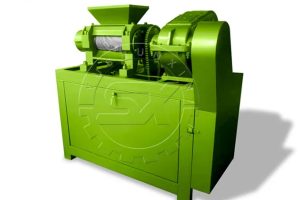
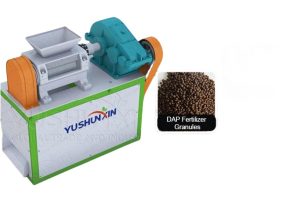
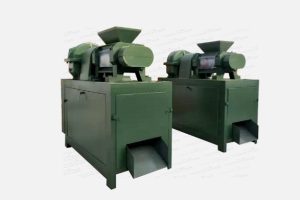
Understanding the Double Roller Granulator: A Key Tool in Fertilizer Production

The double roller granulator is an essential piece of equipment in the fertilizer manufacturing industry. Known for its efficiency and versatility, this machine plays a critical role in converting raw materials into high-quality granulated fertilizer. In this blog, we will delve into the features, working principles, and advantages of the double roller granulator, highlighting why it is a preferred choice for many manufacturers. you can click here to view more.

double roller extrusion for biochar

Key Features of the Double Roller Granulator

  1. High Efficiency: A double roller granulator machine is engineered for high efficiency, ensuring a fast and consistent granulation process. Its ability to handle a wide range of raw materials makes it ideal for large-scale production operations.
  2. Versatility: This biochar double roller granulator can process both organic and inorganic fertilizers. It excels in handling materials that are challenging to granulate using other methods. This versatility makes it a popular choice across various segments of the fertilizer industry.
  3. Energy Saving: One of the standout features of the double roller granulator equipment is its low energy consumption. By utilizing mechanical pressure to form granules, it avoids the high energy demands of thermal processes used in other granulation methods.
  4. Compact Structure: The machine’s compact design simplifies installation and operation. Its structure ensures smooth functioning with minimal maintenance requirements, reducing downtime and operational costs.
  5. Uniform Granule Size: The granulator produces uniform granules with a smooth surface, enhancing the quality of the fertilizer. This uniformity ensures even distribution when applied to soil, improving the fertilizer’s effectiveness.

    double roller equipment for biochar fertilizer

How the Double Roller Granulator Works

The biochar double roller granulator operates by compressing raw materials between two rollers that rotate in opposite directions. These rollers are equipped with molds that shape the material into granules. Here’s a step-by-step breakdown of the process:

  1. Feeding: Raw materials are fed into the machine’s hopper.
  2. Compression: As the rollers rotate, they apply pressure to the material, compressing it into the mold cavities on the roller surfaces.
  3. Granulation: The material is shaped into granules as it passes through the molds. The pressure ensures the granules are compact and uniform.
  4. Discharge: The finished granules are discharged from the machine and can be collected for further processing or packaging.

Advantages of Using a Double Roller Granulator

  1. Cost-Effective Production: The double roller granulator  equipment is cost-effective both in terms of initial investment and operational costs. Its high efficiency and low energy consumption contribute to lower overall production costs, making it an economical choice for manufacturers.
  2. Enhanced Product Quality: The machine produces high-quality granules with uniform size and shape, which are essential for consistent fertilizer application. This uniformity leads to better crop yields and more efficient use of the fertilizer.
  3. Environmental Benefits: By utilizing mechanical pressure rather than heat, the double roller granulator reduces energy consumption and emissions. This makes it a more environmentally friendly option compared to other granulation methods.
  4. Easy Maintenance: The robust design of the double roller granulator ensures long-term reliability with minimal maintenance. This reduces downtime and helps maintain consistent production levels.

    double roller extrusion for carbon-based fertilizer

Conclusion

The double roller granulator is a vital tool in the fertilizer production industry, offering numerous benefits in terms of efficiency, versatility, and product quality. Its ability to handle various raw materials, coupled with its cost-effectiveness and environmental advantages, makes it a preferred choice for many manufacturers. By understanding its features and working principles, producers can better appreciate the value this equipment brings to their operations, leading to improved productivity and profitability. In the end, if you want to learn more, you can visit my website:https://www.charbasedfertilizermachine.com/product/double-roller-extrusion-granulator/

Производственная линия для гранулированных органических удобрений: новый уровень агротехнологий

Как производитель оборудования для изготовления удобрений, мы осознаем значимость и перспективы развития органических удобрений. С укреплением мировой осведомленности о защите окружающей среды и продвижением устойчивого сельского хозяйства, потребность в органических удобрениях непрерывно растет. Линия по производству гранулированных органических удобрений была специально разработана и изготовлена для удовлетворения этого спроса.

Традиционное сельское хозяйство часто использует химические удобрения для стимулирования быстрого роста растений, однако длительное применение может приводить к уплотнению почвы, нарушению экосистемы и даже к ухудшению качества урожая. В отличие от них, органические удобрения способны обеспечивать необходимые питательные элементы для роста растений, улучшать структуру почвы, поддерживать экологический баланс и способствовать здоровому росту растений.

Линия по производству гранулированных органических удобрений

Сердцевиной производственной линии для гранулированных органических удобрений является процесс преобразования органических материалов в гранулированную форму с использованием специальных технологий. Такая форма удобных для хранения и транспортировки, а также более удобна в использовании. Кроме того, гранулированные удобрения легче распределять механизированным способом, что увеличивает эффективность и точность применения.

Внедрение сырья и готовой продукции

Наша производственная линия для гранулированных органических удобрений включает следующие ключевые компоненты:

1. Оборудование для обработки исходного сырья: включает предварительную подготовку органического материала, такую как измельчение и смешивание, для подготовки к гранулированию.

2. Система ферментации: преобразует органические отходы в богатые питательными веществами органические материалы при помощи микробной ферментации, а также устраняет вредные вещества и неприятные запахи.

3. Оборудование для гранулирования: превращает ферментированные органические материалы в равномерные гранулы.

4. Оборудование для сушки и охлаждения: необходимо для обеспечения качества гранул и стабильности их хранения.

5. Оборудование для классификации и сортировки: отделяет некондиционные гранулы для обеспечения качества конечного продукта.

6. Оборудование для упаковки: автоматизированная система упаковки позволяет упаковывать гранулированные органические удобрения в различные виды упаковки для удобства продажи и использования.

органическая удобрения пеллетная линия

Мы используем передовые технологии и оборудование для обеспечения эффективности, стабильности и экологической безопасности производственного процесса. Например, наше оборудование для гранулирования может работать при низких температурах, что позволяет сохранять активность и питательные вещества органических удобрений и экономить энергию.

Преимущества линии по производству гранулированных органических удобрений включают в себя:

– Повышение плодородия почвы и биоразнообразия
– Усиление устойчивости культур к болезням и вредителям
– Снижение использования химических удобрений и пестицидов
– Поддержка практик цикличного и экологического сельского хозяйства

В будущем мы планируем продолжать инвестировать в исследования и разработки не только для повышения эффективности и автоматизации производственных линий, но также для изучения того, как сделать органические удобрения более эффективными и удобными в использовании, что способствует развитию устойчивого сельского хозяйства по всему миру. Для получения дополнительной информации, пожалуйста, посетите:https://www.sxmashina.com/organicheskaya-udobreniya-pelletnaya-liniya/

How to use disc pellet making equipment to produce 20:10:10 npk fertilizer

Introduction

Disc pellet making equipment is a crucial tool in the production of NPK (Nitrogen, Phosphorus, and Potassium) fertilizers, particularly the 20:10:10 formulation. This machinery allows for the efficient and consistent production of fertilizer pellets, ensuring optimal nutrient distribution and ease of application. In this passage, we will delve into the process of using disc pellet making equipment to make 20:10:10 NPK fertilizer, highlighting the steps, considerations, and benefits involved.

disc compound fertilizer granulation line

Understanding Disc Pellet Making Equipment

Components of the Equipment

Disc pellet making equipment, also known as a pan granulator, comprises several key components: the disc (pan), scraper, main frame, reducer, motor, and support base. The disc is typically inclined at an angle, allowing for the agglomeration of raw materials into pellets as it rotates.

Working Principle

The working principle of disc pellet making equipment involves the combination of raw materials in a rotating disc. As the disc rotates, the materials are lifted and dropped repeatedly, causing them to gradually form into pellets. The addition of a liquid binder helps to enhance pellet formation and improve the strength of the final product.

Preparing Raw Materials

Selection of Ingredients

To produce 20:10:10 NPK fertilizer, precise proportions of nitrogen (N), phosphorus (P), and potassium (K) sources are required. Common sources include urea or ammonium nitrate for nitrogen, superphosphate for phosphorus, and potassium chloride or potassium sulfate for potassium. Ensure that all raw materials are of high quality and free from contaminants.

Grinding and Mixing

The raw materials must be finely ground and thoroughly mixed to ensure uniform nutrient distribution. Grinding process helps to increase the surface area of the materials, enhancing their reactivity and ease of pellet formation. A uniform mix is crucial for maintaining the 20:10:10 nutrient ratio in the final pellets.

Pellet Formation Process

Feeding the Raw Materials

Once the raw materials are prepared, they are fed into the rotating disc. The disc’s inclination and rotational speed are adjusted to achieve the desired pellet size and shape. The addition of a liquid binder, such as water or a specialized binding agent, helps to enhance pellet cohesion.

Pellet Growth and Discharge

As the disc rotates, the raw materials undergo repeated lifting and dropping, gradually forming into pellets. The scraper helps to guide the pellets towards the discharge area. Once the pellets reach the desired size, they are discharged from the disc for further processing.

Drying and Cooling

Importance of Drying

Drying is a critical step in the production of NPK fertilizer pellets. It removes excess moisture, enhancing pellet strength and stability. Drying also prevents caking and ensures that the pellets remain free-flowing during storage and application.

Cooling Process

After drying, the pellets are cooled to ambient temperature. Cooling helps to solidify the binder, further strengthening the pellets. It also prevents thermal damage to the pellets and ensures that they are safe to handle and package.

Screening and Packaging

Screening for Quality Control

Screening is essential to ensure that the pellets are of uniform size and free from fines and oversized particles. A vibrating screen or rotary sieve can be used to separate the pellets based on size. Oversized pellets are crushed and reprocessed, while fines are recycled back into the disc pellet making equipment.

Packaging the Final Product

Once the pellets have been screened, they are ready for packaging. Proper packaging helps to protect the pellets from moisture and contamination, ensuring their quality and shelf life. The packaged fertilizer is then ready for distribution and use.

Conclusion

Using disc pellet making equipment to produce 20:10:10 NPK fertilizer involves several critical steps, from preparing raw materials and forming pellets to drying, cooling, screening, and packaging. This process ensures that the final product is of high quality, with uniform nutrient distribution and optimal physical properties. By following these steps, manufacturers can produce effective and reliable NPK fertilizer pellets, contributing to enhanced agricultural productivity and soil health. Visiting: https://www.fertilizerproductionproject.com/20-10-10-npk-fertilizer-manufacturing-process-in-usa/

What is the advantage of making coconut shell charcoal briquette

Introduction

Coconut shell charcoal briquettes are gaining popularity as a sustainable and efficient source of fuel. Made from the hard shell of the coconut, these briquettes offer a myriad of benefits ranging from environmental sustainability to economic viability. This passage will explore the various advantages of making coconut shell charcoal briquettes, highlighting their superior qualities, eco-friendliness, and economic benefits.

coconut charcoal briquette plant

Environmental Benefits

Renewable Resource

Coconut shells are an abundant and renewable resource, primarily available in tropical countries where coconuts are harvested year-round. Utilizing coconut shells for charcoal production helps reduce waste and promotes sustainable use of natural resources. Unlike fossil fuels, coconut shells are a renewable biomass resource, making them an eco-friendly alternative.

Reduced Greenhouse Gas Emissions

Coconut shell charcoal briquettes produce less carbon monoxide and other harmful gases compared to traditional charcoal and fossil fuels. The carbon-neutral nature of biomass means that the carbon dioxide released during combustion is offset by the carbon dioxide absorbed by the coconut trees during their growth, resulting in a smaller carbon footprint.

High Efficiency and Performance

High Calorific Value

One of the standout features of coconut shell charcoal briquettes is their high calorific value. This means they produce a significant amount of energy when burned, making them highly efficient as a fuel source. The high energy content ensures a longer burning time and higher temperature, which is particularly beneficial for cooking and industrial applications.

Low Ash Content

Coconut shell charcoal briquettes have a lower ash content compared to other types of biomass charcoal. This results in cleaner combustion with less residue, making them easier to handle and reducing the frequency of cleaning required. Lower ash content also means less pollution and better air quality.

Economic Benefits

Income Generation for Farmers

The production of coconut shell charcoal briquettes can provide an additional income stream for coconut farmers. Instead of discarding the shells as waste, farmers can sell them to charcoal manufacturers, creating economic opportunities and improving their livelihoods. This added value chain can stimulate local economies and create jobs in rural areas.

Cost-Effective Fuel Source

Coconut shell charcoal briquettes are often more cost-effective than traditional charcoal and other fossil fuels. Their longer burning time and higher efficiency mean that less fuel is needed to achieve the same level of performance, leading to cost savings for end-users. This cost-effectiveness makes them an attractive option for both domestic and commercial use.

Versatility and Usability

Wide Range of Applications

Coconut shell charcoal briquettes can be used in various applications, including cooking, heating, and industrial processes. Their high efficiency and consistent performance make them suitable for barbecues, stoves, and even metal smelting. This versatility enhances their appeal across different sectors.

Ease of Storage and Transportation

Thanks to their uniform shape and size, coconut shell charcoal briquettes are easy to store and transport. Unlike loose charcoal, briquettes do not crumble, reducing wastage and ensuring a higher quality product reaches the consumer. Their compact form also means they require less storage space, making them convenient for both suppliers and users.

Health and Safety

Reduced Smoke and Odor

Coconut shell charcoal briquettes produce less smoke and odor compared to traditional charcoal. This makes them a healthier option for indoor cooking, reducing the risk of respiratory issues associated with prolonged exposure to smoke. The cleaner combustion also improves the overall cooking experience by minimizing unpleasant odors.

Consistent Quality

The production process of coconut shell charcoal briquettes involves stringent quality control measures. This ensures that each briquette has consistent size, shape, and performance characteristics, providing a reliable and predictable fuel source. Such consistency is crucial for applications requiring precise temperature control and uniform heat distribution.

Conclusion

Coconut shell charcoal briquettes offer a multitude of advantages, from environmental sustainability and economic benefits to superior efficiency and versatility. They represent an innovative use of agricultural waste, transforming it into a valuable and eco-friendly fuel source. By adopting coconut shell charcoal briquettes, we can contribute to a more sustainable future while enjoying the practical benefits of a high-quality, cost-effective, and versatile fuel. Visiting: https://www.char-molder.com/product/how-to-make-coconut-charcoal-briquettes/