NPK fertilizer production line


Introduction to NPK Fertilizer Production

NPK fertilizer is a blend of nitrogen (N), phosphorus (P), and potassium (K) that is essential for plant growth. The production of NPK fertilizer is a complex process that involves several steps to ensure that the final product is of high quality and suitable for enhancing soil fertility.

The Raw Material Preparation

The first step in the NPK fertilizer production line is preparing the raw materials. This involves procuring the necessary nitrogen, phosphorus, and potassium sources. Often, these materials come in various forms like ammonia for nitrogen, rock phosphate for phosphorus, and potash for potassium. These materials are carefully measured and mixed in specified proportions to achieve the desired N-P-K ratio for the intended fertilizer formulation.

Granulation Process

Once the raw materials are blended, the mixture is moved to the granulation process. Granulation is crucial as it converts the fine powdered materials into larger, easy-to-handle and -apply granules. There are several granulation methods, such as drum granulation machinery, disc granulation, or extrusion granulator machine, each with its advantages and suitability for different kinds of raw materials.

Drying and Cooling Systems

After granulation, the next step is the drying process. The granules are passed through a dryer to reduce their moisture content, thus ensuring their stability and preventing caking. Post drying, the granules are often cooled to room temperature using a cooler. Cooling is necessary to help the granules retain their shape and increase their shelf life.

Quality Control and Enhancement

Quality control is paramount in NPK fertilizer production. The granules are sieved to separate the correctly sized particles from the oversized or undersized ones. The latter may be crushed and recycled back to the granulation process. Coating agents might be applied to the granules to prevent dust, reduce caking, and enhance their appearance.

Packaging and Storage

The final step in the production line is packaging the NPK fertilizer into bags or bulk containers for transportation and sale. Proper storage is vital to maintain the quality of the fertilizer. The product should be kept in a cool, dry place away from direct sunlight and moisture.

Innovation and Environmental Considerations

Modern NPK fertilizer production lines are increasingly incorporating technological innovations for process optimization and to reduce environmental impact. This includes the use of advanced control systems for precise raw material input and waste reduction strategies to minimize the production line’s ecological footprint.

Conclusion

The production of NPK fertilizers is a critical component of modern agriculture, providing the necessary nutrients for crop growth and soil health. A well-designed NPK fertilizer production line ensures the efficient transformation of raw materials into high-quality fertilizers that meet the specific needs of plants and farmers alike. If you want to produce other compound fertilizer, we can also provide you with different solitions.
 

How Many Types of Granulators for you Can Make Fertilizer?

Fertilizer plays a vital role in modern agriculture, ensuring that crops receive the essential nutrients they need for optimal growth. However, raw fertilizers are often in a form that is not easily absorbed by plants. To address this issue, fertilizer granulation processes are employed to convert raw materials into granules, making them easier to handle, transport, and apply to crops. There are various types of granulators available for fertilizer production, each with its own advantages and applications. In this article, we will explore how many types of granulators you can use to make fertilizer, highlighting the key characteristics of each.

  1. Rotary Drum Granulator

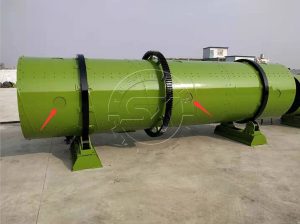
The drum pelletizer machine is one of the most commonly used granulation methods in fertilizer production. It consists of a large rotating drum that tumbles the raw materials, promoting agglomeration and granule formation. This type of granulator is suitable for a wide range of raw materials, including urea, ammonium sulfate, and phosphates. It produces spherical granules with consistent size and is known for its high production capacity.

rotary drum granulation machine
  1. Disc Granulator

Disc granulators, also known as pan granulators, utilize a rotating disc to agglomerate and shape the raw materials into granules. These granulators are versatile and can handle various fertilizer formulations, including organic and inorganic materials. They are especially well-suited for producing round, uniform granules ideal for slow-release and controlled-release fertilizers.

dic pelletizer from SX
  1. Double Roller Press Granulator

The double roller press granulator, as the name suggests, uses two counter-rotating rollers to compact and shape the fertilizer materials into granules. It is particularly effective for producing compound fertilizers, where multiple nutrients are combined into a single granule. This type of granulator is valued for its ability to control the size and hardness of the granules, making it suitable for customized fertilizer formulations.

double roller granualtor for granular fertilizer
  1. Flat Die Extrusion Granulator

Flat die extrusion granulators work by forcing the raw materials through a flat die with specially designed holes. This process results in cylindrical or strip-shaped granules. These granulators are often used for organic fertilizer production, as they can handle materials with high fiber content. They are also known for their low energy consumption and ease of operation.

flat die granulation from SX
  1. New Type Organic Fertilizer Granulator

New type organic fertilizer granulators are designed specifically for organic fertilizer production. They utilize a wet granulation process that involves mixing the organic materials with a binder solution to form granules. These granulators can produce high-quality organic fertilizer granules with improved nutrient content and enhanced soil benefits. They are also capable of handling a wide range of organic materials, including crop residues and animal manure.

new type stirring machine to make organic fertilizer
  1. Stirring Tooth Granulator

Stirring tooth granulators are particularly suitable for the production of compound fertilizers with high nitrogen content. They feature a unique stirring tooth design that helps mix and granulate the materials effectively. These granulators can produce granules with a high nitrogen content, making them suitable for crops with high nitrogen requirements, such as corn and wheat.

rotary drum churning pelletizer production line

Conclusion

Fertilizer granulation is a crucial step in the fertilizer production process, as it transforms raw materials into a more convenient and effective form for agricultural use. The choice of granulator depends on the specific requirements of the fertilizer formulation, the raw materials available, and the desired granule characteristics. Whether you opt for a rotary drum granulator, disc granulator, double roller press granulator, flat die extrusion granulator, new type organic fertilizer granulator, or stirring tooth granulator, each type has its unique advantages and applications. Understanding the different types of granulators and their capabilities is essential for optimizing fertilizer production and meeting the nutritional needs of crops worldwide.

How to Make Organic Fertilizer in New Type Organic Fertilizer Granulator?

Organic fertilizer is gaining popularity among gardeners and farmers due to its environmentally friendly nature and ability to enhance soil fertility. One effective method of producing organic fertilizer is by using a New Type Organic Fertilizer Granulator. This innovative equipment not only helps in converting organic materials into high-quality fertilizer granules but also ensures a sustainable and eco-conscious approach to farming. In this guide, we will take you through the step-by-step process of making organic fertilizer using a New Type Organic Fertilizer Granulator, complete with detailed instructions and important tips.

new type granulator for making organic pellets

Step 1: Gather Your Ingredients

Before you begin the process of making organic fertilizer, it’s crucial to gather all the necessary ingredients. Organic materials such as kitchen scraps, yard waste, livestock manure, and crop residues are excellent choices. These materials contain essential nutrients that, when processed, will enrich the soil and promote plant growth.

Step 2: Pre-Treatment of Organic Materials

To ensure that the organic materials are in the optimal condition for granulation, pre-treatment is necessary. This may involve shredding or crushing larger materials, such as branches or crop residues, into smaller pieces. Smaller particles are easier to granulate and result in more uniform fertilizer pellets.

Step 3: Mixing and Fermentation

Proper mixing and fermentation of organic materials are crucial for creating high-quality organic fertilizer. Mix the various materials in appropriate ratios to achieve a balanced nutrient content. This mixture should then be left to undergo a controlled fermentation process. Fermentation not only breaks down complex organic compounds but also helps eliminate harmful pathogens, ensuring the safety of the final fertilizer product.

Step 4: Drying the Fermented Mixture

After fermentation, the mixture may contain excess moisture. Drying the fermented material is essential to achieve the right consistency for granulation. Spread the fermented mixture in a thin layer and allow it to dry naturally under the sun. Alternatively, a mechanical dryer can be used to speed up the drying process.

Step 5: Granulation Process

The highlight of this guide is the use of the New Type Organic Fertilizer Granulator for creating fertilizer granules. This advanced equipment utilizes high-speed rotary mechanical stirring force, combining the dried organic materials with a binder. As the materials are mixed and stirred, they form into small granules.

Step 6: Curing the Granules

Once the granulation process is complete, the newly formed fertilizer granules need to be cured. Curing involves allowing the granules to rest and stabilize, ensuring that they maintain their shape and nutrient content. This step usually takes place in a controlled environment with proper ventilation to prevent moisture buildup.

Step 7: Screening and Packaging

After curing, the fertilizer granules should be screened to separate any oversized or undersized particles. The screened granules are then ready for packaging. Use environmentally friendly packaging materials to maintain the organic and sustainable theme of the fertilizer. Clearly label the packages with the nutrient content and usage instructions.

Step 8: Application of Organic Fertilizer

The final organic fertilizer product can now be applied to your garden or farm. Follow the recommended application rates based on the specific needs of your plants. Organic fertilizer improves soil structure, enhances nutrient retention, and promotes microbial activity, leading to healthier plants and increased yields.

Conclusion

Making organic fertilizer using a New Type Organic Fertilizer Granulator is a rewarding and eco-conscious way to enhance soil fertility and plant growth. By following these step-by-step instructions, you can produce high-quality organic fertilizer that nourishes your crops while minimizing environmental impact. Remember, organic fertilizers not only benefit your garden but also contribute to the overall health of our planet. If you want to make organic fertilizer in this machine, you can but a new type stirring granulator production line in your factory.

How to Adopt Wet Granulation Process to Make Fertilizer?

Fertilizers play a pivotal role in enhancing agricultural productivity and ensuring food security. Among the various manufacturing processes, wet granulation stands out as an effective method to produce high-quality fertilizers with improved properties. This article delves into the intricacies of adopting the wet granulation process to manufacture fertilizers, outlining the steps, benefits, and considerations involved.

Introduction to Wet Granulation Process

Wet granulation is a widely employed technique in the pharmaceutical, chemical, and agricultural industries to convert fine powders into granules. In the context of fertilizer production, wet granulation involves the agglomeration of individual fertilizer components, such as nitrogen (N), phosphorus (P), and potassium (K), along with micronutrients and additives, into uniform granules. This process imparts several advantages to the final product, including improved flowability, reduced dustiness, and enhanced nutrient release characteristics.

Step-by-Step Guide to Wet Granulation for Fertilizer Production

  1. Material Selection: Begin by carefully selecting the raw materials for your fertilizer formulation. Consider factors such as nutrient content, solubility, and compatibility. It’s essential to strike the right balance to ensure optimal granulation and subsequent plant uptake.
  2. Mixing: Thoroughly mix the selected materials to create a homogenous blend. This step is critical to ensure uniform nutrient distribution throughout the final granules.
  3. Granulation Solution: Prepare a granulation solution by dissolving a binder, often a water-soluble polymer, in water. This solution will act as the adhesive that binds the powder particles together.
  4. Granulation Process: Introduce the granulation solution into the mixer containing the powdered fertilizer materials. Gradually add the solution while agitating the mixture. The binder will form bridges between particles, leading to granule formation. Hence, you can use rotary drum granulator equipment or disc pelletizer machine.
  5. Wet Screening: After granulation, the moist mass needs to be screened to obtain granules of the desired size range. Oversized or undersized granules can be recycled or adjusted during subsequent processing.
  6. Drying: The wet granules must undergo a drying process to reduce their moisture content to a suitable level, usually around 10%. This step is crucial to prevent caking during storage and transportation.
  7. Sizing and Sieving: Granules may undergo additional sizing and sieving to ensure uniformity in particle size, further improving their flowability and application properties.
  8. Coating (Optional): In some cases, a protective or controlled-release coating may be applied to the granules. This can enhance nutrient release patterns, increase shelf life, and minimize nutrient losses due to volatilization or leaching.
  9. Quality Control: Rigorous quality control measures should be implemented throughout the process to monitor granule size, nutrient content, and physical properties.
  10. Packaging: Once the granules meet the desired specifications, they can be packaged in appropriate containers for distribution and use.
Rotary Drum Pelletizer
disc pelletizer for organic fertilizer

Benefits and Considerations

The wet granulation process offers several benefits for fertilizer production:

  • Enhanced Nutrient Release: Granules produced through wet granulation tend to release nutrients in a controlled manner, optimizing their availability to plants.
  • Improved Handling and Application: Granules possess better flowability, reducing dust generation during handling and ensuring more uniform application in the field.
  • Customization: The process allows for flexibility in formulation and nutrient composition, catering to specific crop and soil requirements.
  • Environmental Considerations: Wet granulation can minimize nutrient losses, leading to a more environmentally sustainable fertilizer production process.

However, certain considerations should be taken into account:

  • Equipment and Infrastructure: Adopting wet granulation requires specialized equipment such as mixers, granulators, dryers, and sieves.
  • Binder Selection: The choice of binder and its compatibility with the fertilizer components is crucial for successful granulation.
  • Energy Consumption: Drying is an energy-intensive step in wet granulation, and optimizing energy usage is important.

Conclusion

The wet granulation process offers a valuable avenue for fertilizer manufacturers to produce high-quality, effective, and environmentally friendly products. By following the step-by-step guide and considering the benefits and challenges, fertilizer producers can adopt wet granulation to enhance their production processes and contribute to sustainable agriculture.

how to compost pig manure

Composting pig manure is an effective way to transform a waste product into a valuable resource. Pig manure is high in nitrogen, phosphorus, and potassium, making it an excellent source of nutrients for plants. However, it can also be a source of pollution if not managed properly. In this article, we will discuss the steps for composting pig manure to create a nutrient-rich soil amendment for your garden.

Aniaml Manure for Organic Fertilizer Production

Step 1: Collecting Pig Manure

The first step in composting pig manure is to collect it. Pig manure can be collected using a shovel or a manure scraper. It is important to collect only the manure and not the bedding material, as the bedding material will slow down the composting process. Pig manure can be collected in a pile or a bin. If collecting in a pile, it is recommended to turn the pile regularly to ensure proper aeration and decomposition.

Step 2: Preparing the Composting Site

The composting site should be located in a well-drained area and away from water sources, such as streams or ponds. The site should be sunny, as the heat from the sun will help to accelerate the composting process. The composting site should be level and have good air circulation. The site should be prepared by removing any grass or vegetation, and a layer of gravel or wood chips should be added to the bottom to aid in drainage.

Step 3: Building the Compost Pile

The compost pile should be built in layers, starting with a layer of dry, carbon-rich material such as straw or leaves. This layer should be about 6 inches thick. Next, add a layer of pig manure, about 2 to 3 inches thick. Repeat this layering process until the pile is about 3 to 4 feet tall. The top of the pile should be covered with a layer of straw or leaves to help retain moisture.

Step 4: Maintaining the Compost Pile

The compost pile should be kept moist but not wet. If the pile is too wet, it may become anaerobic, which will slow down the composting process and create an unpleasant odor. The pile should be turned regularly to ensure proper aeration and decomposition. The pile should be turned every 3 to 5 days, or when the internal temperature of the pile drops below 100°F. The internal temperature of the pile can be measured using a compost thermometer.

Step 5: Harvesting the Compost

The compost pile will be ready to harvest when it has decomposed into a dark, crumbly, soil-like material. This process can take anywhere from 6 to 12 months, depending on the size of the pile and the environmental conditions. To harvest the compost, the pile should be turned onto a tarp or into a wheelbarrow. Any large pieces of material should be removed, and the compost should be screened to remove any remaining debris.

Windrow Compost Turner

In conclusion, composting pig manure is an effective way to transform a waste product into a valuable resource. By following these simple steps, you can create a nutrient-rich soil amendment for your garden while reducing waste and preventing pollution. Remember to always wear gloves and wash your hands thoroughly after handling pig manure. Happy composting!

Of course, you can check this page for more details about the design and structure of the pig manure machine!

How to Compost Pig Manure

How to Choose a Suitable NPK Fertilizer Production Line?

NPK fertilizer, which contains three essential elements nitrogen, phosphorus, and potassium, is widely used in agriculture to increase crop yields and improve soil fertility. Different nutrients have different effects.However, producing NPK fertilizer is not a simple task, and it requires a reliable and efficient production line to ensure the quality of the final product. In this passage, we will discuss how to choose a suitable NPK fertilizer production line.

Consider Your Production Capacity

Before choosing an NPK fertilizer production line, you need to determine your production capacity. The production capacity of the production line should match your expected production volume. If you have a small farm, you may need a small production line, while a large farm requires a larger production line. It’s essential to choose a production line that can meet your production needs and avoid unnecessary expenses.

Evaluate Your Budget

Another crucial factor to consider is your budget. An NPK fertilizer production line is a significant investment, and you need to ensure that you have enough funds to cover the cost of the production line. However, you don’t want to overspend on a production line that is too large for your needs. Determine your budget and look for a production line that fits within your financial constraints.

Choose a Reliable Manufacturer——SX

When choosing an NPK fertilizer production line, you need to select a reliable manufacturer. A reputable manufacturer will provide you with high-quality equipment that meets your production needs. SX has a good reputation and a track record of producing quality equipment. You can check online reviews and ask for referrals from other making fertilizer people to find a reliable manufacturer.

Consider the Production Process

The production process is another critical factor to consider when choosing an NPK fertilizer production line. The production process should be efficient and environmentally friendly. Look for a production line that uses advanced technology to minimize waste and reduce energy consumption. A good production line should also have a high level of automation to increase production efficiency and reduce labor costs.

Select the Right Equipment

An NPK fertilizer production line consists of several pieces of equipment, including a batching system, a mixer, a granulator, a dryer, a cooler, a screening machine, and a manure packaging machine. You need to choose the right equipment based on your production needs and the characteristics of your raw materials. The equipment should be easy to operate, maintain, and repair.

Consider After-Sales Services

Finally, you need to consider the after-sales services provided by the manufacturer. A good manufacturer should provide you with technical support, equipment maintenance, and repair services. Look for a manufacturer that has a reliable customer service team that can respond to your needs promptly.

In conclusion, choosing a suitable NPK fertilizer production line requires careful consideration of several factors, including your production capacity, budget, manufacturer reputation, production process, equipment selection, and after-sales services. By following these guidelines, you can choose a production line that meets your needs and ensures the quality of your final product. For details you can visit https://www.fertilizerproductionproject.com/npk-fertilizer-production-line/.

Double roller granulator for sale

You will need a good double roller granulator in order to ensure that you produce the right amount of compound fertilizer. The best double roller granulator for sale can actively help speed up the process and ensure that your business only gets the best results and work quality. There will be some trial and error that can arise, but if you manage it right the benefits can indeed be second to none. What really matters is how you are implementing these solutions, since a granulator like this can speed up the production process.

Roller Extrusion Granulation Production Line For Compound Fertilizer Production

Why should you buy the double roller granulator for sale?

The double roller granulator doesn’t need a drying process, it also just has a few simple steps to follow. You also save time and money, there are also no gas emissions or waste water. It also has a very compact structure, it’s easy to maintain and the materials used here are really durable. So the double roller press granulator will indeed last for a very long time.

In addition, it can be used for a variety of industries, aside from just making fertilizer. Which is what makes the double roller granulator such a versatile tool, as it brings you all kinds of amazing features and it will surely convey a great return on investment if you manage this accordingly. But do not worry, ShunXin Fertilizer Plant Design Project can help you.

Double Roller Press Granulator in SX Fertilizer Production Plant Business Plan

Is the double roller granulator expensive?

The advantage you get from buying a double roller granulator is that it can help speed up the production process. That means you will save money, which makes investing in the double roller granulator a very good idea. Of course, prices can vary, but overall you are indeed getting a tremendous experience and quality for what you are paying. We believe that a granulator like this is always worth the money, especially for a business like this.

So, if you have a fertilizer business you need a dry equipment double roller granulator. This is the type of product that speeds up the production process, it helps save time and money, and it really is very durable and dependable. Plus, being able to speed up the production process helps quite a lot, and it certainly adds the character and value that you need. Don’t hesitate and buy the double roller granulator for sale, it can help your business immensely, while offering a very good result and quality no matter the situation. Welcome to consult us!https://organicfertilizerproductionline.com/double-roller-granulator/

Machinery Needed To Produce Organic Fertilizer

If you’re planning to produce organic fertilizer, there are several different types of machines that you’ll need. Hence, you’ll need to find a reputable manufacturer to ensure that you’ve got the full range and access to parts if need be. Reputable manufactures will ensure that you’re able to produce organic fertilizer from just about any raw material. Read on as we dive into the equipment that you’ll need to produce organic fertilizer.

The first main piece of equipment is compost turner equipment. Compost turners can easily convert your raw materials into fermented fertilizer. If you didn’t already know, raw materials can’t be thrown onto farmland or even potted for a number of reasons. Some of these being that it contains a ton of parasites, fungi, nematodes, and even the eggs of worms which can all lead to a serious disease outbreak and pest problem.

200000 Ton Large Scale Compost Fertilizer Production Line from SEEC

Another main and crucial piece is the machinery for making the pellets of fertilizer. In order to store fertilizer in an efficient way, you’ll need a fertilizer pelletizer. While these two are essentially important, you’ll need to use other machines if you don’t have the manpower.

Hence, organic fertilizer making machine is important. These machines are known for producing top-notch fertilizers. As such, you’ll need a solid-liquid separator. These separators will ensure that the water is removed.

In addition to those mentioned before, you’ll also need a crusher to ensure that all the fertilizers are crushed, an organic granulator, a drying machine, a rotary cooling machine, a screening machine, and lastly, a packing scale. If you opt for the fertilizer making machine, all of this will be done in a very short space of time.

large capacity organic fertilizer granulating plan

After you’ve gathered the necessary equipment, there are still a couple of things that you’ll need to do. The following is some extra preparation that is needed to ensure that you have quality organic fertilizer:
* Prepare raw materials – Before you can get organic fertilizer, your raw materials are a huge part of the process. Hence, you should think of looking into a source of stable materials. An animal farmer is your best bet when it comes to stabilized raw materials.
* Organic fertilizer equipment – As previously mentioned, you’ll need to ensure that you have the right setup for producing quality fertilizer. A reputable equipment manufacturer will ensure that you have everything needed to begin production.
* Produce a clear plan – Before you can get into the business, you’ll need a stable plan for production. In essence, this relates to workers, cost, the site, and detailed research of the market to ensure that you’re well on your way to success.

Takeaway
As we conclude, we have just looked at the machinery that you’ll need to produce organic fertilizer. When fertilizer is produced from an organic source, plants, and even the humans and animals eating them will be in better health. Organic fertilizers are a great way to nourish your plants. So if you’re looking for the best way to turn your fertilizer dream into reality, organic fertilizer is the way to go!