Биореактор для органических удобрений: Экологичное решение для переработки органических отходов

Биореактор для органических удобрений — это важное оборудование, используемое для обработки и переработки органических отходов. Он играет ключевую роль в современной агротехнике и защите окружающей среды. С ростом интереса к устойчивому сельскому хозяйству и охране окружающей среды применение биореакторов для органических удобрений становится все более распространенным. В данной статье мы рассмотрим принцип работы, преимущества и применение этих устройств.

Горизонтальный-бродильный-резервуар

Принцип работы

Биореактор для органических удобрений используется для ферментации и разложения органических отходов, таких как навоз, сельскохозяйственные остатки и пищевые отходы. Основной принцип работы заключается в контроле температуры, влажности и подачи кислорода, что способствует размножению и активности микроорганизмов, ускоряющих разложение и трансформацию органических веществ. В процессе ферментации вредные вещества разлагаются, патогенные микроорганизмы и личинки уничтожаются, а конечным продуктом является безвредное, богатое органическими веществами удобрение.

Преимущества

1. **Экологичность и эффективность**: Биореактор существенно снижает загрязнение окружающей среды органическими отходами. Его герметичный дизайн предотвращает распространение запахов и утечку жидкостей, защищая окружающую среду.

2. **Рациональное использование ресурсов**: Органические отходы, обработанные в биореакторе, превращаются в высококачественное органическое удобрение. В отличие от химических удобрений, органические удобрения не только обеспечивают растения питательными веществами, но и улучшают структуру и плодородие почвы, стимулируя активность почвенных микроорганизмов.

3. **Экономия пространства и времени**: Традиционная ферментация компоста требует большого пространства и длительного времени. Биореактор, благодаря механизации, сокращает время ферментации и уменьшает занимаемую площадь, увеличивая эффективность обработки.

4. **Простота в эксплуатации**: Современные биореакторы оснащены автоматизированными системами управления, позволяющими оператору легко настроить их для автоматического контроля температуры, влажности и подачи кислорода в процессе ферментации.

Обработка отображения Перепелиного подстилочного помёта

Применение

Биореакторы для органических удобрений широко применяются на фермах, животноводческих комплексах, предприятиях пищевой промышленности и в городских центрах переработки органических отходов. На фермах и животноводческих комплексах они используются для обработки навоза и сельскохозяйственных остатков, повышая эффективность использования ресурсов и снижая потребление химических удобрений. На предприятиях пищевой промышленности они помогают перерабатывать пищевые отходы, снижая затраты на их утилизацию. В городских центрах переработки биореакторы эффективно обрабатывают бытовые кухонные отходы, снижая нагрузку на городские системы удаления отходов.

Биореакторы для органических удобрений, как эффективное и экологичное оборудование для переработки органических отходов, способствуют циклическому использованию ресурсов, а также имеют важное значение для защиты окружающей среды и развития устойчивого сельского хозяйства. С развитием технологий и ростом рыночного спроса биореакторы получат еще более широкое применение в будущем. Для получения более подробной информации посетите сайт:https://www.sxmashina.com/organicheskoe-mineralnoe-udobrenie/

Planta de preparacion de fertilizantes npk solubles en agua

El fertilizante NPK soluble en agua se refiere a un fertilizante compuesto de nitrógeno (N), fósforo (P) y potasio (K) que puede disolverse en agua. Se utiliza ampliamente en la agricultura moderna debido a su alto contenido de nutrientes y alta tasa de absorción y utilización. . La preparación de fertilizantes NPK solubles en agua requiere el uso de equipos especializados para garantizar la calidad del producto y la eficiencia de la producción. Este artículo presentará los tipos, funciones y roles clave de los Planta de preparacion de fertilizantes npk solubles en agua en el proceso de producción.

El Planta de preparacion de fertilizantes npk solubles en agua incluye principalmente un mezclador de materia prima, un hervidor de disolución, un secador y un equipo de envasado. Estos dispositivos juegan un papel en diferentes etapas de producción para garantizar la uniformidad, solubilidad y estabilidad del fertilizante.

En primer lugar, el mezclador de materia prima es el primer paso del proceso de producción. Su función principal es mezclar los tres nutrientes básicos nitrógeno, fósforo y potasio y otros oligoelementos en proporción. Este proceso requiere mezcladores con capacidades de mezclado eficientes y un control preciso de los ingredientes para garantizar una distribución uniforme de los nutrientes en el producto final.

A continuación, las materias primas mezcladas entran en el hervidor de disolución. Aquí, las materias primas se mezclan completamente con agua y se calientan hasta disolverse, formando una solución líquida uniforme. El tanque de disolución debe tener una buena función de agitación, así como un sistema preciso de control de temperatura y pH para garantizar la disolución completa y la estabilidad de los nutrientes. Artículo

Luego la solución fertilizante disuelta ingresa a la secadora. El secado es un paso clave para convertir rápidamente el fertilizante líquido en partículas sólidas. El líquido se atomiza mediante un flujo de aire a alta temperatura y el agua se evapora rápidamente para formar partículas de fertilizante con un tamaño de partícula uniforme y buena solubilidad. La eficiencia y la capacidad de control de temperatura del secador afectan directamente la calidad del producto y el consumo de energía.

Finalmente, el fertilizante granulado terminado debe envasarse mediante un equipo de envasado. La tarea del equipo de envasado no es solo envasar el fertilizante de acuerdo con las especificaciones, sino también garantizar las propiedades de sellado y a prueba de humedad del embalaje para garantizar la estabilidad del producto durante el almacenamiento y el transporte.

En resumen, los equipos de preparación de fertilizantes NPK solubles en agua juegan un papel indispensable en todo el proceso de producción. A través de la innovación tecnológica continua y la optimización de los equipos, estos pueden satisfacer eficazmente la demanda agrícola de fertilizantes de alta calidad y promover el desarrollo sostenible de la producción agrícola. Obtenga más información sobre los fertilizantes NPK solubles en agua. https://www.equipofertilizantesoluble.com/producto/planta-de-preparacion-de-fertilizantes-npk-solubles-en-agua/

The Process of Making Biofertilizer Pellets from Pig Manure


The increasing demand for sustainable agricultural practices has driven the focus towards more eco-friendly farming inputs, particularly biofertilizers. Among the various sources of biofertilizers, pig manure stands out due to its rich nutrient profile. Transforming pig manure into biofertilizer pellets is both a scientific and practical process that enhances soil quality and promotes plant growth. This blog will outline the essential steps and methods involved in producing biofertilizer pellets from pig manure.

  1. Collection and Pre-Treatment

The pig manure biofertilizer production process begins with the systematic collection of pig manure from farms. It’s imperative to ensure that the manure is free from contaminants such as antibiotics and other chemical residues that could impede the nutrient quality. After collection, the manure undergoes a pre-treatment process which involves drying and homogenization. Drying reduces the moisture content to a suitable level, usually around 15-20%, which is optimal for pellet formation. In this step, you can use manure dewatering machine to reduce the water content of pig poops.

2. Composting

Composting is a crucial phase where the organic matter is decomposed by microorganisms under controlled aerobic conditions. This step stabilizes the manure, reduces pathogens, and converts the nutrients into forms that are accessible to plants. The composting process generally takes a few weeks to a few months, depending on environmental conditions and manure composition. Regular turning and moisture management are critical during this phase to ensure uniform decomposition.  Do you want to speed up the composting of pig manure? You can choose a compost turning machine according to the output. Welcome to consult YUSHUNXIN.

Pig Manure biocompost as Biofertilizer

3. Granulation

After the composting stage, the treated manure is ready for granulation. Granulation is the process of forming the manure into small, uniform pellets. This is usually done using a fertilizer pelletizing machine which compacts the composted manure into dense, uniformly sized pellets. The pressure and heat generated in the pelletizing machine facilitate the formation of stable pellets, while also eliminating any remaining pathogens.

4. Drying and Cooling

Once the pellets are formed, they must be dried to remove excess moisture, ensuring stability and longevity. This is often achieved using a rotary dryer. Following the drying stage, the pellets are cooled to ambient temperature in a cooler machine. Cooling is essential to prevent the pellets from clumping together and to preserve their structural integrity.

5. Quality Control and Packaging

The final step involves thorough quality inspection to ensure that the pellets meet the required agricultural standards. Parameters such as nutrient content, pellet size, and stability are assessed. Once they pass the quality control, the pellets are packaged in suitable bags that protect them from moisture and mechanical damage during transportation and storage. Click here to get more!

By following this comprehensive process, pig manure is transformed into valuable biofertilizer pellets that can significantly enhance soil fertility and promote sustainable agricultural practices. Such initiatives not only optimize waste management but also contribute to the reduction of chemical fertilizers, aligning with the ecology-driven farming agenda. If you want to start a pig manure biofertilizer production plan, please visit : https://www.biofertilizerproduction.com/product/the-business-plan-of-using-pig-manure-as-biofertilizers/

Дисковый гранулятор для куриного помета: идеальный выбор для производства органических удобрений

С развитием современной сельскохозяйственной отрасли и ростом экологической осведомленности, эффективная переработка и использование куриного помета и других отходов животноводства становятся важной задачей. Дисковый гранулятор для куриного помета, являясь эффективным оборудованием для производства органических удобрений, благодаря своим экологическим, экономичным и высокопроизводительным характеристикам, постепенно становится идеальным выбором в производстве органических удобрений.

Дисковый-гранулятор
Дисковый-гранулятор

Принцип работы

Принцип работы дискового гранулятора для куриного помета относительно прост и эффективен. Основная часть машины — это наклонный диск, который вращается при помощи двигателя. Куриного помета и другие органические материалы (например, солома, торф и т.д.), подаются внутрь диска. Под действием вращения диска и внутренних скребков, материалы постоянно переворачиваются, сжимаются и трутся, постепенно формируясь в равномерные гранулы.

Особенности оборудования

1. **Эффективность и экологичность**: Дисковый гранулятор для куриного помета может перерабатывать высоковлажный и липкий куриный помет прямо в гранулы без предварительной сушки, что значительно экономит энергозатраты. Кроме того, весь процесс гранулирования проходит без дыма и пыли, что соответствует экологическим требованиям.

2. **Простота в эксплуатации**: Оборудование имеет простую конструкцию, легко в управлении и обслуживании, подходит для предприятий разного масштаба, производящих органические удобрения.

3. **Стабильное качество**: Гранулы, производимые гранулятором, имеют высокую прочность, равномерную форму, не склонны к разрушению, что удобно для дальнейшей транспортировки и применения.

4. **Высокая настройка**: Путем регулировки скорости вращения и угла наклона диска можно изменять размер и плотность гранул, чтобы удовлетворить различные потребности пользователей.

Перспективы применения

С ростом органического сельского хозяйства, спрос на органические удобрения постоянно увеличивается. Дисковый гранулятор для куриного помета не только эффективно решает проблему утилизации куриного помета, но и превращает его в органическое удобрение высокой ценности, имея широкий рыночный потенциал. Кроме того, органические удобрения, производимые с помощью этого оборудования, могут улучшать структуру почвы, повышать урожайность сельскохозяйственных культур и способствовать развитию устойчивого сельского хозяйства.

Таким образом, дисковый гранулятор для куриного помета играет важную роль в производстве органических удобрений. Его высокоэффективные и экологические характеристики предоставляют животноводческим фермам качественное решение для утилизации куриного помета, а сельскохозяйственным производителям — надежный источник органических удобрений. С дальнейшим развитием технологий и расширением рынка, дисковый гранулятор для куриного помета будет играть важную роль в более широких областях. Для получения более подробной информации посетите сайт:https://www.liniyaudobreniy.com/diskovyy-granulyator/

Key Factors Influencing the Cost of Setting Up A NPK Fertilizer Manufacturing Plant

Setting up a NPK fertilizer production plant involves various critical factors that directly impact the overall cost. For investors and manufacturers considering this venture, understanding these factors is essential to make informed decisions. By analyzing the elements that affect the fertilizer plant setup cost, one can optimize investment and ensure efficient operation of the facility.

What Raw Materials Are Suitable for NPK Fertilizer Production?

The selection of raw materials is a fundamental aspect that influences the NPK fertilizer manufacturing plant cost. Common raw materials suitable for NPK fertilizer production include urea, ammonium nitrate, ammonium phosphate, potassium chloride, and micronutrients like zinc sulfate and boron. These components are blended to create customized fertilizer formulations that meet specific crop nutrition requirements. The availability, quality, and price of these raw materials directly affect the fertilizer factory cost. Additionally, sourcing raw materials locally can reduce transportation expenses, thereby impacting the overall plant setup cost.

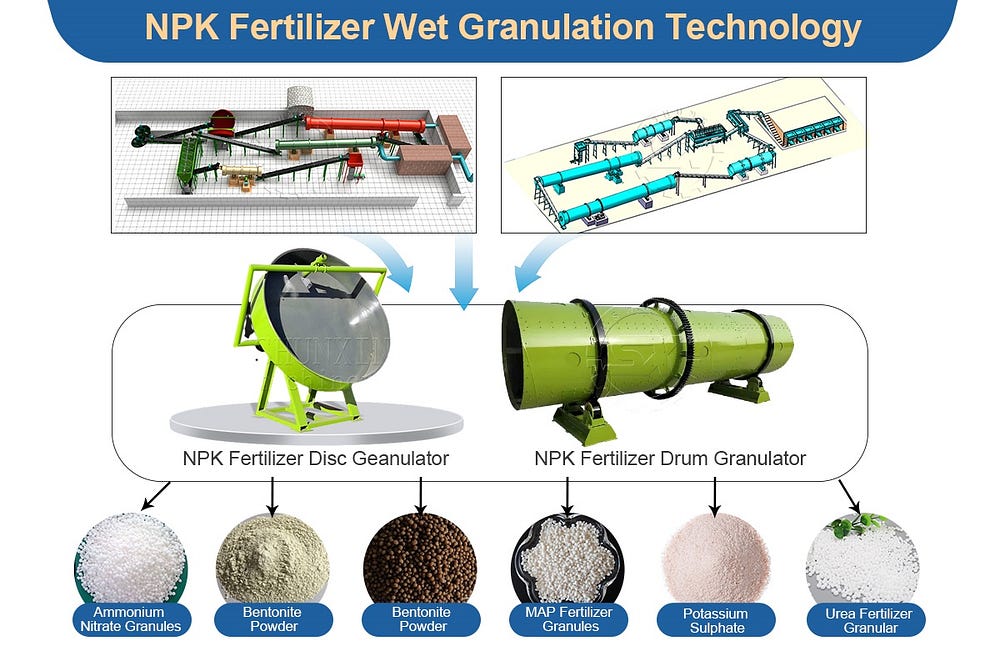
NPK Mixtures Wet Granulation Technology

How Do Equipment Features Affect Granule Production Costs?

The machinery and equipment used in granule production play a significant role in determining the NPK fertilizer plant cost. Advanced granulating machines, such as granulators, pelletizers, and ball-making equipment, enhance production efficiency but may require a higher initial investment. Equipment features like automation, capacity, energy consumption, and durability are crucial considerations. For instance, investing in a high-capacity granulator can increase production output but also raises the initial fertilizer manufacturing plant cost. Balancing equipment features with budget constraints is essential to optimize production without excessively inflating the plant setup cost.

Why Is the Choice of Production Process Important for Cost Management?

The chosen production process or procedure significantly affects both operational efficiency and setup costs. Different granulation methods, including drum granulation, disc granulation, extrusion pelletizing, and blending processes, require specific machinery and technical expertise. The complexity and automation level of the production process can lead to variations in the compound fertilizer factory cost. A simplified production process may reduce initial costs but could impact product quality and operational efficiency. Therefore, selecting an appropriate production process that aligns with production goals is vital for managing the fertilizer plant setup cost effectively.

Conclusion

Understanding the factors that influence the cost of setting up a NPK fertilizer manufacturing plant is crucial for making strategic investment decisions. Raw material selection, equipment features, and production processes are key elements that determine the overall fertilizer manufacturing plant cost. By carefully evaluating these factors, investors and manufacturers can optimize costs while ensuring high-quality granule production. Partnering with a professional fertilizer equipment manufacturer, such as Yushunxin, provides expert guidance and customized solutions to establish an efficient and cost-effective fertilizer production facility. You can visit: https://www.fertilizerproductequipment.com/npk-fetilizer-plant-cost/

granulador de disco para fertilizante soluble

Como equipo profesional de procesamiento de fertilizantes, el granulador de disco para fertilizantes desempeña un papel indispensable en la agricultura moderna. No sólo mejora la eficiencia de la producción y la calidad de los fertilizantes, sino que también proporciona un fuerte apoyo al desarrollo sostenible de la agricultura. Este artículo presentará en detalle el principio de funcionamiento, las ventajas técnicas y las aplicaciones importantes del granulador de disco disolvente de fertilizantes en la producción agrícola.

Principio de funcionamiento

La parte principal de trabajo del granulador de disco para fertilizante soluble es un disco inclinado. El material ingresa al disco a través del puerto de alimentación. Debido a la rotación del disco, el material se mueve hacia arriba a lo largo de la pared interna del disco bajo la acción de la fuerza centrífuga. Cuando el material alcanza una cierta altura, se desliza hacia abajo debido a la gravedad, choca y frota con otros materiales y gradualmente se agrega en partículas. Al ajustar el ángulo de inclinación y la velocidad de rotación del disco, se puede controlar el tamaño y la uniformidad de las partículas. Además, el dispositivo de pulverización puede añadir una cantidad adecuada de líquido al material para promover aún más el moldeo y la solidificación de las partículas.

Ventajas técnicas

Alta eficiencia de producción: el granulador de disco para fertilizante soluble puede funcionar de forma continua e ininterrumpida, lo que es adecuado para las necesidades de producción a gran escala. Su estructura es simple, fácil de operar y mantener, reduce el tiempo de inactividad y mejora la eficiencia de la producción.

Buena calidad de los gránulos: al ajustar los parámetros del proceso, el granulador puede producir productos con partículas uniformes y densidad moderada. Este pellet de alta calidad permite una mejor liberación de nutrientes y mejora la utilización de fertilizantes. Esta página

Gran adaptabilidad: el granulador de disco para disolución de fertilizantes puede procesar una variedad de diferentes materias primas de fertilizantes, incluidos fertilizantes orgánicos, fertilizantes compuestos y otros fertilizantes especiales. Esta versatilidad lo hace ampliamente utilizado en la producción agrícola.

Áreas de aplicación

El granulador de disco para fertilizantes se utiliza principalmente en la producción de fertilizantes en el campo agrícola. Específicamente:

Producción de fertilizantes orgánicos solubles en agua: utilizando desechos orgánicos como paja de cultivos, estiércol de ganado y aves de corral, y procesándolos en partículas de fertilizante orgánico a través de un granulador de disco, no solo logra la utilización de recursos de los desechos, sino que también mejora la estructura del suelo.

Fabricación de fertilizantes compuestos solubles en agua: en la producción de fertilizantes compuestos, el granulador de disco puede mezclar y granular una variedad de nutrientes en proporción para mejorar el contenido integral de nutrientes del fertilizante y satisfacer las necesidades de crecimiento de diferentes cultivos.

Con todo, el granulador de disco para disolución de fertilizantes es de gran importancia para mejorar la eficiencia de la producción de fertilizantes, mejorar los efectos de los fertilizantes y promover el desarrollo agrícola sostenible. A través de la innovación y optimización tecnológica continua, desempeñará un papel más importante en la producción agrícola y contribuirá a la transformación verde de la agricultura global. Obtenga más información sobre el granulador de disco para fertilizantes.https://www.equipofertilizantesoluble.com/producto/granulador-de-disco-para-fertilizante-soluble/

granuladora de prensa de rodillos

En la producción industrial moderna, la eficiencia y la calidad del procesamiento de materiales afectan directamente la competitividad de los productos y los beneficios económicos de las empresas. Como equipo eficiente de producción de gránulos, el granuladora de prensa de rodillos juega un papel importante en la industria de fertilizantes orgánicos solubles en agua con su principio de funcionamiento único y su amplia gama de aplicaciones. Este artículo explorará el principio de funcionamiento, las ventajas técnicas y las aplicaciones de los granuladores de rodillos en diferentes industrias.

Principio de funcionamiento

El principio de funcionamiento del granuladora de prensa de rodillos se basa principalmente en la extrusión mecánica. El equipo está equipado con dos rodillos relativamente giratorios y el material ingresa entre los rodillos a través del sistema de alimentación. A medida que el rodillo gira, el material se aprieta fuertemente y pasa a través del troquel para formar partículas regulares. Todo el proceso no requiere aglutinantes adicionales, lo que significa que el producto final es más puro y simplifica el proceso de producción. Por aquí

Ventajas técnicas

Alta eficiencia y ahorro de energía: el granulador de rodillos puede procesar una gran cantidad de materiales en un corto período de tiempo y su uso eficiente de energía ayuda a las empresas a reducir los costos de producción. En comparación con otros equipos de granulación de fertilizantes solubles en agua, esta máquina puede lograr una mayor eficiencia de producción en las mismas condiciones.

Excelente calidad de gránulos: al ajustar la presión y el espaciado de los rodillos, el granulador de rodillos puede producir gránulos con densidad uniforme y forma regular. Estos gránulos tienen buenas propiedades físicas, como alta resistencia y resistencia al desgaste, lo que los hace adecuados para el almacenamiento y transporte a largo plazo.

Características respetuosas con el medio ambiente: dado que el proceso de producción no requiere adhesivos químicos, reduce la contaminación ambiental. Además, las emisiones de ruido y polvo durante el funcionamiento del equipo también son bajas, cumpliendo con los requisitos de seguridad y protección ambiental de la industria moderna.

Áreas de aplicación

Los granuladores de rodillos se utilizan ampliamente en múltiples industrias:

Industria de fertilizantes: en la producción de fertilizantes, los granuladores de rodillos se utilizan para fabricar fertilizantes orgánicos solubles en agua, fertilizantes NPK solubles en agua y fertilizantes de roca fosfórica. Mediante procesos precisos de dosificación y prensado, se puede mejorar la tasa de utilización de fertilizantes y satisfacer la demanda de fertilizantes eficientes en la producción agrícola.

Industria farmacéutica: en las preparaciones farmacéuticas, los materiales en polvo a menudo deben convertirse en gránulos para mejorar la estabilidad y solubilidad del fármaco. Esto no sólo mejora la calidad de los medicamentos, sino que también facilita su posterior envasado y transporte.

Industria de protección del medio ambiente: los granuladores de rodillos también se utilizan ampliamente para procesar residuos industriales y agrícolas. Al convertir estos materiales en partículas, se pueden reutilizar los recursos y se puede promover el desarrollo sostenible de la industria de protección del medio ambiente.

En resumen, el granulador de rodillos se ha convertido en un equipo indispensable en la producción industrial moderna debido a su alta eficiencia, protección ambiental y características multifuncionales. A medida que la tecnología siga avanzando, mostrará un gran potencial en una gama más amplia de campos y hará mayores contribuciones al desarrollo sostenible de la producción industrial.Obtenga más información sobre los granuladores de rodillos.https://www.equipofertilizantesoluble.com/producto/granuladora-de-prensa-de-rodillos/