How a 100kg/Batch Freeze-Drying Plant Keeps Commercial Production Moving

When freeze-dried food production grows from small orders to commercial supply, production efficiency becomes more important than simply owning a larger machine. Manufacturers need a system that can maintain stable batch cycles, reduce waiting time, and keep every processing stage connected.

A 100kg/Batch Industrial Freeze Drying Plant provides a practical solution for businesses that need higher batch capacity and more organized production flow. Instead of focusing only on the freeze dryer itself, a commercial plant connects freezing, material transfer, drying, and packaging into one coordinated workflow.

HADOF can configure the production line according to your raw materials, production output, and factory space. This approach helps create a suitable system for stable commercial production without adding unnecessary equipment.
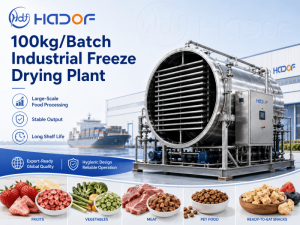
100kg batch industrial Freeze Drying Plant

How Does a 100kg Batch Freeze-Drying Plant Improve Production Efficiency?

Batch capacity directly affects how often a factory needs to repeat loading, unloading, and preparation operations.

A smaller freeze dryer may require more cycles to complete large orders. Each cycle requires product preparation, tray loading, freezing, drying, unloading, and cleaning. When production demand increases, repeated operations can consume more labor and reduce daily efficiency.

A 100kg/Batch Industrial Freeze Drying Plant helps manufacturers process more material in each batch. The larger production capacity reduces repeated batch turnover and creates a smoother production schedule.

This advantage becomes more valuable when factories need to maintain regular supply for customers, distributors, or commercial food brands.

Why Does Reducing Waiting Time Matter in Industrial Freeze Drying?

Commercial production depends on the connection between each stage.

A freeze dryer may have sufficient capacity, but the entire line can slow down if raw materials arrive too late or finished products wait too long after drying.

For example, products may wait before entering the freeze dryer because the freezing stage cannot prepare enough material. Finished products may also accumulate if the packaging process cannot match the drying output.

A well-designed production system reduces these delays by connecting each process in the correct order.

An industrial tunnel freezing machine can support continuous pre-freezing before freeze drying. This helps prepare frozen materials in advance and allows the freeze dryer to maintain a more stable production rhythm.

The purpose of pre-freezing equipment is not only faster freezing. It also helps balance the workflow between preparation and freeze drying.

How Do Food Conveyors Improve Material Transfer Efficiency?

Material transfer becomes a major factor when production volume increases.

Manual movement between cleaning, freezing, freeze drying, and packaging areas can increase labor requirements and create unnecessary waiting time.

A food conveyor system helps connect different processing stages and creates a more continuous production flow.

For a 100kg batch production system, conveyors can support smoother movement of trays, raw materials, or finished products between different areas. This reduces repeated manual handling and helps operators focus on production management instead of frequent transportation tasks.

A practical conveyor layout also helps factories maintain cleaner and more organized workshops.

How Does Packaging Capacity Affect the Overall Production Rhythm?

The freeze-drying process does not end when the drying cycle finishes.

After unloading, finished products still need inspection, handling, and packaging. If the packaging stage cannot match the output of the freeze dryer, finished products may wait and occupy valuable working space.

A suitable food packing machine helps manufacturers complete the final stage more efficiently.

Packaging equipment should match the production speed of the freeze-drying system. A balanced workflow reduces product waiting time and helps maintain consistent daily output.

The complete production process should connect:

Raw material preparation → freezing → freeze drying → unloading → inspection → packaging

Each stage supports the performance of the next stage.

Why Should a 100kg Freeze-Drying Plant Work as a Complete System?

A large freeze dryer alone does not guarantee high production efficiency.

Commercial manufacturers need to consider the relationship between equipment capacity, production timing, material movement, and factory layout.

For example:

  • insufficient freezing capacity can delay the freeze dryer;
  • slow material transfer can increase labor requirements;
  • limited packaging speed can create finished-product accumulation;
  • poor layout can increase unnecessary movement.

A complete freeze-drying production line helps connect different processes according to actual production requirements.

HADOF can combine freeze drying equipment with freezing, conveying, preparation, and packaging systems according to your raw materials, production capacity, and factory area.

How Does a 100kg Batch System Support Future Expansion?

A 100kg/batch freeze-drying plant provides a stronger foundation for businesses that want to move from small commercial production toward industrial-scale manufacturing.

It allows manufacturers to handle larger orders while maintaining batch-based flexibility. The system can also integrate additional equipment when production requirements increase.

The key advantage does not come only from processing more material in one batch. It comes from reducing repeated operations, improving equipment utilization, and creating a smoother production workflow.

A well-designed 100kg production system helps solve common commercial challenges such as long waiting periods, inefficient material transfer, production interruptions, and packaging delays.

Build a More Efficient Commercial Freeze-Drying Solution

A 100kg/Batch Industrial Freeze Drying Plant works as the core of a commercial freeze-drying system. When freezing, conveying, drying, and packaging stages connect properly, the entire production process becomes more stable and efficient.

HADOF provides customized freeze-drying solutions based on your raw materials, production requirements, and factory space. The right equipment combination helps manufacturers improve production flow and build a practical commercial freeze-drying operation.

If you need related customized services, please visit the HADOF Freeze Dryer homepage for more information: https://www.freezehadof.com/
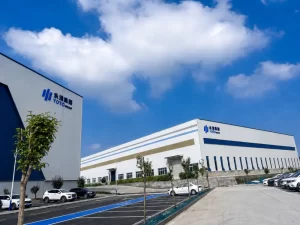
Hadof freeze dryer factory


Барабанный или дисковый гранулятор: что выгоднее для промышленной линии

Промышленный производитель удобрений должен сравнивать грануляторы по производительности, сырью, требованиям к гранулам и структуре всей линии. Поэтому барабанный гранулятор для промышленной линии удобрений подходит проекту только тогда, когда непрерывный поток и требуемый масштаб оправдывают такую конструкцию. Дисковая технология решает похожую задачу другим способом. Завод получает более точное решение, когда fertilizer production process связывает свойства сырья с реальной загрузкой оборудования, а не с названием машины.

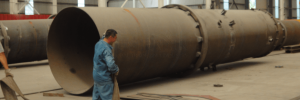
Производство-барабанных-грануляторов

Когда барабанный гранулятор выгоднее дискового для промышленного производства удобрений?

Барабанная конструкция особенно интересна заводу, который планирует стабильный непрерывный выпуск. Целевая страница SXmashina показывает диапазон производительности барабанных моделей от 1 до 30 т/ч. Производитель также указывает размер готовых частиц 3–6 мм и рабочую влажность сырья перед грануляцией 20–40% для представленной линейки.

Барабан постоянно поднимает и перекатывает материал внутри цилиндра. Частицы сталкиваются, получают жидкость или связующее и постепенно увеличиваются. Такая схема хорошо вписывается в fertilizer manufacturing line, где дозирование, смешивание, грануляция и дальнейшая обработка работают непрерывно.

Для промышленного проекта важен масштаб. Модель SXZGZ-1240 относится к диапазону 1–3 т/ч, а старшие модели постепенно увеличивают производительность до 15–30 т/ч. Поэтому роторный барабанный гранулятор для крупного производства позволяет проектировщику подобрать несколько уровней мощности в рамках одного технологического принципа.

Когда дисковый гранулятор становится более экономичным решением для завода?

Дисковая машина лучше подходит проекту, которому важна гибкость регулировки и более умеренная производительность. SXmashina указывает для своей линейки дисковых грануляторов диапазон примерно 0,02–6 т/ч. Оператор регулирует угол диска, скорость вращения и количество жидкости, поэтому предприятие может быстрее адаптировать режим под разные материалы.

Производитель может рассмотреть дисковый гранулятор для гибкого производства удобрений, если завод выпускает небольшие или средние партии. Такой вариант особенно интересен проекту с ограниченным fertilizer plant investment и частой сменой рецептуры.

Дисковая машина также занимает понятное место в небольшом fertilizer granulation system. Завод может соединить её со смесителем, сушилкой и грохотом. Однако предприятие должно рассчитать эти узлы по одинаковому материальному потоку.

Как сырьё влияет на выбор между барабанным и дисковым оборудованием?

Оба варианта относятся к влажной грануляции, поэтому свойства порошка напрямую влияют на результат. Инженер анализирует размер частиц, влажность, пластичность и способность материала к агломерации. Однородный мелкий порошок обычно облегчает образование стабильных гранул.

NPK, органический компост, бентонит и другие материалы имеют разную плотность и способность удерживать влагу. Поэтому оператор не должен переносить одинаковые настройки с одного сырья на другое. Правильный fertilizer processing equipment должен соответствовать реальному поведению материала.

Смеситель играет важную роль перед грануляцией. Он распределяет компоненты и помогает стабилизировать рецептуру. Сушилка после влажной грануляции контролирует остаточную влагу. Грохот отделяет товарную фракцию. Эти три машины помогают заводу контролировать весь fertilizer handling process.

Как размер проекта меняет экономику двух технологий?

Инвестор должен сравнивать не только purchase price гранулятора. Барабанная машина обычно требует больше места, более мощную систему подачи и согласованную инфраструктуру. Однако крупный завод получает высокий диапазон непрерывной производительности.

Дисковый вариант может уменьшить первоначальные вложения для небольшого проекта. При этом несколько небольших машин не всегда дают более дешёвый результат, если предприятие хочет значительно увеличить выпуск. Отдел закупок поэтому сравнивает стоимость оборудования, энергопотребление, площадь, обслуживание и автоматизацию.

Справочный материал про гранулирование как процесс укрупнения частиц показывает различия барабанных и тарельчатых грануляторов на уровне принципа действия. Промышленный проект дополнительно учитывает сырьё и требования к fertilizer quality control.

Как выбрать барабанный или дисковый гранулятор без избыточных инвестиций?

YUSHUNXIN может сопоставить две технологии после получения производительности, влажности сырья, желаемого размера гранул и условий площадки. Покупатель тогда получает fertilizer equipment quotation для нескольких конфигураций и сравнивает проекты на одинаковой основе.

Барабанный вариант чаще соответствует крупному непрерывному потоку. Дисковый вариант даёт больше гибкости малому и среднему проекту. При этом окончательное решение определяют сырьё, рынок и структура всей линии. Покупатель может получить подробнее о выборе барабанного гранулятора после подготовки исходных данных проекта.

Промышленная линия приносит устойчивый результат тогда, когда гранулятор соответствует смесителю, сушилке и сортировочному участку по фактической производительности.

https://www.sxmashina.com/granulyator-s-vrashchayushchimsya-barabanom/

How Much Does an Organic Fertilizer Production Line Cost

When you plan to build an organic fertilizer production project, the equipment cost is often one of the first questions you consider. However, the total investment is not only related to the machines themselves. Your raw materials, production capacity, fertilizer type, automation level, and final product requirements all influence the overall project budget.

A professional organic fertilizer plant manufacturer can help you evaluate these factors before selecting equipment. For example, a simple powder fertilizer line may focus on fermentation, crushing, screening, and packaging, while a commercial granular fertilizer project may include granulation, drying, cooling, screening, coating, and automatic packaging systems.

What Factors Affect Organic Fertilizer Production Line Cost?

The first factor is your raw material situation. Different materials have different moisture content, viscosity, and processing requirements. Chicken manure, cow manure, agricultural waste, and other organic materials may require different pretreatment methods before entering the production process.

For customers processing animal waste, a livestock manure fertilizer production line can include equipment for fermentation, crushing, mixing, granulation, and packaging depending on the final fertilizer product.

Production capacity is another important factor. A small project for local fertilizer sales may use a simpler configuration, while a larger commercial factory needs more continuous operation capability. When you evaluate an industrial organic fertilizer plant investment, you can consider not only the initial equipment purchase but also future expansion possibilities.

Commercial Cow Waste Management Solution

How Does Production Capacity Influence Investment?

Capacity directly affects equipment size and system configuration. A small organic fertilizer line may require fewer machines and lower infrastructure costs, while larger projects need stronger processing capacity and more complete supporting systems.

For example, the 20 tph organic fertilizer plant cost will depend on many details, including raw material preparation, granulation method, drying system, packaging requirements, and automation level.

If you are planning a larger fertilizer factory, you may also consider energy consumption, workshop space, labor requirements, and maintenance accessibility when estimating the long-term project value.

Does Granulation Technology Affect the Price?

The final fertilizer product type also changes the equipment selection. Powder organic fertilizer production lines usually have a shorter process, while granular fertilizer production requires additional granulation and post-processing equipment.

Different granulation methods create different investment levels. Your choice may depend on the desired particle shape, production capacity, and raw material characteristics. A complete solution can be designed around your actual product goals rather than using the same configuration for every project.

How Does Fermentation Equipment Influence the Project?

Fermentation is an important stage in organic fertilizer production because it helps stabilize organic materials before further processing.

When you select an aerobic fermentation fertilizer production line, the configuration may include different fermentation solutions according to your material conditions, production scale, and environmental requirements. The fermentation stage is closely connected with moisture control, odor management, and final fertilizer quality.

Click here for more details to explore more information about organic fertilizer production solutions.

Planning Your Organic Fertilizer Project Budget

A realistic budget evaluation combines equipment selection, production targets, raw material characteristics, and future development plans. By understanding your production goals first, you can choose a more suitable configuration and avoid unnecessary investment.

For more information about organic fertilizer production solutions, you can visit https://www.shunxin.eu/organic-fertilizer-production-line/

How Can a 30 TPH BB Fertilizer Plant Avoid Bottlenecks

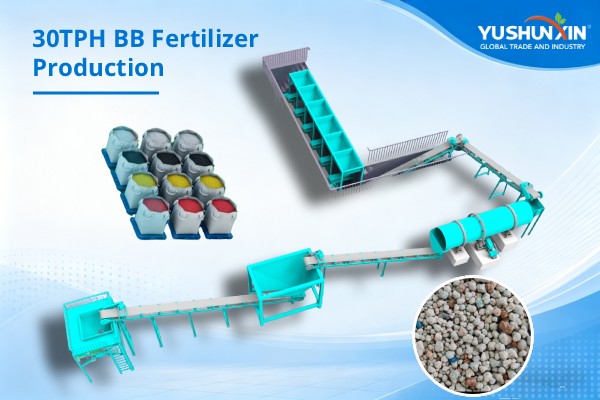
A 30-ton-per-hour target changes how you evaluate a blending project. If batching reaches the required rate but mixing or packing cannot follow, the whole line slows down. Before comparing individual machine prices, assess a 30 TPH BB fertilizer plant as one capacity-matched system.

Are Your Raw Materials Ready for Fast Blending?

Bulk blending normally uses finished fertilizer granules rather than creating new pellets. Common inputs include urea, DAP, MAP and potassium chloride. Similar particle size, density and moisture help reduce segregation during conveying, storage and delivery.

A high-capacity fertilizer blending system can also handle selected powders, but you need to confirm flowability before equipment sizing. Excess fines, caking or large density differences can disturb weighing accuracy and product uniformity.

Can Batching and Conveying Maintain 30 TPH?

The target page uses dynamic automatic batching, continuous conveying, drum mixing and automatic packaging. An automatic BB fertilizer batching line measures each component according to the selected formula, while the conveyors keep material moving between sections.

Check the number of raw-material bins, recipe-change frequency and feeding method. These details affect both throughput and layout. A large-capacity mixer cannot recover production time if the batching section supplies material unevenly.

30TPH BB fertilizer manufacturing solution

Is the Mixer Sized for Continuous Flow?

The plant page specifies a rotary mixer rated at 20–40 TPH. This range can support a 30 TPH project when the normal working rate, residence time and upstream feed remain coordinated. A related rotary drum BB fertilizer blender is available in carbon-steel and stainless-steel configurations for fertilizer granules.

Can Packaging Keep Up With Output?

At a nominal 30 TPH, 50 kg bags equal 600 bag fills per hour before downtime. Therefore, a 30 TPH fertilizer packaging setup needs enough weighing, filling, sealing and conveying capacity to prevent material buildup after mixing. The target configuration uses a double-bucket bagging scale to support continuous output.

What Space and Budget Need Reviewing?

The page gives an indicative area of 1,800–2,200 m² and an equipment investment range of $100,000–$300,000. The final layout and price depend on storage, bin quantity, automation, construction conditions and packing requirements. For a comparable quotation, send your formulas, hourly output, bag size, workshop dimensions and voltage.

These details help the supplier configure a large-scale BB fertilizer factory around your actual operating conditions. You can view the complete plant design here:

https://www.mixedfertilizermachines.com/products/30tph-bb-fertilizer-plant/