A Comprehensive Guide to a 30-Ton Per Hour Carbon-Based Fertilizer Production Line

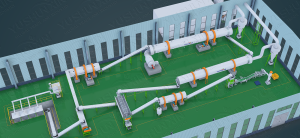
As the demand for sustainable agriculture grows, carbon-based fertilizers are gaining traction due to their numerous benefits for soil health and crop production. A 30-ton per hour carbon-based fertilizer production line is a robust solution for large-scale agricultural operations, offering efficiency and high output. This blog will provide an overview of the key components, workflow, and advantages of a 30-ton per hour carbon-based fertilizer production line.

Introduction to Carbon-Based Fertilizer

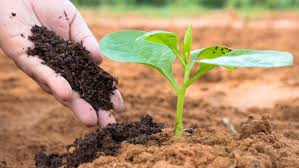
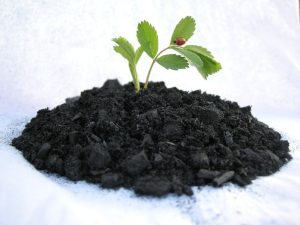
Carbon-based fertilizer combines biochar with organic materials such as animal manure and compost. Biochar, produced through the pyrolysis of organic matter at high temperatures, has a high surface area and porosity, which enhances its ability to retain nutrients and water. When integrated with organic fertilizers, it significantly improves soil structure, fertility, and microbial activity.

Key Components of the 30-Ton Per Hour Production Line

If you want to make 30 TPH biochar production line, there are 9 key ccomponents of steps:

  1. Raw Material Crusher:
    • Crushes organic materials like crop residues and wood into smaller particles suitable for the carbonization process.
  2. Carbonization Furnace:
    • Converts crushed raw materials into biochar through a high-temperature pyrolysis process.
  3. Mixer:
    • Evenly mixes biochar with other organic materials to create a homogenous blend.
  4. Fermentation Tank:
    • Facilitates the fermentation of the mixed materials, enhancing the stability and nutrient content of the fertilizer.
  5. Granulator:
    • Forms the fermented mixture into uniform granules, making it easier to apply and transport.
  6. Dryer:
    • Removes excess moisture from the granules, ensuring they are dry and stable for storage and application.
  7. Cooler:
    • Cools the dried granules to preserve their quality and prevent clumping during storage.
  8. Screening Machine:
    • Screens the cooled granules to ensure uniform size, removing any oversized or undersized particles.
  9. Packaging Machine:
    • Efficiently packages the final product into bags or bulk containers, ready for distribution and use.

Workflow of the Production Line

Then there are important steps of producing 30 ton per hour charcoal-based fertilizer production line.

  1. Raw Material Preparation:
    • Collect and crush organic materials to prepare them for carbonization.
  2. Carbonization:
    • The crushed materials are fed into the carbonization furnace, where they undergo pyrolysis to produce biochar.
  3. Mixing and Fermentation:
    • The biochar is mixed with other organic materials and transferred to fermentation tanks. This process breaks down the organic matter, enhancing its nutrient content and stability.
  4. Granulation:
    • The fermented mixture is fed into the granulator, where it is formed into uniform granules.
  5. Drying and Cooling:
    • The granules are dried to remove excess moisture and then cooled to maintain their quality and prevent clumping.
  6. Screening and Packaging:
    • The granules are screened for uniform size and then packaged for distribution and use.

Advantages of the 30-Ton Per Hour Carbon-Based Fertilizer Production Line

Then there are advantages of the 30 ton per hour char-based ferrtilizer production line:

  1. High Production Efficiency:
    • With a capacity of 30 tons per hour, this production line can meet the demands of large-scale agricultural operations, ensuring a steady supply of high-quality fertilizer.
  2. Enhanced Soil Health:
    • The carbon-based fertilizer improves soil structure, water retention, and nutrient-holding capacity, promoting healthier crops and higher yields.
  3. Sustainability:
    • Utilizing crop residues and organic waste to produce biochar and fertilizers reduces environmental pollution and promotes sustainable agriculture.
  4. Cost-Effective:
    • The production line’s high efficiency and output lower the overall production costs, making it a cost-effective solution for large-scale fertilizer production.
  5. Environmental Benefits:
    • Biochar’s ability to sequester carbon helps mitigate climate change by reducing greenhouse gas emissions.
  6. Improved Crop Quality:
    • The use of carbon-based fertilizers enhances crop growth and quality, resulting in higher market value and better returns for farmers.

Conclusion

A 30-ton per hour carbon-based fertilizer production line offers a powerful solution for modern agricultural needs, combining efficiency, sustainability, and high output. By integrating advanced technologies and processes, it ensures the production of high-quality fertilizers that promote soil health, enhance crop yields, and contribute to environmental sustainability. Investing in such a production line can significantly boost agricultural productivity and support the global shift towards greener farming practices. In the end, if you want to learn more about carbon-based fertilizer production line, you can click here: https://www.charbasedfertilizermachine.com/product/30-tph-large-biochar-powder-fertilizer-production-line/

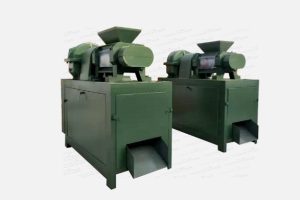
How to Maintain Double Roller Extrusion Granulator for Optimal Performance?

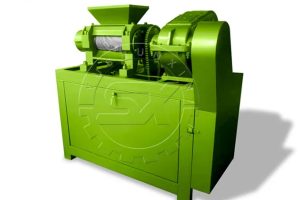
In the quest for optimal performance, the maintenance of a double roller extrusion granulator cannot be overlooked. This guide delves into effective maintenance strategies, raw materials suitable for the machine, and the specific needs and benefits for various industries, ensuring the granulator remains in prime condition.

What Raw Materials Suit Double Roller Extrusion Granulators?

Fertilizer Industry: Versatility and Nutrient Preservation

Double roller extrusion granulators find significant application in the fertilizer industry. Suitable raw materials include urea, ammonium nitrate, and potassium chloride. These materials are compacted into uniform granules, which facilitate easy handling, storage, and application. The granulation process ensures the slow release of nutrients, improving crop yield and soil health. By using these granulators, fertilizer manufacturers can create high-quality products that meet agricultural demands efficiently.

Chemical Industry: Stability and Homogeneity

The chemical industry benefits from the use of raw materials such as sodium bicarbonate, bentonite, and polymers in compact granulators. These materials often require stable and homogeneous granules to ensure consistent reactions and product quality. The granulation process aids in reducing dust, improving flow properties, and enhancing the material’s overall stability. These advantages are vital for various chemical manufacturing processes, contributing to safer and more efficient operations.

How to Maintain a Double Roller Extrusion Granulator?

Regular Inspections and Cleaning

Maintaining a dry granulation machine demands regular inspections and cleaning. Operators should conduct visual checks for wear and tear on rollers, bearings, and other critical components. Cleaning the equipment after each use prevents material buildup, which can lead to operational issues. Regular maintenance extends the lifespan of the granulator and ensures consistent performance.

Lubrication of Moving Parts

Proper lubrication of the moving parts is essential for the smooth operation of a compact granulator. Lubricants reduce friction and wear on components, preventing breakdowns and costly repairs. Operators should follow the manufacturer’s guidelines for lubrication intervals and use recommended lubricants to maintain optimal performance.

Calibration and Adjustment

Calibration and adjustment are vital for maintaining the efficiency of a press granulator. Regular calibration ensures that the machine produces granules of the desired size and shape. Adjustments to the roller gap and pressure settings should be made according to the specific material being processed. These steps help in achieving uniform granulation and meeting product specifications.

double roller extrusion for carbon-based fertilizer

What Features Enhance the Performance of Double Roller Extrusion Granulators?

Robust Construction and Durability

Double roller extrusion granulators are built with robust construction to handle various materials. Features such as high-quality rollers, durable frames, and reliable bearings contribute to the machine’s longevity and performance. These features ensure that the granulator can withstand the rigors of continuous operation in demanding industrial environments.

Advanced Control Systems

Modern compact granulators come equipped with advanced control systems that allow for precise adjustments and monitoring. These systems enable operators to control parameters such as roller speed, pressure, and feed rate, ensuring optimal granulation conditions. Advanced controls enhance the machine’s efficiency and product quality.

Easy Maintenance and Accessibility

Dry granulation machines are designed for easy maintenance and accessibility. Features like removable rollers, accessible lubrication points, and clear maintenance guidelines simplify the upkeep process. Easy maintenance ensures that the granulator remains in excellent condition, reducing downtime and maintenance costs.

Conclusion

Double roller extrusion granulators, or dry granulation machines, are indispensable across various industries due to their versatility and efficiency. Regular maintenance, including inspections, cleaning, lubrication, and calibration, is crucial for ensuring their optimal performance. With robust construction, advanced control systems, and easy maintenance features, these granulators continue to meet the specific needs of the fertilizer, pharmaceutical, and chemical industries. For those seeking professional solutions, Yushunxin offers high-quality fertilizer equipment tailored to your needs. You can visit: https://www.fertilizerproductequipment.com/double-roller-granulator/

Revolutionizing Organic Fertilizer Production: The Benefits of Horizontal Fermenters

In the quest for sustainable agriculture, the production of organic fertilizers has become increasingly important. A key component in this production process is the fermentation stage, where raw organic materials are broken down and transformed into nutrient-rich compost. One of the most efficient tools for this process is the horizontal fermenter. This blog will explore the advantages and benefits of using horizontal fermentation tank in organic fertilizer production.

What is a Horizontal Fermenter?

A horizontal fermenter is a specialized piece of equipment designed to facilitate the aerobic fermentation of organic materials. It consists of a horizontally-oriented drum that rotates slowly to mix and aerate the composting materials. This design ensures optimal conditions for microbial activity, leading to efficient decomposition and nutrient transformation.

Advantages of Using a Horizontal Fermenter

  1. Efficient Aeration and Mixing
    • The organic fertilizer horizontal tank design allows for continuous and even mixing of the composting materials, ensuring that oxygen is uniformly distributed throughout the batch. This enhances aerobic microbial activity, which is crucial for the efficient breakdown of organic matter.
  2. Accelerated Fermentation Process
    • Due to the optimal aeration and mixing, the fermentation process in a horizontal fermenter is significantly faster compared to traditional composting methods. This means quicker turnaround times and increased productivity.
  3. Temperature Control
    • Horizontal fermenters often come equipped with temperature control systems. Maintaining the right temperature is essential for promoting microbial activity and ensuring that pathogens are destroyed, resulting in a safer and more effective fertilizer.
  4. Consistent Quality
    • The controlled environment of a horizontal fermenter ensures that the end product is consistent in quality. This is particularly important for commercial fertilizer producers who need to meet specific standards and regulations.

  1. Reduced Labor Requirements
    • Traditional composting methods require frequent manual turning of the compost piles. Horizontal fermenters automate this process, reducing the need for manual labor and lowering operational costs.
  2. Space Efficiency
    • Because horizontal fermenters are enclosed systems, they require less space compared to traditional composting methods that rely on large, open piles. This makes them ideal for operations with limited space.
  3. Environmental Benefits
    • The efficient fermentation process reduces the release of greenhouse gases and unpleasant odors often associated with composting. This makes horizontal fermenters a more environmentally friendly option.

Applications in Organic Fertilizer Production

Horizontal fermenter pot are versatile and can handle a wide range of organic materials, including:

  • Animal manure
  • Agricultural residues (such as crop stalks and straw
  • Municipal sludge
  • Food waste

By converting these materials into high-quality organic fertilizer, horizontal fermenters help close the nutrient loop in agriculture, promoting soil health and reducing dependency on chemical fertilizers.

Conclusion

The horizontal fermenter is a game-changer in the field of organic fertilizer production. Its efficiency, ability to produce consistent and high-quality compost, and environmental benefits make it an invaluable tool for modern agriculture. As the demand for sustainable farming practices continues to grow, the adoption of advanced technologies like the horizontal fermenter will be crucial in meeting this demand.

Investing in a horizontal fermenter not only boosts production efficiency but also contributes to the larger goal of creating a sustainable and eco-friendly agricultural system. For farmers and commercial fertilizer producers looking to improve their operations, the horizontal fermenter represents a smart and forward-thinking choice.

If you are interested in learning more about how horizontal fermenters can revolutionize your organic fertilizer production, feel free to reach out to our team for more information and personalized advice.

Biochar Fermentation Tank Technology

Overview

Biochar fermentation tank technology integrates the benefits of biochar and microbial fermentation to produce high-quality organic fertilizers. Biochar, a form of charcoal used as a soil amendment, enhances soil properties and microbial activity. When combined with organic waste in a fermentation tank, it creates a nutrient-rich and environmentally beneficial fertilizer. And if you want to know about more details of biochar fermentation tank,  then you can visit my website: https://www.charbasedfertilizermachine.com/product/horizontal-fermentation-tank/

Biochar fermentation tank technology integrates the benefits of biochar and microbial fermentation to produce high-quality organic fertilizers. Biochar, a form of charcoal used as a soil amendment, enhances soil properties and microbial activity. When combined with organic waste in a fermentation tank, it creates a nutrient-rich and environmentally beneficial fertilizer. And if you want to know about more details of biochar fermentation tank,  then you can visit my website: https://www.charbasedfertilizermachine.com/product/horizontal-fermentation-tank/


Key Components and Features

Biochar Integration:

  1. Biochar Addition: Biochar is mixed with organic waste materials such as manure, crop residues, and food waste. The porous structure of biochar provides a habitat for beneficial microorganisms and enhances nutrient retention.
  2. Soil Improvement: Biochar improves soil structure, water retention, and nutrient availability, contributing to long-term soil health.

Fermentation Tank Design:

  1. Material: Charcoal-based Fermentation Tanks are typically constructed from stainless steel or other corrosion-resistant materials to ensure durability and longevity.
  2. Size and Capacity: Tanks vary in size, ranging from small units for local farms to large industrial-scale tanks for commercial operations.
  3. Insulation and Heating: Proper insulation and heating systems maintain optimal temperatures for microbial activity, especially during colder periods.

Aeration and Mixing Systems:

Aeration: Ensures a continuous supply of oxygen, which is crucial for aerobic microbial processes. Aeration can be achieved through blowers or diffusers strategically placed within the tank.

Mixing: Mechanical mixers or agitators ensure uniform distribution of biochar and organic materials, promoting even fermentation and preventing clumping.

Control and Monitoring Systems:

Sensors: Integrated sensors monitor temperature, humidity, oxygen levels, and other critical parameters in real-time.

Automated Controls: Advanced control systems adjust aeration, heating, and mixing based on sensor data to maintain optimal fermentation conditions.

Remote Monitoring: Some systems offer remote monitoring and control capabilities, allowing operators to manage the process from a distance.

This is the more important process of char-based fertilizer fermentation tank in monitoring systems.

Process of Biochar Fermentation

  • Loading: Organic waste materials are mixed with biochar and loaded into the charcoal fertilizer fermentater .
  • Initial Decomposition: Microorganisms begin to break down the organic matter, releasing heat and starting the composting process.
  • Active Fermentation: The aeration and mixing systems maintain an aerobic environment, promoting rapid microbial activity and decomposition.
  • Thermophilic Stage: The temperature rises, favoring thermophilic microbes that further decompose the material and eliminate pathogens.
  • Maturation: After the active fermentation phase, the material undergoes a maturation period, during which the temperature gradually decreases, and the compost stabilizes.
  • Discharge: The finished product, a nutrient-rich biochar-enhanced organic fertilizer, is discharged from the tank.

Benefits of Biochar Fermentation Technology

  1. Enhanced Soil Health: The addition of biochar improves soil structure, increases water retention, and enhances microbial activity, leading to healthier soils and better plant growth.
  2. Nutrient Efficiency: Biochar’s ability to retain nutrients reduces leaching and increases the availability of nutrients to plants.
  3. Carbon Sequestration: Biochar helps sequester carbon in the soil, contributing to the reduction of greenhouse gases.
  4. Environmental Sustainability: The process reduces organic waste, recycles nutrients, and minimizes odor and emissions, promoting sustainable agricultural practices.

Conclusion

Biochar fertilizer fermenter tank technology represents an innovative approach to organic waste management and fertilizer production. By combining the benefits of biochar with controlled fermentation, this technology produces high-quality, sustainable fertilizers that enhance soil health, improve nutrient efficiency, and contribute to environmental sustainability. So if you want to read more, you can click here to learn fermentation tank.

What equipment can produce frozen fruits

Introduction

Frozen fruits have become increasingly popular due to their convenience, extended shelf life, and nutritional value. The process of producing frozen fruits involves several critical steps, each requiring specialized equipment to ensure quality and efficiency. This guide outlines the key equipment used in the production of frozen fruits, providing insight into their roles and the importance of each in the overall process.

frozen fruit production line

Harvesting and Initial Processing

Fruit Harvesters

The journey of frozen fruits begins with the harvesting stage. Modern fruit harvesters are equipped with advanced technology to pick fruits efficiently while minimizing damage. These machines vary depending on the type of fruit being harvested, ensuring that the fruits are collected at their peak ripeness for optimal taste and nutritional value.

Sorting and Grading Machines

Once harvested, fruits are transported to the processing facility, where sorting and grading machines come into play. These machines are equipped with optical sensors and mechanical sorters to classify fruits based on size, color, and quality. This step ensures that only the best-quality fruits proceed to the subsequent stages, maintaining consistency and quality in the final product.

Washing and Preparation

Washing Systems

Before freezing, fruits need to be thoroughly cleaned to remove dirt, pesticides, and other contaminants. High-pressure washing systems and bubble washers are commonly used for this purpose. These systems ensure that all fruits are cleaned efficiently without causing damage to their delicate surfaces.

Cutting and Slicing Machines

Depending on the type of fruit and the desired end product, fruits may need to be peeled, cored, sliced, or diced. Specialized cutting and slicing machines are designed for this purpose. These machines provide uniform cuts, which are essential for consistent freezing and packaging.

Freezing Equipment

Blast Freezers

The core equipment in the production of frozen fruits is the blast freezer. Blast freezers rapidly lower the temperature of fruits to -18°C or lower, preserving their texture, flavor, and nutritional content. By freezing fruits quickly, ice crystals remain small, preventing cellular damage and maintaining the fruit’s quality.

Tunnel Freezers

For large-scale operations, tunnel freezers offer a continuous freezing process. Fruits are placed on conveyor belts that move through a long, insulated tunnel. The tunnel is equipped with powerful fans that circulate cold air, ensuring uniform freezing throughout the entire batch. This method is efficient and suitable for high-volume production.

Post-Freezing Handling

Packaging Machines

Once the fruits are frozen, they need to be packaged promptly to prevent exposure to warmer temperatures. Automated packaging machines seal the frozen fruits in moisture-proof bags or containers, protecting them from freezer burn and contamination. These machines can also be equipped with vacuum-sealing capabilities to extend shelf life further.

Metal Detectors and Quality Control

Ensuring the safety and quality of the frozen fruits is paramount. Metal detectors are used to scan packaged fruits for any metallic contaminants. Additionally, quality control systems, including X-ray machines and visual inspection stations, help verify that the fruits meet all safety and quality standards.

Cold Storage Solutions

Cold Storage Warehouses

After packaging, frozen fruits are stored in cold storage warehouses equipped with advanced refrigeration systems. These facilities maintain consistent low temperatures to preserve the quality of the frozen fruits until they are ready for distribution. Proper cold storage is crucial to prevent temperature fluctuations that could compromise the quality of the fruits.

Conclusion

Producing frozen fruits involves a series of meticulous steps, each requiring specialized equipment to ensure the highest quality final product. From harvesting and initial processing to freezing, packaging, and cold storage, each piece of equipment plays a vital role in maintaining the integrity and nutritional value of the fruits. By understanding and utilizing the right equipment, producers can meet the growing demand for convenient, healthy, and high-quality frozen fruits, contributing to a more sustainable and efficient food supply chain. Visiting: https://www.foodprocessinglines.com/product/frozen-fruits-processing-line/

What is the process of making bamboo biochar briquette

Introduction

Bamboo biochar briquettes are gaining popularity due to their environmental benefits and efficiency as a renewable energy source. The process of converting bamboo into biochar briquettes involves several stages, each crucial for producing high-quality briquettes. This guide will walk you through the detailed process, from raw material preparation to the final product, and provide insights into the benefits of using bamboo for biochar production.

bamboo charcoal briquette making plant

Preparation of Raw Materials

Selecting Quality Bamboo

The first step in the process is to select high-quality bamboo. Mature bamboo with a high lignin content is ideal, as it will yield more robust and efficient briquettes. Ensure the bamboo is harvested responsibly to maintain ecological balance.

Chipping and Drying

Once selected, the bamboo must be chipped into smaller pieces to facilitate easier handling and uniform carbonization. Use a wood chipper to get chips of consistent size. After chipping, the bamboo needs to be thoroughly dried to reduce moisture content. Employ air drying or kiln drying methods to achieve the desired moisture level, typically below 10%.

Carbonization Process

Setting Up the Kiln

The dried bamboo chips are then subjected to a carbonization process. Set up a pyrolysis kiln, which can be either a traditional earth kiln or a modern metal retort, depending on the scale of production. Ensure the kiln is airtight to control the oxygen supply, as limited oxygen is crucial for effective carbonization.

Carbonizing the Bamboo

Load the bamboo chips into the kiln and ignite the material. Gradually increase the temperature to around 400-700°C. The aim is to heat the bamboo in an oxygen-limited environment to decompose it into biochar. This process can take several hours, during which volatile substances are released, leaving behind carbon-rich biochar.

Briquetting the Biochar

Crushing and Mixing

Once the carbonization is complete, the resultant biochar is cooled and then crushed into a fine powder. Mixing the powdered biochar with a suitable binder, such as starch or molasses, is essential to facilitate the briquetting process. The binder helps the particles adhere to each other, forming a cohesive mass.

Pressing into Briquettes

Feed the biochar-binder mixture into a briquetting machine. The machine compacts the mixture under high pressure to form briquettes. The shape and size of the briquettes can be adjusted based on the mold used in the briquetting machine. Ensure the briquettes are uniform for consistent performance.

Drying and Packaging

Post-Pressing Drying

After pressing, the briquettes need to be dried to remove any residual moisture from the binder. Use a drying system, such as a conveyor dryer or sunlight, to achieve this. Proper drying is crucial to enhance the briquettes’ durability and combustion efficiency.

Packaging and Storage

Once dried, the briquettes are ready for packaging. Use moisture-proof bags or containers to pack the briquettes, ensuring they remain dry during storage and transportation. Store them in a cool, dry place away from direct sunlight and moisture.

Benefits of Bamboo Biochar Briquettes

Environmental Sustainability

Bamboo biochar briquettes are a sustainable alternative to traditional fossil fuels. Bamboo grows rapidly and can be harvested sustainably, reducing deforestation and carbon emissions.

High Efficiency and Versatility

Biochar briquettes have a high calorific value and burn efficiently, producing less smoke and ash compared to conventional wood charcoal. They can be used in various applications, including cooking, heating, and industrial processes.

Conclusion

The process of making bamboo biochar briquettes involves careful preparation of raw materials, controlled carbonization, precise briquetting, and thorough drying. Each step is crucial to ensure the production of high-quality briquettes that are environmentally friendly and efficient. By converting bamboo into biochar briquettes, we can harness a renewable energy source that contributes to sustainable development and reduces our dependence on fossil fuels. Understanding and implementing this process can pave the way for a greener future. Visiting: https://www.char-molder.com/product/bamboo-charcoal-briquette-plant/

The Future of Agriculture: Scaling up to a 300,000 Organic Charcoal-based Fertilizer Powder Production Line

Introduction

Agriculture, a sector as old as human civilization, continues to evolve, especially with the increasing demand for sustainable and high-quality fertilizers. Organic charcoal-based fertilizer powder is one innovative product emerging from this demand. This article explores the intricacies of scaling up to a 300,000 charcoal-based fertilizer production line of this vital product, focusing on its production process, benefits, and impact on the future of agriculture. If you have any questions, and you can come to my website : https://www.charbasedfertilizermachine.com/product/30-tph-large-biochar-powder-fertilizer-production-line/

The Production Process

Every manufacturing process begins with the procurement of raw materials, and in the case of 300,000 organic charcoal-based fertilizer powder production line , the primary materials are organic waste. These include crop straw, animal waste, and kitchen waste. The transformation of these waste materials into useful fertilizer involves a series of steps.

The first stage is pyrolysis, a process where the organic materials are heated in an oxygen-free environment to produce charcoal. This step is important in process of making 30,000 organic charcoal fertilizer powder production line. This charcoal is then ground into a fine powder form. The next step involves blending this powder with essential plant nutrients like nitrogen, phosphorus, and potassium. A careful and controlled blending process ensures uniform nutrient distribution throughout the powder.

The resulting mixture is then moistened and processed in a disc granulator machine. This machine exerts high pressure on the mixture, turning it into granules which are easier to apply on the fields. The granules are then dried, cooled, and packaged, ready for distribution to the end users.

The Benefits of Organic Charcoal-Based Fertilizer Making

Organic charcoal-based fertilizer powder production process offers numerous benefits over conventional fertilizers. First and foremost, it is an environmentally friendly product. By using waste materials, the production process reduces the quantity of waste that would otherwise end up in landfills. Furthermore, the pyrolysis process employed in the production reduces greenhouse gas emissions, further promoting environmental sustainability.

Secondly, the charcoal in the fertilizer improves soil health. It enhances soil fertility by increasing the soil’s water-holding capacity and maintaining an optimal pH. The granules also provide a steady, slow-release source of nutrients to the plants, ensuring they receive adequate nutrition over an extended period.

Thirdly, the organic charcoal-based fertilizer is cost-effective. It utilizes waste materials, making the production process inexpensive. Moreover, the high efficiency and slow-release property of the fertilizer reduce the frequency of fertilizer application, leading to significant long-term cost savings.

The Future of Agriculture

As the global population continues to surge, the demand for sustainable agricultural practices is also on the rise. Scaling to a 300,000 organic charcoal-based fertilizer powder production line is a significant step towards meeting this demand.

This production line not only promotes waste recycling and environmental conservation but also enhances soil fertility and crop yield. For agribusinesses looking to expand their fertilizer production capacity while maintaining ecological balance, this production line is a worthy investment.

Conclusion

The 300,000 organic charcoal-based fertilizer production line is a clear demonstration of how agricultural practices can synergize with environmental conservation. By transforming waste into a valuable resource, this production process heralds a shift towards sustainable agriculture— a shift that is not only beneficial for the environment but also holds promising economic prospects for the agribusiness sector.  In the end, if you want to think about more, you can click here.

The Disc Mill Machine: Revolutionizing Wood Processing Technology

In the world of wood processing technology, the disc mill machine has emerged as a game-changer. This powerful tool, also known as a disc grinder or shredder, has transformed the way raw wood materials are turned into usable products. With its efficiency, precision, and versatility, the disc mill machine has become an indispensable tool in industries such as lumber, paper, and biomass.

The Working Principle

At the heart of the disc mill machine is a large rotating disc with sharp blades or hammers attached to it. As the disc spins at high speeds, the blades or hammers strike the wood, breaking it down into smaller, uniform pieces. The size of the final product can be easily adjusted by changing the speed of the disc or the configuration of the blades.

Principle Of The Disc Mill Machine

Versatility in Wood Processing

One of the key advantages of the disc mill machine is its versatility. It can process a wide range of wood materials, from softwoods like pine and cedar to hardwoods like oak and maple. This versatility makes it an essential tool for industries that require the efficient processing of various types of wood materials.

Principle and Appearance Of The Disc Mill Machine

Efficiency and Precision

The disc mill machine offers unmatched efficiency and precision in wood processing. Compared to traditional methods of manual cutting or chipping, the disc mill machine can quickly and easily grind large quantities of wood into uniform pieces. This not only saves time and labor costs but also ensures a consistent quality of the final product. The adjustable settings of the machine allow operators to control the size and shape of the wood pieces, ensuring they meet the specific requirements of each application.

Multiple usage of the machine
Multiple uses of the machine

Durability and Reliability

Designed for durability and reliability, the disc mill machine is built to withstand the rigorous demands of industrial wood processing operations. Its robust construction and heavy-duty components ensure that the machine can deliver consistent performance over long periods of use. This makes it a valuable investment for businesses looking to optimize their wood processing operations and increase overall efficiency.

Applications in Various Industries

The disc mill machine finds applications in a wide range of industries, including lumber, paper, and biomass. In the lumber industry, the machine is used to process raw wood materials into manageable pieces for further processing. In the paper industry, the machine is utilized to produce wood pulp for paper production. In the biomass industry, the disc milling machine is used to grind wood materials for fuel or composting.

Portable Disc Mill Machine

Future Prospects

As technology continues to advance, the disc mill machine is expected to play a key role in shaping the future of wood processing. With its unmatched efficiency, precision, and versatility, the machine will continue to revolutionize the way raw wood materials are processed and utilized in various industries.

The disc mill machine has truly revolutionized wood processing technology with its efficiency, precision, and versatility. As industries continue to rely on the efficient processing of raw wood materials, the disc mill machine will remain an essential tool in optimizing wood processing operations. Its durability and reliability make it a valuable investment for businesses looking to enhance their wood processing capabilities and stay ahead in a competitive market. If you would like to learn more about charcoal production machines and production lines, please visit here: https://www.sunrisecharpro.com/

What is the organic fertilizer production process?

The market for charcoal based fertilizers is gradually increasing nowadays with the demand for sustainable agriculture. Do you want to manufacture charcoal based fertilizer? Then you can read the article, if you want to tour more related knowledge, you can come to my website:https://www.charbasedfertilizermachine.com/product/organic-fertilizer-manufacturing/

1. Raw Material Collection

The first step of organic manufacturing involves gathering the necessary raw materials, which can include:

  • Animal manure (e.g., cow, horse, chicken)
  • Agricultural waste (e.g., straw, husks)
  • Industrial waste (e.g., distiller’s grains, vinasse)
  • Municipal sludge
  • Other organic matter

2. Fermentation

The collected raw materials need to undergo a fermentation process to decompose and stabilize the organic matter. This process is more important in organic making .This can be done using different types of composting equipment:

  • Crawler Turner: This machine turns and aerates the compost pile, speeding up decomposition.
  • Self-propelled Turner: Similar to the crawler turner but is self-propelled for easier maneuverability.
  • Chain Plate Turner: Utilizes chains and plates to turn the compost more efficiently.
  • Horizontal Fermenter: Enclosed fermentation that provides controlled conditions for faster composting.

3. Crushing

After fermentation, the compost is usually passed through a crusher to break down any large clumps, ensuring a fine and uniform texture.

4. Screening

The crushed material is then screened to remove any impurities or large particles that did not fully decompose. A rotary drum or vibrating screen is typically used.

5. Mixing

In this step, additional nutrients or additives may be mixed into the compost to enhance its quality. This ensures a balanced nutrient profile in the final product.

6. Granulation (Optional)

For some types of organic fertilizer, the material is then granulated to form pellets. This is done using a granulator, such as:

  • Disc Granulator
  • Rotary Drum Granulator
  • Flat Die Pellet Mill

Дисковый гранулятор производит бентонитовые гранулы

7. Drying

The granulated fertilizer may need to be dried to reduce moisture content. This is typically done using a rotary dryer.

8. Cooling

After drying, the fertilizer is cooled using a rotary cooler to prevent caking and improve storage stability.

10. Packaging

Finally,when your organic fertilizer making done, then you can packag it using an automatic packing machine. This can be done in bags of various sizes depending on the target market.

Key Equipment in Organic Fertilizer Production

  • Fermentation Equipment: Crawler Turner, Self-propelled Turner, Chain Plate Turner, Horizontal Fermenter
  • Crushing Equipment: Crusher
  • Screening Equipment: Rotary Drum Screen, Vibrating Screen
  • Mixing Equipment: Mixer
  • Granulation Equipment: Disc Granulator, Rotary Drum Granulator, Flat Die Pellet Mill
  • Drying and Cooling Equipment: Rotary Dryer, Rotary Cooler
  • Packaging Equipment: Automatic Packing Machine
Линия грануляции с вращающимся барабаном
 

Example Production Line for Organic Fertilizer Powder

  1. Fermentation: Using a chain plate turner or horizontal fermenter.
  2. Crushing: Using a high moisture fertilizer crusher.
  3. Screening: Using a rotary drum screening machine.
  4. Mixing: Using a horizontal mixer.
  5. Packaging: Using an automatic packing machine.

Each step in the organic production process ensures that the raw materials are converted into high-quality organic fertilizer that is safe, stable, and rich in nutrients.

If you have specific requirements or need more detailed information about any particular part of the process, and you can click here to free to ask. 

Производство экологически чистого туалетного наполнителя для кошек из отходов тофу

В качестве производителя оборудования для производства удобрений мы прекрасно понимаем, что каждый этап производственного процесса напрямую влияет на качество конечного продукта. Исследуя различные производственные линии и возможности технического усовершенствования, мы также нашли возможность применить наши технологии в производстве уникального продукта — туалетного наполнителя для кошек из тофу. В этой статье мы рассмотрим, как с помощью нашего профессионального знания и оборудования производить качественный наполнитель из тофу для кошачьего туалета.

Прежде всего, давайте познакомимся с основами наполнителя для кошек из тофу. Это натуральный, экологически чистый материал для утилизации отходов домашних животных, который в основном изготавливается из отходов тофу или побочных продуктов бобовых растений. В сравнении с традиционными глиняными наполнителями или химическими кристаллическими наполнителями, наполнитель из тофу обладает преимуществами, такими как биоразлагаемость, высокая впитываемость, хорошие дезодорирующие свойства и мягкость для кошек.

Простая линия по производству наполнителей для кошачьих туалетов из тофу

На производстве наполнителя из тофу мы можем использовать ключевые технологии, аналогичные тем, что применяются при производстве удобрений, такие как сушка, гранулирование и упаковка:

1. **Подготовка сырья**: Сначала нам необходимо убедиться, что используемые отходы тофу или бобовых соответствуют стандартам — это первый шаг в обеспечении качества конечного наполнителя.

2. **Измельчение и смешивание**: Аналогично производству удобрений, отходы тофу необходимо измельчить до образования равномерной мелкой фракции. Затем, по необходимости, можно добавить натуральные дезодорирующие или впитывающие добавки.

3. **Гранулирование**: Используя оборудование, похожее на то, что применяется для производства гранулированных удобрений, например экструдеры или барабанные грануляторы, смешанные материалы перерабатываются в гранулы. Путем регулировки параметров оборудования можно контролировать размер и форму гранул, чтобы они были подходящими для использования кошками.

4. **Сушка и охлаждение**: После гранулирования наполнитель нужно просушить в сушилке для удаления лишней влаги и увеличения впитываемости. Затем его необходимо охладить в охладителе, чтобы предотвратить повторное поглощение влаги.

5. **Процесс сортировки**: Процесс сортировки помогает удалить некачественные гранулы и гарантирует однородность и качество продукта.

6. **Упаковка**: Как и на производственных линиях удобрений, наши автоматизированные упаковочные системы могут эффективно упаковывать наполнитель в упаковки различных размеров, облегчая логистику и продажу.

7. **Контроль качества**: На каждом этапе нужно проводить строгий контроль качества и тестирование, чтобы обеспечить безопасность, гигиеничность и высокую производительность конечного продукта — наполнителя из тофу для кошачьего туалета.

Преимущества наполнителя для кошачьего туалета с тофу

В заключение, будучи производителями оборудования для удобрений, мы также должны сосредоточиться на устойчивом развитии. Так как наполнитель для кошек из тофу является экологически чистым продуктом, его производственный процесс также должен максимально снижать воздействие на окружающую среду. Наше оборудование разработано с учетом энергоэффективности и сокращения потребления ресурсов, при этом мы также поощряем использование возобновляемых источников энергии и материалов, пригодных для переработки.

Таким образом, используя наши профессиональные знания и опыт в области производства удобрений, мы можем предложить уникальные преимущества в производстве наполнителя для кошачьего туалета из тофу. Мы стремимся к непрерывному инновационному усовершенствованию производственных процессов, чтобы предлагать высококачественные экологически чистые товары для домашних животных, удовлетворяющие рыночные потребности и вносящие вклад в защиту окружающей среды. Для получения дополнительной информации, пожалуйста, посетите: https://www.sxmashina.com/roizvodstvo-napolnitelya-dlya-koshachego-tualeta-iz-ostatkov-tofu/

How to Make Biochar Fertilizer

How to Make Biochar Fertilizer

In the quest for sustainable agricultural practices, biochar has emerged as a promising solution. Derived from the ancient art of pyrolysis, biochar is a highly porous form of charcoal renowned for its ability to enhance soil fertility and carbon sequestration. Now, we could make charcoal-based fertilizer from biochar.

What is Biochar:

Biochar is essentially charcoal produced through the pyrolysis of organic materials such as wood chips, crop residues, or agricultural waste. This process involves heating biomass in the absence of oxygen, resulting in a stable carbon-rich material with a highly porous structure.

The Benefits of Biochar Fertilizer:

Biochar’s remarkable properties extend beyond soil conditioning; it can serve as an excellent substrate for nutrient-rich fertilizer blends. By combining biochar with organic matter and essential nutrients, we can create a potent fertilizer that not only improves soil structure but also enhances nutrient retention and promotes microbial activity.

Biochar fertilizer
Biochar fertilizer

Making Biochar Fertilizer:

Making bio-based fertilizer from biochar, which is a relatively straightforward process that can be done with minimal equipment. Here’s a simple DIY recipe to get you started:

Selecting the Right Biochar:

Begin by sourcing high-quality biochar from reputable suppliers or by making your own through the pyrolysis of organic materials. Ensure that the biochar is finely ground and free from contaminants.

Blending with Nutrient-Rich Additives:

Next, combine the biochar with nutrient-rich additives such as nitrogen, phosphorus and potassium. This will not only enrich the biochar with essential nutrients but also improve its efficacy as a fertilizer.

Activating Biochar:

To enhance its effectiveness, consider activating the biochar by soaking it in nutrient solutions or inoculating it with beneficial microbes. This process primes the biochar for optimal nutrient absorption and soil conditioning. Finally, you can click https://www.charbasedfertilizermachine.com/product/make-bio-fertilizer-from-biochar/ to more details.

Application Methods:

Finally, apply the biochar fertilizer to your soil using various methods such as mixing it into the soil before planting, top-dressing existing plants, or brewing biochar compost tea. Experiment with different application rates and techniques to determine what works best for your specific needs.

biochar fertilizer
biochar fertilizer

The Benefits of Biochar Fertilizer:

As we embrace the potential of biochar fertilizer, we embark on a journey towards sustainable agriculture and environmental stewardship. By harnessing the power of biochar to enrich our soils and nourish our crops, we not only improve agricultural productivity but also mitigate climate change by sequestering carbon in the soil.

In the realm of sustainable agriculture, making char-based fertilizer from biochar, which stands out as a beacon of hope and innovation. By harnessing the transformative power of biochar, we can cultivate healthier soils, bountiful harvests, and a more resilient food system for generations to come. Join the movement and unlock the potential of biochar fertilizer in your own garden or farm today. Together, we can cultivate a greener, more prosperous future for our planet and all who inhabit it.

In the hands of farmers and gardeners alike, biochar fertilizer holds the key to unlocking the full potential of our soils and ushering in a new era of sustainable agriculture. You can click here to more information.


The Industrial Charcoal Extruder Machine in Charcoal Production

Charcoal has been a vital source of energy for centuries, used for cooking, heating, and industrial applications. Traditionally, charcoal production involved inefficient and labor-intensive methods such as pit kilns and traditional charcoal stoves. However, with advancements in technology, the industrial charcoal extruder machine has emerged as a game-changer in the charcoal production industry.

The Evolution of Charcoal Production Technology

The industrial charcoal extruder machine represents a significant leap forward in the production of charcoal. It streamlines the process of converting charcoal powder or waste biomass into uniform, high-quality charcoal briquettes. Unlike traditional methods that rely on manual labor and low-tech equipment, the charcoal extruder machine automates the compression process, resulting in higher productivity and consistency in the final product.

Wood Charcoal Making

Key Features of the Charcoal Extruder Machine

The industrial charcoal extruder machine is equipped with advanced technology that allows for precise control over the compression and shaping of charcoal briquettes. The machine consists of a hopper for feeding charcoal powder or biomass, a screw conveyor for compressing the material, and a die system for shaping the briquettes. Additionally, the extruder machine may include a heating system to facilitate the binding of the charcoal particles during the extrusion process.

Charcoal Extruding Machine

Benefits of Using the Charcoal Extruder Machine

The use of an industrial charcoal extruder machine offers numerous advantages over traditional charcoal production methods. One of the key benefits is the significant increase in productivity. The machine can process large volumes of charcoal powder quickly and efficiently, leading to higher output levels. Moreover, the extruder machine ensures uniformity in the size and shape of the charcoal briquettes, which enhances their marketability and usability.

Furthermore, the charcoal extruder machine is environmentally friendly, as it can utilize waste biomass or other organic materials as feedstock. This helps to reduce the reliance on traditional wood charcoal production, which contributes to deforestation and environmental degradation. By converting biomass into charcoal briquettes, the extruder machine promotes sustainable practices and reduces carbon emissions.

Extruder Machine
Extruder Machine

Challenges and Considerations

While the industrial charcoal extruder machine offers numerous benefits, there are some challenges and considerations to keep in mind. One of the primary concerns is the initial investment required to purchase and operate the machine. However, this cost can be offset by the long-term savings achieved through increased productivity and reduced labor costs.

Additionally, proper training and maintenance are essential for maximizing the efficiency and lifespan of the charcoal extruder machine. Operators should be trained in the operation and maintenance of the equipment to ensure safe and effective use. Regular maintenance checks and cleaning are also necessary to prevent wear and tear on the machine components.

Charcoal Extruder Machine

In conclusion, the industrial charcoal extruder machine represents a significant technological advancement in the production of charcoal. By streamlining the compression and shaping process, the machine offers increased productivity, consistency, and sustainability in charcoal production. While there are challenges to consider, the benefits of using a charcoal extruder machine far outweigh the drawbacks, making it a valuable asset for charcoal producers worldwide. If you would like to learn more about charcoal production and charcoal production line, please visit here: https://www.sunrisecharpro.com/

Which Industries Gain the Most from Using Double Roller Extrusion Granulators?

Double roller extrusion granulators, often referred to as presses, compacts, or dry granulators, serve a diverse array of industries. These versatile machines cater to sectors such as agriculture, chemical manufacturing, and environmental management. Each industry has specific needs that these granulators address effectively.

How Do Double Roller Extrusion Granulators Enhance Fertilizer Production?

In the agricultural sector, double roller granulator is pivotal in the production of high-quality fertilizers. This equipment can process various raw materials, including urea, ammonium sulfate, potassium chloride, and organic substances like animal manure and crop residues. By compacting these materials, granulators produce uniform granules that ensure even nutrient distribution and better absorption by plants.

Farmers benefit from improved soil fertility and healthier crop growth, leading to higher yields. Additionally, the granulation process minimizes dust and waste, resulting in a cleaner and more efficient production environment. The granules’ compact nature facilitates easier handling, storage, and application, making them ideal for modern farming practices.

What Advantages Do Double Roller Extrusion Granulators Offer?

Chemical manufacturing industries utilize double roller extrusion granulator to produce granules from powders and fine particles. This equipment efficiently processes materials such as sodium chloride, calcium carbonate, and various polymers. Granulation reduces dust, enhances flowability, and improves the handling and storage of chemical products.

The ability to produce uniform granules ensures consistent product quality, crucial for chemical formulations. Moreover, double roller press pelletizer contributes to environmental sustainability by minimizing waste and reducing the need for binders and additives. This efficiency leads to cost savings and increased productivity for chemical manufacturers.

double roller extrusion for biochar

How Can Double Roller Extrusion Granulators Aid in Waste Recycling?

Environmental management industries benefit from dry powder extrusion granulator by converting waste materials into valuable products. This equipment can process municipal sludge, compost, and industrial by-products, transforming them into uniform granules. These granules can be used as soil conditioners, organic fertilizers, or alternative fuels.

By compacting waste materials, granulators reduce volume, making transportation and storage more efficient. The granulation process also helps in stabilizing waste, reducing odors, and minimizing environmental impact. This approach supports sustainable waste management practices and contributes to a circular economy.

What Are the Key Features of Double Roller Extrusion Granulators?

Double roller extrusion granulator come equipped with several features that enhance their functionality across different industries. The loader type feeder ensures a consistent and controlled supply of raw materials into the granulator. The crain crusher and horizontal mixer work together to crush and mix the materials thoroughly before granulation.

The double roller compaction granulator itself compacts the materials into uniform granules, which are then screened using a rotary screening machine. This machine separates the desired granule size from fines, which can be recycled back into the granulation process. Finally, the automatic packaging scale and belt conveyors facilitate efficient packaging and transport of the finished products.

Conclusion

Industries such as agriculture, chemical manufacturing, and environmental management can significantly benefit from using double roller extrusion granulators. These machines provide a reliable and efficient solution for producing uniform granules from various raw materials, enhancing product quality and process efficiency. By investing in double roller extrusion granulators, companies can improve their production processes, reduce waste, and achieve higher profitability.

For those seeking high-quality granulation equipment, consider exploring the offerings of a professional fertilizer equipment manufacturer. Yushunxin provides an array of double roller extrusion granulators and related machinery designed to meet the specific needs of various industries. For more information, you can visit: https://www.fertilizerproductequipment.com/double-roller-granulator/

A Powerful Combination for Sustainable Farming

Introduction:

The world of agriculture, sustainable practices are becoming increasingly important. Farmers are seeking natural alternatives to synthetic fertilizers that can enhance soil health, improve crop yields, and reduce environmental impact. Two such alternatives gaining popularity are chicken dung and biochar as fertilizer, both of which offer unique benefits when used as fertilizers. So that if you are interested in making fertilizer use chicken dung and biochar, you can click here.


The Benefits of Chicken Dung:

Chicken dung, or chicken manure, is a rich source of nutrients essential for plant growth. It contains high levels of nitrogen, phosphorus, and potassium, as well as other micronutrients. When properly composted, chicken dung can improve soil structure, increase water retention, and enhance microbial activity in the soil. So chicken manure and biochar as fertilizer has many benefits. These benefits translate to healthier plants and higher crop yields.

The Role of Biochar:

Biochar is a important materials in producing chicken manure and biochar as fertilizer. form of charcoal produced by heating organic materials, such as wood chips, crop residues, or animal manure, at high temperatures in a low-oxygen environment. This process, known as pyrolysis, creates a stable carbon-rich material that can improve soil fertility and structure. Biochar acts as a sponge, absorbing and holding onto nutrients and water in the soil, making them more available to plants over time. Additionally, biochar can help mitigate climate change by sequestering carbon in the soil for hundreds or even thousands of years.


Combining Chicken Dung and Biochar:

When chicken dung and biochar are combined as f ertilizer, they create a powerful fertilizer blend that offers the best of both worlds. The nutrients in chicken dung provide immediate benefits to plants, while the biochar improves soil health and fertility over the long term. The biochar also helps to neutralize the acidity of the dung, making it more suitable for a wider range of crops.

Benefits of Using Chicken Dung and Biochar as Fertilizers:

  • Improved soil health: Chicken dung and biochar both contribute to improved soil structure, increased water retention, and enhanced microbial activity, leading to healthier soils and plants.
  • Increased crop yields: The nutrients in chicken dung and the soil-enhancing properties of biochar can lead to higher crop yields and better-quality produce.
  • Reduced environmental impact: By using natural fertilizers like chicken dung and biochar, farmers can reduce their reliance on synthetic fertilizers, which can leach into waterways and harm the environment.

Conclusion:

Chicken dung and biochar are two natural fertilizers that offer numerous benefits for farmers looking to improve soil health and increase crop yields sustainably. By harnessing the power of nature, farmers can reduce their environmental impact while still producing healthy, high-quality crops.

Equipos de destrucción de desechos electrónicos: la mejor opción para la eficiencia de reciclaje

Cuando se compromete a mejorar la eficiencia y la calidad del reciclaje de desechos electrónicos, los dos equipos profesionales de trituradora de doble eje y trituradora de martillos serán una de sus mejores opciones.

1. Amoladora de doble eje: solución de eliminación de residuos electrónicos eficiente y precisa
La amoladora de doble eje es un avanzado equipo de tratamiento de residuos electrónicos, se ha convertido en un líder en la eliminación de residuos electrónicos con su rendimiento de trituración eficiente y preciso. Como uno de los mejores fabricantes en este campo, nos adherimos a la innovación tecnológica y estamos comprometidos a proporcionar equipos de alta calidad a nuestros usuarios.


2. Trituradora de martillo: excelente operación fina
Trituradora de martillos para su funcionamiento estable y velocidad de procesamiento eficiente, puede aplastar residuos electrónicos en partículas más pequeñas, desempeñar un papel indispensable en el proceso de protección del medio ambiente. Como líder en trituradoras de martillos, proporcionamos a nuestros usuarios un dispositivo confiable y duradero para hacer más con menos en el negocio ambiental.

Chancador de martillo

3. La integración de la tecnología con la protección del medio ambiente conduce a una nueva era de eliminación de residuos electrónicos
Consideramos que su país puede tener requisitos ambientales para el proceso de producción. Por lo tanto, nuestro equipo cuenta con un sistema eficiente de eliminación de polvo y control de ruido incorporado para garantizar que las emisiones de polvo durante las operaciones cumplan con los estándares ambientales internacionales, reduzcan la contaminación acústica y creen un entorno de trabajo más amigable.

4. Proporcionar a los usuarios una solución completa para facilitar la eliminación de residuos electrónicos
Además de proporcionar equipos de calidad, nos comprometemos a proporcionar a los usuarios una solución integral. Nuestro equipo dedicado proporciona servicios personalizados adaptados a las necesidades de los diferentes usuarios, asegurando que puedan manejar eficientemente los desechos electrónicos. Nuestro objetivo es hacer todo lo posible para aprovechar al máximo su inversión de bajo costo. Contáctenos para obtener una solución personalizada.

Máquinas de reciclaje de baterías de litio de 2000 kgh

5. Visión de futuro: innovación, cooperación y un futuro mejor
Como fabricante líder de equipos de eliminación de residuos electrónicos, siempre nos adherimos al concepto de innovación. En el futuro, continuaremos invirtiendo más recursos y energía para mejorar continuamente el rendimiento de los productos para satisfacer las cambiantes demandas del mercado. Al mismo tiempo, reforzaremos la cooperación con otras empresas medioambientales para promover conjuntamente la industria del tratamiento de residuos electrónicos hacia un futuro mejor.

Conclusión:
Como líder en equipos de eliminación de residuos electrónicos, creemos que la combinación perfecta de tecnología y protección del medio ambiente es una fuerza impulsora importante para el desarrollo de la industria. Siempre nos comprometeremos a proporcionar productos y servicios de alta calidad, para que los usuarios resuelvan el problema de la eliminación de residuos electrónicos y contribuyan activamente a la causa de la protección del medio ambiente. Leer más:https://www.e-recy.mx/

How to make organic fertilizer

Key Components and Materials

If you want to produce organic fertilizer, then you should collect the raw materials.

  • Raw Materials:
    • Animal Manure: Chicken, cow, pig, and horse manure are commonly used.
    • Plant Residues: Crop residues, leaves, grass clippings, and food waste.
    • Industrial Waste: Organic waste from food processing industries.
  • Additives:
    • Microbial Inoculants: Enhance the decomposition process.
    • Mineral Powders: Add essential nutrients such as rock phosphate, limestone, and gypsum.

Steps in Organic Fertilizer Production

Here are some steps tp help you manufacture organic fertilizer, if you want to know more, you can click here.

  • Collection and Preparation of Raw Materials:
    • Collect and store the organic waste materials.
    • Shred larger materials to increase the surface area for microbial activity.Wood Chips


Composting:

  • Aerobic Composting: The most common method, which involves regularly turning the compost pile to introduce oxygen.
    • Self-Propelled Compost Turner: Ideal for large-scale operations, it moves over windrows, mixing and aerating the compost.
    • Crawler Compost Turner: Similar to the self-propelled turner but with crawler tracks for better stability and efficiency on uneven terrain.
    • Chain Plate Compost Turner: Uses chains to lift and turn the compost, suitable for deep fermentation grooves.
  • Anaerobic Composting: Decomposition occurs without oxygen, typically slower and results in different nutrient profiles.And you can consider our organic compost machine, when you making organic fertilizer. Because nature fermentation is need long time.
  • Fermentation:
    • The composted material is further decomposed under controlled conditions to stabilize and sanitize the product.
    • Horizontal Fermenter: A machine that mixes and aerates the compost continuously, ensuring uniform fermentation.

Crushing and Screening:

      • After fermentation, the compost is crushed to achieve a uniform particle size.
      • Screening removes large particles and impurities.

Mixing:

        • Additional nutrients and microbial inoculants may be added to enhance the fertilizer’s nutrient content.
        • The mixture is thoroughly blended to ensure uniformity.
      • Granulation:
        • The mixed material is formed into granules for easier handling and application.
        • Pelletizer Machines: Specialized equipment that shapes the fertilizer into pellets. Granulation process is more important process than others in producing organic fertilizer process.Дисковый гранулятор производит бентонитовые гранулы
          • Drying and Cooling:
            • The granules are dried to reduce moisture content, enhancing shelf life.
            • Cooling stabilizes the granules and prevents caking.
          • Packaging and Storage:
            • The final product is packaged in bags or bulk containers.
            • Stored in a dry, cool place to maintain quality.

Types of Organic Fertilizers

  1. Compost: Decomposed organic matter used as a soil amendment.
  2. Manure-Based Fertilizers: Derived from animal manure, rich in nutrients.
  3. Vermicompost: Produced using earthworms to break down organic material.
  4. Bone Meal: Finely ground animal bones, high in phosphorus.
  5. Fish Emulsion: Liquid fertilizer made from fish waste, rich in nitrogen.

Benefits of Organic Fertilizers Making

Here are a total of four major benefits you get from making organic fertilizer:

  • Soil Health: Improves soil structure, water retention, and microbial activity.
  • Nutrient Availability: Provides a slow-release source of nutrients.
  • Environmental Impact: Reduces reliance on chemical fertilizers and recycles waste.
  • Sustainable Agriculture: Supports long-term soil fertility and productivity.

Conclusion

Organic fertilizer manufacturing prcess is a vital process in sustainable agriculture, turning waste into valuable resources that enhance soil health and crop productivity. Understanding the various steps and components involved can help in setting up an efficient organic fertilizer production system. And if you want to learn more details about organic fertilizer, you can click my wb: https://www.charbasedfertilizermachine.com/product/organic-fertilizer-manufacturing/

The Comprehensive Guide to Organic Fertilizer Manufacturing

Organic fertilizer manufacturing is an integral part of sustainable agriculture, offering a natural and eco-friendly alternative to synthetic fertilizers. This article explores the various aspects of organic fertilizer manufacturing, from raw materials and production processes to benefits and market demand. If you want to make organic fertilizer, you can visit my web, and we will at your service all time:https://www.charbasedfertilizermachine.com/product/organic-fertilizer-manufacturing/

Understanding Organic Fertilizers

Organic fertilizers are derived from natural sources such as animal manure, plant residues, and mineral deposits. Unlike synthetic fertilizers, they improve soil health by enhancing its biological, physical, and chemical properties, providing essential nutrients to plants without harming the environment.

Raw Materials for Organic Fertilizers

Animal Sources

Plant Sources

Mineral Sources

Organic fertilizer Production Process

The production process for organic fertilizers involves several key steps:

Collection and Preparation of Raw Materials:

  • Gather and sort raw materials, ensuring they are free from contaminants.
  • Pre-process materials such as grinding or shredding to improve their decomposition.

Composting:

  • Aerobic Composting: Involves the decomposition of organic materials by microorganisms in the presence of oxygen.
  • Anaerobic Composting: Decomposition occurs in the absence of oxygen, producing biogas as a by-product.

Fermentation:

  • Fermentation enhances the nutrient content and stability of the compost. It involves turning and aerating the compost piles to ensure even decomposition.

  • Granulation:
    • Flat Die Pellet Mill: A common method where compost is pressed through a flat die to form pellets.
    • Drum Granulation: Uses a rotating drum to agglomerate the compost into granules. The granulation is the most important process in producing organic fertilizer.
  • Drying and Cooling:
    • The granulated fertilizer is dried to reduce moisture content and increase shelf life.
    • Cooling helps to solidify the granules and prepare them for storage.
  • Screening and Packaging:
    • Screening removes any oversized or undersized particles, ensuring uniform granule size.
    • The final product is then packaged for sale and distribution.

Benefits of Organic Fertilizers

When you manufacturing organic fertilizer, you will have many benfits:

  • Soil Health:
    • Organic fertilizers improve soil structure, increasing its ability to retain water and nutrients.
    • They enhance microbial activity, promoting a healthy and balanced soil ecosystem.
  • Sustainable Agriculture:
    • Organic fertilizers reduce the dependency on chemical inputs, promoting sustainable farming practices.
    • They help in carbon sequestration, reducing greenhouse gas emissions.

  • Environmental Protection:
    • By using natural materials, organic fertilizers minimize the risk of water pollution caused by chemical runoff.
    • They reduce the accumulation of toxic chemicals in the soil.
  • Plant Health and Yield:
    • Organic fertilizers provide balanced nutrition, resulting in healthier and more resilient plants.
    • They improve crop yields and the quality of agricultural produce.

Conclusion

Organic fertilizer manufacturing is a vital component of sustainable agriculture, offering a natural way to enrich soil and support plant growth. By leveraging a diverse range of raw materials and innovative production processes, organic fertilizers can meet the growing demand for environmentally friendly farming solutions. As awareness and support for sustainable practices continue to grow, the organic fertilizer industry is poised for significant growth and positive impact on global agriculture. If you want to make organic fertilizer, you can click here to know more.

30 Tons per Hour Powdered Carbon-Based Fertilizer Production Line

Introduction

In response to the growing demand for sustainable agricultural practices, the 30 tons per hour powdered organic fertilizer production  is designed to efficiently produce high-quality carbon-based fertilizers. This production line integrates advanced technology to ensure optimal productivity, cost-effectiveness, and environmental sustainability. And if you have any things want to know, you can come my web: https://www.charbasedfertilizermachine.com/product/organic-fertilizer-manufacturing/

Raw Material Handling and Preparation

Raw Material Storage

  • Raw Materials: Biochar, organic waste, minerals, additives
  • Storage Facilities: Silos, bunkers, covered storage areas
  • Material Handling Equipment: Front-end loaders, conveyors, hoppersCrushing and Grinding

Crushing and Grinding

  • Equipment: Jaw crushers, hammer mills, roller mills
  • Purpose: Reduce the size of raw materials for easier mixing and processing

The crush process and grind process are more important process in organic fertilizer making.

Mixing and Blending

 Batch Mixers

  • Types: Ribbon blenders, paddle mixers
  • Function: Homogenize the raw materials to ensure a consistent final product

 Continuous Mixers

  • Types: Twin-shaft mixers, rotary drum mixers
  • Function: Provide a continuous and consistent blending of materials. If you want your organic fertilizer make more fine, then you can buy theses machines when you make powdered organic fertilizer.

    Screening and Grading

     Vibrating Screens

    • Function: Separate granules based on size to ensure uniformity
    • Equipment: Multi-deck vibrating screens

     Oversize and Undersize Granule Handling

Cooling

Secador de tambor rotativo

Rotary Coolers

  • Function: Reduce the temperature of the granules post-drying
  • Purpose: Ensure safe storage and packaging

Packaging

Weighing and Bagging

Equipment Used in an Organic Fertilizer Powder Production Line

An organic fertilizer powder production  involves several key pieces of equipment that work in a specific order to convert raw organic materials into finely powdered organic fertilizer. If you want to learn more details, you can come to my web. Here’s a detailed look at the equipment used and the typical sequence of operations:

  • Composting Turner:
    • Purpose: To compost and ferment organic materials, such as animal manure, agricultural residues, and other organic waste. And it is the most important process in the organic fertilizer powder making.
    • Types: Crawler turner, self-propelled turner, chain plate turner, etc.

Crusher:

  • Purpose: To crush composted materials into finer particles, making them easier to process in subsequent steps.
  • Types: Hammer mill, chain crusher, cage crusher, etc.

  • Screening Machine:
    • Purpose: To separate fine powdered materials from larger particles and impurities.
    • Types: Rotary drum screener, vibrating screen, etc.
  • Mixer:
    • Purpose: To blend different raw materials uniformly, ensuring a consistent nutrient composition in the final product.
    • Types: Horizontal mixer, vertical mixer, etc.

  • Granulator :
    • Purpose: If granules are also desired, a granulator can be included to form pellets from the powdered material. It also the important process if you want to make organic fertilizer powder production line.
    • Types: Disk granulator, rotary drum granulator, etc.

  • Dryer:
    • Purpose: To reduce the moisture content of the material, ensuring it is dry enough for further processing and storage.
    • Types: Rotary drum dryer, fluidized bed dryer, etc.
  • Cooling Machine:
    • Purpose: To cool down the dried fertilizer, making it easier to handle and preventing moisture absorption.
    • Types: Rotary cooler, counter-flow cooler, etc.
  • Packaging Machine:
    • Purpose: To pack the final powdered fertilizer into bags for storage, transport, and sale.
    • Types: Automatic packing machine, semi-automatic packing machine, etc.

Order of Operations in an Organic Fertilizer Powder Production Line

  1. Composting and Fermentation:
    • Organic materials are first collected and placed in a composting area.
  • A compost turner is used to regularly turn the materials, ensuring proper aeration and decomposition.
  • This process can take several weeks to months, depending on the materials and environmental conditions. And is the important process of making organic fertilizer powder prodcution.

  • Crushing:
    • Once the composting process is complete, the composted material is transferred to a crusher.
    • The crusher breaks down the compost into smaller particles, making it easier to handle and process further. This process can make organic fertilizer powder  more small and fine in manufacturing organic fertilizer process.


  • Screening:
    • The crushed material is then passed through a screening machine.
    • The screener separates fine powdered material from larger particles and impurities.
    • The oversized particles may be returned to the crusher for further processing.
  • Mixing:
      • The screened fine powder is transferred to a mixer.
      • Various raw materials, including nutrient additives, can be added to the mixer to ensure a consistent and balanced nutrient composition.
      • Granulation:
        • If granulated fertilizer is also desired, the mixed powder can be sent to a granulator.
        • The granulator forms the powder into pellets of uniform size.
        • This step is optional for a powder production line but essential for producing organic granular fertilizers.
      • Drying:
        • The mixed (and possibly granulated) material is then transferred to a dryer.
        • The dryer reduces the moisture content, ensuring the fertilizer is dry and stable for storage and packaging.
      • Cooling:
        • After drying, the material is typically hot and needs to be cooled down.
        • A cooling machine brings the temperature down, making the material easier to handle and preventing moisture absorption.
      • Packaging:
        • Finally, the cooled fertilizer powder is transferred to a packaging machine.
        • The packaging machine fills and seals bags of the desired size, ready for storage, transport, and sale.

    In the end, if you want to make organic fertilizer and you don’t know how to do it, you can visit my website:https://www.charbasedfertilizermachine.com/product/organic-fertilizer-manufacturing/

Ведение сельского хозяйства нового поколения: производство и применение гранулятора для бентонита

В просторах современного сельского хозяйства качественные удобрения играют ключевую роль. Как профессиональный производитель оборудования для производства удобрений, мы глубоко понимаем основные потребности агропромышленного производства и постоянно инновируем, стремясь предоставить сельхозпроизводителям по всему миру передовые решения для удобрений. Наш последний продукт на рынке, гранулятор для бентонита, не только демонстрирует нашу приверженность качеству и эффективности продукции, но и отражает наше дальнобойное видение будущего сельского хозяйства.

Дисковый гранулятор производит бентонитовые гранулы

#### Концепция дизайна: ориентация на пользователя и окружающую среду

Наш гранулятор для бентонита разработан с двумя ключевыми аспектами в ее основе: удобство пользователя и защита окружающей среды. Оборудование использует высокоэффективный процесс гранулирования, который позволяет точно контролировать влажность и параметры диска для достижения высоких показателей формирования гранул и их равномерности. Чтобы соответствовать различным условиям производства, мы выбрали сплавные материалы, обладающие высокой износостойкостью и коррозийной устойчивостью, что обеспечивает стабильную работу оборудования в течение длительного времени, снижая ресурсопотребление и эксплуатационные расходы.

#### Технологические инновации: интеллектуализация и устойчивость

Инновации всегда были нашим приоритетом. Гранулятор для бентонита интегрирован со сложной системой управления, которая позволяет в реальном времени отслеживать производственный процесс и автоматически корректировать рабочие параметры для обеспечения единообразия качества продукции. Этот уровень интеллектуализации не только упрощает управление, но также способствует энергосбережению и сокращению выбросов, что отражает нашу приверженность устойчивому развитию.

#### Удобство в эксплуатации: простота, интуитивность, высокая эффективность

Мы прекрасно понимаем, что эффективность работы оборудования напрямую влияет на производительность. Поэтому мы оснастили наш гранулятор для бентонита простым и интуитивно понятным пультом управления. Даже новички смогут освоить его использование в кратчайшие сроки, быстро приступая к производству. Кроме того, обслуживание оборудования также упрощено, изнашиваемые детали легко заменяются, что значительно сокращает время простоя и повышает производительность.

disc granulator for biochar fertilizer

#### Обеспечение безопасности: ваше производство под надежной защитой

Безопасность является нашим первоочередным приоритетом при разработке. Гранулятор для бентонита оснащен всесторонними мерами безопасности, включая кнопку аварийной остановки, защитные устройства и систему защиты от перегрузки. Мы всегда следуем строгим международным стандартам безопасности, обеспечивая всестороннюю защиту вашего персонала и оборудования.

#### Полный спектр услуг: надежная поддержка успеха клиентов

Мы предлагаем полный спектр услуг от подбора оборудования и его установки до обучения персонала и обещаем предоставлять непрерывную техническую поддержку и периодическое техническое обслуживание. Наша служба послепродажного обслуживания всегда готова помочь вам с любыми возникшими вопросами, чтобы ваше производство всегда работало на высоком уровне.

частицы бентонита
частицы бентонита

Таким образом, наш гранулятор для бентонита является мощным помощником в сельском хозяйстве, который отражает наше стремление к качеству, высокой эффективности и экологической устойчивости. Мы уверены, что наши инновации и профессионализм помогут увеличить урожайность и качество продукции сельхозпроизводителей, внесут значительный вклад в процветание и развитие мирового аграрного сектора. Для получения дополнительной информации, пожалуйста, посетите:https://www.granulyator.com/product/granulyator-bentonita/

How to produce biochar organic fertelizer powder?

Producing chicken manure and biochar as  fertilizer  involves several steps, combining the creation of biochar and the integration of organic nutrients. Here’s a detailed process, and if you have any question, you can click here to know that.

1. Producing Biochar

Materials Needed:

  • Biomass (wood chips, agricultural waste, nutshells, etc.)
  • Pyrolysis unit or kiln

Steps:

    1. Collect Biomass: Gather biomass material such as wood chips, agricultural waste, or nutshells.
    2. Dry Biomass: Ensure the biomass is dry to facilitate efficient pyrolysis.
    3. Pyrolysis Process:
      • Load the biomass into a pyrolysis unit or kiln.
      • Heat the biomass in the absence of oxygen to temperatures between 400-700°C.
      • This process converts the biomass into biochar, releasing volatile gases and leaving behind carbon-rich biochar.
    4. Cool and Collect: Allow the biochar to cool before collecting it for further processing.

2. Preparing Organic Fertilizer

Materials Needed:

  • chicken dung

Steps:

  1. Collect Organic Waste: Gather compost or chicken dung materials .
  2. Composting:
    • Pile the organic waste in a composting area.
    • Maintain appropriate moisture levels and turn the pile regularly to ensure aerobic decomposition.
    • Optionally, add microbial inoculants to speed up the composting process.
  3. Mature Compost: Allow the compost to mature for several weeks to months until it is fully decomposed and rich in nutrients. If you prepare well, then you can make chicken dung and biochar for fertilizer.

3. Combining Biochar and Organic Fertilizer

Materials Needed:

  • Biochar
  • Mature compost or organic fertilizer

Steps:

  1. Grind Biochar: Crush the biochar into a fine powder using a grinder or milling machine.
  2. Mixing: Combine the powdered biochar with mature compost or organic fertilizer in a desired ratio. A common ratio is 10-20% biochar to 80-90% organic compost by volume.
  3. Blending: Thoroughly mix the biochar and organic fertilizer to ensure an even distribution. When you’re done blending, then your simple chicken dung and biochar as fertilizer is well.

4. Final Processing and Packaging

Steps:

  1. Screening: Use a sieve or screen to ensure the mixture is uniformly fine.
  2. Drying: If necessary, dry the mixture to reduce moisture content, making it suitable for storage and application.
  3. Packaging: Package the biochar organic fertilizer powder in bags or containers for distribution and use.

Key Considerations:

  • Quality of Biomass: The type and quality of biomass used can affect the properties of the resulting biochar.
  • Composting Conditions: Proper composting conditions (temperature, moisture, aeration) are crucial for producing high-quality organic fertilizer.
  • Biochar Activation: In some cases, activating the biochar by inoculating it with beneficial microbes or soaking it in nutrient-rich solutions can enhance its effectiveness for chicken dung and charcoal as a fertilizer.

By following these steps, you can produce biochar organic fertilizer powder that combines the benefits of biochar’s soil-enhancing properties with the nutrient content of organic compost. In the end, if you wan to search more information, you can visit my website:https://www.charbasedfertilizermachine.com/product/chicken-dung-and-biochar-as-fertilizer/

Choosing the Right Fertilizer Granulator for NPK Production

When it comes to manufacturing NPK compound fertilizer, the granulation process is a crucial step that can significantly affect the quality and efficiency of your final product. Selecting the correct compound NPK fertilizer granulator machine is paramount for ensuring optimal outcomes. Here’s a concise guide to help you navigate the process of choosing the perfect granulator for your NPK fertilizer production plants.

Assess Your Production Requirements

Before diving into purchasing a granulator, you need to evaluate your production needs. Consider the scale of your operation, the specific type of NPK fertilizer you aim to produce, and the available budget. Knowing the desired output capacity and the physical properties of the NPK formulation is essential, as different granulators can handle different volumes and material characteristics.

Understand the Different Types of Granulators

Several types of granulators are available, each with its strengths and specialties:

– Rotary Drum Granulators: Ideal for large-scale npk granule production, these machines are great for making high-density granules and can handle a high throughput, but they require a significant investment.

– Disc Granulators (Pan Granulators): Suitable for small to medium production scales, disc granulators are cost-effective and provide good control over particle size, though they may produce more dust compared to other types.

– Double Roller Press Granulators: These are excellent for making granular compound fertilizers with no drying process required. They offer a high granulation rate and low energy consumption but may not be the best for very fine materials.

Click here to learn more.

Consider Material Compatibility

The characteristics of the raw materials used in your NPK formulation can influence the efficiency of the granulation process. Ensure that the granulator you select can handle the specific texture, moisture content, and binding properties of your materials.

Evaluate Operational Costs

Look beyond the initial purchase price of npk machines and consider the total operational costs, including energy consumption, maintenance, and potential downtime. A cheaper machine that requires frequent repairs or consumes more energy may not be as cost-effective in the long run.

Check Manufacturer and After-Sales Service

Choose a reputable manufacturer with a track record of quality and reliability. Good after-sales service is crucial for troubleshooting, obtaining spare parts, and ensuring that your granulator runs smoothly over its lifetime. Here, you can choose YUSHUNXIN fertilizer equipment manufacturer.

Request a Trial Run

If possible, request a trial run with your materials to see the granulator in action. This step can provide insights into the machine’s performance and the quality of the final granules.

Conclusion

Selecting a suitable fertilizer granulator for NPK production is not a decision to be taken lightly. By understanding your production needs, researching the different types of granulators, considering material compatibility, evaluating operational costs, checking manufacturer credentials, and conducting a trial run, you can make an informed decision that will contribute to the success and efficiency of your fertilizer production line. You can visit https://fertilizerequipmentmanufacturer.com/compound-fertilizer-granulator/ for reference

What is the process of producing frozen french fries

The process of producing frozen french fries

Introduction to Frozen French Fries Production

French fries are a popular snack enjoyed by millions of people around the world. They are made from potatoes that are cut into thin strips, deep-fried, and then frozen for later consumption. The process of producing frozen french fries involves several steps, each of which is crucial to the final quality of the product.

frozen french fries line

Selection of Potatoes

The first step in the production of frozen french fries is the selection of the right potatoes. The potatoes must be of high quality, with a low sugar content and a high starch content. This ensures that the fries will be crispy on the outside and fluffy on the inside when cooked. The potatoes are also inspected for any defects or blemishes, which are removed before processing.

Preparation and Cutting

Once the potatoes have been selected, they are washed and peeled to remove any dirt and skin. They are then cut into the desired shape and size, usually using a machine that can process large quantities of potatoes quickly and efficiently. The cut potatoes are then blanched in hot water to remove any excess starch and to prevent them from turning brown.

Par-frying and Freezing

After blanching, the potatoes are par-fried in oil at a high temperature. This step partially cooks the fries and gives them a crispy exterior. The par-fried fries are then quickly frozen to lock in the flavor and texture. This is done by passing the fries through a blast freezer, which rapidly cools them to below freezing temperatures.

Packaging and Storage

The frozen fries are then packaged in bags or boxes, ready for distribution to supermarkets, restaurants, and other food service outlets. They are stored in a freezer until they are ready to be cooked and served. The packaging is designed to protect the fries from freezer burn and to keep them fresh for as long as possible.

Cooking and Serving

The final step in the process is cooking the frozen fries. This can be done in a deep fryer, oven, or air fryer, depending on the preference of the consumer. The fries are cooked until they are golden brown and crispy, and then they are ready to be served with a variety of condiments and toppings.

Conclusion

The process of producing frozen french fries is a multi-step operation that requires careful attention to detail at each stage. From the selection of potatoes to the final cooking and serving, each step is crucial to the quality of the final product. With the right equipment and techniques, frozen french fries can be a convenient and delicious snack for people all over the world.

How to use rod making machine to make charcoal briquette

Introduction
Charcoal briquettes are a popular choice for fuel in many households and businesses due to their clean burning and long-lasting properties. Making charcoal briquettes can be a profitable business venture, and a rod making machine is an essential piece of equipment for this process. In this article, we will discuss the steps involved in using a rod making machine to make charcoal briquettes.

Preparing the Raw Materials
Before using the rod making machine, it is important to prepare the raw materials. This typically involves crushing and drying the raw materials, such as wood, sawdust, or other biomass materials, to a suitable size and moisture content. The ideal moisture content for making charcoal briquettes is around 8-12%.

Setting Up the Rod Making Machine
Once the raw materials are prepared, the next step is to set up the rod making machine. This involves assembling the machine according to the manufacturer’s instructions and adjusting the settings to suit the specific raw materials being used. The machine should be set up in a well-ventilated area to ensure proper airflow during the briquette-making process.

Feeding the Raw Materials
The next step is to feed the prepared raw materials into the rod making machine. This is typically done using a hopper or conveyor belt system. The machine will then compress the raw materials into rods or briquettes of the desired size and shape.

Drying the Briquettes
After the briquettes have been formed, they need to be dried to remove any remaining moisture. This can be done using a drying machine or by air drying the briquettes in a well-ventilated area. The drying process usually takes around 24-48 hours, depending on the moisture content of the raw materials and the drying method used.

Packaging and Storing the Briquettes
Once the briquettes are fully dried, they can be packaged and stored for later use. It is important to store the briquettes in a dry and cool place to prevent them from absorbing moisture and becoming damaged.

Conclusion
Using a rod making machine to make charcoal briquettes is a straightforward process that can be done with the right equipment and preparation. By following the steps outlined above, you can produce high-quality charcoal briquettes that are perfect for use in a variety of applications.

10t/h Biochar Double Roller Extrusion Pelletizer Introduction

Introduction

Biochar production has become increasingly important in sustainable agriculture, offering significant benefits such as improved soil health, enhanced crop yields, and carbon sequestration.  One such innovation is the 10t/h Biochar Double Roller Extrusion Pelletizer, a machine designed to optimize biochar production and pelletization. This case study explores the features, benefits, and impact of the 10t/h Biochar Double Roller Extrusion Pelletizer . If you want to know more about carbon based fertilizer roller granulator, you can come to my site:https://www.charbasedfertilizermachine.com/product/double-roller-extrusion-granulator/

The 2t/h Biochar Double Roller Extrusion Pelletizer

The 10t/h Biochar Double Roller Extrusion Pelletizer is a state-of-the-art machine designed to convert biochar powder into uniform pellets. This pelletizer offers several key features:

  • High Capacity: Capable of producing 10 tons of biochar pellets per hour, making it suitable for large-scale farming operations.
  • Efficiency: Utilizes a double roller extrusion mechanism to ensure high pellet quality and consistency.
  • Energy Efficiency: Designed to minimize energy consumption while maximizing output.
  • Ease of Use: Features an intuitive interface and robust construction for easy operation and maintenance.

Benefits and Impact

Agricultural Productivity

The primary benefit of the 10t/h Biochar Double Roller Press Granulator is the significant increase in agricultural productivity. Farmers using biochar pellets have experienced:

  • Enhanced soil fertility and structure.
  • Increased water retention and reduced irrigation needs.
  • Improved crop yields and quality.

Economic Growth

The biochar double roller granulator has also contributed to the economic growth of the region. By boosting agricultural productivity, farmers have achieved higher incomes and improved livelihoods. This economic upliftment has had a ripple effect on the local economy, creating new opportunities and fostering community development.

Sustainability

The environmental benefits of biochar production and use are substantial. The pelletizer’s role in reducing carbon emissions and improving soil health aligns with global sustainability goals. This sustainable approach to agriculture is crucial for the long-term prosperity of Kenya’s farming sector.

Conclusion

The 10t/h Biochar Double Roller Extrusion Pelletizer has proven to be a transformative technology for Kenya’s agricultural landscape. By enhancing soil fertility, boosting crop yields, and promoting environmental sustainability, this pelletizer has delivered significant benefits to farmers and the broader community. As Kenya continues to embrace advanced agricultural technologies, the 2t/h Biochar Double Roller Extrusion Pelletizer stands as a testament to the power of innovation in driving sustainable development.

Future Prospects

Looking ahead, there is great potential for the expansion of biochar technology in the world. Continued investment in training, infrastructure, and research will further enhance the impact of biochar pelletization. By scaling up the use of machines like the 10t/h Biochar Double Roller Extrusion Pelletizer, Kenya can achieve greater agricultural productivity and sustainability, setting a positive example for other regions to follow.  If you want more detailed information, you can visit my website.

The Future of Composting: Spotlight Hottest Small Charcoal-Based Fertilizer Machines

Introduction:

As the world increasingly gravitates towards sustainable farming practices, composting equipment has evolved to keep pace with this green revolution. In 2024, charcoal-based composting machines are dominating the market, with three models in particular rising to the top. Let’s delve into the features and benefits of the Crawler Composter, Self-Propelled Composter, and Horizontal Fermenter. For more information, you can click my website:https://www.charbasedfertilizermachine.com/product/small-compost-machine-in-carbon-based-fertilizer-large-capacity/

Crawler Composter: The Game Changer

The Crawler Composter has undoubtedly been a small biochar composter turner machine. What sets it apart is its capacity to handle large volumes of waste efficiently, making it a preferred choice for large-scale farmers. Its unique design, featuring robust crawler belts, allows the machine to move freely across your land. One distinct feature is its ability to turn organic waste into rich, ready-to-use compost infused with charcoal benefits, enriching the soil with essential nutrients and carbon.

Self-Propelled Composter: The Green Machine

The Self-Propelled Composter is another small biochar composting machine. It is capture the attention of both small and large-scale farmers. Its self-propelling feature makes it user-friendly and less labor-intensive. The machine is designed to integrate charcoal into the compost, aiding in moisture retention and improving soil health. Its compact design is a bonus, making it an excellent choice for those with space constraints.

Horizontal Fermenter: The Mighty Innovator

Last but not least, the biochar Horizontal Fermenter is also a small biochar composter turner quipment. It has been making waves in the composting world. Unlike traditional composters, this machine operates horizontally, accelerating the composting process. The Horizontal Fermenter effectively mixes charcoal into the compost, improving the carbon content and fertility of the soil. Its innovative design allows for easy loading and unloading of material, making the composting process more efficient.

Conclusion:

In 2024, the rise of small charcoal-based composting machines like the Crawler Composter, Self-Propelled Composter, and Horizontal Fermenter have revolutionized the way we approach sustainable farming. These machines are not only enhancing soil productivity but also contributing to our bid to build a greener world. As our company continues to embrace eco-friendly practices, we are excited to see what further innovations the future will bring to the composting field. And to learn more information about small carbon-based omposting machines, you can click here.

Equipos de carbonización populares: una solución sostenible para el medio ambiente

En los últimos años, la preocupación por el medio ambiente ha llevado a la búsqueda de alternativas más sostenibles en distintas áreas, incluyendo la industria. Uno de los métodos destacados para la producción limpia de energía es la carbonización. En este blog, exploraremos algunos de los equipos de carbonización más populares y cómo están contribuyendo a la protección del medio ambiente.

I. ¿Qué es la carbonización?

La carbonización es un proceso en el cual se descompone material vegetal, como la madera, en un ambiente controlado de poco o sin oxígeno. El resultado es la obtención de carbón vegetal, el cual tiene un alto poder calorífico y se utiliza en varias aplicaciones.

carbón activado de cáscara de coco

II. Los beneficios de la carbonización:

1. Energía sostenible: La carbonización es una forma limpia y sostenible de producir energía. A diferencia de los combustibles fósiles, la materia prima utilizada para la carbonización es renovable y puede ser recolectada de forma responsable.
2. Reducción de emisiones: El proceso de carbonización produce menos emisiones contaminantes, en comparación con otros métodos de producción de energía. Esto contribuye a la lucha contra el cambio climático y la preservación del medio ambiente.
3. Residuos útiles: Además del carbón vegetal, el proceso de carbonización produce subproductos valiosos como el biocarbón y el líquido pirolítico, los cuales se pueden utilizar como fertilizantes o en la producción de productos químicos.

III. Equipos de carbonización populares:

1. Hornos de carbonización: Estos equipos consisten en un horno hermético, donde se introduce la materia vegetal. El calor generado por la combustión inicial se utiliza para mantener el proceso sin necesidad de energía externa. Los hornos de carbonización son fáciles de operar y son ideales para pequeñas y medianas empresas.
2. Plantas de carbonización: Estas plantas se utilizan a gran escala para la producción de carbón vegetal. Utilizan tecnología avanzada para optimizar el proceso de carbonización y reducir el impacto ambiental. Estas plantas son capaces de procesar grandes volúmenes de materia prima y tienen una alta eficiencia energética.

Horno de carbonización continua

IV. Aplicaciones del carbón vegetal:

1. Energía térmica: El carbón vegetal se utiliza ampliamente como combustible en sistemas de calefacción y generación de energía térmica. Es una opción más sostenible y económica en comparación con los combustibles fósiles.
2. Filtro de agua: El carbón activado, derivado del carbón vegetal, es conocido por su capacidad de filtrar el agua y eliminar impurezas. Se utiliza en sistemas de purificación de agua tanto a nivel doméstico como industrial.
3. Agricultura: El biocarbón obtenido en el proceso de carbonización se utiliza como enmienda del suelo, mejorando su estructura y capacidad de retención de nutrientes. También puede ayudar a reducir la necesidad de fertilizantes químicos.

Una de las aplicaciones del biocarbón hacer fertilizante

Conclusión:

La carbonización se ha convertido en una opción atractiva en términos de producción de energía sostenible y cuidado del medio ambiente. A medida que aumenta la conciencia sobre el cambio climático y el agotamiento de los recursos naturales, es importante considerar las alternativas más respetuosas con el entorno. Los equipos de carbonización populares están jugando un papel crucial en la promoción de un futuro más limpio y sostenible. ¡Únete a esta tendencia y contribuye a la protección de nuestro planeta! Más información aquí.

The Evolution of Double Shaft Shredder Technology

Waste management has become an increasingly critical issue in today’s world. With the rapid growth of population and industrialization, the volume of waste generated has soared, posing substantial environmental and health concerns. As a result, there is a pressing need for efficient and innovative waste management solutions, and one technology that has been at the forefront of this movement is the double shaft shredder.

The double shaft shredder is a powerful and versatile machine used for shredding various materials, including wood, bamboo, and coconut shells. Its design consists of two parallel shafts with interlocking blades that rotate at low speed, effectively tearing and shredding the input material. This technology has significantly transformed the waste management industry, offering a range of benefits in terms of efficiency, reliability, and environmental sustainability.

Details Of The Double Shaft Machine

One of the most significant advantages of the double shaft shredder is its ability to handle a wide variety of materials. Its robust design and powerful shredding capabilities make it suitable for processing bulky and challenging waste streams, such as large plastic containers, tires, and industrial scrap. This versatility allows for a more comprehensive approach to waste management, as it can effectively reduce the volume of diverse materials, facilitating their recycling and reuse.

Double Shaft Machine

Moreover, the technological advancements in double shaft shredders have led to improved energy efficiency and operational performance. Modern shredders are equipped with advanced control systems and automation features, optimizing the shredding process for maximum productivity. Additionally, the integration of intelligent monitoring and diagnostic tools ensures smooth operation and timely maintenance, minimizing downtime and enhancing overall reliability.

Control System Of Twin Shaft Machine

In the context of environmental sustainability, the double shaft shredder plays a crucial role in promoting waste reduction and recycling. By breaking down large and complex materials into smaller, manageable pieces, the shredder facilitates the downstream processing of recyclable materials. This not only conserves valuable resources but also reduces the environmental impact of waste disposal, contributing to a more sustainable and circular economy.

Feed Inlet Tearing Machine

Furthermore, the application of double shaft shredders extends beyond traditional waste management, encompassing various industrial sectors. For instance, in the manufacturing and production industry, these shredders are utilized to reduce the size of raw materials and waste products, optimize material handling, and improve recycling processes.

Wood Chips
Wood Chips

Looking ahead, the future of double shaft shredder technology holds promising advancements, driven by ongoing research and development efforts. Innovations in blade design, material composition, and shredding techniques aim further to enhance the efficiency and effectiveness of these machines, catering to the evolving needs of waste management and recycling industries.

In conclusion, the double shaft shredder represents a pivotal advancement in waste management technology, offering a comprehensive and sustainable solution for handling diverse waste streams. Its versatility, efficiency, and environmental benefits make it an indispensable asset in waste processing facilities, industrial operations, and recycling centers. As technology continues to evolve, the double shaft shredder is poised to play a pivotal role in shaping the future of waste management and resource conservation. More information here.

Повышение эффективности и экологической устойчивости: внедрение передовой грануляторной машины для суперфосфата

На фоне сельскохозяйственного производства суперфосфат, как важное фосфорное удобрение, играет ключевую роль в улучшении плодородия почвы и урожайности культур. С ростом требований к экологической устойчивости и производственной эффективности внедрение высокоэффективного оборудования для производства удобрений становится критически важным. В данной статье представлена новая разработка нашей компаниигрануляторная машина для суперфосфата, которая благодаря своей высокой эффективности, надежности и экологичности выделяется на рынке.

Как ведущий производитель оборудования для производства удобрений, наша компания всегда стремится к технологическим инновациям и повышению производственной эффективности. Наша команда исследователей и разработчиков после многолетних исследований и разработок успешно создала новое поколение грануляторной машины для суперфосфата, направленной на удовлетворение потребностей мировых сельскохозяйственных производителей в высококачественных удобрениях.

Двухвалковый гранулятор для производства суперфосфата

1. Что такое суперфосфат?
Суперфосфат – это базовое фосфорное удобрение, содержащее около 16%-20% растворимого фосфата, который может быстро предоставлять растениям необходимый фосфор. Фосфор – ключевой элемент для развития корневой системы растений и усиления их устойчивости к болезням, поэтому суперфосфат является неотъемлемой частью сельскохозяйственного производства.

гранулы суперфосфата

2. Почему стоит выбрать нашу грануляторную машину для суперфосфата?
Наша грануляторная машина для суперфосфата использует передовую технологию гранулирования, позволяющую прямо прессовать порошок суперфосфата в гранулы, облегчая тем самым хранение, транспортировку и применение. Ниже приведены несколько основных преимуществ нашего оборудования:

– Высокая эффективность гранулирования: оборудование оснащено высокоэффективной системой гранулирования, позволяющей производить большое количество гранул суперфосфата в короткие сроки.
– Энергосбережение и экологичность: в процессе гранулирования снижается потребление энергии и материалов, что сокращает производственные затраты и уменьшает воздействие на окружающую среду.
– Автоматизированное управление: продвинутая система автоматического управления позволяет точно контролировать процесс производства, обеспечивая однородность и стабильность качества удобрения.
– Легкость в обслуживании: наше оборудование разработано с учетом практичности и легкости обслуживания, что обеспечивает его длительную и стабильную работу, уменьшая количество и стоимость ежедневного обслуживания.
– Индивидуальные решения: мы предлагаем услуги по индивидуализации, разрабатывая идеально подходящую модель грануляторной машины и планировку производственной линии в соответствии с производственными потребностями и условиями завода каждого клиента.

Гранулы, производимые валковым гранулятором

3. Обязательство экологической устойчивости
Мы прекрасно осознаем воздействие сельскохозяйственного производства на экологическую устойчивость и поэтому обязуемся сокращать потребление энергии и отходы в процессе производства через технологические инновации. Наше оборудование для гранулирования суперфосфата не только повышает производственную эффективность, но и помогает мировым сельскохозяйственным производителям производить удобрения более экологичными способами.

С ростом мирового спроса на устойчивые сельскохозяйственные практики наша грануляторная машина для суперфосфата представляет будущее направление индустрии производства удобрений. Мы стремимся предоставить нашим клиентам высококачественное оборудование и услуги, помогающие им повысить производственную эффективность и одновременно уменьшить воздействие на окружающую среду. Свяжитесь с нами, чтобы обсудить, как наши технологии и оборудование могут помочь вам достичь ваших производственных и устойчивых развивающихся целей.

Мы с нетерпением ждем возможности сотрудничать с сельскохозяйственными производителями и дистрибьюторами удобрений по всему миру, чтобы совместно способствовать устойчивому развитию сельского хозяйства. Дополнительные грануляторы, подходящие для гранулирования суперфосфата, можно найти на сайте:https://www.granulyator.com/product/granulyator-superfosfata/

What machine can make water soluble fertilizer

Introduction to Water Soluble Fertilizers

Water soluble fertilizers are a type of fertilizer that can be easily dissolved in water and applied to crops through irrigation systems. They provide essential nutrients to plants, promoting healthy growth and increasing crop yields. These fertilizers are gaining popularity due to their ease of use, efficiency, and effectiveness in providing nutrients to plants.

water soluble fertilizer production line

The Need for Water Soluble Fertilizers

As the population continues to grow, the demand for food also increases. This puts pressure on farmers to produce more crops in less time. Traditional fertilizers can be time-consuming and labor-intensive to apply, making it difficult for farmers to keep up with the demand. Water soluble fertilizers offer a solution to this problem, allowing farmers to quickly and easily provide their crops with the nutrients they need.

The Machine that Produces Water Soluble Fertilizers

The machine that can make water soluble fertilizer is called a water soluble fertilizer production line. This machine is designed to mix and blend various raw materials to create a water soluble fertilizer that can be easily applied to crops. The production line typically consists of several components, including a mixer, granulator, dryer, cooler, and bagging machinery.

The Process of Making Water Soluble Fertilizers

The production of water soluble fertilizers begins with the mixing of raw materials, such as nitrogen, phosphorus, and potassium, in the mixer. The mixed materials are then sent to the granulator, where they are formed into granules. The granules are then dried and cooled before being packaged for distribution.

Benefits of Using a Water Soluble Fertilizer Production Line

Using a water soluble fertilizer production line offers many benefits to farmers and the agriculture industry as a whole. It allows for the efficient and cost-effective production of fertilizers, which can help increase crop yields and reduce waste. Additionally, the use of water soluble fertilizers can help conserve water, as they can be applied directly to the root zone of the plant, reducing the amount of water needed for irrigation.

Conclusion

Water soluble fertilizers are an essential tool for modern agriculture, providing essential nutrients to crops and helping to increase yields. The machine that can make water soluble fertilizer, the production line, is an efficient and cost-effective way to produce these fertilizers. With the increasing demand for food, the use of water soluble fertilizers and production lines will continue to grow in importance.

How to use charcoal ball press equipment to make bbq charcoal briquette

Charcoal ball press equipment, also known as charcoal briquette machine, is a machine used to compress charcoal powder into solid charcoal briquettes. Charcoal briquettes are a popular choice for barbecue enthusiasts because they burn hotter and longer than traditional wood charcoal. In this passage, we will discuss the steps and tips on how to use charcoal ball press equipment to make BBQ charcoal briquette.

BBQ biochar briquette making line

Preparing the Charcoal Powder

Before using the charcoal ball press equipment, you need to prepare the charcoal powder. The charcoal powder can be made from various materials such as coconut shells, hardwood, or bamboo. You can use a charcoal crusher to crush the raw materials into fine powder. The charcoal powder should be dry and free of any moisture. If the charcoal powder is too wet, it will not compress properly, and the briquettes will not hold their shape.

Setting Up the Charcoal Ball Press Equipment

Once you have prepared the charcoal powder, it’s time to set up the charcoal ball press equipment. The equipment consists of a hopper, a pressing chamber, and a mold. The hopper is where you load the charcoal powder, and the pressing chamber is where the powder is compressed into briquettes. The mold determines the shape and size of the briquettes. You can choose from various molds depending on the desired shape of the briquettes.

Pressing the Charcoal Briquettes

After setting up the equipment, you can start pressing the charcoal briquettes. Load the charcoal powder into the hopper and start the machine. The powder will be compressed in the pressing chamber and pushed into the mold. The pressure and heat from the machine will bind the charcoal powder together, forming solid briquettes. Once the briquettes are formed, they will be automatically ejected from the mold.

Cooling and Storing the Charcoal Briquettes

After pressing, the charcoal briquettes will be hot and need to cool down before use. You can place the briquettes on a cooling rack or spread them out on a flat surface. Once cooled, the briquettes can be stored in a dry place until ready for use. It’s important to store the briquettes in a dry place to prevent them from absorbing moisture, which can affect their performance.

Using the Charcoal Briquettes for BBQ

When ready to use the charcoal briquettes for BBQ, light them up using a chimney starter or lighter fluid. The briquettes will take about 20-30 minutes to fully ignite and be ready for cooking. Once lit, the briquettes will provide a steady and hot heat source for grilling your favorite BBQ dishes.

In conclusion, using charcoal ball press equipment to make BBQ charcoal briquette is a simple and efficient process. By following the steps outlined above, you can produce high-quality charcoal briquettes that will enhance your BBQ experience. Remember to always use the equipment safely and follow the manufacturer’s instructions for best results.