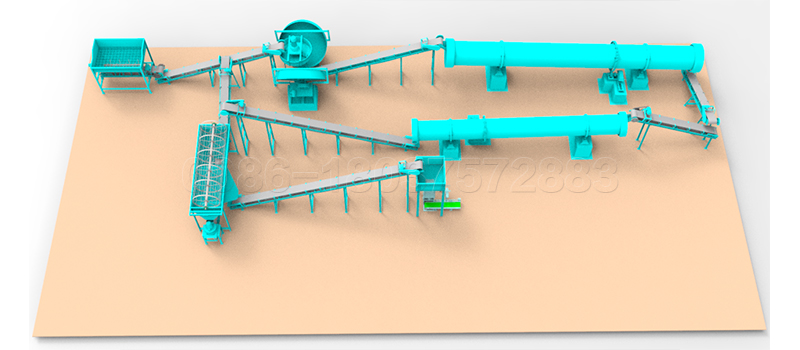
How to Dispose of Chicken Poop in a Friendly Environmently Way

Keeping backyard chickens is an increasingly popular and rewarding hobby. Not only do they provide fresh eggs, but they also offer a connection to nature and a sense of self-sufficiency. However, along with the joys of chicken ownership comes the responsibility of managing their waste in an environmentally friendly manner. Chicken poop, or manure, can be a valuable resource for your garden, but it must be handled properly to avoid negative environmental impacts.

Subtitle 2: Why Chicken Poop Is Valuable

Chicken manure is rich in essential nutrients, including nitrogen, phosphorus, and potassium, making it a valuable resource for gardeners. These nutrients enhance soil fertility and promote healthy plant growth. However, if not managed correctly, chicken poop can lead to water pollution, odors, and nutrient imbalances in the soil.

Subtitle 3: Composting Chicken Manure

Composting chicken manure is one of the most eco-friendly ways to manage it. Composting transforms the waste into a nutrient-rich, humus-like material that can be safely applied to your garden or used as a soil conditioner. Here’s how to compost chicken manure:

  1. Collect manure regularly: Place a collection bin beneath the roosting area to gather fresh droppings. This makes it easier to manage and speeds up decomposition.
  2. Combine with carbon-rich materials: Mix chicken manure with straw, leaves, or other carbon-rich materials to balance the carbon-to-nitrogen ratio. This helps prevent odors and creates a more balanced compost pile.
  3. Turn the pile: Regularly turning the compost pile aerates it, allowing beneficial microorganisms to break down the waste more efficiently.
  4. Allow for decomposition: Let the compost pile sit for several months to ensure that harmful pathogens are killed during the process.
  5. Use the finished compost: Once the compost is dark, crumbly, and odor-free, you can use it in your garden as a natural fertilizer or soil conditioner.

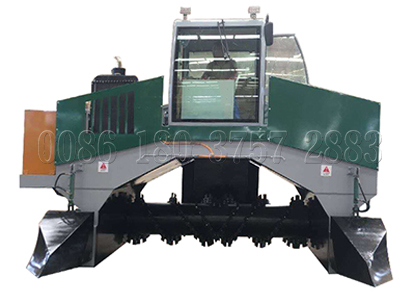
For this, if you want to have a more friendly environment to dispose of chicken waste, in-vessel compost turner is the best choice for you.

Subtitle 4: Avoiding Runoff and Pollution

Improperly managed chicken manure can contribute to water pollution. Rainwater can wash the nutrients from manure into nearby water bodies, causing problems like algal blooms. To prevent this:

  1. Keep chickens away from water bodies: Position your coop and run away from streams, ponds, or any other water sources to reduce the risk of runoff.
  2. Use a manure containment system: Implement a system to catch and manage the liquid runoff from your compost pile. This liquid, known as “compost tea,” can be diluted and used as a liquid fertilizer for your garden.
  3. Be mindful of application: When using composted chicken manure in your garden, follow recommended application rates to prevent nutrient imbalances in the soil. Excess nutrients can leach into groundwater or nearby water bodies.

Subtitle 5: Alternative Uses for Chicken Manure

In addition to composting, consider these alternative ways to utilize chicken manure in an eco-friendly manner:

  1. Vermicomposting: Use red worms to break down chicken manure. The resulting vermicompost is highly concentrated and rich in nutrients, making it an excellent addition to potting mixes or for top-dressing plants.
  2. Biochar incorporation: Mix chicken manure with biochar, a stable form of carbon, to create a slow-release fertilizer that improves soil structure and retains moisture.
  3. Fermentation: Fermenting chicken manure with beneficial microorganisms can reduce its odor and enhance nutrient availability.

Subtitle 6: Conclusion

Properly managing chicken poop in an environmentally friendly way is essential for maintaining a healthy garden, preventing pollution, and reducing your environmental footprint. By composting, avoiding runoff, and exploring alternative uses, you can turn chicken manure from a waste product into a valuable resource for your sustainable gardening endeavors. Responsible management of chicken waste not only benefits your garden but also contributes to a cleaner and healthier environment.
Tips For Cattle Manure Fertilizer Manufacturing

Manufacturing fertilizer from cattle manure involves several steps to ensure the production of high-quality, nutrient-rich fertilizer while minimizing environmental impacts. Here are some tips to consider for cattle manure fertilizer manufacturing:

1. Raw Material Collection and Preparation:

Collect fresh cattle manure and any additional organic materials required for the composting or fermentation process.

2. Nutrient Management:

According to local crop requirements, determine the nutrient content and composition of the cattle manure fertilizer. And develop suitable manure management systems for cattle. For example, consider mixing the manure with carbon-rich materials (such as straw, sawdust, or leaves) to achieve the optimal carbon-to-nitrogen ratio for composting.

3. Composting or Fermentation:

Composting or fermenting the cattle manure is crucial to break down organic matter, reduce pathogens, and enhance nutrient availability.
Turn the compost pile regularly to provide oxygen and ensure even decomposition. Monitor temperature and moisture levels.

4. Quality Control:

Regularly test the compost for temperature, moisture, and nutrient content to ensure proper decomposition and maturity.
Adjust the composting process if necessary to achieve optimal results.

5. Granulation or Pelletization:

If producing granulated cow dung fertilizer, consider using cow manure granulation equipment to form uniform fertilizer granules.
Ensure that the granules are of consistent size and composition. Click here to learn more

6. Drying and Cooling:

If required, dry the granulated fertilizer to reduce moisture content and prevent caking.
Allow the fertilizer to cool before packaging is a tip for faster cow manure fertilizer production..

7. Packaging and Storage:

Package the finished fertilizer in appropriate containers, such as bags or bulk storage.
Store the fertilizer in a dry, cool, and well-ventilated area to prevent deterioration.

8. Environmental Considerations:

Implement proper odor control measures to minimize nuisance odors.
Ensure that runoff and leachate from the manufacturing process are properly managed to prevent pollution.

9. Compliance with Regulations:

Familiarize yourself with local regulations regarding composting, fertilizer production, and waste management.
Ensure that your manufacturing process adheres to these regulations.

10. Worker Safety:

Provide appropriate personal protective equipment (PPE) for workers involved in the manufacturing process, especially during compost turning and equipment operation.

11. Record Keeping:

Maintain detailed records of the manufacturing process, including raw materials used, composting/fermentation parameters, testing results, and application rates.

12. Continuous Improvement:

Continuously monitor and evaluate your manufacturing process to identify areas for improvement and optimize efficiency and product quality.

By following these tips, you can effectively manufacture high-quality fertilizer from cattle manure, contributing to sustainable agriculture practices and soil enrichment. If you need cow manure fertilizer making, you can visit https://www.fertilizerbusinessplan.com/manure-management-systems-for-cattle/ for more information.

Tips For Processing Huge Quantities Of Cow Dung Wastes

Do you have a huge amount of cows inside your cow farm? Are you experiencing difficulity working with the huge quantity of cow dung waste produced daily? Do you need to understand how you need to process large volumes of cow dung wastes inside your cow farm? If the solution to these questions is yes, you might have come to the correct place.

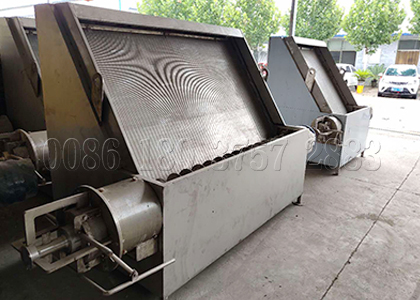
Dewatering machine for cow dung processing

While cow dung has become traditionally employed in many parts around the globe as being an organic fertilizer for many years, hardly any people are aware of the huge nutrients and vitamins of the organic cow dung fertilizer. Also, preparing organic fertilizer from cow dung at small scale is pretty easy as it doesn’t require an excessive amount of manual effort but doing the work with a huge scale is a whole different task. Thankfully, you will find mechanical solutions on the market today that allow you to turn huge amount of cow dung waste into organic fertilizer through the procedure of composting.

Cow Dung Compost Machine

Fresh cow dung is filled with viruses and parasites, and it needs to be properly fermented to be used being an organic fertilizer. In order to convert it into organic fertilizer at the large, you will have to purchase machines that have been created specifically to process cow dung or another biomass material into compost. Here is what you ought to find out about making organic fertilizer with cow dung waste.

Fresh cow dung is better for composting in comparison with old cow dung. Therefore, fresh cow dung has to be collected to start the composting process. It is important to ensure that the water content of fresh cow dung is approximately 60%. Higher or lower moisture content will change the composting process. Machines are available in the market which will help you with maintaining the proper moisture content. 60% moisture content is ideal for proliferation of aerobic bacteria which is responsible for fermentation of your cow dung.

Since you will have a large cattle farm and gain access to plenty of fresh cow dung waste, it is recommended to employ a leavening agent to get the fermentation process started. The fermentation process can occur without the leavening agent but adding the agent towards the material can help in kick starting the procedure and permit you to finish the composting process quicker. You don’t need too much of it as a around 250 g of leavening agent is typically enough to process around a lot of fresh cow dung waste. Go to https://fertilizerequipmentmanufacturer.com/cow-dung-fertilizer-machine/ choose your best cow manure processing machines.

Fertilizer Production Line for Cow Dung Disposal

You can find multiple approaches to compost the cow dung waste. If you utilize the windrows method, you will have to accumulate the raw material in rows using a width of about 1 to 2 m and a height close to 1.2 m. If you intend to use a fermentation tank, this product should be transferred into the tank to permit the composting process to begin. This whole process should take around 20 days. When the organic fertilizer is ready, you possess alternative methods to hold it. For instance, you could make fertilizer pellets with the aid of a granulating machine. You can also pack it in big bags.

Overall, one of the most profitable way to handle large amount of cow dung waste is to invest in a composting answer to convert cow dung waste into organic fertilizer that is in huge demand today. Following the aforementioned tips should help you in picking the right technique for handling cow dung waste.