Is Your Packaging Process Optimized for Cost-Effectiveness? Our Palletizer Can Help!

It is essential for maintaining cost-effectiveness by optimizing operations. One area that often goes overlooked is the packaging process. Efficient and streamlined packaging not only reduces costs but also enhances productivity and customer satisfaction. SX packing machines will bring many benefits in your fertilizer production process and can help you achieve optimal cost-effectiveness.

Packing Machine
Packing Machine


1. Increased Productivity and Efficiency

Traditional manual palletizing processes are time-consuming and labor-intensive. By introducing a palletizer into your packaging line, you can significantly increase productivity and efficiency. Palletizers automate the task of loading products onto pallets, offering consistent and precise stacking patterns. With the ability to handle heavy loads and high volumes, a palletizer streamlines operations, reduces cycle times, and minimizes the need for manual labor, leading to improved overall productivity.

Automatic Palletizer


2. Cost Reduction through Labor Savings

Labor costs can be a significant portion of a company’s expenses. By implementing our automatic palletizer, you can reduce labor requirements in the packaging process. It eliminates the need for employees to manually stack, wrap, and load pallets, freeing them up for other value-added tasks. This not only reduces workforce expenses but also minimizes the risk of injuries related to manual handling. Investing in this machine is a cost-effective long-term solution that optimizes labor utilization and helps your business achieve higher profitability.

Automatic Packing Line


3. Enhanced Product Protection

Efficient packaging not only impacts cost-effectiveness but also ensures that your products reach customers in optimal condition. Automatic palletizers contribute to the overall protection of goods during transit. With their precision and consistency, they create stable and secure loads, minimizing the risk of product damage. By properly stacking and securing items, you can reduce the occurrence of product loss due to breakage or improper handling, safeguarding your reputation and customer satisfaction.


5. Scalability and Adaptability

As your business grows, scalability becomes crucial. Palletizers offer the advantage of scalability and adaptability to changing production needs. Whether you are dealing with increased volumes or new product lines, an efficient palletizing system can handle diverse load sizes, shapes, and weights. This flexibility allows you to quickly adapt to market demands and streamline your operations without major disruptions or costly investments.


Conclusion

Optimizing your packaging process is an integral part of achieving cost-effectiveness in your operations. The implementation of a palletizer can significantly enhance productivity, reduce labor costs, improve safety, protect products, and provide scalability and adaptability. By investing in the right palletizing solution, you can streamline your packaging operations, increase overall efficiency, and gain a competitive advantage in the market. Visit this website: https://www.fertilizerproductequipment.com/fertilizer-bagging-machine/ for more details!
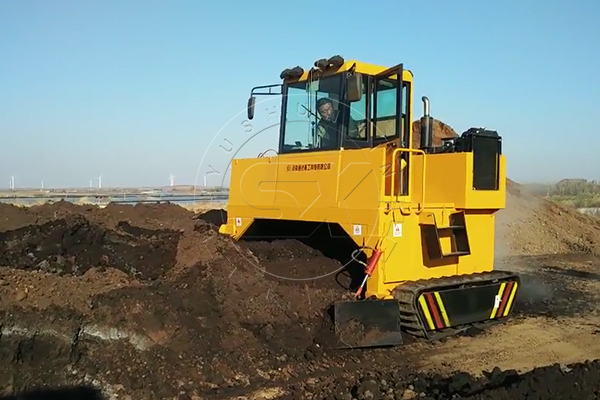
Какие материалы подходят для ферментационной обработки гусеничными ворошителями компоста?

Ферментационная обработка гусеничными ворошителями компоста – это процесс разложения органических материалов с использованием специальных микроорганизмов (ферментов) для ускорения процесса компостирования. Для этого процесса подходят разнообразные органические материалы. Вот некоторые из них:

1. Пищевые отходы: Остатки фруктов, овощей, кофейной гущи, чайного листа, яичные скорлупы и другие кухонные остатки.

2. Садовые отходы: Подстриженная трава, листья, ветки, цветы и другие растительные материалы из сада.

3. Солома и сено: Эти материалы могут быть использованы для добавления углерода в компост и улучшения его структуры.

4. Навоз: Компост можно обогатить навозом животных (например, коров, лошадей, свинья, кур) для добавления азота и других питательных веществ.

5. Древесные опилки и щепа: Древесные отходы также могут быть включены в компост, хотя их разложение может занять больше времени.

Ворошитель компоста гусеничный в движении

6. Остатки растений после уборки садов и огородов, а также некоторые ткани из растений, такие как конопля, лен или джут.

7. Цветы и растения, старые соломенные матрасы и подушки, шерсть, волосы, перья.

8. Бумага и картон: Подходящие для компостирования бумажные и картонные материалы, такие как газеты без красок и клея, коробки и карточки.

Убедитесь, что органические материалы, которые вы используете, не содержат вредных химических веществ, таких как пестициды, гербициды или загрязняющие вещества. Также следите за балансом между “зелеными” материалами (богатыми азотом) и “коричневыми” материалами (богатыми углеродом) в вашем компосте, чтобы обеспечить оптимальные условия для ферментации и разложения. Чтобы узнать больше о гусеничных ворошителях компоста, посетите:https://www.sxmashina.com/voroshitel-komposta-gusenichnyy/

What machine can make compound fertilizer granules

Compound fertilizer granules are essential agricultural products that provide a balanced mix of essential nutrients to plants. These granules are typically composed of a combination of nitrogen (N), phosphorous (P), and potassium (K) along with other secondary and micronutrients. The efficient production of these granules is crucial for modern agriculture. One of the key machines responsible for this production is a compound fertilizer granulation machine.

The Role of Compound Fertilizer Granulation Machine

Compound fertilizer granulation machines play a vital role in the agricultural sector by providing an efficient means to produce granules that contain the necessary nutrients for optimal plant growth. These machines are designed to take raw materials, which may include ammonium nitrate, ammonium sulfate, superphosphate, and other components, and convert them into uniform granules that can be easily applied to crops.

Types of Compound Fertilizer Granulation Machines

Several types of machines are used for the production of compound fertilizer granules, each with its own advantages and characteristics. How to choose a suitable NPK compound granulator? The most common types include:

  1. Rotary Drum Granulator Machine: This machine operates by rotating a large drum, which allows for the uniform mixing of the raw materials. The rolling motion in the drum helps in the formation of granules as the material adheres to itself due to moisture and chemical reactions.
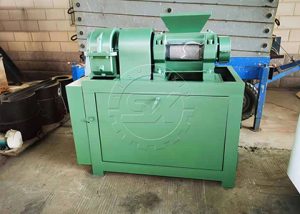
  2. Double Roller Press Granulator Machine: This machine uses two rollers to compact the materials into granules. The rollers exert pressure, causing the materials to stick together and form granules.
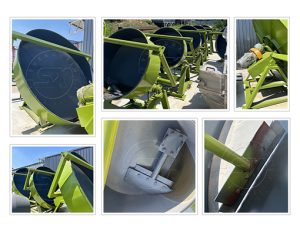
  3. Disc Granulator Machine: In this type of granulator, a rotating disc is used to agglomerate the raw materials. The angle of the disc and the speed of rotation influence the size and shape of the granules.
drum granulation machine for npk fertilizer granules
double roller granualtor for compound granular fertilizer
disc pelletizer for compound fertilizer production

Key Features of a Compound Fertilizer Granulation Machine

Compound fertilizer granulation machines are designed to have the following features:

  1. Customizability: They can be adjusted to create granules of different sizes and nutrient compositions to suit specific crop and soil requirements.
  2. Efficiency: These machines are engineered for high throughput and consistent granule production, helping to optimize the use of resources.
  3. Environmental Considerations: Many modern granulation machines are designed with environmental sustainability in mind. They often include features that reduce dust emissions, waste, and energy consumption.

The Granulation Process

The granulation process typically involves several stages, including raw material preparation, mixing, granulation, drying, cooling, and screening. Each stage is crucial in ensuring that the final granules meet the desired specifications and quality standards.

Conclusion

In modern agriculture, compound fertilizer granules are indispensable for providing crops with the necessary nutrients for healthy growth and high yields. The machines used for granule production, such as rotary drum granulators, double roller press granulators, disc granulators, play a pivotal role in this process. Their ability to efficiently and precisely produce granules of various sizes and compositions makes them indispensable tools for farmers and agricultural professionals seeking to optimize their nutrient management and crop performance. These machines, along with sustainable practices, are essential for feeding the world’s growing population while preserving the environment.

How To Dispose Of Pig Poop Into Fertilizer

Disposing of pig manure in an environmentally responsible way that turns it into fertilizer involves a process called composting. Properly composted pig manure can be a valuable source of organic matter and nutrients for your garden or crops. Here’s a step-by-step guide on how to dispose of pig poop into fertilizer:

Materials You’ll Need:

Pig manure
Straw, hay, or other carbon-rich materials (to balance the carbon-to-nitrogen ratio)
A compost dedicated area
compost machine
Water source
Temperature monitor

How to Use Pig Manure as Fertilizer

Pig manure fertilizer making Steps:

  • Collect Manure: Start by collecting the pig manure from your pig pens or housing area. This necessary for swine waste management . Make sure to remove any non-organic materials like rocks or plastic.
  • Gather Carbon Materials: To create a balanced compost pile, you’ll need to mix the pig manure with carbon-rich materials like straw, hay, dried leaves, or sawdust. The carbon materials provide the necessary balance of carbon to nitrogen for efficient composting.
  • Mixing: Mixing pig manure with cabon materials evenly for speeding up pig manure composting.
  • Moisten the Pile: Water is essential for composting. Make sure the compost pile is consistently moist, similar to a wrung-out sponge. This is essential for making quality organic fertilizer from piggery manure.
  • Aerate and Turn: Regularly turn or aerate the compost pile. This introduces oxygen, which is crucial for the decomposition process. If you have an aeration tool, use it to poke holes in the pile to promote airflow. Turning the pile with a shovel or pitchfork also accomplishes this.But for commercial pig manure fertilizer making, professional fertilizer compost turner is the best.

  • Maintain Temperature: The compost pile will heat up as it decomposes. This heat is a sign that the microbial activity is breaking down the organic matter. The pile’s internal temperature should ideally reach between 130°F to 160°F (54°C to 71°C). This temperature range helps kill pathogens and weed seeds.
  • Monitor and Adjust: Regularly monitor the compost pile’s moisture level, temperature, and odor. Adjust the carbon-to-nitrogen ratio if needed by adding more carbon-rich materials or manure.
  • Maturation: Composting can take several months to a year, depending on various factors, including temperature, pile size, and management. The compost is ready when it has turned into dark, crumbly, earthy-smelling material. It should no longer resemble fresh manure.
  • Use as Fertilizer: Once the compost has matured, you can use it as a valuable organic fertilizer in your garden or on your crops. Spread it over the soil’s surface and incorporate it into the top few inches of the soil. If you want to make better organic fertilizer with pig poop, you can further process compost into powdery or granular organic fertilizer. Go here for more details.

Properly composted pig manure adds organic matter, nutrients, and beneficial microorganisms to the soil, improving soil structure and fertility. It also helps reduce the risk of environmental pollution associated with improperly managed manure. Always follow local regulations and guidelines for manure management to ensure environmental protection and compliance with any legal requirements. If you want to make pig poop into fertilizer, you can visit https://www.fertilizerbusinessplan.com/pig-farm-waste-management/ for more.

How to Dispose of Chicken Poop in a Friendly Environmently Way

Keeping backyard chickens is an increasingly popular and rewarding hobby. Not only do they provide fresh eggs, but they also offer a connection to nature and a sense of self-sufficiency. However, along with the joys of chicken ownership comes the responsibility of managing their waste in an environmentally friendly manner. Chicken poop, or manure, can be a valuable resource for your garden, but it must be handled properly to avoid negative environmental impacts.

Subtitle 2: Why Chicken Poop Is Valuable

Chicken manure is rich in essential nutrients, including nitrogen, phosphorus, and potassium, making it a valuable resource for gardeners. These nutrients enhance soil fertility and promote healthy plant growth. However, if not managed correctly, chicken poop can lead to water pollution, odors, and nutrient imbalances in the soil.

Subtitle 3: Composting Chicken Manure

Composting chicken manure is one of the most eco-friendly ways to manage it. Composting transforms the waste into a nutrient-rich, humus-like material that can be safely applied to your garden or used as a soil conditioner. Here’s how to compost chicken manure:

  1. Collect manure regularly: Place a collection bin beneath the roosting area to gather fresh droppings. This makes it easier to manage and speeds up decomposition.
  2. Combine with carbon-rich materials: Mix chicken manure with straw, leaves, or other carbon-rich materials to balance the carbon-to-nitrogen ratio. This helps prevent odors and creates a more balanced compost pile.
  3. Turn the pile: Regularly turning the compost pile aerates it, allowing beneficial microorganisms to break down the waste more efficiently.
  4. Allow for decomposition: Let the compost pile sit for several months to ensure that harmful pathogens are killed during the process.
  5. Use the finished compost: Once the compost is dark, crumbly, and odor-free, you can use it in your garden as a natural fertilizer or soil conditioner.

For this, if you want to have a more friendly environment to dispose of chicken waste, in-vessel compost turner is the best choice for you.

Subtitle 4: Avoiding Runoff and Pollution

Improperly managed chicken manure can contribute to water pollution. Rainwater can wash the nutrients from manure into nearby water bodies, causing problems like algal blooms. To prevent this:

  1. Keep chickens away from water bodies: Position your coop and run away from streams, ponds, or any other water sources to reduce the risk of runoff.
  2. Use a manure containment system: Implement a system to catch and manage the liquid runoff from your compost pile. This liquid, known as “compost tea,” can be diluted and used as a liquid fertilizer for your garden.
  3. Be mindful of application: When using composted chicken manure in your garden, follow recommended application rates to prevent nutrient imbalances in the soil. Excess nutrients can leach into groundwater or nearby water bodies.

Subtitle 5: Alternative Uses for Chicken Manure

In addition to composting, consider these alternative ways to utilize chicken manure in an eco-friendly manner:

  1. Vermicomposting: Use red worms to break down chicken manure. The resulting vermicompost is highly concentrated and rich in nutrients, making it an excellent addition to potting mixes or for top-dressing plants.
  2. Biochar incorporation: Mix chicken manure with biochar, a stable form of carbon, to create a slow-release fertilizer that improves soil structure and retains moisture.
  3. Fermentation: Fermenting chicken manure with beneficial microorganisms can reduce its odor and enhance nutrient availability.

Subtitle 6: Conclusion

Properly managing chicken poop in an environmentally friendly way is essential for maintaining a healthy garden, preventing pollution, and reducing your environmental footprint. By composting, avoiding runoff, and exploring alternative uses, you can turn chicken manure from a waste product into a valuable resource for your sustainable gardening endeavors. Responsible management of chicken waste not only benefits your garden but also contributes to a cleaner and healthier environment.