The Price of Small Fertilizer Production Lines

The Price of a Small-Scale Fertilizer Production Line

A small-scale fertilizer production line offers a cost-effective solution for farmers and agricultural enthusiasts looking to produce their fertilizers. Understanding the price factors associated with such a system is crucial for making informed decisions.

The price of a small-scale fertilizer production line varies depending on several key factors. Firstly, the capacity and output of the production line play a significant role in determining the cost. Higher-capacity systems with larger output capabilities tend to be more expensive due to the increased materials and components necessary for their construction.

Another important factor influencing the price is the level of automation. Fully automated production lines, equipped with state-of-the-art technology and control systems, tend to be more expensive. However, they offer numerous advantages, such as improved productivity, reduced labor costs, and enhanced safety measures.

Additionally, the choice of materials used in the construction of the production line also impacts the price. High-quality components, such as stainless steel or corrosion-resistant alloys, may increase the overall cost but ensure longevity and reliability in the long run. Conversely, opting for lower-cost materials may have a lower initial price but may result in increased maintenance and replacement expenses over time.

small scale fertilizer production line

The Cost of a Powder Fertilizer Production Line

Powder fertilizers are a popular choice for many farmers due to their ease of application and immediate effectiveness. The cost of a powder fertilizer production line encompasses several key elements that contribute to the overall price.

The main component affecting the cost of a powder fertilizer production line is the milling equipment. The type and quality of the milling machinery play a crucial role in determining the price. More advanced milling systems, capable of achieving finely-ground powders, tend to cost more but result in higher-quality fertilizers.

In addition to milling equipment, other considerations include blending systems, fertilizer packing line, and storage facilities. Depending on the desired production capacity and level of automation, these factors can significantly impact the final cost of the powder fertilizer production line.

The Cost of a Granular Fertilizer Production Line

Granular fertilizers offer the advantage of slow-release nutrients and improved soil penetration. The cost of a granular fertilizer production line is influenced by several factors specific to this type of production.

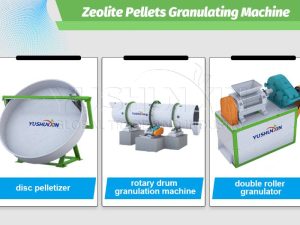
The key component that affects the cost of a granular fertilizer production line is the granulation system. The method employed for granulation, such as rotary drum granulation or pan granulation, plays a significant role in determining the price. More advanced and efficient techniques often come with a higher price tag.

Furthermore, drying and cooling systems, sieving and grading machinery, and packaging equipment all add to the overall cost of a granular fertilizer production line. These components contribute to the efficiency and quality control of the production process, ensuring uniform particle size and optimal product presentation.

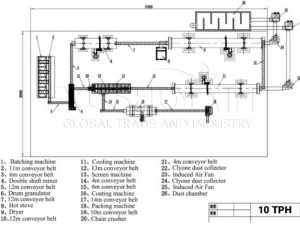
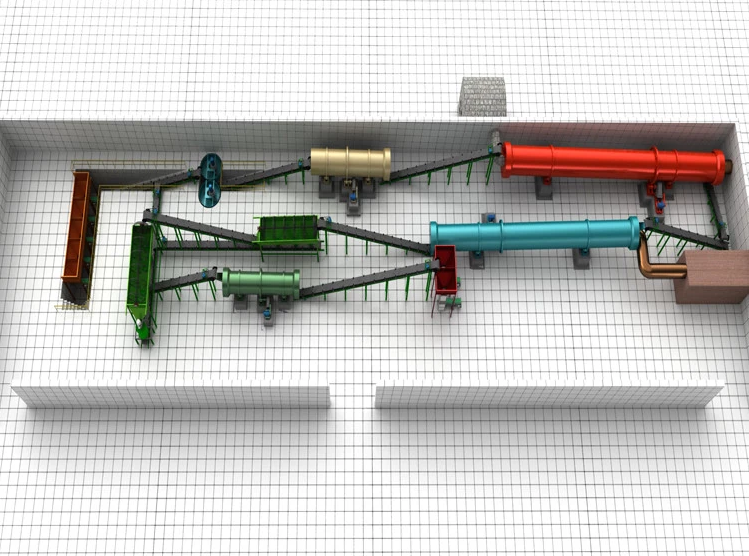
small scale granular fertilizer production line

Conclusion

Investing in a small fertilizer production line requires thorough consideration of various aspects, including the price of the equipment. Understanding the factors that influence the cost of small-scale fertilizer production lines, as well as the specific costs associated with powder and granular production, is essential for making informed decisions. By evaluating capacity, level of automation, materials used, and specific production requirements, farmers and agricultural enthusiasts can select a system that suits their needs and budget. Click here to contact us. 

NPK fertilizer production line


Introduction to NPK Fertilizer Production

NPK fertilizer is a blend of nitrogen (N), phosphorus (P), and potassium (K) that is essential for plant growth. The production of NPK fertilizer is a complex process that involves several steps to ensure that the final product is of high quality and suitable for enhancing soil fertility.

The Raw Material Preparation

The first step in the NPK fertilizer production line is preparing the raw materials. This involves procuring the necessary nitrogen, phosphorus, and potassium sources. Often, these materials come in various forms like ammonia for nitrogen, rock phosphate for phosphorus, and potash for potassium. These materials are carefully measured and mixed in specified proportions to achieve the desired N-P-K ratio for the intended fertilizer formulation.

Granulation Process

Once the raw materials are blended, the mixture is moved to the granulation process. Granulation is crucial as it converts the fine powdered materials into larger, easy-to-handle and -apply granules. There are several granulation methods, such as drum granulation machinery, disc granulation, or extrusion granulator machine, each with its advantages and suitability for different kinds of raw materials.

Drying and Cooling Systems

After granulation, the next step is the drying process. The granules are passed through a dryer to reduce their moisture content, thus ensuring their stability and preventing caking. Post drying, the granules are often cooled to room temperature using a cooler. Cooling is necessary to help the granules retain their shape and increase their shelf life.

Quality Control and Enhancement

Quality control is paramount in NPK fertilizer production. The granules are sieved to separate the correctly sized particles from the oversized or undersized ones. The latter may be crushed and recycled back to the granulation process. Coating agents might be applied to the granules to prevent dust, reduce caking, and enhance their appearance.

Packaging and Storage

The final step in the production line is packaging the NPK fertilizer into bags or bulk containers for transportation and sale. Proper storage is vital to maintain the quality of the fertilizer. The product should be kept in a cool, dry place away from direct sunlight and moisture.

Innovation and Environmental Considerations

Modern NPK fertilizer production lines are increasingly incorporating technological innovations for process optimization and to reduce environmental impact. This includes the use of advanced control systems for precise raw material input and waste reduction strategies to minimize the production line’s ecological footprint.

Conclusion

The production of NPK fertilizers is a critical component of modern agriculture, providing the necessary nutrients for crop growth and soil health. A well-designed NPK fertilizer production line ensures the efficient transformation of raw materials into high-quality fertilizers that meet the specific needs of plants and farmers alike. If you want to produce other compound fertilizer, we can also provide you with different solitions.


How to Make Organic Fertilizer in New Type Organic Fertilizer Granulator?

Organic fertilizer is gaining popularity among gardeners and farmers due to its environmentally friendly nature and ability to enhance soil fertility. One effective method of producing organic fertilizer is by using a New Type Organic Fertilizer Granulator. This innovative equipment not only helps in converting organic materials into high-quality fertilizer granules but also ensures a sustainable and eco-conscious approach to farming. In this guide, we will take you through the step-by-step process of making organic fertilizer using a New Type Organic Fertilizer Granulator, complete with detailed instructions and important tips.

new type granulator for making organic pellets

Step 1: Gather Your Ingredients

Before you begin the process of making organic fertilizer, it’s crucial to gather all the necessary ingredients. Organic materials such as kitchen scraps, yard waste, livestock manure, and crop residues are excellent choices. These materials contain essential nutrients that, when processed, will enrich the soil and promote plant growth.

Step 2: Pre-Treatment of Organic Materials

To ensure that the organic materials are in the optimal condition for granulation, pre-treatment is necessary. This may involve shredding or crushing larger materials, such as branches or crop residues, into smaller pieces. Smaller particles are easier to granulate and result in more uniform fertilizer pellets.

Step 3: Mixing and Fermentation

Proper mixing and fermentation of organic materials are crucial for creating high-quality organic fertilizer. Mix the various materials in appropriate ratios to achieve a balanced nutrient content. This mixture should then be left to undergo a controlled fermentation process. Fermentation not only breaks down complex organic compounds but also helps eliminate harmful pathogens, ensuring the safety of the final fertilizer product.

Step 4: Drying the Fermented Mixture

After fermentation, the mixture may contain excess moisture. Drying the fermented material is essential to achieve the right consistency for granulation. Spread the fermented mixture in a thin layer and allow it to dry naturally under the sun. Alternatively, a mechanical dryer can be used to speed up the drying process.

Step 5: Granulation Process

The highlight of this guide is the use of the New Type Organic Fertilizer Granulator for creating fertilizer granules. This advanced equipment utilizes high-speed rotary mechanical stirring force, combining the dried organic materials with a binder. As the materials are mixed and stirred, they form into small granules.

Step 6: Curing the Granules

Once the granulation process is complete, the newly formed fertilizer granules need to be cured. Curing involves allowing the granules to rest and stabilize, ensuring that they maintain their shape and nutrient content. This step usually takes place in a controlled environment with proper ventilation to prevent moisture buildup.

Step 7: Screening and Packaging

After curing, the fertilizer granules should be screened to separate any oversized or undersized particles. The screened granules are then ready for packaging. Use environmentally friendly packaging materials to maintain the organic and sustainable theme of the fertilizer. Clearly label the packages with the nutrient content and usage instructions.

Step 8: Application of Organic Fertilizer

The final organic fertilizer product can now be applied to your garden or farm. Follow the recommended application rates based on the specific needs of your plants. Organic fertilizer improves soil structure, enhances nutrient retention, and promotes microbial activity, leading to healthier plants and increased yields.

Conclusion

Making organic fertilizer using a New Type Organic Fertilizer Granulator is a rewarding and eco-conscious way to enhance soil fertility and plant growth. By following these step-by-step instructions, you can produce high-quality organic fertilizer that nourishes your crops while minimizing environmental impact. Remember, organic fertilizers not only benefit your garden but also contribute to the overall health of our planet. If you want to make organic fertilizer in this machine, you can but a new type stirring granulator production line in your factory.

Equipo de granulación de abono orgánico de estiércol de cerdo

El uso de abonos orgánicos en la agricultura tiene múltiples beneficios para el suelo y las plantas, y el estiércol de cerdo es una excelente opción como fertilizante. Para producir abono orgánico a partir de estiércol de cerdo, se requiere un proceso de fermentación aeróbica que convierta los materiales orgánicos en humus estable. A continuación, te explicaremos cómo realizar este proceso y qué equipos necesitas seleccionar.

Deshidratación del estiércol: Antes de la fermentación, es necesario reducir el contenido de humedad del estiércol de cerdo. Nuestro equipo separador sólido-líquido de pantalla puede deshidratar el estiércol eficientemente, cumpliendo con los requisitos de humedad adecuada para el compostaje. Su capacidad de procesamiento alcanza hasta 30-40 toneladas por hora, lo que asegura el manejo de grandes volúmenes de estiércol.

equipo separador sólido-líquido de pantalla

Fermentación aeróbica: La remoción periódica y el volteo regular de los materiales durante la fermentación son fundamentales. Al voltear los materiales, se mejora la ventilación y se incrementa el suministro de oxígeno, lo cual estimula el crecimiento y la actividad de los microorganismos beneficiosos. Para esta tarea, recomendamos el uso de una volteadora de cadena. Este equipo facilita el volteo en profundidad de los residuos orgánicos sólidos, mejorando así la calidad y estabilidad del fertilizante orgánico.

Trituración de materias primas: Antes de la granulación, es necesario triturar los materiales para obtener un tamaño adecuado. Nuestra trituradora vertical es perfecta para esta tarea, ya que tiene una alta eficiencia de trituración y puede manejar materiales con alta humedad sin obstrucciones.

trituradora vertical para estiercol de cerdo

Granulación: Para producir abonos orgánicos comerciales en forma de gránulos, se utiliza la técnica de granulación. La máquina de disco de granulación es ideal para este proceso, ya que permite la formación rápida de partículas de fertilizante a través de la fuerza centrífuga y la gravedad. Ajustando el ángulo del disco y la humedad de los materiales, podrás obtener gránulos con un diámetro de 1-8 mm.

granulacion de disco para estiercol de cerdo

Secado, enfriamiento y tamizado: Posteriormente a la granulación, es necesario secar y enfriar los gránulos. Nuestras máquinas de tambor rotatorio son ideales para estas tareas, ya que tienen una gran capacidad de secado y enfriamiento, consumo de energía reducido y fácil operación. Además, puedes utilizar nuestro tamizador para obtener gránulos uniformes y consistentes.

Secadora de Tambor Rotativo y Enfriador de Tambor Rotativo

Empaquetado automático: Por último, utilizando nuestra máquina de empaque automática, podrás empacar los gránulos de forma rápida y eficiente, listos para su venta o transporte.

En resumen, contar con una línea de producción de abonos orgánicos de estiércol de cerdo te permitirá producir fertilizantes de alta calidad de manera eficiente. Desde la deshidratación inicial hasta el empaquetado final, los equipos especializados te ayudarán a optimizar el proceso y obtener productos consistentes. Si deseas más información o asistencia en la configuración de tu línea de producción de abonos orgánicos de estiércol de cerdo, no dudes en contactarnos. ¡Estaremos encantados de ayudarte!

how to compost pig manure

Composting pig manure is an effective way to transform a waste product into a valuable resource. Pig manure is high in nitrogen, phosphorus, and potassium, making it an excellent source of nutrients for plants. However, it can also be a source of pollution if not managed properly. In this article, we will discuss the steps for composting pig manure to create a nutrient-rich soil amendment for your garden.

Aniaml Manure for Organic Fertilizer Production

Step 1: Collecting Pig Manure

The first step in composting pig manure is to collect it. Pig manure can be collected using a shovel or a manure scraper. It is important to collect only the manure and not the bedding material, as the bedding material will slow down the composting process. Pig manure can be collected in a pile or a bin. If collecting in a pile, it is recommended to turn the pile regularly to ensure proper aeration and decomposition.

Step 2: Preparing the Composting Site

The composting site should be located in a well-drained area and away from water sources, such as streams or ponds. The site should be sunny, as the heat from the sun will help to accelerate the composting process. The composting site should be level and have good air circulation. The site should be prepared by removing any grass or vegetation, and a layer of gravel or wood chips should be added to the bottom to aid in drainage.

Step 3: Building the Compost Pile

The compost pile should be built in layers, starting with a layer of dry, carbon-rich material such as straw or leaves. This layer should be about 6 inches thick. Next, add a layer of pig manure, about 2 to 3 inches thick. Repeat this layering process until the pile is about 3 to 4 feet tall. The top of the pile should be covered with a layer of straw or leaves to help retain moisture.

Step 4: Maintaining the Compost Pile

The compost pile should be kept moist but not wet. If the pile is too wet, it may become anaerobic, which will slow down the composting process and create an unpleasant odor. The pile should be turned regularly to ensure proper aeration and decomposition. The pile should be turned every 3 to 5 days, or when the internal temperature of the pile drops below 100°F. The internal temperature of the pile can be measured using a compost thermometer.

Step 5: Harvesting the Compost

The compost pile will be ready to harvest when it has decomposed into a dark, crumbly, soil-like material. This process can take anywhere from 6 to 12 months, depending on the size of the pile and the environmental conditions. To harvest the compost, the pile should be turned onto a tarp or into a wheelbarrow. Any large pieces of material should be removed, and the compost should be screened to remove any remaining debris.

Windrow Compost Turner

In conclusion, composting pig manure is an effective way to transform a waste product into a valuable resource. By following these simple steps, you can create a nutrient-rich soil amendment for your garden while reducing waste and preventing pollution. Remember to always wear gloves and wash your hands thoroughly after handling pig manure. Happy composting!

Of course, you can check this page for more details about the design and structure of the pig manure machine!

How to Compost Pig Manure

How to Choose a Suitable NPK Fertilizer Production Line?

NPK fertilizer, which contains three essential elements nitrogen, phosphorus, and potassium, is widely used in agriculture to increase crop yields and improve soil fertility. Different nutrients have different effects.However, producing NPK fertilizer is not a simple task, and it requires a reliable and efficient production line to ensure the quality of the final product. In this passage, we will discuss how to choose a suitable NPK fertilizer production line.

Consider Your Production Capacity

Before choosing an NPK fertilizer production line, you need to determine your production capacity. The production capacity of the production line should match your expected production volume. If you have a small farm, you may need a small production line, while a large farm requires a larger production line. It’s essential to choose a production line that can meet your production needs and avoid unnecessary expenses.

Evaluate Your Budget

Another crucial factor to consider is your budget. An NPK fertilizer production line is a significant investment, and you need to ensure that you have enough funds to cover the cost of the production line. However, you don’t want to overspend on a production line that is too large for your needs. Determine your budget and look for a production line that fits within your financial constraints.

Choose a Reliable Manufacturer——SX

When choosing an NPK fertilizer production line, you need to select a reliable manufacturer. A reputable manufacturer will provide you with high-quality equipment that meets your production needs. SX has a good reputation and a track record of producing quality equipment. You can check online reviews and ask for referrals from other making fertilizer people to find a reliable manufacturer.

Consider the Production Process

The production process is another critical factor to consider when choosing an NPK fertilizer production line. The production process should be efficient and environmentally friendly. Look for a production line that uses advanced technology to minimize waste and reduce energy consumption. A good production line should also have a high level of automation to increase production efficiency and reduce labor costs.

Select the Right Equipment

An NPK fertilizer production line consists of several pieces of equipment, including a batching system, a mixer, a granulator, a dryer, a cooler, a screening machine, and a manure packaging machine. You need to choose the right equipment based on your production needs and the characteristics of your raw materials. The equipment should be easy to operate, maintain, and repair.

Consider After-Sales Services

Finally, you need to consider the after-sales services provided by the manufacturer. A good manufacturer should provide you with technical support, equipment maintenance, and repair services. Look for a manufacturer that has a reliable customer service team that can respond to your needs promptly.

In conclusion, choosing a suitable NPK fertilizer production line requires careful consideration of several factors, including your production capacity, budget, manufacturer reputation, production process, equipment selection, and after-sales services. By following these guidelines, you can choose a production line that meets your needs and ensures the quality of your final product. For details you can visit https://www.fertilizerproductionproject.com/npk-fertilizer-production-line/.

How to use organic fertilizer fermentation tank to compost in your production line

Organic fertilizer fermentation tanks are useful tools for composting organic materials into nutrient-rich fertilizers. Here are the basic steps for using an organic fertilizer fermentation tank in your production line.


Choose your materials

The first step in using an organic fertilizer fermentation tank is to choose the materials you will compost. This can include kitchen scraps, yard waste, and other organic materials. It’s important to ensure that your materials are free of contaminants and that you have a good balance of carbon-rich and nitrogen-rich materials.


Load the tank

Once you have your materials, load them into the fermentation tank. It’s important to fill the tank to the recommended level, as overfilling can prevent proper airflow and hinder the composting process in your fertilizer production line.

Add a starter

To help jumpstart the composting process, add a starter to the tank. This can include composted material by windrow compost turner in SX, animal manure, or a commercial compost starter.


Monitor the temperature

Composting generates heat, and it’s important to monitor the temperature inside the fermentation tank to ensure that it stays within the ideal range. This can typically range between 120-160°F (49-71°C), depending on the materials being composted.


Mix the materials

Periodically mixing the manure materials in the fermentation tank can help promote even decomposition and prevent the formation of hotspots that can slow down the composting process.


Wait for the compost to mature

Depending on the materials being composted and other factors such as temperature and humidity, the compost can take anywhere from several weeks to several months to mature. Once the compost is fully decomposed and has a dark, crumbly texture, it’s ready to use. Click to read more.


Remove the compost

When the compost is ready, it can be removed from the fermentation tank and used as a nutrient-rich fertilizer for your plants.

Overall, using an organic fertilizer fermentation tank can be a highly effective way to turn organic materials into valuable fertilizer. By following these basic steps, you can optimize the composting process and produce high-quality compost for your production line. Therefore, you can visit https://www.fertilizerproductionproject.com/organic-fertilizer-fermentation-tank/ for your reference.

Finding The Optimum Organic Waste Fertilizer Machine Manufacturer

If you’re seeking to get a high-quality organic waste fertilizer machine, it’s wise to pay close attention to the maker that made that machine. Your primary goal must be to look for a dependable manufacturer that produces the sort of equipment you need. How can you get the best brands? Keep these tips in mind if you’re looking to determine who you should purchase from.

Do Your Research

One can learn quite a lot about the manufacturers that produce this type of equipment in the event you research these firms independently. Take time to identify a number of the manufacturers that supply sx machinery you’re enthusiastic about. From there, you’ll want to learn more about these brands.

Pan Granulation Fertilizer Production Line from SX

You can get a great deal of information regarding a manufacturer by just visiting the company’s website. In case you are investigating a brand, one of the things you’ll desire to pay especially close focus on is how long the corporation continues to be operating. Ideally, you’ll want to use a firm which has been producing equipment like this for years or even more.

Speak To Your Colleagues

If you have colleagues which may have dedicated to equipment such as this recently, you’ll wish to consult with them to see once they can present you with any kind of advice. When they have had positive experiences by using a brand, they can suggest that you look more closely at this brand down the road.

Fertilizer Granules made by the granulation plant

Have an open conversation with colleagues as to what you would like. If anyone has valuable specifics of these brands, they’ll be capable of pass it along to you personally, which will enable you to make a knowledgeable purchasing decision in organic fertilizer production line selection.

Find Out If The Company Delivers A Guarantee

Some manufacturers offer some form of protection or guarantee on the products which they sell. If you’re capable of buy from a manufacturer that offers a warranty like that, (sx is the one you can rely on) you should take advantage of the opportunity.

Having addition protection can give you assurance. It’s a way to guarantee that you’re protected even though something goes wrong with the equipment that you’re buying. Learn more about the protection a manufacturer is willing to offer you prior to deciding if you’re comfortable buying from their website.

Glance At The Brands Carried By Trusted Vendors

You’ll want to make sure that the producer that produced the fertilizer machine you’re buying lives approximately your standards of quality. In addition to that, you’ll want to make sure you’re purchasing that machine from your vendor that you’ll be able to be determined by.

Check out trustworthy vendors having an excellent reputation. See what types of brands these vendors are carrying. If you notice how the top vendors are typical carrying a specific brand, that manufacturer is a that you’ll wish to take a closer inspection at.

Finding the optimum organic waste fertilizer machine manufacturer is definitely worth any additional effort. If you’re able to buy reliable machinery, you’ll have fewer problems later on. Be sure you have zero regrets concerning this purchase. More details on fertilizer machine selection, welcome go to https://fertilizerproductionlines.com/