How to Minimize Operational Costs in Fertilizer Manufacturing?

In the competitive world of fertilizer production, reducing operational costs without compromising product quality poses a significant challenge. Effective cost-cutting strategies in fertilizer manufacturing encompass selecting appropriate raw materials and utilizing advanced machinery. This article delves into these aspects, with a focus on granule production, to help you streamline operations and minimize expenses.

What Raw Materials Are Suitable for Organic or Compound Fertilizer Production?

Selecting the right raw materials forms the foundation of cost-effective fertilizer manufacturing. For organic fertilizer production, raw materials such as animal manure, crop residues, and kitchen waste offer excellent nutrient profiles. These organic resources not only reduce the overall fertilizer plant cost but also promote sustainable agricultural practices.

On the other hand, compound fertilizers require a mixture of chemical substances. Common raw materials include urea, ammonium sulfate, and potassium chloride. Blending these materials precisely can lead to high-quality granules while keeping the npk fertilizer plant cost under control. The choice of raw materials directly affects the cost of the fertilizer manufacturing plant, making it crucial to opt for affordable yet effective substances.

How Can Machinery Features Reduce Fertilizer Plant Setup Cost?

Investing in advanced machinery can significantly lower operational costs in a fertilizer production plant. Composters, pelletizers, and other specialized equipment optimize the granulation process, ensuring consistent particle size and high production efficiency. Automated machinery reduces labor costs and increases production rates, contributing to a lower fertilizer plant setup cost.

Modern granulators come equipped with features like adjustable granule size settings and energy-efficient motors. These attributes not only enhance the quality of the final product but also reduce the overall organic fertilizer production plant cost. Additionally, using durable and reliable machines minimizes maintenance expenses, further lowering the fertilizer factory cost.

How to Streamline Granulation Procedures to Reduce Costs?

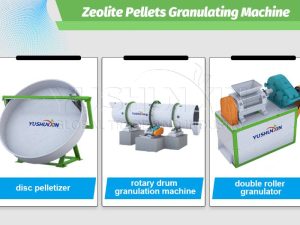
Streamlining the granulation procedures can significantly impact the overall cost of a fertilizer manufacturing plant. Efficient procedures ensure minimal waste and optimal use of raw materials, reducing the organic fertilizer plant cost. Advanced granulating techniques, such as rotary drum granulation and extrusion granulation, offer high efficiency and consistency in granule size and shape.

The use of high-precision pellet making equipment ensures uniform particle size, which is crucial for both organic and compound fertilizers. This uniformity enhances product quality, leading to better market acceptance and reduced production costs. Incorporating automated systems for pelletizing can also decrease labor expenses, contributing to a lower npk fertilizer plant cost.

By integrating these strategies, manufacturers can significantly reduce the fertilizer plant setup cost while maintaining high-quality standards. A professional fertilizer equipment manufacturer, such as Yushunxin, offers advanced machinery designed to optimize production processes and minimize operational expenses.

Conclusion

Minimizing operational costs in fertilizer manufacturing requires a strategic approach encompassing the selection of suitable raw materials, investment in advanced machinery, and streamlining of granulation procedures. Organic and compound fertilizers benefit from specific raw materials and modern granulating equipment, which collectively contribute to reducing the fertilizer plant cost. By focusing on these aspects, manufacturers can achieve cost-effective and efficient production, ensuring their place in the competitive market.

Investing in high-quality machinery from a reputable manufacturer like Yushunxin can further enhance cost savings and production efficiency. These strategies, when implemented effectively, can lead to a significant reduction in the overall fertilizer manufacturing plant cost, paving the way for sustainable and profitable operations. You can visit: https://www.fertilizerproductequipment.com/fertilizer-manufacturing-plant-cost/

What’s the Initial Investment Required for Setting Up a Fertilizer Production Plant?

Investing in an organic fertilizer plant can cultivates sustainability, meets market demands, and grows profits. However, for prospective investors and entrepreneurs considering entry into this fertilizer industry, the burning question remains: How much does it cost to start a fertilizer production plant cost?

Fertilizer Plant Setup


1. Cost of Infrastructure and Plant Setup

The first major expense when setting up a fertilizer production plant is acquiring suitable land and constructing the required infrastructure. The plant layout, facilities, and processing units are essential considerations. Costs associated with land rents, building construction, and installation of necessary equipment can vary significantly depending on the plant’s size and capacity.

Small-scale fertilizer factory construction may require a lower upfront cost, focusing primarily on essential machinery and storage units. On the contrary, larger plants may demand more substantial investments to accommodate the increased production capacity.

Fertilizer Production Workshop Construction

2. Cost of Fertilizer Manufacturing Equipment

Investing in quality manufacturing equipment and machinery is crucial for efficient production. To find a famous fertilizer equipment manufacturer, such as and fertilizer granulators, SX drying machines and packaging machinery, each equipment contributes to the overall efficiency of the production process. The choice of equipment will depend on the type of fertilizer, production capacity, and level of automation. Shunxin provides a lot of manufacturing plans according to customers’ needs, 1-2 t/h, 5-8 t/h, 10 t/h, or 20t/h.

Budgeting for the purchase of equipment is necessary for accurate cost estimation. Investing in modern, state-of-the-art equipment might initially require a higher capital outlay but often proves to be a wise decision in the long run. Enhanced precision, reduced energy consumption, and increased production rates are among the benefits that can outweigh the initial costs.

Fertilizer Production Machinery

3. Cost of Raw Materials

Understanding the raw materials needed for fertilizer production is integral to estimating the initial investment accurately. Organic fertilizers typically rely on biomass, animal manure, and other organic matter, while inorganic fertilizers may require chemicals like ammonia, phosphoric acid, and potash. The costs associated with sourcing these raw materials, along with transportation and storage, significantly affect to the initial investment. Additionally, transportation costs may arise if the selected raw materials are not readily available near the production facility.

Click here for more details!

Organic Fertilizer Raw Materials

4. Labor and Training

Skilled and trained labor is essential for the successful operation of a fertilizer production plant. The cost of hiring experienced personnel, including technicians, operators, and administrative staff, should be considered. Moreover, investing in employee training programs and hiring experienced professionals may contribute to the initial investment but pays dividends in terms of operational efficiency and product quality.

Click here for more details!

5. Regulatory Compliance and Licensing

Complying with regulatory requirements and obtaining permits is a crucial part of establishing a fertilizer manufacturing plant. Obtaining the necessary licenses, permits, and adhering to environmental regulations incur additional costs. However, compliance is not just a legal requirement; it’s an investment in the sustainability and reputation of the business.

Conclusion

Building a fertilizer plant requires a comprehensive understanding of the initial investment required, including infrastructure, raw materials, manufacturing equipment, labor, and compliance. While the upfront costs may seem substantial, it’s essential to view them as strategic investments in the long-term success and sustainability of the venture. Conducting a thorough cost analysis and seeking professional guidance from fertilizer equipment manufacturer can help entrepreneurs and investors make informed decisions and embark on a successful journey in the fertilizer production industry. Click here for more information: https://www.fertilizerproductequipment.com/fertilizer-manufacturing-plant-cost/