


คุณสมบัติฟาร์มในประเทศไทย
When entrepreneurs and businesses consider venturing into the agricultural sector, particularly in fertilizer production, one of the first questions that arise is: How much does it cost to build a fertilizer manufacturing plant? Specifically, for those interested in organic fertilizer making and compound fertilizer production, the financial landscape can vary greatly. Let’s delve into the cost expectations for setting up these types of facilities within the constraints of a modest budget.
For those with a budget ceiling of $50,000, expectations must be managed carefully. At this investment level, one is likely looking at a small-scale organic fertilizer operation with limited production capacity. Key expenses in this range would include basic equipment like compost turners, mixers, and screening machines, as well as the cost of securing a suitable location (either lease or purchase), raw materials, and utilities.

With meticulous planning and a keen eye for used equipment or DIY solutions, it’s possible to get such a plant operational. However, the scale of this operation would be more suited to serving local markets or specific niche agricultural needs, rather than large-scale distribution.
Doubling the investment of fertilizer production business to $100,000 opens more opportunities, particularly for those looking to produce compound fertilizers, which require a more complex production process and higher-quality equipment to blend various nutrient elements uniformly.
At this level, a more sophisticated production line can be developed. The budget can add essential fertilizer machinery such as batching systems, granulators, dryers, coolers, and coating machines. Additionally, the increased capital means potentially larger premises, better quality control systems, and more raw material inventory. Go here for more details.
For organic fertilizer production, a $100,000 investment can scale operations significantly, allowing for refined marketing strategies, broader distribution channels, and potentially, automation systems that can streamline the manufacturing process and reduce labor costs.

Organic fertilizers derive from natural materials such as compost, animal waste, and agricultural by-products. The primary costs of organic waste to fertilizer here are in the processing and composting equipment, raw materials, and packaging. It’s an industry with growing demand due to the organic agriculture movement, so efficient and well-positioned plants stand to see a good return on investment.
Compound fertilizers making project involves chemical products that contain two or more essential plant nutrients – Nitrogen, Phosphorus and Potassium. The manufacturing process is more chemically intensive and requires a controlled environment. This means that the budget must account for chemical procurement, mixing and granulating equipment, and safety measures, not to mention compliance with environmental regulations.
In conclusion, building a manufacturing plant for organic or compound fertilizers with budgets of $50,000 to $100,000 is an achievable endeavor, especially for small-scale operations. While $50,000 might limit the scale and technology of the plant, $100,000 offers more leeway to incorporate advanced equipment and expand production capabilities. Regardless of the budget, success hinges on a well-thought-out plan that maximizes efficiency, meets regulatory standards, and aligns with market demand. As with any business investment, careful research, and planning are the keys to a fruitful endeavor in the world of fertilizer production. If you plan to start your own fertilizer busniess, you can visit https://fertilizerequipmentmanufacturer.com/fertilizer-manufacturing-plant-cost/ for reference.
Are you finding the best raw materials for a disc granulation line? In this article, you can see various examples of raw materials that are suitable for a disc granulation line, including organic fertilizer, compound fertilizer, npk fertilizer, and chemicals. We will also discuss the key features of the production line and the included equipment.
To attain effective granulation in a disc granulation line, selecting the appropriate raw materials is essential. Organic fertilizers, such as compost, are excellent options because they are nutrient-rich and support healthy plant growth. Similarly, compound and NPK fertilizers offer a balanced mix of essential elements for plants. Additionally, small quantities of chemicals can be utilized to enhance the granulation process.
A disc granulation line is equipped with various machines and equipment that facilitate the granulation process. For instance, the production line typically includes a loader type feeder, which efficiently feeds raw materials into the granulator. The rotary screen machine helps separate oversized particles, ensuring the quality of the final product. The disc granulator itself is the central component, responsible for transforming raw materials into granules. Lastly, the granular packing scale and belt conveyors ensure smooth packaging and transportation of the granules.
Click here for more details.

In this section, you will know the process of disc granulation line, step by step. Firstly, the raw materials are loaded onto the feeder, which then transfers them to the rotary screen machine. The machine screens out any oversized particles, ensuring uniformity in the granules. Then, the raw materials enter the disc granulator, where they are subjected to high-speed rotation and the impact of the disc. This mechanical force shapes the materials into round granules. Finally, the granules are conveyed to the granular packing scale and packaged for further use or distribution.
In conclusion, the use of suitable raw materials is vital for the success of a disc granulation line. Organic fertilizer, compound fertilizer, npk fertilizer, and chemicals are all excellent options. By understanding the features of the production line and the included equipment, farmers and manufacturers can make informed decisions regarding their granulation process. Remember, Yushunxin is a professional fertilizer equipment manufacturer, providing top-quality equipment for your disc granulation needs. You can visit: https://www.fertilizerproductequipment.com/simple-disc-granulation-production-line/
In recent years, the use of a charcoal extruder machine has gained significant traction in the charcoal production industry due to its innovative approach to sustainable and efficient production methods. This advanced equipment has garnered attention for its ability to convert biomass materials into high-quality charcoal while minimizing environmental impact. With its streamlined processes and eco-friendly features, the charcoal extruder machine is proving to be a game-changer in the industry, aligning with the growing emphasis on sustainable practices.
Reduced Waste and Emissions
One of the significant benefits of the charcoal extruder machine is its capability to reduce waste and emissions during the production process. Traditional charcoal production methods often result in the release of harmful gases and by-products into the environment. However, the advanced technology of the charcoal extruder machine minimizes emissions and effectively utilizes biomass materials, significantly reducing waste and environmental impact. This makes it an ideal solution for manufacturers seeking to adopt more sustainable and environmentally conscious production methods.

Efficient Conversion of Biomass Materials
The charcoal extruder machine is designed for the efficient conversion of biomass materials into high-quality charcoal. Through its innovative processes and technology, it can extract and compress carbon-rich components from various biomass sources, such as coconut shell, rice husk, and so on, resulting in a superior-quality charcoal product. This efficient conversion not only ensures the production of high-quality charcoal but also maximizes the utilization of biomass materials, contributing to sustainable resource management and conservation efforts.

User-Friendly and Safe Operation
In addition to its sustainability benefits, the charcoal extruder machine is equipped with user-friendly features, making it easy to operate and maintain. Its intuitive controls, safety mechanisms, and automated functions ensure that operators can efficiently manage the production process with minimal training. Furthermore, the machine’s safety features prioritize the well-being of the operators, creating a secure and reliable working environment.

Increased Efficiency and Productivity
The charcoal extruder machine significantly enhances production efficiency and productivity of the charcoal processing line. By streamlining the production process and optimizing the conversion of biomass materials, this machine enables manufacturers to produce larger quantities of charcoal in a shorter amount of time. This increased efficiency not only meets the demand for charcoal products but also contributes to the overall sustainability of the production process by reducing energy consumption and operational costs.

Economic Viability
The use of a charcoal extruder machine offers economic viability for manufacturers. By reducing waste, minimizing emissions, and increasing production efficiency, the machine provides a cost-effective solution for charcoal production. The reduction in energy consumption and operational costs translates to significant savings for businesses, making the charcoal extruder machine a sustainable and economically sound investment.

Versatile and Sustainable Applications
The charcoal extruder machine is compatible with a variety of biomass materials, including sawdust, crop residues, and agricultural waste. This versatility allows manufacturers to produce charcoal sustainably from diverse raw materials, making the machine adaptable to different production requirements and environmental conditions. Its sustainable approach to charcoal production supports the industry’s efforts to minimize environmental impact and promote responsible resource utilization.

In conclusion, the charcoal extruder machine is revolutionizing the charcoal production industry by offering a sustainable, efficient, and economically viable solution for converting biomass materials into high-quality charcoal. Its ability to reduce waste and emissions, efficient conversion of biomass materials, user-friendly and safe operation, increased efficiency and productivity, economic viability, and versatile and sustainable applications make it a vital asset for manufacturers committed to sustainable and responsible production practices. As the industry continues to prioritize sustainable solutions, the charcoal extruder machine’s role in driving eco-friendly and efficient charcoal production is set to become increasingly significant.
In the world of granular fertilizer production, the choice of raw materials is crucial for the efficiency and effectiveness of the disc granulation process. Also known as the pan pellet or disk pellet making process, this method converts raw materials into granular form, significantly boosting their utility in various applications, particularly in agriculture. This article explores the optimal raw materials for a simple disc granulation line and examines the machinery essential to this complex process.
The success of a disc pelletizer manufacturing line hinges on the quality and type of raw materials used. Key materials suitable for this process include organic fertilizer, compound fertilizer, NPK fertilizer, and specific chemicals. Organic materials, derived from agricultural waste, livestock manure, or municipal waste, are both abundant and cost-effective. Compound fertilizers, designed to meet specific crop needs, combine multiple nutrients, while NPK fertilizers provide a balanced mix of nitrogen, phosphorus, and potassium. Chemical inputs, although less common, address specific industrial or agricultural requirements, offering targeted nutrient profiles or functionalities.

The machinery vital to the disc granulation process manages various stages, from raw material processing to the final granular product. A loader type feeder introduces raw materials into the production line, ensuring a consistent flow and reducing manual labor. The rotary screen machine is essential for separating undesired sizes or materials, ensuring uniformity in the final product. At the core of the process, the disc granulator, or pan granulator, transforms raw materials into granules using a combination of moisture, pressure, and rotational forces. The granular packing scale ensures accurate packaging of the end product, while belt conveyors link the different stages of production, enhancing overall efficiency and productivity.
Choosing the right raw materials is not just about availability or cost-effectiveness; it directly affects the quality of the final granular product. Organic materials, rich in nutrients, are ideal for improving soil fertility and promoting sustainable agricultural practices. Compound and NPK fertilizers provide tailored nutrient compositions, crucial for meeting the specific needs of various crops. Chemical inputs, although sparingly used, can supply essential minerals or pH adjustments needed for certain agricultural or industrial applications.
Click here for more details.
The foundation of a successful disc pelletizing production line depends on the careful selection of raw materials. Organic fertilizers, compound fertilizers, NPK fertilizers, and specific chemicals are prime candidates, each addressing unique needs within agriculture or industry. Combined with sophisticated machinery like loader type feeders, rotary screen machines, disc granulators, granular packing scales, and belt conveyors, the simple disc granulation line becomes a powerful tool for converting raw materials into valuable granular products. As leaders in fertilizer equipment manufacturing, Yushunxin stands at the forefront of innovation in this field, offering customized solutions to meet the evolving needs of the granulation industry. For more information, visit: https://www.fertilizerproductequipment.com/simple-disc-granulation-production-line/
A small-scale fertilizer production line offers a cost-effective solution for farmers and agricultural enthusiasts looking to produce their fertilizers. Understanding the price factors associated with such a system is crucial for making informed decisions.
The price of a small-scale fertilizer production line varies depending on several key factors. Firstly, the capacity and output of the production line play a significant role in determining the cost. Higher-capacity systems with larger output capabilities tend to be more expensive due to the increased materials and components necessary for their construction.
Another important factor influencing the price is the level of automation. Fully automated production lines, equipped with state-of-the-art technology and control systems, tend to be more expensive. However, they offer numerous advantages, such as improved productivity, reduced labor costs, and enhanced safety measures.
Additionally, the choice of materials used in the construction of the production line also impacts the price. High-quality components, such as stainless steel or corrosion-resistant alloys, may increase the overall cost but ensure longevity and reliability in the long run. Conversely, opting for lower-cost materials may have a lower initial price but may result in increased maintenance and replacement expenses over time.

Powder fertilizers are a popular choice for many farmers due to their ease of application and immediate effectiveness. The cost of a powder fertilizer production line encompasses several key elements that contribute to the overall price.
The main component affecting the cost of a powder fertilizer production line is the milling equipment. The type and quality of the milling machinery play a crucial role in determining the price. More advanced milling systems, capable of achieving finely-ground powders, tend to cost more but result in higher-quality fertilizers.
In addition to milling equipment, other considerations include blending systems, fertilizer packing line, and storage facilities. Depending on the desired production capacity and level of automation, these factors can significantly impact the final cost of the powder fertilizer production line.
Granular fertilizers offer the advantage of slow-release nutrients and improved soil penetration. The cost of a granular fertilizer production line is influenced by several factors specific to this type of production.
The key component that affects the cost of a granular fertilizer production line is the granulation system. The method employed for granulation, such as rotary drum granulation or pan granulation, plays a significant role in determining the price. More advanced and efficient techniques often come with a higher price tag.
Furthermore, drying and cooling systems, sieving and grading machinery, and packaging equipment all add to the overall cost of a granular fertilizer production line. These components contribute to the efficiency and quality control of the production process, ensuring uniform particle size and optimal product presentation.

Investing in a small fertilizer production line requires thorough consideration of various aspects, including the price of the equipment. Understanding the factors that influence the cost of small-scale fertilizer production lines, as well as the specific costs associated with powder and granular production, is essential for making informed decisions. By evaluating capacity, level of automation, materials used, and specific production requirements, farmers and agricultural enthusiasts can select a system that suits their needs and budget. Click here to contact us.
Будучи производителем оборудования для производства удобрений, мы внимательно следим за тенденциями рынка и изменениями в потребительских предпочтениях. В индустрии товаров для домашних животных все большее значение приобретают экологичность и устойчивость продукции для кошек. Кошачий наполнитель из тофу стал новым фаворитом среди владельцев кошек благодаря его биоразлагаемости и экологичным характеристикам. Производственная линия для кошачьего наполнителя из тофу – это наше последнее новшество в этой области.

Кошачий наполнитель из тофу производится из отходов тофу или побочных продуктов переработки соевых продуктов путем специальной обработки. Отходы тофу богаты растительными волокнами и обладают отличной впитываемостью и способностью образовывать комки. Ниже мы подробно рассмотрим процесс производства этого наполнителя.
1. Выбор и предварительная обработка сырья: В первую очередь мы выбираем качественные отходы тофу в качестве основного сырья. Отходы тофу необходимо подвергнуть обезвоживанию для уменьшения содержания влаги для последующей обработки.
2. Измельчение и просеивание: Высушенные отходы тофу измельчаются в порошок с помощью дробилки, затем проходят через просеивающее устройство для удаления крупных частиц и примесей, что обеспечивает единообразие и качество наполнителя.
3. Составление смеси и перемешивание: В соответствии с формулой продукта мы можем добавить другие натуральные материалы, такие как кукурузный крахмал, для повышения способности образовывать комки, а также натуральные дезодорирующие добавки, такие как зеленый чай в порошке, для улучшения эффекта устранения запахов. Смеситель обеспечивает равномерное перемешивание всех ингредиентов.
4. Формование и отверждение: Равномерно перемешанная влажная смесь пропускается через экструдер и с помощью форм выдавливается в виде полосок, которые затем нарезаются на маленькие гранулы. Гранулы нуждаются в дальнейшем отверждении для обеспечения их способности к комкованию и долговечности.

5. Сушка и охлаждение: Сформированные гранулы наполнителя проходят через туннель для сушки или через горячий воздушный сушильный аппарат для дальнейшего удаления влаги, затем охлаждаются до комнатной температуры.
6. Процеживание и упаковка: Охлажденные гранулы наполнителя проходят через вибросито для удаления пыли и осколков, затем автоматически упаковываются в пакеты и готовы к продаже.

Наша производственная линия для кошачьего наполнителя из тофу разработана с учетом передовых технологий, имеет высокую степень автоматизации, что не только обеспечивает эффективное производство, но и гарантирует качество и однородность продукции. Благодаря обширным исследованиям и тестам на рынке наш наполнитель из тофу показал отличные результаты по впитываемости, способности к комкованию и экологичности, предоставляя рынку кошачьего наполнителя новое, устойчивое решение. Мы стремимся предоставить владельцам домашних животных и дистрибьюторам товаров для животных по всему миру высококачественный, экологически чистый наполнитель для кошек, а также открываем новые бизнес-перспективы для производителей оборудования для производства удобрений. Для получения дополнительной информации, пожалуйста, посетите:https://www.sxmashina.com/roizvodstvo-napolnitelya-dlya-koshachego-tualeta-iz-ostatkov-tofu/
In the world of industrial manufacturing and agriculture, the efficient production of pellets is crucial. Pellets are widely used in various sectors, including fertilizers, animal feed, and biomass energy. One of the most effective machines for pellet production is the Double Roller Pelletizing Machine. This powerful equipment has revolutionized the pelletizing process, offering numerous advantages in terms of efficiency, cost-effectiveness, and quality. Moreover, if you want to learn more about information, you can click here.
A Double Roller Pelletizing Machine is a type of granulator that compresses powdered materials into uniform, dense pellets. The machine operates using two rotating rollers that press the raw material through a die, forming it into the desired pellet shape. This method is particularly advantageous for materials that are difficult to granulate using other techniques.
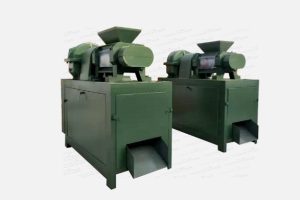
High Efficiency:
The double roller granulator design ensures a continuous and efficient pelletizing process. The synchronized rotation of the rollers compresses the material consistently, leading to high production rates.
Energy Saving:
Compared to other granulating methods, the Double Roller Pelletizing Machine consumes less energy. Its efficient design reduces power consumption, making it an eco-friendly option.
Uniform Pellet Size:
The machine produces pellets of uniform size and shape, which is crucial for applications like fertilizers and animal feed. Uniform pellets ensure even distribution and consistent performance.
Versatility:
This machine can handle a wide range of materials, including fertilizers, chemical powders, and organic waste. Its versatility makes it suitable for various industries.
Low Maintenance:
With fewer moving parts and a robust design, the Double Roller Pelletizing Machine requires minimal maintenance. This reduces downtime and maintenance costs.
Environmentally Friendly:
The pelletizing process generates minimal dust and waste, contributing to a cleaner working environment and reducing the environmental impact.
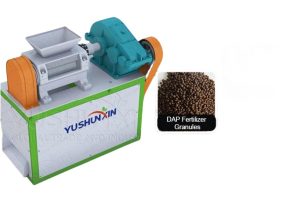
Fertilizer Production:
One of the primary uses of these machines is in the production of fertilizer pellets. The uniformity and density of the pellets ensure efficient nutrient distribution in the soil, promoting healthier plant growth.
Biomass Energy:
The machine is also employed in the production of biomass pellets, which are used as a renewable energy source. Biomass pellets are made from agricultural and forestry residues, providing a sustainable alternative to fossil fuels.
Animal Feed:
In the animal husbandry industry, the Double Roller Pelletizing Machine is used to produce feed pellets. These pellets are easier to store, transport, and distribute, and they provide a balanced diet for livestock.
When selecting a Double Roller Pelletizing Machine for your operation, consider the following factors:
Capacity:
Determine the production capacity you need based on your specific requirements. Machines come in various sizes and capacities to suit different scales of operation.
Material Compatibility:
Ensure the machine is compatible with the type of material you intend to pelletize. Different materials may require specific design features or adjustments.
Durability:
Look for machines made from high-quality materials that can withstand continuous operation and harsh working conditions.
Ease of Maintenance:
Choose a machine with a straightforward design that allows for easy maintenance and cleaning. This will help minimize downtime and extend the machine’s lifespan.
Manufacturer Support:
Opt for a reputable manufacturer that offers reliable customer support, including installation, training, and after-sales service.
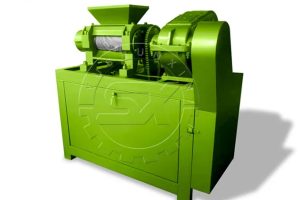
The Double Roller Pelletizing Machine is a game-changer in the pellet production industry. Its high efficiency, versatility, and cost-effectiveness make it an invaluable asset for various applications. By choosing the right machine and maintaining it properly, you can maximize your production capabilities and achieve superior results. Whether you’re in fertilizer production, animal feed manufacturing, or biomass energy, investing in a Double Roller Pelletizing Machine can significantly enhance your operational efficiency and product quality. If you want to know more, you can view m web site : https://www.charbasedfertilizermachine.com/product/double-roller-extrusion-granulator/
Chicken nuggets are a popular food item enjoyed by people of all ages. They are made from ground chicken meat that is shaped into small, bite-sized pieces, breaded, and then fried or baked. The production of chicken nuggets is a complex process that involves several steps, and it requires specialized machinery to ensure that the final product meets the desired quality and safety standards.
The first step in the production of chicken nuggets is to form the ground chicken meat into the desired shape. This is done using a chicken nugget forming machine. The machine is equipped with a hopper that holds the ground meat, and a series of molds that shape the meat into nuggets. The machine uses a combination of pressure and heat to form the nuggets, ensuring that they are uniform in size and shape.
Once the nuggets have been formed, they need to be breaded and coated. This is done using a breading and coating machine. The machine first applies a layer of flour to the nuggets, which helps the breading to stick. Next, the nuggets are coated with a layer of batter, which gives them a crispy texture when cooked. Finally, they are coated with breadcrumbs, which add flavor and crunch.

After the nuggets have been breaded and coated, they need to be cooked. This can be done using either a frying or baking machine. A frying machine uses hot oil to cook the nuggets, giving them a crispy, golden-brown exterior. A baking machine, on the other hand, uses dry heat to cook the nuggets, which results in a lighter, healthier final product.
Once the nuggets have been cooked, they need to be packaged and inspected for quality. This is done using a packaging machine, which seals the nuggets in bags or boxes. The machine is also equipped with sensors that check the weight and temperature of the nuggets to ensure that they meet the required standards. Any nuggets that do not meet these standards are rejected and removed from the production line.
In conclusion, the production of chicken nuggets is a complex process that requires specialized machinery to ensure that the final product is safe, delicious, and of high quality. From the forming machine to the packaging equipment, each machine plays a crucial role in the production process, and without them, it would be impossible to produce chicken nuggets on a large scale.
The cost of recycling solar panels has always been a topic of concern. With the rapid development of the solar energy industry, a large number of solar panels have been widely used in various fields. However, as these panels reach the end of their life, there is a growing need to recycle them. If you are interested in solar panel recycling, you can click here.
The recycling cost of solar panels is mainly affected by the following factors.
First, investment in recycling equipment and technology is an important part of recycling costs. The recycling of solar panels requires specific equipment and technology, including decomposition equipment, shredding equipment, and screening equipment. For example, dual-shaft shredders, hammer crushers, etc. in shredding equipment. We generally provide corresponding models of equipment according to your specific requirements. The purchase cost and operation and maintenance costs of these equipment will affect the economics of recycling.

Secondly, the recycling efficiency and value of raw materials are also important factors affecting recycling costs. The main materials in solar panels include silicon, aluminum, silver, etc., some of which have higher values. During the recycling process, how to efficiently extract these materials and ensure their quality is guaranteed will directly affect the economic benefits of recycling.
In addition, the sales price of recycled materials is also a key factor in cost considerations. Recycled solar panels are processed and the resulting material can be reused to produce solar panels or other products. However, market demand and price fluctuations for these reused materials are unstable, which also increases the uncertainty of recycling costs.
In addition, the cost of human resources required for solar panel recycling cannot be ignored. The recycling process involves multiple links, including dismantling, screening, dust removal, testing, etc. These steps require the participation and technical support of professionals. Human resource costs will directly affect the level of recovery costs.

To sum up, the cost of recycling solar panels is restricted by many factors, including investment in recycling equipment and technology, recycling efficiency and value of raw materials, sales price of recycled materials, and human resource costs. In order to achieve sustainable development, we need to comprehensively consider these factors and continuously promote the innovation of recycling technology and cost reduction to reduce the cost of recycling solar panels and promote the sustainable development of the solar industry.
If you are interested in more e-waste recycling equipment and processes, welcome to our website:https://www.e-recy.com/
Introduction to Bamboo Charcoal Briquettes
Bamboo is a versatile and sustainable material that can be used to make charcoal briquettes. Charcoal briquettes made from bamboo have several advantages over traditional wood charcoal, including being more environmentally friendly, producing less smoke, and having a higher heat output.
Why Choose Bamboo for Charcoal Briquettes?
Bamboo is a fast-growing plant that can be harvested in just a few years, making it a renewable resource. It also produces more biomass per acre than trees, meaning that it can produce more charcoal in a shorter amount of time. Additionally, bamboo charcoal briquettes are carbon-neutral, as the carbon released during burning is offset by the carbon absorbed by the bamboo during its growth.
The Process of Making Bamboo Charcoal Briquettes
To make bamboo charcoal briquettes, the bamboo is first harvested and then cut into small pieces. These pieces are then dried in the sun or in a kiln to remove any moisture. Once dry, the bamboo is placed in a carbonization furnace, where it is heated to a high temperature in the absence of oxygen. This process converts the bamboo into charcoal.
After the bamboo has been carbonized, it is crushed into a fine powder and mixed with a binder, such as starch or molasses. This mixture is then pressed into briquettes using a briquette press. The briquettes are then dried again to remove any remaining moisture before being packaged and sold.
Advantages of Bamboo Charcoal Briquettes
Bamboo charcoal briquettes have several advantages over traditional wood charcoal. They burn hotter and longer, meaning that less charcoal is needed to achieve the same level of heat. They also produce less smoke and ash, making them a cleaner and more environmentally friendly option. Additionally, bamboo charcoal briquettes are easier to light and have a more consistent burn.
Conclusion
Bamboo is an excellent material for making charcoal briquettes. It is a sustainable and renewable resource that produces a high-quality charcoal that is environmentally friendly and efficient. By choosing bamboo charcoal briquettes, you can enjoy the benefits of grilling and cooking with charcoal while also making a positive impact on the environment.
Organic farming and sustainable agricultural practices have gained significant traction in recent years. One of the critical components of these practices is the use of organic fertilizers. Organic fertilizers making not only enrich the soil with essential nutrients but also improve soil structure and microbial activity. Among the various forms of organic fertilizers making, granulated organic fertilizers production are particularly popular due to their ease of application, storage, and transportation. This article delves into the organic fertilizer granulation production line, exploring its components, processes, and benefits. If you have any questions or problems, you can click my web site: https://www.charbasedfertilizermachine.com/product/organic-fertilizer-manufacturing/
Organic fertilizer making is the process of converting organic materials into small, uniform granules. This process enhances the physical properties of the fertilizer, making it easier to handle and apply. Granulated fertilizers also release nutrients more slowly compared to their powdered counterparts, providing a steady supply of nutrients to plants over an extended period.

An organic fertilizer granulation production line process typically comprises several key components:
Composting System:
Crushing Machine:
Mixing Machine:
The crushed materials are then mixed with other additives such as peat, bone meal, or beneficial microbes.
A mixing machine ensures a uniform blend of all ingredients, which is crucial for consistent granule quality.

Granulator:
Drying Machine:
Packaging Machine:
Nutrient Efficiency:
Granulated organic fertilizers provide a slow and steady release of nutrients, enhancing nutrient uptake by plants.
Improved Soil Health:
The organic matter in the granules improves soil structure, water retention, and microbial activity.
Ease of Application:
Granules are easier to spread evenly across fields, ensuring uniform nutrient distribution.
Storage and Transportation:
Granulated fertilizers are less prone to caking and can be stored and transported more efficiently than powdered forms.

The organic fertilizer granulation production line plays a crucial role in modern organic farming practices. By transforming organic waste into nutrient-rich granules, this process not only supports sustainable agriculture but also contributes to environmental conservation. As demand for organic products continues to rise, the importance of efficient and effective organic fertilizer production lines will only grow. Investing in this technology can yield significant benefits for farmers, consumers, and the planet. You can come to my web to learn more information about organic fertilizer production line.
Charcoal is a versatile and widely used fuel source that plays a vital role in various industries. To meet the increasing demand for charcoal products, businesses must streamline their production processes efficiently. One effective way to enhance the packaging process is by incorporating a Charcoal Packaging Machine into their operations.
Increased Efficiency with a Charcoal Packaging Machine
A Charcoal Packaging Machine offers a wide range of benefits to businesses, with improved efficiency being one of the most significant advantages. By automating the packaging process, this machine eliminates the need for manual labor and reduces the chances of human error. As a result, businesses can package charcoal products at a faster rate, leading to increased overall productivity.

Ensuring Consistent Packaging Quality
Consistency in packaging is crucial for maintaining product quality and brand reputation. A Charcoal Packaging Machine ensures that each bag or package is filled with the correct amount of charcoal, sealed securely, and labeled accurately. This consistency helps businesses deliver uniform products to consumers, fostering trust and loyalty in the brand.

Cost Savings on Labor Expenses
Manual packaging processes can be labor-intensive and time-consuming, leading to increased labor costs for businesses. By investing in a Charcoal Packaging Machine, companies can significantly reduce their labor expenses and allocate resources more efficiently. The automated nature of this machine streamlines the packaging process, resulting in cost savings and improved operational efficiency.
Enhanced Product Protection and Shelf Life
Proper packaging is essential for protecting charcoal products from damage, contamination, and moisture. A Charcoal Packaging Machine ensures that bags or packages are sealed securely, preserving the freshness and integrity of the charcoal during storage and transportation. This level of protection not only enhances the product’s shelf life but also helps maintain its quality until it reaches the end consumer.

Selecting the Right Charcoal Packaging Machine for Your Business
When choosing a Charcoal Packaging Machine for your production process, several factors should be taken into consideration:
Production Capacity: Determine the daily volume of charcoal products that need to be packaged to select a machine that meets your production requirements.
Packaging Materials: Consider the type of packaging materials you will be using (e.g., bags, pouches) and ensure that the machine is compatible with these materials.
Automation Features: Look for a Charcoal Packaging Machine with advanced automation features such as weighing systems, sealing mechanisms, and labeling capabilities to streamline the packaging process.
Maintenance and Support: Select a reputable manufacturer that offers maintenance services and technical support to ensure the reliability and longevity of the machine.

In conclusion, incorporating a Charcoal Packaging Machine into your production process can bring about numerous advantages for your business. From increased efficiency and consistent packaging quality to cost savings on labor expenses and enhanced product protection, the benefits of using this machine are vast. When selecting a Charcoal Packaging Machine, consider factors such as production capacity, packaging materials, automation features, and maintenance support to choose the right machine for your business needs. Upgrade your charcoal production process today with a Charcoal Packaging Machine and experience the efficiency and quality improvements it can offer to your operations. If you would like to learn more about the charcoal machine and charcoal production line, visit here.
A medida que se instalan más y más paneles solares en todo el país, surge la preocupación por el manejo adecuado de los paneles solares al final de su vida útil. En esta era de conciencia ambiental y sostenibilidad, el reciclaje de paneles solares se ha vuelto una práctica esencial. En este blog, exploraremos algunos de los equipos populares utilizados en el proceso de reciclaje de paneles solares, destacando sus características y beneficios.

Antes de sumergirnos en los equipos utilizados en el reciclaje de paneles solares, es importante comprender por qué esta práctica es tan crucial para el medio ambiente y la economía. Los paneles solares contienen metales y materiales valiosos que pueden ser reutilizados, evitando así la sobreexplotación de los recursos naturales y la generación innecesaria de residuos.

Los equipos de desmontaje de paneles solares son equipos para el reciclaje y procesamiento de paneles solares. Le ayuda a quitar marcos de aluminio y vidrio de los paneles solares y reciclarlos directamente. Ayudarle a reciclar paneles solares de manera más eficiente.

Uno de los equipos más populares en el reciclaje de paneles solares es la trituradora, diseñada para descomponer los paneles en diferentes componentes para su posterior procesamiento. Contamos con chacandora de doble eje y chancandora de martillo. Las trituradoras tienen diferentes capacidades y niveles de automatización, adaptándose a las necesidades y volúmenes de trabajo de cada empresa.

Una vez triturados los paneles solares, es necesario separar los diferentes materiales que los componen. Para esto se utilizan los separadores de residuos, que hacen una clasificación precisa y eficiente de vidrio, aluminio y otros materiales presentes en los paneles. Contamos con equipos de cribado como separador de gravedad específica, separador magnético, separador electrostático y separador óptico. Estos equipos permiten el reciclaje de forma más eficiente, ya que los materiales se pueden reutilizar en nuevas aplicaciones.

Además de los equipos de trituración y separación, los paneles solares también contienen sustancias químicas y metales tóxicos. Para garantizar un reciclaje seguro y responsable, es importante contar con sistemas de purificación que se encarguen de remover estos materiales peligrosos. Estos equipos aseguran que los residuos generados durante el proceso de reciclaje no representen riesgos para la salud humana y el medio ambiente.

La industria del reciclaje de paneles solares está en constante evolución y se están desarrollando nuevas tecnologías para mejorar la eficiencia y la efectividad del proceso. Entre estas innovaciones se incluyen métodos avanzados de separación y recuperación de materiales, así como el uso de inteligencia artificial y la automatización en las plantas de reciclaje.

El reciclaje de paneles solares es una parte fundamental de la transición hacia una economía más circular y sostenible. Los equipos mencionados en este blog son solo algunos ejemplos de las herramientas utilizadas en este proceso. A medida que la conciencia sobre la importancia de la energía solar y la sostenibilidad sigue creciendo, se espera que los equipos de reciclaje de paneles solares sean aún más innovadores y eficientes en el futuro. Es responsabilidad de todos contribuir al cuidado del medio ambiente y apoyar iniciativas de reciclaje como esta. También proporcionamos otros máquinas de reciclaje de desechos electrónicos, no dude en consultarnos. Si está interesado en nuestros equipos o tiene preguntas, por favor contáctenos:info@e-recy.mx.
Fertilizers are fundamental to modern agriculture, enhancing plant growth and productivity by supplying essential nutrients. For example, it will provide nitrogen, phosphorus and potassium. As the demand for agricultural products escalates globally, the need for efficient and sustainable fertilizer production technologies becomes increasingly crucial. Enter double roller granulators, a pivotal innovation in the fertilizer industry, known for their efficiency and environmental benefits.
A double roller granulator is a type of machinery used in the dry granulation process, ideal for creating solid granules from powdered materials without requiring any liquid solution. This distinguishes it from other granulating technologies that often rely on wet granulation techniques involving binders and liquids. Key components of a double roller granulator include two counter-rotating rollers, a pressing mold (die), and a sophisticated driving mechanism—all engineered to produce high-quality granules. If you want to learn more, you can search my website: https://www.charbasedfertilizermachine.com/product/double-roller-extrusion-granulator/
The operation of a double roller granulator is a marvel of engineering precision, involving several critical steps:
Double roller granulators offer multiple advantages:
Double roller granulators are versatile, capable of processing various fertilizer formulations including NPK blends, urea, and ammonium sulfate. This adaptability allows manufacturers to meet diverse agricultural needs efficiently.
Certainly! Here’s a blog post crafted from your outline, focusing on the impact of double roller granulators in the fertilizer industry.
Fertilizers are fundamental to modern agriculture, enhancing plant growth and productivity by supplying essential nutrients. As the demand for agricultural products escalates globally, the need for efficient and sustainable fertilizer production technologies becomes increasingly crucial. Enter double roller granulators, a pivotal innovation in the fertilizer industry, known for their efficiency and environmental benefits.
A double roller granulator is a type of machinery used in the dry granulation process, ideal for creating solid granules from powdered materials without requiring any liquid solution. This distinguishes it from other granulating technologies that often rely on wet granulation techniques involving binders and liquids. Key components of a double roller granulator include two counter-rotating rollers, a pressing mold (die), and a sophisticated driving mechanism—all engineered to produce high-quality granules.
The operation of a double roller granulator is a marvel of engineering precision, involving several critical steps:
Double roller granulators offer multiple advantages:
Double roller granulators are versatile, capable of processing various fertilizer formulations including NPK blends, urea, and ammonium sulfate. This adaptability allows manufacturers to meet diverse agricultural needs efficiently.
Maintaining a double roller granulator is crucial for ensuring its longevity and operational efficiency. Regular checks and routine maintenance of the rollers and the die are essential. Operators should also be trained to handle common challenges such as material buildup or mechanical wear.
Double roller granulators play an indispensable role in the fertilizer industry, supporting sustainable agriculture by producing high-quality fertilizers more efficiently and environmentally friendly. Their importance will only grow as the global demand for food increases. If you want to learn more, you can come to my web.
.
The NPK bulk blending fertilizer system has become a mainstay in modern agriculture, providing a straightforward solution to meet the diverse nutrient needs of various crops. NPK stands for Nitrogen (N), Phosphorus (P), and Potassium (K), the three essential nutrients that plants require to grow healthily. Bulk blending systems are designed to combine these nutrients in precise ratios to create a balanced fertilizer tailored to specific soil conditions and crop requirements. This article explores the efficiency and benefits of using an NPK bulk blending fertilizer system.
The NPK bulk blending fertilizer making process involves the physical mixing of granular raw materials to produce a homogenous fertilizer. The system typically consists of several key components:
1. Material Hoppers: Raw material granules, each containing different nutrients, are stored separately in bins.
2. Feeder Units: These regulate the amount of each nutrient released from the material hoppers to achieve the desired NPK ratio.
3. Conveyor: A conveyor belt or auger system transports the materials to a NPK granules blending unit.
4. Blending Unit: Here, the NPK granules materials are thoroughly mixed to ensure uniformity. For this, you need a professional BB fertilizer mixer.
5. Packaging: The final product is then conveyed to a packaging area where it is bagged, sealed, and readied for distribution.
Advantages of NPK bulk blending system are as follows:
1. Customization: One of the chief advantages of bulk blending is the ability to customize fertilizer mixes for specific crops and soil types.
2.Cost-Effectiveness: Bulk blending systems require relatively low capital investment compared to complex chemical manufacturing processes. They also have lower operational costs. Click here to learn more.
3. Simplicity and Speed: The blending process is straightforward and quick, allowing for rapid response to market demands and the flexibility to alter nutrient compositions as needed.
4. Reduced Waste: By creating tailor-made fertilizer mixes, farmers can apply the exact nutrients needed, minimizing waste and environmental impact.

While an NPK granule blending line offers many benefits, there are considerations to keep in mind:
1. Quality Control: Ensuring a homogenous blend is crucial, as uneven distribution of nutrients can lead to crop growth issues.
2. Storage Conditions: Improper storage can lead to caking or nutrient segregation, affecting the quality of the final product.
3. Market Knowledge: Effective use of a bulk blending system requires understanding the nutrient demand for various crops and soils.
If you want to start a NPK blending fertilizer making business, you can visit https://www.fertilizerbusinessplan.com/fertilizer-blending-plant/
The BB fertilizer system is an effective solution for producing customized fertilizers economically and efficiently. Its ability to quickly generate tailored products that meet specific agricultural demands makes it an invaluable asset in the fertilizer industry. By adopting this system, manufacturers and farmers can ensure that crops receive balanced nutrition, leading to better yields and sustainable farming practices. As the global population grows and the demand for food increases, the importance of efficient fertilizer production will continue to rise, and NPK bulk blending systems will be at the forefront of meeting this challenge.
On April 4, 2024, our company had a customer from Turkey. He sent an email saying that he would like to inquire about pryolysis small scale biochar production line. And he said he have a 500kg/h hazelnut cracking machine that leaves 250kg/h of hazelnut shells of waste. So, he would like to consult us for some information about the pryolysis biochar production line. If you have any question, you can click my web to learn more: https://www.charbasedfertilizermachine.com/
Biochar Drum dryer machine:
Because the customer already has a pulverizer, then he also needs a biochar drum dryer machine. This is because the moisture content of the raw material may affect the quality of the final product. Thus reducing the price and causing losses. So, we recommend the SXHG-0808 drum dryers. It have a capacity of 1-2 tons per hour.

Carbonization machine:
The next machine to be prepared is a carbonization machine. And we have three kinds of carbonization equipment. One is hanging charcoal furnace, one is rotary charcoal furnace and one is continuous charcoal furnace. What’s more, the customer said that his machine produces 250 kg of hazelnut shell material per hour. So, we recommend the biochar continuous carbonization furnace. Because the crushed materials are heated more evenly after entering the continuous carbonization furnace, the process is fast. In addition, as an automatic device, it achieves continuous production to improve the efficiency and reduces the interference of people.

For better use of biochar for plants, you need grind them into powder. So, a biochar grinding machine in biochar production line is necessary. We recommend the biochar chain crusher machine for you. The output particle size is smaller than 3 mm.
Our continuous carbonization furnace, its production capacity can reach 100-500 kilograms per hour. It can fully meets the needs of yours. Moreover, the conversion ratio from hazelnut shell waste to biochar is 3:1. So, in the end, we sold our customers continuous carbonization furnace equipment.
The price of a product can be affected by many factors, which the customer should have a clear view of. Normally, the price range of the charcoal production line is $20,000-60,000. The price might change with the requests of the customers. For example, the continuous carbonization furnace equipment with large production capacity will have a higher price. On the contrary, the continuous carbonization furnace equipment with small output will have more favorable price.

For the machine you have purchased for the biochar production line, you need to check and maintain it regularly. Daily use of charcoal-based fertilizer machine, you need to regulate the operation of employees, and regularly check the machine every week to see if there is any damage, and timely replacement of damaged parts. When using the machine, workers need to pay attention to their own safety. If you want to learn more information, you can come to my web: https://www.charbasedfertilizermachine.com/product/carbonization-equipment/
Char fertilizer not only improves nutrient uptake by plants but also means that less fertilizer is needed to achieve the same growth results. Also, we can recommend the windrow compost machine for you. And we have two compost turning machine. One is crawler type compost turner machine and the other is char fertilizer four-wheeled compost machine. What’s more, our crawler type compost turner machine is very suitable for the composting treatment of charcoal-based fertilizer. Because it has both favorable price and high output. And has many advantages. So, it is very suitable for the production line of charcoal-based fertilizer. If you want to know more about crawler compost machine, you can click here.

A crawler turner machine is a heavy-duty piece of equipment. It design for large-scale biochar fertilizer composting operations. It is mounted on a crawler track system, similar to what you might see on a bulldozer or an excavator. What’s more, it provides high stability and mobility over various terrains.
Traditional composting techniques are time-consuming and take up a lot of space, but nowadays, with crawler tyoe compost turner machine, the speed is significantly higher.
The machine is designed with four wheels. The whole machine rides on the base of pre-stacked long strips of fertilizer. And the rotating knife shaft (suspended under the rack mechanism) realizes turning, expanding, moving and stacking. More important, the charcoal-based fertilizer material forms a new strip-shaped fertilizer pile after passing through the turning machine. At the same time, this machine crushes the material while making it more fully in contact with oxygen. So, it creating a better aerobic environment for material fermentation.
Enhanced Mobility: Crawler type compost turner equipment are equipped with tracks instead of wheels, which allows them to navigate a variety of terrains more effectively. This makes them ideal for use in uneven or soft char fertilizer compost where traditional compost machine might struggle.
Increased Efficiency: Crawler type compost turner machine automate the turning and aerating process of composting. And It is essential for speeding up the decomposition of biochar fertilizer materials. In addition, the mechanical turning provided by crawler compost ensures that the compost is mixed thoroughly and frequently. So, it lead to faster compost production compared to manual turning methods.

Uniform Composting: The turning provided by crawler biochar fertilizer compost machine helps distribute heat, moisture, and air throughout the biochar fertilizer compost material. This uniformity ensuring that the decomposition process occurs evenly across all the material. What’s more, it results in a more consistent and high-quality biochar fertilizer compost.
Labor Saving: The automation of compost turning with a crawler type compost turner machine reduces the manpower needed for compost management. Besides, this can significantly cut down labor costs and physical strain associated with manual composting. Moreover, financial and material savings can be maximized.
Our crawler type compost turner machine belongs to one kind of small compost turner. That’s why the price is better. Our machines are priced from $1000 to $10,000. According to the above, the price will vary depending on the output of the machine and the height of the tumbling. So, prices are also more favorable for smaller yields and relatively higher for larger yields.
In conclusion: Our crawler turner machine has many advantages and it is designed according to the principle of aerobic fermentation, providing enough space for microorganisms to play their role. And you can click my web to learn more: https://www.charbasedfertilizermachine.com/product/crawler-type-compost-turner-machine/
When it comes to managing organic waste and composting, the efficient processing of raw materials holds great significance. A compost grinder, also referred to as a compost shredder or compost crusher, plays a crucial role in breaking down these materials into smaller particles, thus expediting the composting process. This article explores the various types of raw materials suitable for processing with a compost grinder and introduces advanced models designed to meet diverse composting needs.
Compost grinders, including the finest options available in the market, are designed to handle a wide range of organic materials. These innovative machines contribute significantly to transforming waste into high-quality compost that is perfectly suitable for agricultural and horticultural use. By incorporating a compost grinder into your composting setup, you ensure the efficient breakdown of materials, which is a critical step in producing compost rich in essential nutrients.
Compost grinders are capable of processing an array of materials, from the soft, spongy texture of leaves to the more robust nature of agricultural waste. Some key examples include:
1. Leaves and Yard Debris: Compost shredders excel at breaking down leaves, small branches, and other yard debris. Once broken down, these materials serve as an excellent carbon source for your compost mix.
2. Food Scraps: Fruit and vegetable scraps, coffee grounds, and eggshells are just a few examples of food waste that can be efficiently processed through a compost grinder machine. This adds valuable nutrients to the compost.
3. Agricultural Waste: Compost shredders are highly efficient in reducing straw, cornstalks, and other agricultural residues, converting what would otherwise be waste into valuable composting material.
To explore the most efficient way of processing organic waste, it is crucial to understand the differences between various compost grinder models. Here are a few examples:
1. New Type Vertical Crusher: This compost grinding machine is equipped with high-speed rotating blades, enabling it to crush raw materials with impressive efficiency. Its design is particularly suited for materials that require a finer texture in the compost.
2. Semi-Wet Material Crusher: Designed for materials with higher moisture content, this compost crusher machine ensures that wet waste can be processed without clogging, making it a versatile choice for various composting operations.
3. Straw Crusher: As the name suggests, this compost shredder specializes in breaking down straw and similar materials. It is an indispensable tool for those dealing with large volumes of agricultural waste.

As we discuss the capabilities of compost grinders, it is essential to acknowledge the role of professional equipment manufacturers in enhancing compost production. Yushunxin is a noteworthy example in this field, known for providing advanced composting solutions. Their range of compost grinders, including compost shredders for sale, incorporates the latest composting technology, catering to the diverse needs of compost producers.
In conclusion, the efficiency of compost production hinges on the ability to process a variety of raw materials. With the assistance of the right compost grinder, such as those offered by leading manufacturers like Yushunxin, organic waste can be transformed into high-quality compost. Whether dealing with leaves, food scraps, or agricultural waste, these machines play an instrumental role in enhancing the composting process, making them invaluable assets in today’s compost production lines. For further information, please visit: https://www.fertilizerproductequipment.com/compost-grinder-for-sale/
In the quest for sustainability, technology and agriculture are converging in exciting ways. One of the most promising innovations is the self-propelled compost machine—a device that not only simplifies the composting process but enhances it, transforming organic waste into high-quality fertilizer effortlessly. This blog explores the ins and outs of self-propelled compost machines and how they’re revolutionizing garden and farm management. If you want to know more about our equipment, you can follow my website: https://www.charbasedfertilizermachine.com/product/self-propelled-compost-turner/

A self-propelled compost machine is advanced composting systems designed to automate and optimize the breakdown of organic material into nutrient-rich compost. Unlike static compost bins, these machines move through compost rows or piles, mixing and aerating the materials to accelerate decomposition. They come equipped with features like automated controls, adjustable settings for speed and mixing intensity, and sometimes even GPS tracking for large-scale operations.
A typical self-propelled turner machine operates on a track or wheels and is powered by an engine, often fueled by diesel or electricity. Users can set the path for the machine, which then moves along the compost rows. As it travels, it agitates the compost with built-in tools designed for aeration and mixing. Sensors and controls allow for adjustments based on moisture content, temperature, and material type, ensuring optimal composting conditions.
Efficiency and Speed:
By automating the turning process, these machines reduce the manpower required and significantly speed up the composting process, often producing usable compost in a fraction of the time it would take manually.
Enhanced Compost Quality:
Regular and thorough mixing ensures even decomposition, which improves the overall quality of the compost. This means more balanced nutrient content and better soil amendment properties.
Reduced Physical Labor:
For gardeners and farmers, especially those with large operations, the physical demand of turning compost can be daunting. Self-propelled composters handle the heavy lifting, saving backs and budgets.
Eco-Friendly:
These machines help reduce the carbon footprint associated with traditional composting methods, which often involve gasoline-powered machines or significant manual effort.

When selecting a self-propelled compost machine, consider the following:
Size and Capacity:Match the machine’s size and throughput capacity with the volume of compost you plan to produce.
Power Source:Look for energy-efficient models or those that can use renewable energy sources to align with sustainability goals.
Feature Set:Advanced features like programmable settings, remote monitoring, and moisture sensors can further simplify the composting process.
Stimulates Mental Development:
For children, the unpredictable movement of the tumblers can stimulate problem-solving and prediction skills as they observe and interact with the toy. For pets, it can help keep their minds sharp and alert, reducing boredom and related behavioral issues.
Conclusion:
Self-propelled tumblers are more than just toys; they are a testament to how technology can enhance our daily lives and the lives of our pets. Whether you’re looking to keep your pet entertained, encourage active play for your child, or simply introduce a fascinating new gadget into your home, self-propelled tumblers offer a modern solution that combines fun, exercise, and mental stimulation. As technology continues to evolve, it’s exciting to think about what the future holds for innovative toys like these. If you want to know more about the self-propelled dumping machine, please click here!
Recycling lithium batteries is an important work related to environmental protection and resource recycling. To solve the problems caused by improper disposal of lithium batteries in electronic waste, the wide application of electronic waste recycling equipment has become one of the effective ways to recycle lithium batteries.
Background of lithium battery recycling
First, let’s take a look at the background of lithium battery recycling. With the popularity and upgrading of electronic products, the demand for lithium batteries is increasing, and the number of lithium batteries discarded in electronic waste is also increasing. Waste lithium batteries contain harmful substances that, if not handled properly will pose potential threats to the environment and human health. Therefore, recycling lithium batteries is particularly important. In addition, lithium batteries contain many rare metals, and economic benefits can be obtained by recycling lithium batteries. It’s a new industry right now.
The process of recycling lithium batteries
Secondly, we need to understand the principle of e-waste recycling equipment. Electronic waste recycling equipment through advanced technology and operation, can realize the effective recycling of lithium batteries. It mainly includes the following steps: First, the shredder will shred the lithium battery. If secondary shredding is required, a hammer crusher can be used. Next, the lithium battery is screened by a recycling device, such as a linear screen, a circular vibrating screen, or an airflow screen to separate the flow. In addition, dust removal equipment will be used throughout the recycling process to avoid environmental pollution. Such as water spray towers, plasma purification equipment, and other dust removal equipment. Finally, the device can also further process and recycle the recyclable parts of the lithium battery, such as metal, plastic, etc.

The importance of recycling lithium batteries
Recycling lithium batteries through electronic waste recycling equipment can not only realize the recycling of resources but also reduce the harm of waste lithium batteries to the environment and human health. We should pay attention to the promotion and use of electronic waste recycling equipment, improve the efficiency and quality of recycling lithium batteries, and jointly build a green and environmentally friendly society. Only through the combination of science and technology and environmental protection can we move towards the road of sustainable development and realize the harmonious coexistence of man and nature. If you are interested, you can click here for more detailed information.
How to balance the costs and benefits of lithium battery recycling?
Cost factors:
Collection and transportation costs: including the cost of recycling lithium batteries, transportation costs, etc.
Manpower and equipment costs: Manpower and equipment need to be invested in the recycling process.
Benefit factor:
Reuse of resources: Recycling lithium batteries can reuse useful materials, such as metals, rare earth elements, etc., to save natural resources.
Environmental benefits: reduce environmental pollution, reduce dependence on natural resources, and help protect the ecological environment.
Economic benefits: Recycled useful materials can be reused, reducing production costs, helping to save costs, and improving economic benefits.
Balance method:
Technological innovation: The use of efficient and low-cost equipment and methods to improve recovery efficiency and reduce recovery costs.
Market demand: With the popularity of products such as electric vehicles, the demand for lithium batteries increases, which can be recycled to meet market demand and improve efficiency.

If you would like to learn more about e-waste recycling, please visit our website:https://www.e-recy.com/
Using a pan granulator to granulate carbon powder and organic fertilizer involves a process that combines the physical forces of rotation and the chemical action of binders to form granules. Here is a detailed step-by-step guide on how to use a disc granulator for these materials: If you have more question, you can click here to get more information.

Carbon Powder: Ensure the carbon powder is finely ground and consistent in size. Depending on the desired outcome, the powder may need to be mixed with other additives or binders to enhance pellet integrity.
Organic Fertilizer: This typically consists of decomposed plant and animal waste. The material should be composted and screened to remove large particles and ensure uniformity.
Mixing materials:
Mix carbon powder with organic fertilizer in a predetermined ratio suitable for the target application. The precise mixture will depend on the nutritional requirements and the desired pellet properties. Add any necessary binders or additives. For organic fertilizers, natural binders like molasses, starch, or composted manure can be used to help the material stick together. That’s why we recommend you to use our horizontal mixer.
The mixture’s moisture content is crucial for successful granulation. Typically, the moisture level should be between 30% to 40% for effective pellet formation.
Adjust the moisture by adding water or drying the mixture as needed. Uniform moisture distribution is key.

Load the prepared mixture into the disc granulator. The disc (or pan) is set at an angle and rotates, which helps the material move gradually from the center towards the rim.
As the disc pelletizer rotates, the material is forced to roll back inward due to the disc’s angle and gravity. This motion causes the particles to collide and stick together, gradually forming larger aggregates.
The continuous rolling motion, combined with the forces exerted by the other material, compacts these aggregates into denser granules.
Control the rotational speed of the disc to manage the granulation rate and granule size. Slower speeds generally result in larger granules.
Adjust the angle of the disc to change the retention time of material on the disc, affecting the granule’s hardness and size.
After granulation, the granules are often passed through a screen to separate the desired size granules from smaller particles and dust.
Fine particles and undersized granules can be recycled back into the granulator for further processing.
The granules may require drying to reduce their moisture content to a stable level, suitable for storage and handling.
Curing may also be necessary, especially for organic fertilizers, to ensure the granules are hard enough and to reduce the risk of nutrient loss. So we recommend our rotary drum dryer, which can produce up to 20 tons per hour.

Conduct quality control tests to ensure the granules meet the required specifications for size, nutrient content, and moisture.
Package the finished granules for storage or sale.
Using a disc granulator efficiently for carbon powder and organic fertilizer requires careful control of mixture composition, moisture content, and machine settings. Tailoring these parameters to your specific materials will yield the best results in the production of high-quality chanxian. If you want to know more about disc granulator machine, you can search our web to view more: https://www.charbasedfertilizermachine.com/product/drum-granulator/
Double roller granulation plant is a popular choice for businesses in the fertilizer industry. It is an efficient way to produce granulated products, which are essential for agricultural use. However, the cost of setting up and running a double roller granulation plant can vary greatly. There are several factors that can affect the overall cost of the plant, and it is important for businesses to consider these factors when planning their investment.

Raw Material Costs
One of the main factors that can affect the cost of a double roller granulation plant is the cost of raw materials. The type of materials used to produce the granulated products can have a significant impact on the overall cost of the plant. For example, if a business chooses to use high-quality materials, it can result in a higher cost for the plant. Conversely, if a business opts for lower quality materials, the cost of the plant may be lower, but the quality of the final product may also be compromised. Click here to get more details.
Equipment Costs
Another important factor that can affect the cost of a double roller granulation plant is the cost of the equipment. The plant requires specialized machinery to produce granulated products, and this machinery can be expensive. The cost of the equipment can vary greatly depending on the size of the plant, the level of automation, and the specific features of the machinery. And these machines usually use stainless steel as materials.
Labor Costs
Labor costs are another significant factor that can affect the cost of a double roller granulation plant. The cost of labor can vary depending on the location of the plant, the level of expertise required, and the number of workers needed to operate the plant. In areas where labor costs are high, the overall cost of the plant may be higher.
Operational Costs
The operational costs of a double roller granulation plant can also have a significant impact on the overall cost of the plant. These costs can include utilities, maintenance, and other ongoing expenses. The cost of utilities, such as electricity and water, can vary depending on the location of the plant and the local rates. Maintenance costs can also vary depending on the age and condition of the equipment.
Market Conditions
Finally, market conditions can also affect the cost of a double roller granulation plant. The demand for granulated products can fluctuate, and this can impact the cost of the plant. If there is a high demand for granulated products, the cost of the plant may be higher, as businesses may need to invest in additional equipment and labor to meet the demand. Conversely, if there is a low demand for granulated products, the cost of the plant may be lower, as businesses may be able to operate with fewer resources.
In conclusion, there are several factors that can affect the cost of a double roller granulation plant. Businesses need to consider the cost of raw materials, equipment, labor, operational costs, and market conditions when planning their investment in a granulation plant. By understanding these factors, businesses can make informed decisions and ensure that their investment is cost-effective. In addition, choosing a high quality extrusion machine is also important, you can get more information from https://www.granulatorforfertilizer.com/double-roller-granulator/.
Charcoal production has been a vital industry for centuries, providing a valuable source of fuel for cooking, heating, and industrial processes. In recent years, the demand for charcoal has surged due to its eco-friendly and sustainable qualities. One of the key components of the charcoal production process is the charcoal production line, a sophisticated system designed to efficiently convert raw materials into high-quality charcoal products.
The charcoal production line is a series of interconnected machines and equipment that work together to produce charcoal from raw materials such as wood, coconut shells, and agricultural residues. It typically consists of several key components, including the carbonization furnace, crusher, dryer, and briquette machine.
Once the raw materials have been carbonized, they are crushed into smaller pieces using a crusher to improve the quality and uniformity of the charcoal. The crushed charcoal is then dried in a dryer to reduce moisture content and enhance its combustibility. The crusher and dryer play a crucial role in ensuring the final charcoal product meets the desired quality standards.

The carbonization furnace is the heart of the charcoal production line, where the raw materials are heated in a controlled environment to convert them into charcoal. There are several types of carbonization furnaces available, including traditional brick kilns, rotary kilns, and continuous carbonization furnaces, each with its own advantages and efficiency levels.

After the charcoal has been carbonized, crushed, and dried, it is fed into a briquette machine to form charcoal briquettes. The briquette machine compresses the charcoal into uniform shapes and sizes, making it easier to handle, transport, and store. Charcoal briquettes are popular for their high energy density and clean burning properties, making them a preferred choice for cooking and heating applications.

Quality control is an essential aspect of the charcoal production line to ensure that the final product meets industry standards and customer expectations. Charcoal products are tested for moisture content, ash content, calorific value, and other parameters to guarantee their quality and performance. Once the charcoal has passed quality control checks, it is packaged in bags or containers for distribution and sale to consumers.

As the demand for charcoal continues to grow, there is a growing focus on sustainable charcoal production practices to minimize environmental impact. Modern charcoal production lines are designed to be energy-efficient, reduce emissions, and utilize renewable resources to ensure the long-term viability of the industry. By adopting environmentally friendly technologies and practices, charcoal producers can contribute to a greener and more sustainable future.
The charcoal production line plays a crucial role in the efficient and sustainable production of charcoal products. By understanding the key components and processes involved in charcoal production, producers can optimize their operations, improve product quality, and meet the growing demand for eco-friendly charcoal products. As the industry continues to evolve, adopting innovative technologies and sustainable practices will be essential to ensure the long-term success and viability of the charcoal production sector.