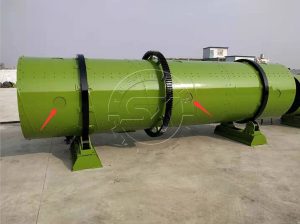
How to Make 2TPH Organic Fertilizer?

Organic fertilizer is a vital component for promoting healthy and sustainable agricultural practices. Unlike chemical fertilizers, organic fertilizers are derived from natural sources and provide numerous benefits to soil health, plant growth, and the environment. In this comprehensive guide, we will delve into the process of making 2TPH (2 tons per hour) of organic fertilizer. Whether you’re a small-scale farmer or a large agricultural operation, producing your own organic fertilizer can be a cost-effective and eco-friendly solution.

Chapter 1: Understanding Organic Fertilizers

Before diving into the production process, it’s essential to understand what organic fertilizers are and why they are beneficial. Organic fertilizers are made from organic materials such as compost, animal manure, biogas residues, and other natural substances. They improve soil structure, enhance nutrient availability, and promote beneficial microbial activity, leading to healthier crops and increased yields.

Chapter 2: Selecting Raw Materials

The first step in making 2TPH of organic fertilizer is selecting the right raw materials. The choice of raw materials depends on factors like availability, nutrient content, and the specific needs of your crops. Common organic materials used in fertilizer production include compost, poultry or livestock manure, crop residues, and green waste. Ensure that these materials are free from contaminants and pathogens.

Chapter 3: Composting

Composting is a crucial process in organic fertilizer production project. It involves the decomposition of organic materials into nutrient-rich humus. To start composting, create piles of your chosen raw materials, ensuring a balanced mix of carbon-rich (browns) and nitrogen-rich (greens) materials. Regular turning and aeration are essential to maintain proper decomposition and prevent odor issues. The composting process can take several months, so patience is key.

Chapter 4: Grinding and Shredding

Once your compost is fully decomposed and matured, it’s time to prepare it for further processing. Grinding and shredding the composted material into smaller particles is essential to ensure even distribution of nutrients in the final fertilizer blend. This step can be achieved using a grinder or shredder machine, depending on the scale of production.

Chapter 5: Mixing and Blending

Achieving a balanced nutrient profile in your organic fertilizer is vital for optimal plant growth. Mixing and blending various composted materials and additives can help achieve this balance. Consider adding supplementary ingredients like rock dust, bone meal, or fish meal to enhance the nutrient content. Use a mechanical mixer to ensure thorough blending of all components.

Chapter 6: Drying and Pelletizing

The next step is to reduce the moisture content of the mixed materials. Excess moisture can lead to clumping and deterioration of the fertilizer during storage. Drying can be accomplished using a rotary dryer or other suitable equipment. Once adequately dried, the material can be pelletized into uniform-sized granules for ease of application and efficient nutrient release. Pan Pellezizer Machine and rotary drum granulator are the best choice for you.

Chapter 7: Quality Control and Testing

Before packaging your organic fertilizer, it’s essential to conduct quality control tests. These tests include checking nutrient content, pH levels, and ensuring that the product is free from contaminants. Regular testing and quality assurance procedures are critical to producing a consistent and effective organic fertilizer.

Chapter 8: Packaging and Storage

Packaging your organic fertilizer in suitable containers is the final step in the production process. Ensure that the packaging materials are durable and can protect the product from moisture and pests. Proper labeling with nutrient content information and application instructions is also essential. Store the packaged fertilizer in a dry, cool, and well-ventilated area to maintain its quality.

Chapter 9: Application and Benefits

Now that you’ve successfully produced 2TPH of organic fertilizer, it’s time to reap the benefits. Organic fertilizer promotes soil health, reduces the risk of nutrient runoff, and enhances crop yields while minimizing the environmental impact. Follow recommended application rates and methods to maximize the positive effects on your crops and soil.

Conclusion

Producing 2TPH of organic fertilizer is a rewarding endeavor that contributes to sustainable agriculture and healthy ecosystems. By following the steps outlined in this guide, you can create high-quality organic fertilizer tailored to your specific agricultural needs. Remember that organic fertilizer production is a continuous process, and ongoing monitoring and adjustment are key to achieving consistent results. SX also can provide you with NPK fertilizer production project if you need.

Что нужно сделать, чтобы купить линию по производству органических удобрений?

Покупка линии для производства органического удобрения может быть сложным и дорогостоящим предприятием, так как оно включает в себя разнообразное оборудование и технологии. Вот несколько шагов, которые вы можете предпринять, чтобы начать процесс:

1. Разработайте бизнес-план: Определите, какого размера и масштаба будет ваше производство органического удобрения. Укажите необходимое оборудование, потребность в сырье, план производства и маркетинговую стратегию.

2. Исследуйте рынок: Проведите исследование рынка, чтобы определить спрос на органические удобрения в вашем регионе. Оцените конкуренцию и потенциальных клиентов.

3. Подготовьте местоположение и разрешения: Найдите подходящее местоположение для производства и убедитесь, что у вас есть все необходимые разрешения и лицензии для запуска бизнеса.

4. Выберите поставщиков оборудования: Исследуйте различных поставщиков оборудования для производства органического удобрения. Обратите внимание на качество оборудования, цены и условия поставки.

5. Подготовьте финансирование: Рассмотрите финансовые аспекты вашего бизнеса, включая расходы на оборудование, сырье, аренду, оплату рабочей силы и маркетинг. Ищите финансирование, если это необходимо.

Внедрение сырья и готовой продукции

6. Приобретите оборудование: После выбора поставщиков и получения финансирования приобретите необходимое оборудование для производства органического удобрения.

7. Начните производство: Установите оборудование и начните производство в соответствии с вашим бизнес-планом.

8. Маркетинг и продажи: Разработайте стратегию маркетинга и продаж, чтобы продвигать свои органические удобрения на рынке и привлекать клиентов.

Помните, что создание бизнеса по производству удобрений требует серьезных инвестиций и хорошего понимания процессов производства и рынка. Также убедитесь, что вы соблюдаете все местные и национальные законы и нормативы, касающиеся производства и продажи удобрений. Если вы хотите узнать больше о линии по производству гранулированных органических удобрений, посетите:https://www.sxmashina.com/organicheskaya-udobreniya-pelletnaya-liniya/

Каковы преимущества использования удобрений, изготовленных из свиного навоза?

Использование удобрений, изготовленных из свиного навоза, может иметь несколько преимуществ, включая:

1. Высокое содержание питательных веществ: Свиный навоз обогащен азотом, фосфором, калием и другими макро- и микроэлементами, необходимыми для роста растений. Эти элементы питания делают его эффективным удобрением для улучшения плодородия почвы.

2. Органическое происхождение: Свиной навоз является органическим материалом, что делает его безопасным для окружающей среды и позволяет улучшить структуру почвы, повысить ее влагоудерживающую способность и биологическую активность.

3. Повышение урожайности: Применение удобрений на основе свиного навоза может значительно повысить урожайность сельскохозяйственных культур, так как они обеспечивают растениями необходимые питательные элементы для оптимального роста.

4. Снижение затрат: Использование свиных навозов как удобрений может снизить затраты на приобретение химических удобрений, что может быть экономически выгодным для фермеров.

гранулы из свиного навоза

5. Уменьшение отходов: Переработка свиного навоза в удобрения позволяет снизить количество отходов и снизить негативное воздействие на окружающую среду, так как уменьшается необходимость в его вывозе и утилизации.

6. Улучшение структуры почвы: Органический материал свиного навоза способствует улучшению структуры почвы, делая ее более рыхлой и обеспечивая лучшую циркуляцию воздуха и воды.

Однако при использовании свиного навоза как удобрения следует учитывать некоторые аспекты, такие как обработка и хранение навоза, чтобы предотвратить распространение болезней и негативное воздействие на окружающую среду. Также важно следить за дозировкой, чтобы избежать избыточного внесения питательных веществ, что может быть вредным для почвы и окружающей среды. Чтобы узнать больше о свином навозе как удобрении, посетите: https://www.sxmashina.com/svinoy-navoz-kak-udobrenie/

How Many Types of Granulators for you Can Make Fertilizer?

Fertilizer plays a vital role in modern agriculture, ensuring that crops receive the essential nutrients they need for optimal growth. However, raw fertilizers are often in a form that is not easily absorbed by plants. To address this issue, fertilizer granulation processes are employed to convert raw materials into granules, making them easier to handle, transport, and apply to crops. There are various types of granulators available for fertilizer production, each with its own advantages and applications. In this article, we will explore how many types of granulators you can use to make fertilizer, highlighting the key characteristics of each.

  1. Rotary Drum Granulator

The drum pelletizer machine is one of the most commonly used granulation methods in fertilizer production. It consists of a large rotating drum that tumbles the raw materials, promoting agglomeration and granule formation. This type of granulator is suitable for a wide range of raw materials, including urea, ammonium sulfate, and phosphates. It produces spherical granules with consistent size and is known for its high production capacity.

rotary drum granulation machine
  1. Disc Granulator

Disc granulators, also known as pan granulators, utilize a rotating disc to agglomerate and shape the raw materials into granules. These granulators are versatile and can handle various fertilizer formulations, including organic and inorganic materials. They are especially well-suited for producing round, uniform granules ideal for slow-release and controlled-release fertilizers.

dic pelletizer from SX
  1. Double Roller Press Granulator

The double roller press granulator, as the name suggests, uses two counter-rotating rollers to compact and shape the fertilizer materials into granules. It is particularly effective for producing compound fertilizers, where multiple nutrients are combined into a single granule. This type of granulator is valued for its ability to control the size and hardness of the granules, making it suitable for customized fertilizer formulations.

double roller granualtor for granular fertilizer
  1. Flat Die Extrusion Granulator

Flat die extrusion granulators work by forcing the raw materials through a flat die with specially designed holes. This process results in cylindrical or strip-shaped granules. These granulators are often used for organic fertilizer production, as they can handle materials with high fiber content. They are also known for their low energy consumption and ease of operation.

flat die granulation from SX
  1. New Type Organic Fertilizer Granulator

New type organic fertilizer granulators are designed specifically for organic fertilizer production. They utilize a wet granulation process that involves mixing the organic materials with a binder solution to form granules. These granulators can produce high-quality organic fertilizer granules with improved nutrient content and enhanced soil benefits. They are also capable of handling a wide range of organic materials, including crop residues and animal manure.

new type stirring machine to make organic fertilizer
  1. Stirring Tooth Granulator

Stirring tooth granulators are particularly suitable for the production of compound fertilizers with high nitrogen content. They feature a unique stirring tooth design that helps mix and granulate the materials effectively. These granulators can produce granules with a high nitrogen content, making them suitable for crops with high nitrogen requirements, such as corn and wheat.

rotary drum churning pelletizer production line

Conclusion

Fertilizer granulation is a crucial step in the fertilizer production process, as it transforms raw materials into a more convenient and effective form for agricultural use. The choice of granulator depends on the specific requirements of the fertilizer formulation, the raw materials available, and the desired granule characteristics. Whether you opt for a rotary drum granulator, disc granulator, double roller press granulator, flat die extrusion granulator, new type organic fertilizer granulator, or stirring tooth granulator, each type has its unique advantages and applications. Understanding the different types of granulators and their capabilities is essential for optimizing fertilizer production and meeting the nutritional needs of crops worldwide.

Tips For Best Organic Fertilizer Making Machine Purchasing

Purchasing the best organic fertilizer making machine for your business is crucial to ensure efficient production of high-quality organic fertilizer. Here are some tips to consider when buying such a machine:

Identify Your Needs and Scale:

Determine the scale of production you need. Are you a small-scale or large-scale producer? Knowing your production capacity requirements will help you choose the right organic fertilizer machine size and capacity.

Research Machine Types:

Understand the different types of organic fertilizer making machines available, such as compost turners, granulators, mixers, and pelletizers. Each serves a specific purpose in the production process.

Equipment commonly used in organic fertilizer production

Quality and Durability:

Invest in a high-quality organic waste fertilizer making machine that is durable and built to last. Look for machines made from robust materials(such as carbon steel , stainless steel, etc) and components that can withstand the rigors of continuous use.

Ease of Use and Maintenance:

Consider machines that are user-friendly and easy to operate. Maintenance should also be straightforward, with accessible parts and clear instructions.

Efficiency and Productivity:

Look for machines that can process organic waste into fertilizer efficiently and have a high production output. Efficiency can significantly impact your operational costs.

Customization Options:

Determine if the machine can be customized to meet your specific needs and the type of organic fertilizer you plan to produce. Different organic materials may require different processing methods. Click here to learn more

Customized plan for large scale organic fertilizer production

Energy Efficiency:

Choose machines that are energy-efficient to minimize operational costs and reduce environmental impact.

Supplier Reputation:

Research and choose a reputable organic fertilizer equipment supplier or manufacturer known for producing reliable and high-quality organic fertilizer making machines. Read customer reviews and ask for references if necessary.

Warranty and Support:

Ensure that the machine comes with a warranty and that the manufacturer or supplier offers reliable after-sales support, including spare parts availability and technical assistance.

Safety Features:

Prioritize machines with safety features to protect operators from accidents. This includes emergency stop buttons, safety guards, and clear safety instructions.

Cost Considerations:

While cost of fertilizer production is an important factor, prioritize quality and suitability over the lowest price. A cheaper machine may require more maintenance and repairs, ultimately costing you more in the long run.

Local Regulations and Standards:

Make sure the machine complies with local regulations and safety standards for equipment used in your industry.

Testing and Trials:

If possible, request a machine trial or demonstration to assess its performance and suitability for your needs before making a purchase.

Long-Term Planning:

Consider your long-term business plans and whether the machine can accommodate potential future expansions or changes in production processes.

Environmental Impact:

If environmental sustainability is a concern, consider machines that have low emissions and use eco-friendly technologies.

Before finalizing your purchase, compare multiple options, obtain quotes, and thoroughly evaluate each machine’s features and capabilities. Don’t hesitate to consult with experts or seek advice from others in the organic fertilizer production industry to make an informed decision. On https://fertilizerequipmentmanufacturer.com/organic-fertilizer-production-equipment/, there are helpful information for your reference.

La producción de fertilizantes orgánicos en gran escala

La producción de fertilizantes orgánicos en gran escala es un proceso vital en la industria de la agricultura, ya que facilita la producción de  alimentos ecológicos de alta calidad. Sin embargo, su implementación supone retos significativos, como el aseguramiento de un suministro estable de materias primas, la elección de un proveedor de equipos confiable, el embalaje y almacenamiento adecuado, y el manejo de los costos de construcción.

Primero, asegurar un suministro estable de materias primas es crucial para la producción de fertilizantes orgánicos a gran escala. Para ello, es esencial establecer relaciones sólidas y a largo plazo con proveedores confiables. También es recomendable diversificar las fuentes de suministro a través de múltiples canales para mitigar el riesgo de interrupción en el suministro.

En segundo lugar, la elección de los equipos apropiados es vital para la eficiencia de la producción. Para la producción de fertilizantes orgánicos a gran escala, se pueden considerar equipos como el separador de líquidos y sólidos, el volteador de compost, la máquina de trituración, el sistema de dosificación automática, el mezclador horizontal de doble eje, el granulador de tambor rotatorio, la máquina de secado y enfriamiento de tambor rotatorio, la máquina de cribado rotatoria, la máquina de recubrimiento rotativo, y la báscula de embalaje automática de doble cubo.

La producción a gran escala de fertilizantes orgánicos granulados

Al seleccionar estos equipos, se deben tener en cuenta factores como la capacidad de producción, la eficiencia energética, la automatización del proceso y la durabilidad de los equipos. Además, es importante que los equipos se adapten bien a las condiciones específicas de la producción, como el contenido de humedad de las materias primas y los requisitos de contenido de humedad para los fertilizantes orgánicos.

En tercer lugar, el embalaje y almacenamiento del producto final es un aspecto crucial en la línea de producción. Un adecuado embalaje facilita el transporte y almacenamiento de los fertilizantes, y también permite su venta a diferentes clientes de manera más específica.

Finalmente, la planificación de los costos de construcción es esencial para el éxito del proyecto. Según las estimaciones, la línea de producción de granulación de fertilizantes orgánicos a gran escala, con una capacidad de 10-20t/h, puede costar entre 360,000 y 550,000 dólares estadounidenses. Por lo tanto, es importante discutir y negociar en detalle con los proveedores y los profesionales relevantes para obtener una estimación precisa de los costos.

En conclusión, la implementación exitosa de una línea de producción de granulación de fertilizantes orgánicos a gran escala requiere una planificación cuidadosa, la elección de equipos adecuados y la gestión eficiente de los costos. Con la correcta implementación de estos aspectos, es posible producir fertilizantes orgánicos de alta calidad a gran escala, beneficiando a la industria agrícola y, en última instancia, a los consumidores de alimentos.

Почему для производства таблеток стоит выбрать роликовый гранулятор?

Выбор между различными методами для производства таблеток зависит от многих факторов, включая тип активного вещества, требования к качеству таблеток, производительность, бюджет и другие технические и экономические аспекты. Роликовый гранулятор – это один из методов гранулирования, который может быть предпочтительным для определенных случаев. Вот несколько причин, почему выбор роликового гранулятора может быть обоснованным:

1. Управляемость процесса: Роликовые грануляторы позволяют более точно контролировать процесс гранулирования и получать равномерные гранулы. Это особенно важно, если требуется соблюдение узких спецификаций к размеру, форме и плотности гранул.

2. Минимизация пыли и образования агломератов: Роликовые грануляторы обеспечивают более низкий уровень образования пыли и агломератов по сравнению с некоторыми другими методами гранулирования. Это может быть критичным, если работа с определенными веществами требует соблюдения стандартов безопасности и качества.

3. Сохранение свойств активного вещества: Роликовые грануляторы могут обрабатывать активные вещества, которые более чувствительны к теплу и механическому воздействию, сохраняя их свойства. Это важно для таблеток, содержащих легко разрушающиеся или термически нестабильные компоненты.

Частичный вид роликовового гранулятора

4. Эффективное смешивание и гранулирование: Роликовые грануляторы обеспечивают хорошее смешивание и равномерное распределение компонентов, что может быть важно для обеспечения однородности и стабильности качества таблеток.

5. Высокая производительность: Роликовые грануляторы могут обеспечивать высокую производительность, что позволяет эффективно масштабировать производство и сократить затраты на рабочую силу и время.

Однако следует помнить, что каждый метод гранулирования имеет свои преимущества и ограничения. Перед выбором роликового гранулятора (или любого другого метода) рекомендуется провести тщательное исследование, анализировать требования к производству и провести пробные тесты, чтобы убедиться в его подходящем соответствии вашим потребностям. Мы очень профессиональная компания, которая тщательно производит для вас высококачественное оборудование для грануляции. Более подробную информацию о роликовом грануляторе можно найти на сайте: https://www.sxmashina.com/rolikovyy-granulyator/.

Tips for Poultry Manure Fertilizer Making

Poultry manure is a valuable organic resource that can be transformed into nutrient-rich fertilizer for improving soil fertility and promoting plant growth. The process of converting poultry manure into fertilizer requires careful attention and proper techniques to ensure its effectiveness and minimize environmental impacts. Here are some essential tips for poultry manure fertilizer making:

1. Proper Collection and Storage of Manure:

Effective poultry manure fertilizer production begins with proper collection and storage of the manure. It’s crucial to have well-designed poultry housing and waste management systems to prevent contamination and maintain the quality of the manure. Regular cleaning of the poultry facilities and proper segregation of manure from bedding materials contribute to a higher-quality end product.

2. Composting for Pathogen Reduction:

Composting is an essential step in poultry manure fertilizer production as it helps reduce pathogens, weed seeds, and odors. Combine the manure with carbon-rich materials like straw, leaves, or wood chips to create a balanced carbon-to-nitrogen ratio. Turn the compost regularly to ensure proper aeration and decomposition. The composting process generates heat that helps eliminate harmful microorganisms.

3. Monitoring Temperature and Moisture:

During composting, monitoring temperature and moisture levels is crucial. The ideal temperature range for composting poultry manure is between 130°F and 150°F (54°C to 65°C). Use a compost thermometer to track the temperature and adjust the moisture content to around 40-60%. Proper moisture and temperature control accelerate the breakdown of organic matter and facilitate the development of nutrient-rich compost.

4. Ensuring Nutrient Balance:

To create a balanced poultry manure fertilizer, it’s essential to consider the nutrient composition. Poultry manure is rich in nitrogen, phosphorus, and potassium, but its nutrient content can vary based on factors such as bird diet and manure age. Conduct regular soil tests to determine the nutrient needs of your crops and adjust the manure application rates accordingly to avoid overloading the soil with certain nutrients.

5. Compost Curing and Maturation:

After the active composting phase, allow the poultry manure compost to cure and mature. This process further stabilizes the compost and reduces the risk of nutrient loss when applied to the soil. Curing usually takes a few weeks to several months, depending on local climate conditions. Turn the compost periodically during this phase to promote even maturation.

6. Granulation for Easy Application:

Granulating the composted poultry manure can make it easier to handle and apply. Granulation involves forming the compost into small, uniform pellets or granules. This not only enhances the nutrient distribution but also improves the convenience of application using machinery such as spreaders. The granules release nutrients slowly, promoting consistent plant growth over time. For this, you can choose SX disc pelletizer and rotary drum pelletizer machine.

7. Testing Fertilizer Quality:

Before applying the poultry manure fertilizer to your crops, it’s advisable to test its quality. Analyze the nutrient content of the fertilizer to ensure it meets the specific requirements of your plants. You can send samples to a reputable agricultural laboratory for comprehensive nutrient analysis. Adjust the application rates based on the lab results to achieve optimal plant nutrition.

8. Application Techniques:

When applying poultry manure fertilizer, adopt appropriate techniques to minimize nutrient runoff and maximize uptake by plants. Incorporate the fertilizer into the soil during planting or use top-dressing methods for established crops. Avoid direct contact with plant foliage to prevent burning and nutrient imbalances. Click here to learn more

9. Environmental Considerations:

While poultry manure fertilizer can greatly enhance soil fertility, its application should be carried out with environmental responsibility. Avoid over-application to prevent nutrient leaching into water bodies, which can lead to water pollution. Adhere to local regulations and guidelines for proper manure management to protect ecosystems and water quality.

10. Continuous Learning and Improvement:

Poultry manure fertilizer production is a dynamic process that can benefit from ongoing learning and improvement. Stay updated with the latest research and best practices in organic farming and nutrient management. Experiment with different composting techniques, application rates, and crop rotations to optimize the use of poultry manure as a valuable resource for sustainable agriculture.

In conclusion, poultry manure fertilizer making is a multi-step process that involves careful handling, composting, nutrient balancing, and responsible application. By following these tips, farmers and gardeners can effectively harness the potential of poultry manure to enhance soil health, increase crop yields, and contribute to a more sustainable agricultural system. If you need poultry manure composting, you can visit https://www.fertilizerproductionproject.com/poultry-waste-composting/.