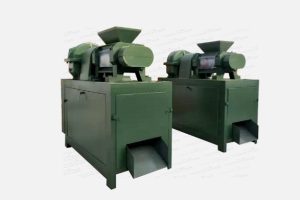
The 5-Ton Per Hour Carbon-Based Fertilizer Double Roller Granulator

In the world of organic fertilizer production, efficiency and quality are paramount. For businesses looking to produce high-quality carbon-based fertilizer, the 5-ton per hour double roller granulator offers an excellent solution. This advanced piece of machinery not only maximizes productivity but also ensures that the end product meets the highest standards of quality. Let’s explore the features, benefits, and applications of this remarkable granulator. If you want to learn more about 5 TPH double roller granulator, you can view our website:https://www.charbasedfertilizermachine.com/product/10-pth-biochar-fertilizer-double-roller-granulation-line/

Key Features

High Production Capacity:

As the name suggests, this granulator is capable of producing up to 5 tons of carbon-based fertilizer per hour of production line. This high throughput makes it ideal for large-scale production facilities looking to meet significant demand.

Advanced Roller Technology:

The double roller system ensures that the granulation process is both efficient and consistent. The rollers compress the raw materials into uniform granules, which enhances the quality of the fertilizer.

Durable Construction:

Built with high-quality materials, this granulator is designed for longevity and durability. It can withstand the rigors of continuous operation, ensuring reliable performance over time.

Energy Efficiency:

Despite its high output, the granulator is designed to be energy efficient. This not only helps in reducing operational costs but also supports sustainable production practices.

Easy Maintenance:

The design of the machine allows for easy access to its components, making maintenance straightforward and minimizing downtime.

Benefits

Consistent Quality: The 5 per hour ton of biochar double roller granulator making line ensures that each granule of fertilizer is uniform in size and composition. This consistency is crucial for the effective application of the fertilizer, leading to better crop yields.

Cost-Effective Production:

By optimizing the granulation process, the 5-ton per hour carbon-based fertilizer granulator production line reduces waste and increases the efficiency of raw material usage. This translates to lower production costs and higher profit margins.

Versatility:

This granulator can process a wide range of carbon-based raw materials, making it suitable for various types of organic fertilizer production. Whether you’re using crop residues, animal manure, or other organic waste, this machine can handle it.

Environmental Sustainability:

Producing high-quality carbon-based fertilizer contributes to soil health and reduces the need for chemical fertilizers. This promotes sustainable agriculture and helps in maintaining ecological balance.

Applications

The 5-ton per hour carbon-based fertilizer double roller granulator producing line is widely used in the agricultural sector, particularly in:

Large-Scale Farms:

For farms that require substantial amounts of fertilizer, this granulator ensures a steady supply of high-quality product.

Commercial Fertilizer Production Plants:

Companies specializing in the production and sale of organic fertilizers can greatly benefit from the high capacity and efficiency of this machine.

Environmental Projects:

Projects aimed at recycling organic waste and converting it into useful fertilizer find this granulator an invaluable asset.

Conclusion

Investing in a 5-ton per hour carbon-based fertilizer double roller granulator is a smart decision for any business looking to enhance its production capabilities and produce top-notch organic fertilizer. With its high efficiency, durability, and ability to produce consistent quality granules, this granulator stands out as a vital tool in the field of organic fertilizer production. Embrace the future of sustainable agriculture with this advanced granulation technology.
Understanding the Double Roller Granulator: A Key Tool in Fertilizer Production

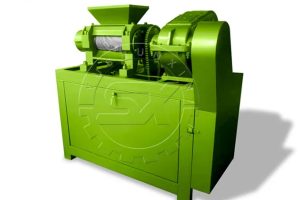
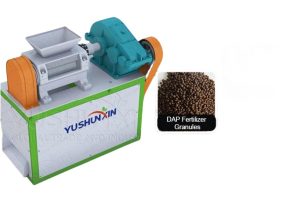
The double roller granulator is an essential piece of equipment in the fertilizer manufacturing industry. Known for its efficiency and versatility, this machine plays a critical role in converting raw materials into high-quality granulated fertilizer. In this blog, we will delve into the features, working principles, and advantages of the double roller granulator, highlighting why it is a preferred choice for many manufacturers. you can click here to view more.

double roller extrusion for biochar

Key Features of the Double Roller Granulator

  1. High Efficiency: A double roller granulator machine is engineered for high efficiency, ensuring a fast and consistent granulation process. Its ability to handle a wide range of raw materials makes it ideal for large-scale production operations.
  2. Versatility: This biochar double roller granulator can process both organic and inorganic fertilizers. It excels in handling materials that are challenging to granulate using other methods. This versatility makes it a popular choice across various segments of the fertilizer industry.
  3. Energy Saving: One of the standout features of the double roller granulator equipment is its low energy consumption. By utilizing mechanical pressure to form granules, it avoids the high energy demands of thermal processes used in other granulation methods.
  4. Compact Structure: The machine’s compact design simplifies installation and operation. Its structure ensures smooth functioning with minimal maintenance requirements, reducing downtime and operational costs.
  5. Uniform Granule Size: The granulator produces uniform granules with a smooth surface, enhancing the quality of the fertilizer. This uniformity ensures even distribution when applied to soil, improving the fertilizer’s effectiveness.

    double roller equipment for biochar fertilizer

How the Double Roller Granulator Works

The biochar double roller granulator operates by compressing raw materials between two rollers that rotate in opposite directions. These rollers are equipped with molds that shape the material into granules. Here’s a step-by-step breakdown of the process:

  1. Feeding: Raw materials are fed into the machine’s hopper.
  2. Compression: As the rollers rotate, they apply pressure to the material, compressing it into the mold cavities on the roller surfaces.
  3. Granulation: The material is shaped into granules as it passes through the molds. The pressure ensures the granules are compact and uniform.
  4. Discharge: The finished granules are discharged from the machine and can be collected for further processing or packaging.

Advantages of Using a Double Roller Granulator

  1. Cost-Effective Production: The double roller granulator  equipment is cost-effective both in terms of initial investment and operational costs. Its high efficiency and low energy consumption contribute to lower overall production costs, making it an economical choice for manufacturers.
  2. Enhanced Product Quality: The machine produces high-quality granules with uniform size and shape, which are essential for consistent fertilizer application. This uniformity leads to better crop yields and more efficient use of the fertilizer.
  3. Environmental Benefits: By utilizing mechanical pressure rather than heat, the double roller granulator reduces energy consumption and emissions. This makes it a more environmentally friendly option compared to other granulation methods.
  4. Easy Maintenance: The robust design of the double roller granulator ensures long-term reliability with minimal maintenance. This reduces downtime and helps maintain consistent production levels.

    double roller extrusion for carbon-based fertilizer

Conclusion

The double roller granulator is a vital tool in the fertilizer production industry, offering numerous benefits in terms of efficiency, versatility, and product quality. Its ability to handle various raw materials, coupled with its cost-effectiveness and environmental advantages, makes it a preferred choice for many manufacturers. By understanding its features and working principles, producers can better appreciate the value this equipment brings to their operations, leading to improved productivity and profitability. In the end, if you want to learn more, you can visit my website:https://www.charbasedfertilizermachine.com/product/double-roller-extrusion-granulator/

How to produce biochar organic fertelizer powder?

Producing chicken manure and biochar as  fertilizer  involves several steps, combining the creation of biochar and the integration of organic nutrients. Here’s a detailed process, and if you have any question, you can click here to know that.

1. Producing Biochar

Materials Needed:

  • Biomass (wood chips, agricultural waste, nutshells, etc.)
  • Pyrolysis unit or kiln

Steps:

    1. Collect Biomass: Gather biomass material such as wood chips, agricultural waste, or nutshells.
    2. Dry Biomass: Ensure the biomass is dry to facilitate efficient pyrolysis.
    3. Pyrolysis Process:
      • Load the biomass into a pyrolysis unit or kiln.
      • Heat the biomass in the absence of oxygen to temperatures between 400-700°C.
      • This process converts the biomass into biochar, releasing volatile gases and leaving behind carbon-rich biochar.
    4. Cool and Collect: Allow the biochar to cool before collecting it for further processing.

2. Preparing Organic Fertilizer

Materials Needed:

  • chicken dung

Steps:

  1. Collect Organic Waste: Gather compost or chicken dung materials .
  2. Composting:
    • Pile the organic waste in a composting area.
    • Maintain appropriate moisture levels and turn the pile regularly to ensure aerobic decomposition.
    • Optionally, add microbial inoculants to speed up the composting process.
  3. Mature Compost: Allow the compost to mature for several weeks to months until it is fully decomposed and rich in nutrients. If you prepare well, then you can make chicken dung and biochar for fertilizer.

3. Combining Biochar and Organic Fertilizer

Materials Needed:

  • Biochar
  • Mature compost or organic fertilizer

Steps:

  1. Grind Biochar: Crush the biochar into a fine powder using a grinder or milling machine.
  2. Mixing: Combine the powdered biochar with mature compost or organic fertilizer in a desired ratio. A common ratio is 10-20% biochar to 80-90% organic compost by volume.
  3. Blending: Thoroughly mix the biochar and organic fertilizer to ensure an even distribution. When you’re done blending, then your simple chicken dung and biochar as fertilizer is well.

4. Final Processing and Packaging

Steps:

  1. Screening: Use a sieve or screen to ensure the mixture is uniformly fine.
  2. Drying: If necessary, dry the mixture to reduce moisture content, making it suitable for storage and application.
  3. Packaging: Package the biochar organic fertilizer powder in bags or containers for distribution and use.

Key Considerations:

  • Quality of Biomass: The type and quality of biomass used can affect the properties of the resulting biochar.
  • Composting Conditions: Proper composting conditions (temperature, moisture, aeration) are crucial for producing high-quality organic fertilizer.
  • Biochar Activation: In some cases, activating the biochar by inoculating it with beneficial microbes or soaking it in nutrient-rich solutions can enhance its effectiveness for chicken dung and charcoal as a fertilizer.

By following these steps, you can produce biochar organic fertilizer powder that combines the benefits of biochar’s soil-enhancing properties with the nutrient content of organic compost. In the end, if you wan to search more information, you can visit my website:https://www.charbasedfertilizermachine.com/product/chicken-dung-and-biochar-as-fertilizer/

10t/h Biochar Double Roller Extrusion Pelletizer Introduction

Introduction

Biochar production has become increasingly important in sustainable agriculture, offering significant benefits such as improved soil health, enhanced crop yields, and carbon sequestration.  One such innovation is the 10t/h Biochar Double Roller Extrusion Pelletizer, a machine designed to optimize biochar production and pelletization. This case study explores the features, benefits, and impact of the 10t/h Biochar Double Roller Extrusion Pelletizer . If you want to know more about carbon based fertilizer roller granulator, you can come to my site:https://www.charbasedfertilizermachine.com/product/double-roller-extrusion-granulator/

The 2t/h Biochar Double Roller Extrusion Pelletizer

The 10t/h Biochar Double Roller Extrusion Pelletizer is a state-of-the-art machine designed to convert biochar powder into uniform pellets. This pelletizer offers several key features:

  • High Capacity: Capable of producing 10 tons of biochar pellets per hour, making it suitable for large-scale farming operations.
  • Efficiency: Utilizes a double roller extrusion mechanism to ensure high pellet quality and consistency.
  • Energy Efficiency: Designed to minimize energy consumption while maximizing output.
  • Ease of Use: Features an intuitive interface and robust construction for easy operation and maintenance.

Benefits and Impact

Agricultural Productivity

The primary benefit of the 10t/h Biochar Double Roller Press Granulator is the significant increase in agricultural productivity. Farmers using biochar pellets have experienced:

  • Enhanced soil fertility and structure.
  • Increased water retention and reduced irrigation needs.
  • Improved crop yields and quality.

Economic Growth

The biochar double roller granulator has also contributed to the economic growth of the region. By boosting agricultural productivity, farmers have achieved higher incomes and improved livelihoods. This economic upliftment has had a ripple effect on the local economy, creating new opportunities and fostering community development.

Sustainability

The environmental benefits of biochar production and use are substantial. The pelletizer’s role in reducing carbon emissions and improving soil health aligns with global sustainability goals. This sustainable approach to agriculture is crucial for the long-term prosperity of Kenya’s farming sector.

Conclusion

The 10t/h Biochar Double Roller Extrusion Pelletizer has proven to be a transformative technology for Kenya’s agricultural landscape. By enhancing soil fertility, boosting crop yields, and promoting environmental sustainability, this pelletizer has delivered significant benefits to farmers and the broader community. As Kenya continues to embrace advanced agricultural technologies, the 2t/h Biochar Double Roller Extrusion Pelletizer stands as a testament to the power of innovation in driving sustainable development.

Future Prospects

Looking ahead, there is great potential for the expansion of biochar technology in the world. Continued investment in training, infrastructure, and research will further enhance the impact of biochar pelletization. By scaling up the use of machines like the 10t/h Biochar Double Roller Extrusion Pelletizer, Kenya can achieve greater agricultural productivity and sustainability, setting a positive example for other regions to follow.  If you want more detailed information, you can visit my website.

Chicken dung and biochar as fertilizer

Introduction:

Chicken manure, often viewed as waste, holds immense potential as a valuable resource in making biochar fertilizer. By harnessing the power of carbonization, we can transform this abundant waste into a nutrient-rich fertilizer. In this blog, we will explore two common processes and equipment for making carbon fertilizer from chicken manure, catering to both those who need to produce carbon from scratch and those who already have access to carbon material.


Carbonization Process:

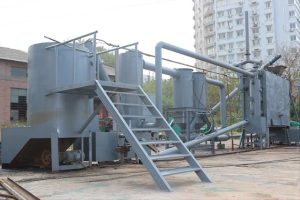
For those without access to carbon material, the first step involves the carbonization of organic materials such as coconut shells,  straw or chicken dung using a continuous carbonization furnace. This furnace operates on the principle of thermal decomposition, converting organic matter into carbon. With a capacity of about 500kg/h, materials containing less than 10% per ton can yield approximately 280kg-310kg of final carbon products.

carbonization furnace catch

Adding Carbon Powder:

Alternatively, if the customer already possesses carbon material, the process becomes simpler. Carbon powder is added to the chicken manure, creating a carbon-based fertilizer. This method skips the carbonization step and directly incorporates carbon into the mixture. That’s why you need an efficient blender. We recommend a double shaft mixer.

Common Processes:

Both approaches follow a series of common steps to convert chicken manure into carbon-based fertilizer:

Composting:

Chicken manure and biochar fertilizer’s making need to undergoes a composting process to break down organic matter and eliminate pathogens. So you need a composter, we recommend our self-propelled tumbler. You can click our web to get more information abut how to compost : https://www.charbasedfertilizermachine.com/2024/03/30/biochar-making-process/

Mixing:

Carbon material, whether freshly carbonized or in powder form, is thoroughly mixed with the composted chicken manure. This ensures uniform distribution of nutrients.

Crushing:

The making of chicken dung and biochar fertilizer may undergo crushing to achieve a finer consistency, facilitating subsequent processing. So we recommend the new-type organic fertilizer crusher.

Granulating:

The crushed mixture is formed into granules, enhancing its usability and ease of application in the field. That’s why we recommend disc pelletizer.

Screening:

Carbon-based fertilizer granules from chicken manure  are screened to remove any oversized or undersized particles, ensuring product consistency.

Packaging:

The final fertilizer product is packaged into appropriate containers for distribution and use by farmers. Our company has palletizers and packaging machines, both of which save time and increase efficiency.

carbonization furnace

How to compost quickly:

To compost quickly, focus on optimizing temperature, humidity, and ventilation. Maintain a temperature range of 45°C to 60°C, with humidity controlled at 55% to 60%. Adequate ventilation is crucial for supplying oxygen to microorganisms and promoting decomposition. Turn the compost regularly to aerate it and distribute heat evenly. By ensuring these conditions, you accelerate the composting process, yielding nutrient-rich fertilizer in a shorter time frame. Composting not only efficiently recycles organic waste but also produces a sustainable fertilizer rich in essential nutrients, promoting healthier soil and plants while reducing environmental impact.  If you need to compost tips, you can click here to learn more.

What are the advantages of our equipment

Environmental Sustainability:

Our equipment utilizes advanced carbonization technology to convert organic waste, such as chicken manure, into high-quality charcoal-based fertilizer. This process not only reduces environmental pollution from organic waste but also promotes a circular economy by efficiently utilizing resources.

Efficient Production:

With high production capacity, our equipment swiftly transforms organic waste into fertilizer. The continuous operation of our carbonization furnace ensures consistent production rates, processing approximately 500 kilograms of raw material per hour.

Cost-Effectiveness:

Compared to traditional fertilizer production methods, charcoal-based fertilizer production offers energy and cost savings. Additionally, our equipment facilitates the conversion of waste into valuable products, reducing waste management costs.