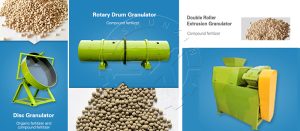
How to Make Biochar Fertilizer

How to Make Biochar Fertilizer

In the quest for sustainable agricultural practices, biochar has emerged as a promising solution. Derived from the ancient art of pyrolysis, biochar is a highly porous form of charcoal renowned for its ability to enhance soil fertility and carbon sequestration. Now, we could make charcoal-based fertilizer from biochar.

What is Biochar:

Biochar is essentially charcoal produced through the pyrolysis of organic materials such as wood chips, crop residues, or agricultural waste. This process involves heating biomass in the absence of oxygen, resulting in a stable carbon-rich material with a highly porous structure.

The Benefits of Biochar Fertilizer:

Biochar’s remarkable properties extend beyond soil conditioning; it can serve as an excellent substrate for nutrient-rich fertilizer blends. By combining biochar with organic matter and essential nutrients, we can create a potent fertilizer that not only improves soil structure but also enhances nutrient retention and promotes microbial activity.
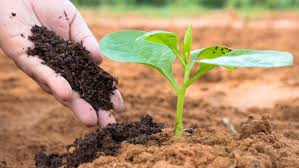
Biochar fertilizer
Biochar fertilizer

Making Biochar Fertilizer:

Making bio-based fertilizer from biochar, which is a relatively straightforward process that can be done with minimal equipment. Here’s a simple DIY recipe to get you started:

Selecting the Right Biochar:

Begin by sourcing high-quality biochar from reputable suppliers or by making your own through the pyrolysis of organic materials. Ensure that the biochar is finely ground and free from contaminants.

Blending with Nutrient-Rich Additives:

Next, combine the biochar with nutrient-rich additives such as nitrogen, phosphorus and potassium. This will not only enrich the biochar with essential nutrients but also improve its efficacy as a fertilizer.

Activating Biochar:

To enhance its effectiveness, consider activating the biochar by soaking it in nutrient solutions or inoculating it with beneficial microbes. This process primes the biochar for optimal nutrient absorption and soil conditioning. Finally, you can click https://www.charbasedfertilizermachine.com/product/make-bio-fertilizer-from-biochar/ to more details.

Application Methods:

Finally, apply the biochar fertilizer to your soil using various methods such as mixing it into the soil before planting, top-dressing existing plants, or brewing biochar compost tea. Experiment with different application rates and techniques to determine what works best for your specific needs.
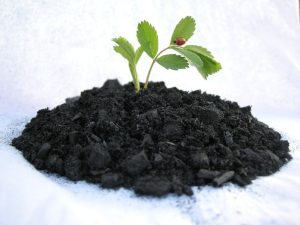
biochar fertilizer
biochar fertilizer

The Benefits of Biochar Fertilizer:

As we embrace the potential of biochar fertilizer, we embark on a journey towards sustainable agriculture and environmental stewardship. By harnessing the power of biochar to enrich our soils and nourish our crops, we not only improve agricultural productivity but also mitigate climate change by sequestering carbon in the soil.

In the realm of sustainable agriculture, making char-based fertilizer from biochar, which stands out as a beacon of hope and innovation. By harnessing the transformative power of biochar, we can cultivate healthier soils, bountiful harvests, and a more resilient food system for generations to come. Join the movement and unlock the potential of biochar fertilizer in your own garden or farm today. Together, we can cultivate a greener, more prosperous future for our planet and all who inhabit it.

In the hands of farmers and gardeners alike, biochar fertilizer holds the key to unlocking the full potential of our soils and ushering in a new era of sustainable agriculture. You can click here to more information.


A Powerful Combination for Sustainable Farming

Introduction:

The world of agriculture, sustainable practices are becoming increasingly important. Farmers are seeking natural alternatives to synthetic fertilizers that can enhance soil health, improve crop yields, and reduce environmental impact. Two such alternatives gaining popularity are chicken dung and biochar as fertilizer, both of which offer unique benefits when used as fertilizers. So that if you are interested in making fertilizer use chicken dung and biochar, you can click here.


The Benefits of Chicken Dung:

Chicken dung, or chicken manure, is a rich source of nutrients essential for plant growth. It contains high levels of nitrogen, phosphorus, and potassium, as well as other micronutrients. When properly composted, chicken dung can improve soil structure, increase water retention, and enhance microbial activity in the soil. So chicken manure and biochar as fertilizer has many benefits. These benefits translate to healthier plants and higher crop yields.

The Role of Biochar:

Biochar is a important materials in producing chicken manure and biochar as fertilizer. form of charcoal produced by heating organic materials, such as wood chips, crop residues, or animal manure, at high temperatures in a low-oxygen environment. This process, known as pyrolysis, creates a stable carbon-rich material that can improve soil fertility and structure. Biochar acts as a sponge, absorbing and holding onto nutrients and water in the soil, making them more available to plants over time. Additionally, biochar can help mitigate climate change by sequestering carbon in the soil for hundreds or even thousands of years.


Combining Chicken Dung and Biochar:

When chicken dung and biochar are combined as f ertilizer, they create a powerful fertilizer blend that offers the best of both worlds. The nutrients in chicken dung provide immediate benefits to plants, while the biochar improves soil health and fertility over the long term. The biochar also helps to neutralize the acidity of the dung, making it more suitable for a wider range of crops.

Benefits of Using Chicken Dung and Biochar as Fertilizers:

  • Improved soil health: Chicken dung and biochar both contribute to improved soil structure, increased water retention, and enhanced microbial activity, leading to healthier soils and plants.
  • Increased crop yields: The nutrients in chicken dung and the soil-enhancing properties of biochar can lead to higher crop yields and better-quality produce.
  • Reduced environmental impact: By using natural fertilizers like chicken dung and biochar, farmers can reduce their reliance on synthetic fertilizers, which can leach into waterways and harm the environment.

Conclusion:

Chicken dung and biochar are two natural fertilizers that offer numerous benefits for farmers looking to improve soil health and increase crop yields sustainably. By harnessing the power of nature, farmers can reduce their environmental impact while still producing healthy, high-quality crops.

How to produce biochar organic fertelizer powder?

Producing chicken manure and biochar as  fertilizer  involves several steps, combining the creation of biochar and the integration of organic nutrients. Here’s a detailed process, and if you have any question, you can click here to know that.

1. Producing Biochar

Materials Needed:

  • Biomass (wood chips, agricultural waste, nutshells, etc.)
  • Pyrolysis unit or kiln

Steps:

    1. Collect Biomass: Gather biomass material such as wood chips, agricultural waste, or nutshells.
    2. Dry Biomass: Ensure the biomass is dry to facilitate efficient pyrolysis.
    3. Pyrolysis Process:
      • Load the biomass into a pyrolysis unit or kiln.
      • Heat the biomass in the absence of oxygen to temperatures between 400-700°C.
      • This process converts the biomass into biochar, releasing volatile gases and leaving behind carbon-rich biochar.
    4. Cool and Collect: Allow the biochar to cool before collecting it for further processing.

2. Preparing Organic Fertilizer

Materials Needed:

  • chicken dung

Steps:

  1. Collect Organic Waste: Gather compost or chicken dung materials .
  2. Composting:
    • Pile the organic waste in a composting area.
    • Maintain appropriate moisture levels and turn the pile regularly to ensure aerobic decomposition.
    • Optionally, add microbial inoculants to speed up the composting process.
  3. Mature Compost: Allow the compost to mature for several weeks to months until it is fully decomposed and rich in nutrients. If you prepare well, then you can make chicken dung and biochar for fertilizer.

3. Combining Biochar and Organic Fertilizer

Materials Needed:

  • Biochar
  • Mature compost or organic fertilizer

Steps:

  1. Grind Biochar: Crush the biochar into a fine powder using a grinder or milling machine.
  2. Mixing: Combine the powdered biochar with mature compost or organic fertilizer in a desired ratio. A common ratio is 10-20% biochar to 80-90% organic compost by volume.
  3. Blending: Thoroughly mix the biochar and organic fertilizer to ensure an even distribution. When you’re done blending, then your simple chicken dung and biochar as fertilizer is well.

4. Final Processing and Packaging

Steps:

  1. Screening: Use a sieve or screen to ensure the mixture is uniformly fine.
  2. Drying: If necessary, dry the mixture to reduce moisture content, making it suitable for storage and application.
  3. Packaging: Package the biochar organic fertilizer powder in bags or containers for distribution and use.

Key Considerations:

  • Quality of Biomass: The type and quality of biomass used can affect the properties of the resulting biochar.
  • Composting Conditions: Proper composting conditions (temperature, moisture, aeration) are crucial for producing high-quality organic fertilizer.
  • Biochar Activation: In some cases, activating the biochar by inoculating it with beneficial microbes or soaking it in nutrient-rich solutions can enhance its effectiveness for chicken dung and charcoal as a fertilizer.

By following these steps, you can produce biochar organic fertilizer powder that combines the benefits of biochar’s soil-enhancing properties with the nutrient content of organic compost. In the end, if you wan to search more information, you can visit my website:https://www.charbasedfertilizermachine.com/product/chicken-dung-and-biochar-as-fertilizer/

Small carbon based fertilizer production line

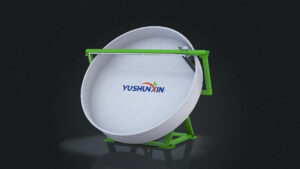
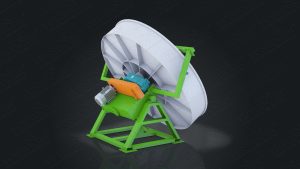
Using a pan granulator to granulate carbon powder and organic fertilizer involves a process that combines the physical forces of rotation and the chemical action of binders to form granules. Here is a detailed step-by-step guide on how to use a disc granulator for these materials: If you have more question, you can click here to get more information.

disc granulator for biochar fertilizer

1.Preparation of Materials:

Carbon Powder: Ensure the carbon powder is finely ground and consistent in size. Depending on the desired outcome, the powder may need to be mixed with other additives or binders to enhance pellet integrity.

Organic Fertilizer: This typically consists of decomposed plant and animal waste. The material should be composted and screened to remove large particles and ensure uniformity.

2.Mixing the Ingredients:

Mixing materials:

Mix carbon powder with organic fertilizer in a predetermined ratio suitable for the target application. The precise mixture will depend on the nutritional requirements and the desired pellet properties. Add any necessary binders or additives. For organic fertilizers, natural binders like molasses, starch, or composted manure can be used to help the material stick together. That’s why we recommend you to use our horizontal mixer.

3.Moisture Adjustment:

The mixture’s moisture content is crucial for successful granulation. Typically, the moisture level should be between 30% to 40% for effective pellet formation.

Adjust the moisture by adding water or drying the mixture as needed. Uniform moisture distribution is key.

disc limestone pellets making machine

4.Feeding the Mixture into the Disc Granulator

Load the prepared mixture into the disc granulator. The disc (or pan) is set at an angle and rotates, which helps the material move gradually from the center towards the rim.

5.Granulation Process

As the disc pelletizer rotates, the material is forced to roll back inward due to the disc’s angle and gravity. This motion causes the particles to collide and stick together, gradually forming larger aggregates.

The continuous rolling motion, combined with the forces exerted by the other material, compacts these aggregates into denser granules.

6.Adjusting Disc Parameters

Control the rotational speed of the disc to manage the granulation rate and granule size. Slower speeds generally result in larger granules.

Adjust the angle of the disc to change the retention time of material on the disc, affecting the granule’s hardness and size.

7.Screening and Recirculation

After granulation, the granules are often passed through a screen to separate the desired size granules from smaller particles and dust.

Fine particles and undersized granules can be recycled back into the granulator for further processing.

8.Drying and Curing

The granules may require drying to reduce their moisture content to a stable level, suitable for storage and handling.

Curing may also be necessary, especially for organic fertilizers, to ensure the granules are hard enough and to reduce the risk of nutrient loss. So we recommend our rotary drum dryer, which can produce up to 20 tons per hour.

biochar fertilizer dryer for sale

9.Quality Control and Packaging

Conduct quality control tests to ensure the granules meet the required specifications for size, nutrient content, and moisture.

Package the finished granules for storage or sale.

Using a disc granulator efficiently for carbon powder and organic fertilizer requires careful control of mixture composition, moisture content, and machine settings. Tailoring these parameters to your specific materials will yield the best results in the production of high-quality chanxian. If you want to know more about disc granulator machine, you can search our web to view more: https://www.charbasedfertilizermachine.com/product/drum-granulator/

How to produce 20 tons per hour of charcoal-based fertilizer

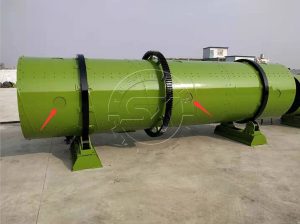
Creating a production line capable of generating 20 tons per hour of charcoal-based fertilizer involves setting up a series of processes and using specific machinery to ensure efficiency and quality. Here’s a detailed guide on how to set up this production process, including the use of a rotary drum granulate equipment and two horizontal mixer equipment:

Rotary Drum Granulator

1. Overview of the Production Process

If you want to learn more about carbon-based fertilizer process, you can click our website: https://www.charbasedfertilizermachine.com/product/make-bio-fertilizer-from-biochar/

Composting the carbon and organic matters: Decomposing organic matter to form a nutrient-rich base.

Adding Carbon Powder into organic matters: Integrating charcoal powder to enhance the carbon content.

Mixing the carbon and organic matters: Thoroughly blending the compost and carbon powder to ensure uniformity.

Crushing the carbon and organic matters: Breaking down any large particles to create a consistent size.

Granulating the carbon and organic matters: Forming the material into granules using a granulator.

Drying the carbon and organic matters: Removing moisture to stabilize the granules.

Cooling the carbon and organic matters: Reducing the temperature of the dried fertilizer to enhance stability.

Packaging the carbon and organic matters: For easier storage and transportation.

2. Equipment Specification

Rotary Drum Granulator: 

This is central to the granulation process. You’ll need a rotary drum granulator that can handle the desired throughput of 20 tons per hour. Ensure it has adequate capacity and power to operate continuously under full load.

Horizontal Mixers: 

Two mixers are recommended to efficiently mix large volumes of material. These mixers will be used in both the initial mixing of compost and carbon powder, and the post-crushing mixing to ensure a homogenous mixture before granulation.

Biochar fertilizer drum machine

3. Advantages of Using a Rotary Drum Granulator

Scalability: Suitable for large-scale production due to its high capacity.

Efficiency: Provides continuous processing, which is vital for achieving a 20 tons per hour production rate.

Uniformity: Ensures that the granules are uniform in size and shape, which is crucial for consistent product quality.

Versatility: Capable of handling different types of materials and moisture contents, making it adaptable to various formulations of charcoal-based fertilizer.

4. Benefits of Granulating Carbon-Based Fertilizer

Improved Nutrient Delivery: Granules break down slowly, providing a gradual release of nutrients, which is beneficial for plant growth.

Reduced Dust Pollution: Granulating the fertilizer minimizes dust, making the product safer and cleaner to handle and transport.

Enhanced Product Handling: Granules are easier to apply using standard farming equipment, improving usability for end-users.

Marketability: Granular fertilizers are often preferred by farmers due to their ease of use and storage, leading to better market acceptance.

rotary drum granulation machine

5.Production Line Setup

Feed Preparation:
Use shredders and crushers to prepare the raw materials for composting. Ensure the compost reaches the necessary maturity before adding charcoal powder.

Initial Mixing:
Load the mature compost and charcoal powder into the twin shaft mixers. Mix thoroughly to ensure an even distribution of charcoal.

Secondary Processing:
Crush the mixed material to ensure it is fine enough for granulation. Pass the crushed mixture through the second mixer to achieve a uniform, fine blend.

Granulation:
Feed the uniformly mixed material into the rotary drum granulator. Adjust the moisture content and drum speed to optimize granule formation.

Drying and Cooling:
Convey the granules through a drying system to reduce moisture content. After drying, cool the granules to enhance their stability and reduce caking.

Packaging and Storage:
Package the cooled granules for distribution. Store in a dry, cool place to maintain product quality.Implementing this detailed process will help you achieve a high-efficiency production line for charcoal-based fertilizer, aiming for an output of 20 tons per hour. If you have any question, you can click here to cantack us.

How to pelletize carbon and fertilizer with disc granulator machine?

Introduction:

In the quest for sustainable agriculture, carbon-based fertilizers have emerged as a pivotal solution for enhancing soil health and reducing chemical runoff. The key to maximizing the benefits of these fertilizers lies in the efficiency of their production. Our disc granulator is engineered to streamline this process, ensuring high-quality, nutrient-rich fertilizer.

What is a Disc Granulator?

A disc granulator is a type of rotating machinery utilized primarily in the agricultural industry to transform raw materials into granular fertilizer. It’s an essential tool for manufacturers looking to produce high volumes of biochar fertilizer with consistent quality.

pan granulator for sale

Working Principle of the Disc Granulator

Our disc granulator operates on a straightforward yet effective principle. Installed at a precise incline, the disc rotates, causing the material inside to roll rapidly. As the disk body rotates, the carbon-based fertilizer materials rise to their highest point before falling vertically under the influence of a strategically placed scraper. During the rotation, carcoal-based fertilizer particles experience a centrifugal force, pressing them against the disk wall where they undergo extrusion and rolling, gradually forming into pellets. These biochar fertilizer pellets eventually overflow from the edge of the disc as they reach the desired size.

How charcoal-based fertilizer goes from composting to pelletizing

The process of transforming compost into carbon- based granulated fertilizer begins with the composting stage. Compost produces high temperatures of 60 degrees or more to kill disease and insect eggs and weed seeds. where organic waste decomposes into rich, nutrient-dense material.  Following composting, the material will be crush, so that can better to granulate. And then you can send carcoal-based fertilizer materials into disc granulator, where it is mechanically forced into dense, uniform pellets. The end result is a high-quality, sustainable fertilizer that is easy to distribute and beneficial for plant growth.

Features of Our Company’s Disc Granulator

High Pelletizing Rate:

Our disc granulator achieves an impressive 95% pelletizing rate, minimizing waste and maximizing output.

Wet Pelletizing Method:

This technique not only ensures the structural integrity of the pellets but also enhances their appearance, making them more marketable.

Production Capacity:

Capable of producing 4-6 tons of high-quality fertilizer per hour, our granulator is designed for both small and large-scale operations.

Competitive Pricing:

Priced between $800 and $16,000, our granulator offers exceptional value, combining top-tier technology with affordability.

pan granule machine for sale

Conclusion

Leverage the advanced technology of our disc granulator to elevate your charfertilizer production. With its high efficiency, aesthetic pellet output, and robust design, it’s an invaluable asset for any fertilizer production business. For more details or to arrange a demonstration, please contact us at info@charbasedfertilizermachine.com


Horizontal Fermentation Pot

In the realm of sustainable agriculture, innovative technologies that optimize resource utilization and enhance production efficiency are increasingly critical. One such innovation is the horizontal fermenter tank, a pivotal tool in the production of charcoal-based fertilizers. This article delves into what a horizontal fermenter is and explores its numerous advantages in fertilizer production.

What is a Horizontal Fermenter?

A horizontal fermenter tank is a type of industrial equipment used to ferment organic materials, including charcoal, under controlled conditions. Unlike traditional vertical fermenters, this apparatus is designed horizontally, which influences both its functionality and efficiency. The horizontal layout facilitates easier loading and unloading of materials and provides a more uniform heat distribution during the fermentation process.

Typically constructed from robust materials like stainless steel, a horizontal fermenter consists of a cylindrical chamber with a rotating axis. This design ensures that the materials inside are consistently turned, promoting an even fermentation process. Advanced models are equipped with temperature and moisture sensors, allowing precise control of the internal environment, which is crucial for producing high-quality charcoal-based fertilizer. You can view our web to learn more: https://www.charbasedfertilizermachine.com/product/horizontal-fermentation-tank/

horizontal fermentation tank for biochar fertilizer

Advantages of Horizontal Fermenters

Improved Material Handling:

The horizontal design simplifies the process of loading and unloading organic material. This is particularly beneficial in handling bulky or heavy loads of raw materials like biochar, which are integral to charcoal-based fertilizers. By reducing the physical strain and the time needed for handling, horizontal fermenters enhance operational efficiency.

Enhanced Fermentation Control:

Horizontal fermenters provide superior control over the fermentation environment compared to their vertical counterparts. The ability to precisely manage factors such as temperature, humidity, and turning frequency results in a more consistent product quality. This precise control is essential for optimizing the properties of the charcoal-based fertilizer, such as its nutrient release rates and microbial activity.

Increased Efficiency:

The rotational mechanism of the horizontal fermenter ensures that all material is equally exposed to microbial action. This not only speeds up the fermentation process but also increases the efficiency of the conversion of inputs into usable fertilizer. Faster processing times mean more product output over the same period, enhancing overall productivity.

Horizontal ferment tank for carbon-based fertilizer

Scalability and Versatility:

Horizontal fermentation pot are highly scalable, making them suitable for both small-scale operations and large-scale commercial productions. Their design allows for easy integration into existing production lines without significant modifications. Furthermore, they can be used for a variety of fermentation-based products beyond charcoal-based fertilizers, such as compost and other organic fertilizers.

Energy Efficiency:

Modern horizontal fermenters are designed to maximize energy efficiency. The even distribution of heat and the effective insulation minimize energy loss, reducing the overall energy requirement for the fermentation process. This not only lowers production costs but also supports sustainability goals by reducing the carbon footprint of fertilizer production.

In conclusion, the horizontal fermenter represents a significant advancement in the production of charcoal-based fertilizers. Its design and operational advantages align perfectly with the needs of modern, sustainable agriculture, offering improved efficiency, better product control, and versatility. As the demand for eco-friendly agricultural inputs grows, technologies like the horizontal fermenter will play a crucial role in meeting global food production challenges sustainably and efficiently. If you want to know more about Horizontal Fermenter, you can click here.

Chicken dung and biochar as fertilizer

Introduction:

Chicken manure, often viewed as waste, holds immense potential as a valuable resource in making biochar fertilizer. By harnessing the power of carbonization, we can transform this abundant waste into a nutrient-rich fertilizer. In this blog, we will explore two common processes and equipment for making carbon fertilizer from chicken manure, catering to both those who need to produce carbon from scratch and those who already have access to carbon material.


Carbonization Process:

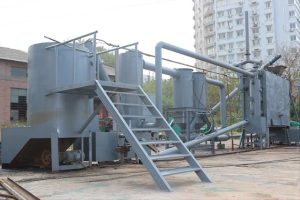
For those without access to carbon material, the first step involves the carbonization of organic materials such as coconut shells,  straw or chicken dung using a continuous carbonization furnace. This furnace operates on the principle of thermal decomposition, converting organic matter into carbon. With a capacity of about 500kg/h, materials containing less than 10% per ton can yield approximately 280kg-310kg of final carbon products.

carbonization furnace catch

Adding Carbon Powder:

Alternatively, if the customer already possesses carbon material, the process becomes simpler. Carbon powder is added to the chicken manure, creating a carbon-based fertilizer. This method skips the carbonization step and directly incorporates carbon into the mixture. That’s why you need an efficient blender. We recommend a double shaft mixer.

Common Processes:

Both approaches follow a series of common steps to convert chicken manure into carbon-based fertilizer:

Composting:

Chicken manure and biochar fertilizer’s making need to undergoes a composting process to break down organic matter and eliminate pathogens. So you need a composter, we recommend our self-propelled tumbler. You can click our web to get more information abut how to compost : https://www.charbasedfertilizermachine.com/2024/03/30/biochar-making-process/

Mixing:

Carbon material, whether freshly carbonized or in powder form, is thoroughly mixed with the composted chicken manure. This ensures uniform distribution of nutrients.

Crushing:

The making of chicken dung and biochar fertilizer may undergo crushing to achieve a finer consistency, facilitating subsequent processing. So we recommend the new-type organic fertilizer crusher.

Granulating:

The crushed mixture is formed into granules, enhancing its usability and ease of application in the field. That’s why we recommend disc pelletizer.

Screening:

Carbon-based fertilizer granules from chicken manure  are screened to remove any oversized or undersized particles, ensuring product consistency.

Packaging:

The final fertilizer product is packaged into appropriate containers for distribution and use by farmers. Our company has palletizers and packaging machines, both of which save time and increase efficiency.

carbonization furnace

How to compost quickly:

To compost quickly, focus on optimizing temperature, humidity, and ventilation. Maintain a temperature range of 45°C to 60°C, with humidity controlled at 55% to 60%. Adequate ventilation is crucial for supplying oxygen to microorganisms and promoting decomposition. Turn the compost regularly to aerate it and distribute heat evenly. By ensuring these conditions, you accelerate the composting process, yielding nutrient-rich fertilizer in a shorter time frame. Composting not only efficiently recycles organic waste but also produces a sustainable fertilizer rich in essential nutrients, promoting healthier soil and plants while reducing environmental impact.  If you need to compost tips, you can click here to learn more.

What are the advantages of our equipment

Environmental Sustainability:

Our equipment utilizes advanced carbonization technology to convert organic waste, such as chicken manure, into high-quality charcoal-based fertilizer. This process not only reduces environmental pollution from organic waste but also promotes a circular economy by efficiently utilizing resources.

Efficient Production:

With high production capacity, our equipment swiftly transforms organic waste into fertilizer. The continuous operation of our carbonization furnace ensures consistent production rates, processing approximately 500 kilograms of raw material per hour.

Cost-Effectiveness:

Compared to traditional fertilizer production methods, charcoal-based fertilizer production offers energy and cost savings. Additionally, our equipment facilitates the conversion of waste into valuable products, reducing waste management costs.

Biochar organic fertilizer manufacturing

In an age where sustainability and environmental consciousness are paramount, the quest for organic solutions permeates every aspect of our lives, including gardening and agriculture. Biochar organic fertilizers making, in particular, have gained significant traction due to their eco-friendly nature and ability to enhance soil health while nurturing plant growth.

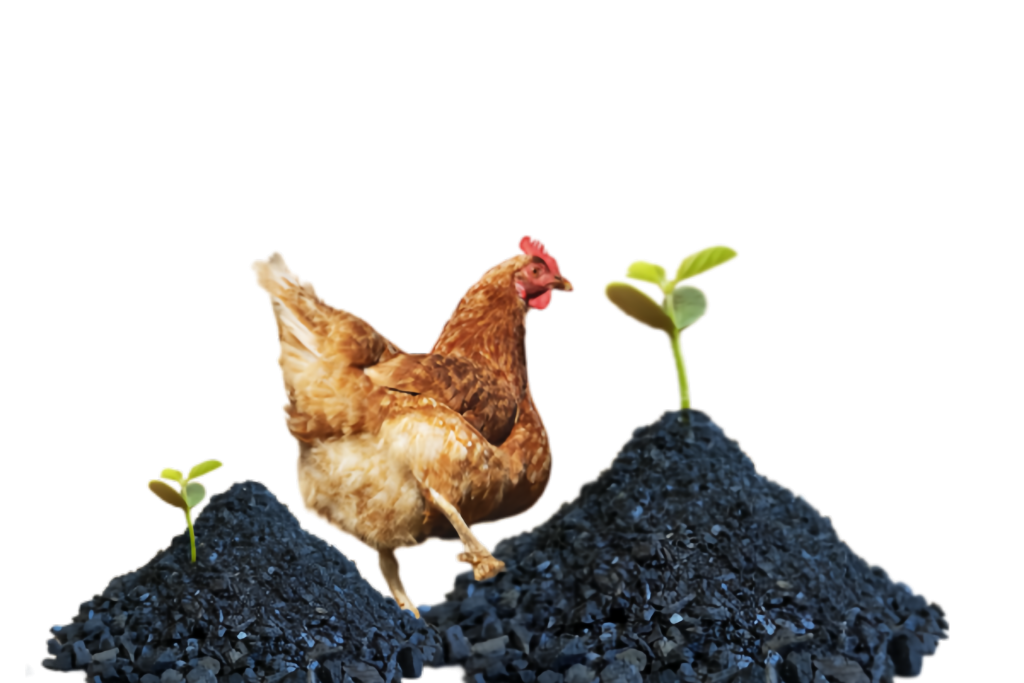
biochar and chicken dung

Why we Need to Make Biochar Organic Fertilizer

Biochar organic fertilizers manufacturing, unlike their synthetic counterparts, are derived from natural sources such as animal manure, compost, plant residues, and organic minerals. They are rich in essential nutrients like nitrogen, phosphorus, and potassium, along with a host of micronutrients vital for plant development.

The Benefits of Making Biochar Organic Fertilizer

Biochar organic fertilizer production has many advantages, which includes help environment, cost-effective and enhanced soil health.

  • Environmental Friendliness: By utilizing organic materials readily available in your surroundings, you reduce reliance on chemical-laden commercial fertilizers, thereby minimizing environmental pollution and soil degradation.
  • Cost-Effective: Homemade organic fertilizers are often cheaper than store-bought alternatives, making gardening more affordable in the long run.
  • Enhanced Soil Health: Organic fertilizers improve soil structure, promote microbial activity, and enhance water retention capacity, fostering a conducive environment for plant growth. You can click here to view more.

How to Craft Your Own Biochar Organic Fertilizer

Step 1: Gather Your Ingredients

  • Nitrogen Sources: This includes materials like composted manure, poultry litter, or legume cover crops.
  • Phosphorus Sources: Bone meal, rock phosphate, or fish bone are excellent choices.
  • Potassium Sources: Wood ash or potassium sulfate are effective options.
  • Micronutrient Boosters: Seaweed, kelp meal, or eggshells can provide essential trace minerals.

Step 2: Mix in the Right Proportions

Aim for a balanced N-P-K ratio (Nitrogen-Phosphorus-Potassium) suitable for your plants’ needs. A general ratio of 1:2:1 works well for most garden plants, but adjustments can be made based on soil tests and plant requirements.

biochar fertilizer
biochar organic fertilizer

Step 3: Composting and Fermentation

Combine your ingredients in a compost bin or designated area. Ensure proper aeration and moisture levels for microbial activity. Allow the mixture to decompose and ferment over several weeks to months, periodically turning and watering it as needed.

Step 4: Application

Once the organic matter has fully decomposed into a dark, crumbly texture, it’s ready for use. Apply the fertilizer to the soil around your plants, avoiding direct contact with stems or leaves.

Water the area thoroughly to help nutrients penetrate the soil and reach plant roots.

The Essence of Biochar Organic Fertilizers

Biochar organic fertilizers making, unlike their synthetic counterparts, are derived from natural sources such as animal manure, compost, plant residues, and organic minerals. They are rich in essential nutrients like nitrogen, phosphorus, and potassium, along with a host of micronutrients vital for plant development.

In a world where sustainability is no longer an option but a necessity, embracing organic practices like homemade fertilizer production is a small yet significant step towards a greener future. By harnessing the power of nature’s bounty and recycling organic waste into nutrient-rich soil amendments, we not only promote healthier ecosystems but also reap the rewards of bountiful harvests and flourishing gardens.

In a world where sustainability is no longer an option but a necessity, embracing organic practices like homemade fertilizer production is a small yet significant step towards a greener future. By harnessing the power of nature’s bounty and recycling organic waste into nutrient-rich soil amendments, we not only promote healthier ecosystems but also reap the rewards of bountiful harvests and flourishing gardens. If you want to learn about more, then you can click to this web to learn more: https://www.charbasedfertilizermachine.com/product/organic-fertilizer-manufacturing/.


Biochar and chicken dung as fertilizer

As the global population continues to grow, the demand for sustainable agricultural practices becomes increasingly pressing. In the pursuit of greener alternatives, the use of biochar fertilizer has emerged as a promising solution. This blog post aims to tell you the potential of biochar and chicken dung as a sustainable fertilizer, focusing specifically on its role in improving soil health and promoting crop growth.

biochar and chicken dung

What is Biochar?

Biochar is a carbon material from the pyrolysis of chicken dung and other organic materials, This carbonization process transforms these materials into a stable, highly porous substance that can be applied to improve soil fertility.

Benefits of Biochar Fertilizer

 Enhanced nutrient retention:

Biochar has a high cation exchange capacity, allowing it to adsorb and retain essential nutrients in the soil, making them more accessible to plants.

Improved water holding capacity:

The porous structure of biochar helps retain water, reducing the need for frequent irrigation and increasing drought resistance.

pH regulation:

Biochar acts as a buffer, stabilizing soil pH levels and creating optimal conditions for nutrient absorption.

Soil structure enhancement:

By improving soil aggregation, biochar enhances soil aeration, drainage, and root penetration, facilitating healthier plant growth.

biochar fertilizer
biochar fertilizer

Chicken Dung as a Feedstock for Biochar Production

The Potential of Chicken Dung

Chicken dung, can be utilized as a fertilizer with biochar. Its abundance and availability make it a sustainable and cost-effective option for farmers.

Biochar Production Process

  1. Feedstock preparation: Collect chicken dung and separate it from any non-organic contaminants.
  2. Pyrolysis: Heat the chicken dung in a controlled environment, without oxygen, to transform it into biochar.
  3. Cool down and storage: Allow the biochar to cool down and store it in a dry area to retain its quality.

If you want to learn more, you can click here to learn about.

Implementing Biochar Fertilizer

Application Methods
  1. Surface application: Spreading biochar evenly across the soil surface and incorporating it to a depth of a few inches.
  2. Seed coating: Coating seeds with biochar before planting to provide initial contact between the emerging roots and biochar particles.
  3. Composting: Mixing biochar with chicken dung compost to enhance fertilizer nutrient content and improve soil organic matter.

Conclusion:

As we strive for sustainable agricultural practices, exploring alternative fertilizers like biochar can play a crucial role in enhancing soil health, improving crop productivity, and mitigating climate change. By utilizing biochar made from readily available fertilizer like chicken dung, farmers can embrace a greener approach to agriculture while reducing waste and improving overall sustainability. Let us foster a future where biochar fertilizer becomes an integral part of global agricultural systems, ensuring a greener and more prosperous world. What’ more, you can click https://www.charbasedfertilizermachine.com/product/chicken-dung-and-biochar-as-fertilizer/ this page to view more.