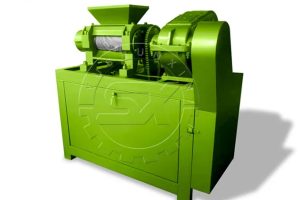
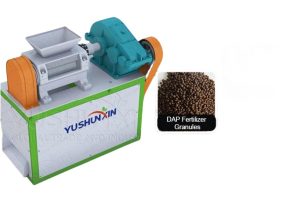
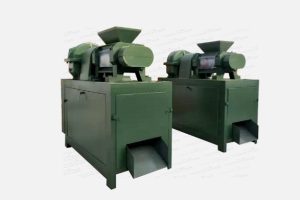
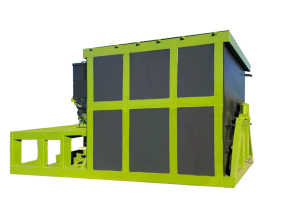
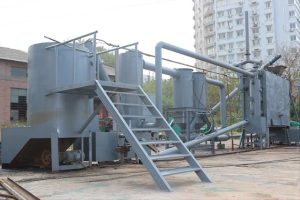
The 5-Ton Per Hour Carbon-Based Fertilizer Double Roller Granulator

In the world of organic fertilizer production, efficiency and quality are paramount. For businesses looking to produce high-quality carbon-based fertilizer, the 5-ton per hour double roller granulator offers an excellent solution. This advanced piece of machinery not only maximizes productivity but also ensures that the end product meets the highest standards of quality. Let’s explore the features, benefits, and applications of this remarkable granulator. If you want to learn more about 5 TPH double roller granulator, you can view our website:https://www.charbasedfertilizermachine.com/product/10-pth-biochar-fertilizer-double-roller-granulation-line/

Key Features

High Production Capacity:

As the name suggests, this granulator is capable of producing up to 5 tons of carbon-based fertilizer per hour of production line. This high throughput makes it ideal for large-scale production facilities looking to meet significant demand.

Advanced Roller Technology:

The double roller system ensures that the granulation process is both efficient and consistent. The rollers compress the raw materials into uniform granules, which enhances the quality of the fertilizer.

Durable Construction:

Built with high-quality materials, this granulator is designed for longevity and durability. It can withstand the rigors of continuous operation, ensuring reliable performance over time.

Energy Efficiency:

Despite its high output, the granulator is designed to be energy efficient. This not only helps in reducing operational costs but also supports sustainable production practices.

Easy Maintenance:

The design of the machine allows for easy access to its components, making maintenance straightforward and minimizing downtime.

Benefits

Consistent Quality: The 5 per hour ton of biochar double roller granulator making line ensures that each granule of fertilizer is uniform in size and composition. This consistency is crucial for the effective application of the fertilizer, leading to better crop yields.

Cost-Effective Production:

By optimizing the granulation process, the 5-ton per hour carbon-based fertilizer granulator production line reduces waste and increases the efficiency of raw material usage. This translates to lower production costs and higher profit margins.

Versatility:

This granulator can process a wide range of carbon-based raw materials, making it suitable for various types of organic fertilizer production. Whether you’re using crop residues, animal manure, or other organic waste, this machine can handle it.

Environmental Sustainability:

Producing high-quality carbon-based fertilizer contributes to soil health and reduces the need for chemical fertilizers. This promotes sustainable agriculture and helps in maintaining ecological balance.

Applications

The 5-ton per hour carbon-based fertilizer double roller granulator producing line is widely used in the agricultural sector, particularly in:

Large-Scale Farms:

For farms that require substantial amounts of fertilizer, this granulator ensures a steady supply of high-quality product.

Commercial Fertilizer Production Plants:

Companies specializing in the production and sale of organic fertilizers can greatly benefit from the high capacity and efficiency of this machine.

Environmental Projects:

Projects aimed at recycling organic waste and converting it into useful fertilizer find this granulator an invaluable asset.

Conclusion

Investing in a 5-ton per hour carbon-based fertilizer double roller granulator is a smart decision for any business looking to enhance its production capabilities and produce top-notch organic fertilizer. With its high efficiency, durability, and ability to produce consistent quality granules, this granulator stands out as a vital tool in the field of organic fertilizer production. Embrace the future of sustainable agriculture with this advanced granulation technology.

10t/h Biochar Double Roller Extrusion Pelletizer Introduction

Introduction

Biochar production has become increasingly important in sustainable agriculture, offering significant benefits such as improved soil health, enhanced crop yields, and carbon sequestration.  One such innovation is the 10t/h Biochar Double Roller Extrusion Pelletizer, a machine designed to optimize biochar production and pelletization. This case study explores the features, benefits, and impact of the 10t/h Biochar Double Roller Extrusion Pelletizer . If you want to know more about carbon based fertilizer roller granulator, you can come to my site:https://www.charbasedfertilizermachine.com/product/double-roller-extrusion-granulator/

The 2t/h Biochar Double Roller Extrusion Pelletizer

The 10t/h Biochar Double Roller Extrusion Pelletizer is a state-of-the-art machine designed to convert biochar powder into uniform pellets. This pelletizer offers several key features:

  • High Capacity: Capable of producing 10 tons of biochar pellets per hour, making it suitable for large-scale farming operations.
  • Efficiency: Utilizes a double roller extrusion mechanism to ensure high pellet quality and consistency.
  • Energy Efficiency: Designed to minimize energy consumption while maximizing output.
  • Ease of Use: Features an intuitive interface and robust construction for easy operation and maintenance.

Benefits and Impact

Agricultural Productivity

The primary benefit of the 10t/h Biochar Double Roller Press Granulator is the significant increase in agricultural productivity. Farmers using biochar pellets have experienced:

  • Enhanced soil fertility and structure.
  • Increased water retention and reduced irrigation needs.
  • Improved crop yields and quality.

Economic Growth

The biochar double roller granulator has also contributed to the economic growth of the region. By boosting agricultural productivity, farmers have achieved higher incomes and improved livelihoods. This economic upliftment has had a ripple effect on the local economy, creating new opportunities and fostering community development.

Sustainability

The environmental benefits of biochar production and use are substantial. The pelletizer’s role in reducing carbon emissions and improving soil health aligns with global sustainability goals. This sustainable approach to agriculture is crucial for the long-term prosperity of Kenya’s farming sector.

Conclusion

The 10t/h Biochar Double Roller Extrusion Pelletizer has proven to be a transformative technology for Kenya’s agricultural landscape. By enhancing soil fertility, boosting crop yields, and promoting environmental sustainability, this pelletizer has delivered significant benefits to farmers and the broader community. As Kenya continues to embrace advanced agricultural technologies, the 2t/h Biochar Double Roller Extrusion Pelletizer stands as a testament to the power of innovation in driving sustainable development.

Future Prospects

Looking ahead, there is great potential for the expansion of biochar technology in the world. Continued investment in training, infrastructure, and research will further enhance the impact of biochar pelletization. By scaling up the use of machines like the 10t/h Biochar Double Roller Extrusion Pelletizer, Kenya can achieve greater agricultural productivity and sustainability, setting a positive example for other regions to follow.  If you want more detailed information, you can visit my website.

The Future of Composting: Spotlight Hottest Small Charcoal-Based Fertilizer Machines

Introduction:

As the world increasingly gravitates towards sustainable farming practices, composting equipment has evolved to keep pace with this green revolution. In 2024, charcoal-based composting machines are dominating the market, with three models in particular rising to the top. Let’s delve into the features and benefits of the Crawler Composter, Self-Propelled Composter, and Horizontal Fermenter. For more information, you can click my website:https://www.charbasedfertilizermachine.com/product/small-compost-machine-in-carbon-based-fertilizer-large-capacity/

Crawler Composter: The Game Changer

The Crawler Composter has undoubtedly been a small biochar composter turner machine. What sets it apart is its capacity to handle large volumes of waste efficiently, making it a preferred choice for large-scale farmers. Its unique design, featuring robust crawler belts, allows the machine to move freely across your land. One distinct feature is its ability to turn organic waste into rich, ready-to-use compost infused with charcoal benefits, enriching the soil with essential nutrients and carbon.

Self-Propelled Composter: The Green Machine

The Self-Propelled Composter is another small biochar composting machine. It is capture the attention of both small and large-scale farmers. Its self-propelling feature makes it user-friendly and less labor-intensive. The machine is designed to integrate charcoal into the compost, aiding in moisture retention and improving soil health. Its compact design is a bonus, making it an excellent choice for those with space constraints.

Horizontal Fermenter: The Mighty Innovator

Last but not least, the biochar Horizontal Fermenter is also a small biochar composter turner quipment. It has been making waves in the composting world. Unlike traditional composters, this machine operates horizontally, accelerating the composting process. The Horizontal Fermenter effectively mixes charcoal into the compost, improving the carbon content and fertility of the soil. Its innovative design allows for easy loading and unloading of material, making the composting process more efficient.

Conclusion:

In 2024, the rise of small charcoal-based composting machines like the Crawler Composter, Self-Propelled Composter, and Horizontal Fermenter have revolutionized the way we approach sustainable farming. These machines are not only enhancing soil productivity but also contributing to our bid to build a greener world. As our company continues to embrace eco-friendly practices, we are excited to see what further innovations the future will bring to the composting field. And to learn more information about small carbon-based omposting machines, you can click here.

The Efficiency of Double Roller Pelletizing Machines: Revolutionizing Pellet Production

Introduction

Fertilizers are fundamental to modern agriculture, enhancing plant growth and productivity by supplying essential nutrients. For example, it will provide nitrogen, phosphorus and potassium. As the demand for agricultural products escalates globally, the need for efficient and sustainable fertilizer production technologies becomes increasingly crucial.  Enter double roller granulators, a pivotal innovation in the fertilizer industry, known for their efficiency and environmental benefits.

double roller extrusion for biochar

What is a Double Roller Granulator?

A double roller granulator is a type of machinery used in the dry granulation process, ideal for creating solid granules from powdered materials without requiring any liquid solution. This distinguishes it from other granulating technologies that often rely on wet granulation techniques involving binders and liquids. Key components of a double roller granulator include two counter-rotating rollers, a pressing mold (die), and a sophisticated driving mechanism—all engineered to produce high-quality granules. If you want to learn more, you can search my website: https://www.charbasedfertilizermachine.com/product/double-roller-extrusion-granulator/

How Double Roller Granulators Work?

The operation of a double roller granulator is a marvel of engineering precision, involving several critical steps:

  • Material Feeding: Various powdered fertilizers containing nitrogen, phosphate, potassium, and other essential nutrients are fed into a hopper.
  • Compression: These materials pass between two rollers that compress them under high pressure, forming a compact sheet.
  • Granule Formation: The compressed sheets then break down into smaller, uniform granules.
  • Output: Finally, the granules are collected, screened to ensure size uniformity, and packaged for distribution. The process utilizes a dry granulation method, which does not necessitate binders or additional liquid, making it environmentally friendly and efficient.
double roller equipment for biochar fertilizer

Benefits of Using Double Roller Granulators in Fertilizer Production

Double roller granulators offer multiple advantages:

  • Efficiency: They provide high throughput with minimal waste, making the production process more streamlined.
  • Energy Conservation: These machines consume less energy compared to those requiring wet granulation processes.
  • Quality: The granulators ensure the production of high-density, uniform granules that promote even nutrient distribution in the field.
  • Cost-Effectiveness: With low maintenance and operational costs, they are economically advantageous.
  • Environmental Impact: The lack of water usage and wastewater production during the granulation process underscores its eco-friendly credentials.

Applications in the Fertilizer Industry

Double roller granulators are versatile, capable of processing various fertilizer formulations including NPK blends, urea, and ammonium sulfate. This adaptability allows manufacturers to meet diverse agricultural needs efficiently.

Certainly! Here’s a blog post crafted from your outline, focusing on the impact of double roller granulators in the fertilizer industry.


Enhancing Agricultural Productivity with Double Roller Granulators

Introduction

Fertilizers are fundamental to modern agriculture, enhancing plant growth and productivity by supplying essential nutrients. As the demand for agricultural products escalates globally, the need for efficient and sustainable fertilizer production technologies becomes increasingly crucial. Enter double roller granulators, a pivotal innovation in the fertilizer industry, known for their efficiency and environmental benefits.

What is a Double Roller Granulator?

A double roller granulator is a type of machinery used in the dry granulation process, ideal for creating solid granules from powdered materials without requiring any liquid solution. This distinguishes it from other granulating technologies that often rely on wet granulation techniques involving binders and liquids. Key components of a double roller granulator include two counter-rotating rollers, a pressing mold (die), and a sophisticated driving mechanism—all engineered to produce high-quality granules.

How Double Roller Granulators Work

The operation of a double roller granulator is a marvel of engineering precision, involving several critical steps:

  • Material Feeding: Various powdered fertilizers containing nitrogen, phosphate, potassium, and other essential nutrients are fed into a hopper.
  • Compression: These materials pass between two rollers that compress them under high pressure, forming a compact sheet.
  • Granule Formation: The compressed sheets then break down into smaller, uniform granules.
  • Output: Finally, the granules are collected, screened to ensure size uniformity, and packaged for distribution. The process utilizes a dry granulation method, which does not necessitate binders or additional liquid, making it environmentally friendly and efficient.
double roller extrusion for carbon-based fertilizer

Benefits of Using Double Roller Granulators in Fertilizer Production

Double roller granulators offer multiple advantages:

  • Efficiency: They provide high throughput with minimal waste, making the production process more streamlined.
  • Energy Conservation: These machines consume less energy compared to those requiring wet granulation processes.
  • Quality: The granulators ensure the production of high-density, uniform granules that promote even nutrient distribution in the field.
  • Cost-Effectiveness: With low maintenance and operational costs, they are economically advantageous.
  • Environmental Impact: The lack of water usage and wastewater production during the granulation process underscores its eco-friendly credentials.

Applications in the Fertilizer Industry

Double roller granulators are versatile, capable of processing various fertilizer formulations including NPK blends, urea, and ammonium sulfate. This adaptability allows manufacturers to meet diverse agricultural needs efficiently.

Maintenance and Operational Best Practices

Maintaining a double roller granulator is crucial for ensuring its longevity and operational efficiency. Regular checks and routine maintenance of the rollers and the die are essential. Operators should also be trained to handle common challenges such as material buildup or mechanical wear.

Conclusion

Double roller granulators play an indispensable role in the fertilizer industry, supporting sustainable agriculture by producing high-quality fertilizers more efficiently and environmentally friendly. Their importance will only grow as the global demand for food increases. If you want to learn more, you can come to my web.

.

The Innovative World of Self-Propelled Tumblers

In the quest for sustainability, technology and agriculture are converging in exciting ways. One of the most promising innovations is the self-propelled compost machine—a device that not only simplifies the composting process but enhances it, transforming organic waste into high-quality fertilizer effortlessly. This blog explores the ins and outs of self-propelled compost machines and how they’re revolutionizing garden and farm management. If you want to know more about our equipment, you can follow my website: https://www.charbasedfertilizermachine.com/product/self-propelled-compost-turner/

Self-Compost-machine
Self Compost Machine

What is a Self-Propelled Tumbler?

A self-propelled compost machine is advanced composting systems designed to automate and optimize the breakdown of organic material into nutrient-rich compost. Unlike static compost bins, these machines move through compost rows or piles, mixing and aerating the materials to accelerate decomposition. They come equipped with features like automated controls, adjustable settings for speed and mixing intensity, and sometimes even GPS tracking for large-scale operations.

How Does It Work?

A typical self-propelled turner machine operates on a track or wheels and is powered by an engine, often fueled by diesel or electricity. Users can set the path for the machine, which then moves along the compost rows. As it travels, it agitates the compost with built-in tools designed for aeration and mixing. Sensors and controls allow for adjustments based on moisture content, temperature, and material type, ensuring optimal composting conditions.

Advantages of Self-Propelled Tumblers

Efficiency and Speed:

By automating the turning process, these machines reduce the manpower required and significantly speed up the composting process, often producing usable compost in a fraction of the time it would take manually.

Enhanced Compost Quality:

Regular and thorough mixing ensures even decomposition, which improves the overall quality of the compost. This means more balanced nutrient content and better soil amendment properties.

Reduced Physical Labor:

For gardeners and farmers, especially those with large operations, the physical demand of turning compost can be daunting. Self-propelled composters handle the heavy lifting, saving backs and budgets.

Eco-Friendly:

These machines help reduce the carbon footprint associated with traditional composting methods, which often involve gasoline-powered machines or significant manual effort.

crawl type compost machine

Choosing the Right Machine for Your Needs

When selecting a self-propelled compost machine, consider the following:

Size and Capacity:Match the machine’s size and throughput capacity with the volume of compost you plan to produce.

Power Source:Look for energy-efficient models or those that can use renewable energy sources to align with sustainability goals.

Feature Set:Advanced features like programmable settings, remote monitoring, and moisture sensors can further simplify the composting process.

Stimulates Mental Development:

For children, the unpredictable movement of the tumblers can stimulate problem-solving and prediction skills as they observe and interact with the toy. For pets, it can help keep their minds sharp and alert, reducing boredom and related behavioral issues.

Conclusion:

Self-propelled tumblers are more than just toys; they are a testament to how technology can enhance our daily lives and the lives of our pets. Whether you’re looking to keep your pet entertained, encourage active play for your child, or simply introduce a fascinating new gadget into your home, self-propelled tumblers offer a modern solution that combines fun, exercise, and mental stimulation. As technology continues to evolve, it’s exciting to think about what the future holds for innovative toys like these. If you want to know more about the self-propelled dumping machine, please click here!

How does Carbonization Furnace Produce Charcoal

Do you want your fertilizer to be more competitive? Do you want your fertilizer sales to be better? Then you can try producing charcoal-based fertilizer. Because fertilizers rich in organic carbon are better for stable and high crop yields.If you want to produce charcoal based fertilizer then you need an equipment that can produce carbon. And we recommend the charcoal furnace equipment for you.This article contains the role and working principle of the charcoal furnace equipment in the production line, as well as the advantages of the charcoal furnace equipment. If you want to learn more information, you can click here. It can provide you with a lot of information you want.

carbonization furnace
Carbonization furnace

What is the process of making charcoal from biomass

Step 1: Collection of Biomass

The process starts by collecting biomass materials. Common sources are agricultural residues, forestry waste, and other organic materials. These include rice husks, corn stover, sugarcane bagasse, wood chips, garden waste, and food waste.

Step 2: Drying

Biomass must be dried to reduce its moisture content to around 10-15%. This is crucial because high moisture levels can inhibit the carbonization process. Drying can be done naturally (sun drying) or through mechanical dryers.

Step 3: Size Reduction

Once dried, the biomass is processed to reduce its size to ensure uniformity and improve handling. This typically involves chipping, shredding, or grinding the material to a consistent size suitable for the carbonizer.

Step 4: Feeding System

The prepared biomass is transported to the carbonizer’s feeding system. This is often done using conveyor belts or augers, ensuring a continuous and controlled flow of material into the carbonization unit.

horizontal carbonization furnacehorizontal carbonization furnace for charcoal

Step 5: Pyrolysis

Inside the carbonizer, the biomass undergoes pyrolysis at temperatures between 300°C and 700°C in a low-oxygen environment. This thermochemical decomposition transforms the organic material into biochar, with by-products such as syngas and bio-oil.

Step 6: Syngas and Bio-Oil Collection

Syngas produced during pyrolysis is captured and cleaned. It can generate heat or electricity to power the carbonization process, boosting energy efficiency. Bio-oil, another by-product, is collected for use in various applications or further processing.

Step 7: Cooling

The biochar is discharged from the carbonizer into a cooling system to bring down its temperature and stabilize its structure. This is important to prevent combustion and preserve the quality of the biochar.

Step 9: Packaging

After passing quality control, the biochar is packaged according to customer requirements. It can be bagged in small quantities for retail or loaded in bulk for industrial use.

3 Advantages of Charcoal Furnace Equipment

High Thermal Efficiency

Carbonizer equipment is designed to maximize thermal efficiency during the carbonization process. This high efficiency is achieved by the equipment’s ability to retain heat within the system, minimizing energy loss. Additionally, advanced carbonizers often incorporate insulation and heat recovery systems that recycle the heat generated during pyrolysis to maintain the necessary temperatures. Moreover, this not only ensures consistent performance but also makes the process more efficient and cost-effective.

 Rapid Processing Speed

Modern carbonizer equipment is engineered to accelerate the carbonization process. At the same time, it without compromising the quality of the carbon produced.  using of continuous feed systems, where material is constantly added and carbonized. It significantly speeds up production compared to traditional batch methods. And most importantly, this continuous operation allows for steady production rates. It makes highly suitable for industrial applications where large volumes of carbon are required regularly.

Consistent Product Quality

Carbonizer equipment offers superior control over the carbonization parameters, such as temperature and processing time. These controls are critical for producing high-quality carbon. Additionally, precise control ensures that each batch of carbon produced meets consistent quality standards, with uniform size, density, and carbon content. This level of consistency is particularly important for applications requiring high-purity carbon, such as in agriculture.

If you have any question, you can click my web site :https://www.charbasedfertilizermachine.com/

Granulating Ten Tons per Hour with Roller Granulators

In the world of agricultural production, efficiency is key. charcoal-based fertilizers play a vital role in enhancing soil fertility and crop yield. Among the various methods of fertilizer production, granulation stands out for its efficiency and effectiveness. In this blog, we delve into the process of granulating ten tons of carbon-based fertilizer per hour using roller granulators.

double roller extrusion for biochar

Achieving Ten Tons per Hour Output:

To achieve a production rate of ten tons per hour with roller granulators, a well-optimized setup of four machines is essential. Here’s how it can be accomplished:

Machine Configuration:

Divide the process into four stages, each handled by a dedicated roller granulator. This ensures continuous operation and maximizes output.

Optimized Feeding System:

Implement a robust feeding system that ensures a consistent and uniform flow of raw materials into each granulator.

Efficient Cooling and Drying:

Incorporate efficient cooling and drying systems to swiftly cool and dry the granules, allowing for rapid processing and packaging.

Fast pulverizing process:

Crushing can make the charcoal-based fertilizer material of the same size, which is conducive to your later better granulation with the roller granulator.

Controlled Process Parameters:

Fine-tune parameters such as granulation speed, moisture content, and particle size to optimize throughput without compromising product quality.

double roller equipment for biochar fertilizer

Understanding Roller Granulators:

A roller granulator is a type of granulation equipment used in fertilizer production. It operates by compressing fine powders or powdery materials between two counter-rotating rollers, forming compacted sheets that are then broken into granules of the desired size. If you want to know more details about Roller Pelletizer,  you can click here.

Benefits of Roller Granulators:

Double roller granulators offer several advantages over other granulation methods:

High Efficiency:

Roller granulators can achieve high throughput rates, making them ideal for large-scale production.

Uniform Granule Size:

The controlled compression process ensures uniformity in granule size, leading to consistent product quality.

Versatility:

Roller granulators can handle a wide range of materials and formulations, including carbon-based fertilizers with varying compositions.

Low Maintenance:

With fewer moving parts and simple operation, roller granulators require minimal maintenance, reducing downtime and production costs.

double roller extrusion for carbon-based fertilizer

Advantages of Granulation:

Granulation, in general, offers numerous benefits for fertilizer production:

Improved Handling:

Granulated fertilizers are easier to handle, transport, and apply compared to powdered or liquid formulations.

Reduced Dust Generation:

Granulation minimizes dust generation during handling and application, improving worker safety and environmental cleanliness.

Enhanced Nutrient Release:

Granules provide controlled release of nutrients, ensuring optimal uptake by plants and reducing the risk of leaching or runoff.

Conclusion:

Mastering the production of carbon-based fertilizers at a rate of ten tons per hour with roller granulators requires careful planning, optimized processes, and the right equipment setup. Roller granulators offer efficiency, uniformity, and versatility, making them a preferred choice for large-scale fertilizer manufacturers. By harnessing the benefits of granulation, agricultural producers can enhance soil fertility, improve crop yield, and contribute to sustainable farming practices. If you want learn about how to granulate, you can click our website:https://www.charbasedfertilizermachine.com/

Horizontal Fermentation Pot

In the realm of sustainable agriculture, innovative technologies that optimize resource utilization and enhance production efficiency are increasingly critical. One such innovation is the horizontal fermenter tank, a pivotal tool in the production of charcoal-based fertilizers. This article delves into what a horizontal fermenter is and explores its numerous advantages in fertilizer production.

What is a Horizontal Fermenter?

A horizontal fermenter tank is a type of industrial equipment used to ferment organic materials, including charcoal, under controlled conditions. Unlike traditional vertical fermenters, this apparatus is designed horizontally, which influences both its functionality and efficiency. The horizontal layout facilitates easier loading and unloading of materials and provides a more uniform heat distribution during the fermentation process.

Typically constructed from robust materials like stainless steel, a horizontal fermenter consists of a cylindrical chamber with a rotating axis. This design ensures that the materials inside are consistently turned, promoting an even fermentation process. Advanced models are equipped with temperature and moisture sensors, allowing precise control of the internal environment, which is crucial for producing high-quality charcoal-based fertilizer. You can view our web to learn more: https://www.charbasedfertilizermachine.com/product/horizontal-fermentation-tank/

horizontal fermentation tank for biochar fertilizer

Advantages of Horizontal Fermenters

Improved Material Handling:

The horizontal design simplifies the process of loading and unloading organic material. This is particularly beneficial in handling bulky or heavy loads of raw materials like biochar, which are integral to charcoal-based fertilizers. By reducing the physical strain and the time needed for handling, horizontal fermenters enhance operational efficiency.

Enhanced Fermentation Control:

Horizontal fermenters provide superior control over the fermentation environment compared to their vertical counterparts. The ability to precisely manage factors such as temperature, humidity, and turning frequency results in a more consistent product quality. This precise control is essential for optimizing the properties of the charcoal-based fertilizer, such as its nutrient release rates and microbial activity.

Increased Efficiency:

The rotational mechanism of the horizontal fermenter ensures that all material is equally exposed to microbial action. This not only speeds up the fermentation process but also increases the efficiency of the conversion of inputs into usable fertilizer. Faster processing times mean more product output over the same period, enhancing overall productivity.

Horizontal ferment tank for carbon-based fertilizer

Scalability and Versatility:

Horizontal fermentation pot are highly scalable, making them suitable for both small-scale operations and large-scale commercial productions. Their design allows for easy integration into existing production lines without significant modifications. Furthermore, they can be used for a variety of fermentation-based products beyond charcoal-based fertilizers, such as compost and other organic fertilizers.

Energy Efficiency:

Modern horizontal fermenters are designed to maximize energy efficiency. The even distribution of heat and the effective insulation minimize energy loss, reducing the overall energy requirement for the fermentation process. This not only lowers production costs but also supports sustainability goals by reducing the carbon footprint of fertilizer production.

In conclusion, the horizontal fermenter represents a significant advancement in the production of charcoal-based fertilizers. Its design and operational advantages align perfectly with the needs of modern, sustainable agriculture, offering improved efficiency, better product control, and versatility. As the demand for eco-friendly agricultural inputs grows, technologies like the horizontal fermenter will play a crucial role in meeting global food production challenges sustainably and efficiently. If you want to know more about Horizontal Fermenter, you can click here.

Chicken dung and biochar as fertilizer

Introduction:

Chicken manure, often viewed as waste, holds immense potential as a valuable resource in making biochar fertilizer. By harnessing the power of carbonization, we can transform this abundant waste into a nutrient-rich fertilizer. In this blog, we will explore two common processes and equipment for making carbon fertilizer from chicken manure, catering to both those who need to produce carbon from scratch and those who already have access to carbon material.


Carbonization Process:

For those without access to carbon material, the first step involves the carbonization of organic materials such as coconut shells,  straw or chicken dung using a continuous carbonization furnace. This furnace operates on the principle of thermal decomposition, converting organic matter into carbon. With a capacity of about 500kg/h, materials containing less than 10% per ton can yield approximately 280kg-310kg of final carbon products.

carbonization furnace catch

Adding Carbon Powder:

Alternatively, if the customer already possesses carbon material, the process becomes simpler. Carbon powder is added to the chicken manure, creating a carbon-based fertilizer. This method skips the carbonization step and directly incorporates carbon into the mixture. That’s why you need an efficient blender. We recommend a double shaft mixer.

Common Processes:

Both approaches follow a series of common steps to convert chicken manure into carbon-based fertilizer:

Composting:

Chicken manure and biochar fertilizer’s making need to undergoes a composting process to break down organic matter and eliminate pathogens. So you need a composter, we recommend our self-propelled tumbler. You can click our web to get more information abut how to compost : https://www.charbasedfertilizermachine.com/2024/03/30/biochar-making-process/

Mixing:

Carbon material, whether freshly carbonized or in powder form, is thoroughly mixed with the composted chicken manure. This ensures uniform distribution of nutrients.

Crushing:

The making of chicken dung and biochar fertilizer may undergo crushing to achieve a finer consistency, facilitating subsequent processing. So we recommend the new-type organic fertilizer crusher.

Granulating:

The crushed mixture is formed into granules, enhancing its usability and ease of application in the field. That’s why we recommend disc pelletizer.

Screening:

Carbon-based fertilizer granules from chicken manure  are screened to remove any oversized or undersized particles, ensuring product consistency.

Packaging:

The final fertilizer product is packaged into appropriate containers for distribution and use by farmers. Our company has palletizers and packaging machines, both of which save time and increase efficiency.

carbonization furnace

How to compost quickly:

To compost quickly, focus on optimizing temperature, humidity, and ventilation. Maintain a temperature range of 45°C to 60°C, with humidity controlled at 55% to 60%. Adequate ventilation is crucial for supplying oxygen to microorganisms and promoting decomposition. Turn the compost regularly to aerate it and distribute heat evenly. By ensuring these conditions, you accelerate the composting process, yielding nutrient-rich fertilizer in a shorter time frame. Composting not only efficiently recycles organic waste but also produces a sustainable fertilizer rich in essential nutrients, promoting healthier soil and plants while reducing environmental impact.  If you need to compost tips, you can click here to learn more.

What are the advantages of our equipment

Environmental Sustainability:

Our equipment utilizes advanced carbonization technology to convert organic waste, such as chicken manure, into high-quality charcoal-based fertilizer. This process not only reduces environmental pollution from organic waste but also promotes a circular economy by efficiently utilizing resources.

Efficient Production:

With high production capacity, our equipment swiftly transforms organic waste into fertilizer. The continuous operation of our carbonization furnace ensures consistent production rates, processing approximately 500 kilograms of raw material per hour.

Cost-Effectiveness:

Compared to traditional fertilizer production methods, charcoal-based fertilizer production offers energy and cost savings. Additionally, our equipment facilitates the conversion of waste into valuable products, reducing waste management costs.

Horizontal Fermentation Tank

In today’s world, where sustainability is becoming increasingly vital, the agricultural industry is seeking innovative solutions to enhance productivity while minimizing environmental impact. Composting has emerged as a sustainable practice with numerous benefits for soil health and biochar fertility. At the forefront of this green revolution is our company’s cutting-edge horizontal fermenter, a game-changer in composting technology. In this blog, we delve into the advantages of composting on fertilizer production and introduce the unparalleled features of our horizontal fermenter.

Benefits of biochar composting

Composting, the process of decomposing organic materials to create nutrient-rich fertilizer. There are many harmful organisms such as pathogenic bacteria and roundworm eggs breeding inside the manure, and the high temperature period of 50-70°C in the composting process up to about 10 days can kill these harmful microorganisms completely. What’s more, some active substances such as humic acid produced during the decomposition of compost can sequester phosphorus and potassium in the soil, making the fertilizer rich in a variety of nutrients. If  you want to know how to composting biochar materials, you can click here.

However, traditional composting methods often pose challenges such as manual labor, space requirements, and odor management. This is where our horizontal fermenter steps in to revolutionize the composting process. Here are four key advantages of our innovative technology:

High Degree of Automation:

Our horizontal ferment machine  boasts state-of-the-art automation, minimizing the need for manual intervention and streamlining the biochar fertilizer composting process. Advanced sensors and control systems monitor and regulate temperature, moisture levels, and airflow, ensuring optimal conditions for efficient fermentation. This automation not only reduces labor costs but also enhances the consistency and quality of the compost produced.

Fully Closed Structure with Excellent Sealing:

Unlike traditional biochar fertilizer

‘composting methods that may result in unpleasant odors and nutrient loss, our horizontal fermenter is designed as a fully closed structure with superior sealing. This feature prevents the escape of odorous gases and minimizes nitrogen leaching, resulting in a more controlled and environmentally friendly composting biochar fertilizer process. The sealed design also mitigates the risk of contamination and ensures compliance with stringent environmental regulations.

Space-saving Design:

Space constraints are a common challenge in composting biochar facilities, especially in urban areas where land availability is limited. Our horizontal fermenter addresses this issue with its compact footprint, maximizing efficiency and space utilization. By occupying minimal floor space, our technology allows for flexible installation options and facilitates integration into existing facilities, thereby reducing capital investment and operational costs.

Versatile Applicability:

One of the standout features of our horizontal fermenter is its versatility. Capable of processing a wide range of organic waste materials, including agricultural residues, food scraps, and green waste, our technology offers a scalable solution for diverse composting needs. Whether in agricultural settings, municipal waste management facilities, or industrial operations, our horizontal fermenter delivers consistent performance and superior results.

In conclusion, composting represents a sustainable solution for enhancing soil fertility and reducing waste, with profound implications for agricultural productivity and environmental stewardship. Our company’s horizontal fermenter redefines composting technology with its advanced automation, closed structure, space-saving design, and versatile applicability. By embracing this innovative approach to composting, farmers, waste managers, and industry professionals can unlock the full potential of organic waste as a valuable resource for fertilizer production, paving the way towards a greener and more sustainable future. In the end, you can click this to view more :https://www.charbasedfertilizermachine.com/product/horizontal-fermentation-tank/