Purpose: To compost and ferment organic materials, such as animal manure, agricultural residues, and other organic waste. And it is the most important process in the organic fertilizer powder making.
Types: Crawler turner, self-propelled turner, chain plate turner, etc.
Crusher:
Purpose: To crush composted materials into finer particles, making them easier to process in subsequent steps.
Types: Hammer mill, chain crusher, cage crusher, etc.
Screening Machine:
Purpose: To separate fine powdered materials from larger particles and impurities.
Types: Rotary drum screener, vibrating screen, etc.
Mixer:
Purpose: To blend different raw materials uniformly, ensuring a consistent nutrient composition in the final product.
Types: Horizontal mixer, vertical mixer, etc.
Granulator :
Purpose: If granules are also desired, a granulator can be included to form pellets from the powdered material. It also the important process if you want to make organic fertilizer powder production line.
Types: Disk granulator, rotary drum granulator, etc.
Dryer:
Purpose: To reduce the moisture content of the material, ensuring it is dry enough for further processing and storage.
Types: Rotary drum dryer, fluidized bed dryer, etc.
Cooling Machine:
Purpose: To cool down the dried fertilizer, making it easier to handle and preventing moisture absorption.
Types: Rotary cooler, counter-flow cooler, etc.
Packaging Machine:
Purpose: To pack the final powdered fertilizer into bags for storage, transport, and sale.
Types: Automatic packing machine, semi-automatic packing machine, etc.
Order of Operations in an Organic Fertilizer Powder Production Line
Composting and Fermentation:
Organic materials are first collected and placed in a composting area.
A compost turner is used to regularly turn the materials, ensuring proper aeration and decomposition.
This process can take several weeks to months, depending on the materials and environmental conditions. And is the important process of making organic fertilizer powder prodcution.
Crushing:
Once the composting process is complete, the composted material is transferred to a crusher.
The crusher breaks down the compost into smaller particles, making it easier to handle and process further. This process can make organic fertilizer powder more small and fine in manufacturing organic fertilizer process.
Screening:
The crushed material is then passed through a screening machine.
The screener separates fine powdered material from larger particles and impurities.
The oversized particles may be returned to the crusher for further processing.
Mixing:
The screened fine powder is transferred to a mixer.
Various raw materials, including nutrient additives, can be added to the mixer to ensure a consistent and balanced nutrient composition.
Granulation:
If granulated fertilizer is also desired, the mixed powder can be sent to a granulator.
The granulator forms the powder into pellets of uniform size.
Cat litter, an indispensable product for cat owners worldwide, undergoes a meticulous production process to ensure its effectiveness in odor control and moisture absorption. From the preparation of raw materials to the final packaging stage, each step plays a crucial role in delivering a high-quality product. In this comprehensive guide, our company SX delve into the intricacies of cat litter production, exploring each stage in detail. Click
1. Preparation of Raw Materials
The cat litter production line begins with the careful selection and preparation of raw materials. Primary ingredients such as clay minerals, silica gel, and natural fibers are sourced from reputable suppliers. These raw materials undergo rigorous quality checks to ensure they meet the required standards for cat litter production. Additionally, any additives, such as odor neutralizers or antimicrobial agents, are procured and prepared according to specific formulations.
2. Mixing Materials and Additives
Once the raw materials are assembled, they undergo a series of pretreatment processes to optimize their properties for cat litter production. This may involve washing to remove impurities, drying to achieve the desired moisture content, and grinding to achieve the appropriate particle size. Each raw material is treated with precision to enhance its absorbency and clumping ability, ensuring superior performance in the final product.
3. Crushing Materials
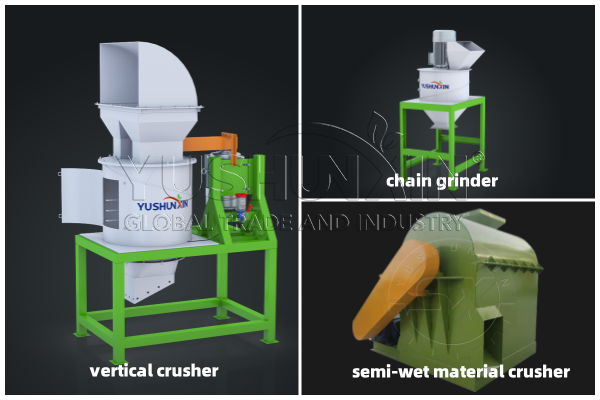
In the crushing stage, raw materials are further processed to achieve the desired consistency and particle size. This step is critical for enhancing the absorbency and texture of the cat litter. Specialized machinery such as crushers and pulverizers are employed to break down the raw materials into uniform particles, ready for the next stage of production.
fertilizer crushing machine for cat litter production
4. Sifting Materials
Following the crushing stage, the materials undergo a sifting process to remove any oversized or undersized particles. This ensures uniformity in particle size, essential for consistent performance in absorbing moisture and controlling odor. Fertilizer sifting equipment is utilized to achieve precise particle size distribution, resulting in high-quality cat litter with optimal clumping properties.
5. Mixing Materials and Additives
Once the raw materials are prepared and sifted, they are carefully blended to create the final cat litter formula. Additives such as fragrance enhancers, antimicrobial agents, and moisture-absorbing compounds are precisely measured and added to the mixture according to specific formulations. The mixing process is closely monitored to ensure thorough dispersion of additives, resulting in a homogenous blend ready for granulation.
6. Granulating Cat Litter
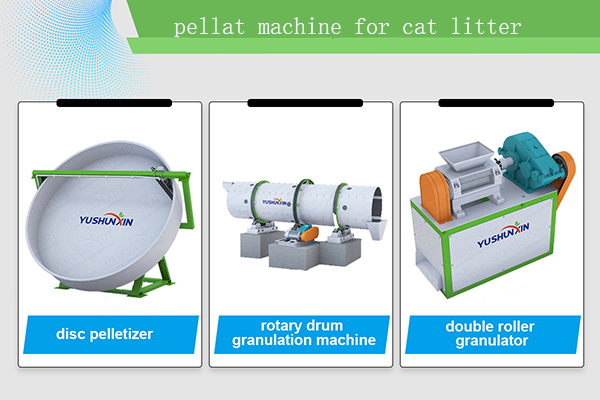
Granulation is a crucial stage in cat litter production, where the mixed materials are formed into granules of uniform size and shape. This is typically achieved using a granulator or pelletizer, which compacts the mixture under controlled pressure to create consistent granules. The granulation process enhances the clumping ability and absorbency of the cat litter, ensuring easy scooping and effective odor control.
fertilizer pellet machine for cat litter production line
7. Drying, Cooling, and Packing
The final stage of cat litter production involves drying, cooling, and packing the granules for distribution. The granules are carefully dried to remove any remaining moisture, ensuring optimal performance and shelf stability. After drying, the cat litter is cooled to room temperature before being packed into bags or containers of various sizes. Each package is sealed to preserve freshness and prevent moisture ingress, ready to be shipped to retailers and cat owners worldwide.
In conclusion, the production of cat litter is a meticulous process that involves careful selection, preparation, and processing of raw materials to create a high-quality product. From the initial stages of raw material preparation to the final packaging phase, each step is essential in ensuring the effectiveness and reliability of cat litter for maintaining a clean and hygienic environment for cats and their owners. Click https://www.fertilizerequipmentprice.com/cat-litter-production-line/
In recent years, the organic agriculture movement has gained significant traction among consumers, farmers, and policymakers alike. With an increasing demand for sustainable farming practices and organic food, the production of organic fertilizers has become an industry of paramount importance. Large-scale organic fertilizer manufacturing is not just an environmentally conscious decision but also a response to a growing market need. In this blog post, we’ll delve into the world of organic fertilizer production on a grand scale, exploring its benefits, challenges, and the future it holds for agriculture.
The Organic Advantage
Organic fertilizers are derived from natural sources such as plant, animal, and mineral matter. Unlike their synthetic counterparts, these fertilizers enrich the soil with organic matter, nitrogen, phosphorus and potassium, promoting soil health, increasing water retention, and encouraging biodiversity. The advantages are clear: – Sustainable Practices: Organic fertilizers contribute to sustainable agricultural cycles, avoiding the depletion of soil nutrients and reducing chemical runoff into water bodies. – Enhanced Soil Structure:The use of organic materials improves soil structure, leading to better root growth and enhanced nutrient uptake by plants. – Long-term Fertility:Organic fertilizers release nutrients slowly, providing a long-term supply of nourishment to crops.
Scope of Large-Scale Production
Transitioning from small-scale composting to large-scale organic fertilizer manufacturing requires significant investment and strategic planning. Here’s what such a scale of operation typically encompasses:
– Sourcing Raw Materials:Large-scale production of organic fertilizer relies on extensive sources of organic waste, such as crop residues, livestock manure, food waste, and industrial organic by-products. – Advanced Composting Techniques:Employing advanced composting methods like windrow composting, in-vessel composting, or aerated static pile composting can handle substantial quantities of organic waste efficiently. – Quality Control:Consistent product quality is vital. This involves regular testing for nutrient content, pathogen levels, and the presence of any contaminants. – Packaging and Distribution:Efficient packaging solutions are required to handle large volumes, along with a robust distribution network to reach diverse markets.
– Facility and Infrastructure:This includes the cost of land, construction, and the setup of composting systems and storage facilities. – Machinery and Equipment: Investment in heavy-duty equipment like compost turners, shredders, mixers, granulators, and packaging machines is necessary. Click here to learn more. – Regulatory Compliance:Ensuring adherence to environmental regulations and obtaining necessary certifications can incur additional costs. – Research and Development:Staying competitive may require ongoing R&D to improve product effectiveness and to develop new fertilizer formulations.
Fertilizer Production Machinery
Overcoming Challenges
Expanding into large-scale organic fertilizer production is not without its challenges:
– Supply Chain Management:Establishing reliable sourcing channels for organic waste and managing logistics is crucial. – Odor Control and Environmental Concerns:Large-scale composting operations must address odor control and ensure minimal environmental impact. – Market Competition:Competing against established chemical fertilizers and other organic products requires strategic marketing and brand positioning.
The Future Holds Promise
Despite the challenges, the future for large-scale organic fertilizer manufacturing looks bright, driven by factors such as:
– Policy Support:Many governments now promote organic farming through incentives and subsidies. – Market Demand:The organic food market is witnessing robust growth, with consumers increasingly willing to pay a premium for sustainable produce. – Technological Innovation:Advances in composting technologies and automation are making large-scale production more viable and efficient.
Conclusion
As the world tilts toward sustainable farming, large-scale organic fertilizer manufacturing stands out as a crucial industry for the future of agriculture. It represents an intersection of ecological responsibility and economic opportunity, offering a way to support the planet’s health while tapping into a lucrative market. Though not without its challenges, the industry’s trajectory suggests that organic fertilizer production will continue to scale up, fueled by innovation, policy support, and a collective commitment to sustainable agriculture. If you are interested in the ptoject, you can visit https://www.fertilizerbusinessplan.com/how-to-make-organic-fertilizer-in-a-large-scale/
Poultry farming is a thriving industry that provides a significant source of protein for consumers worldwide. However, with the growth of poultry production comes a challenge – the disposal of poultry waste. Poultry waste, such as manure and bedding materials, can be a significant environmental problem if not managed properly. Fortunately, fertilizer making machines offer a sustainable and cost-effective solution for converting poultry waste into valuable organic fertilizers. In this blog, we will explore the benefits and process of poultry waste disposal by fertilizer making machines and how this innovative technology is transforming waste management in the poultry industry.
1. The Problem of Poultry Waste Disposal:
Poultry waste, including manure, feathers, bedding materials, and feed residues, can pose a range of environmental and health risks if not managed effectively. Improper disposal of poultry waste can lead to water and soil contamination, emissions of greenhouse gases, and the spread of pathogens and diseases. Traditional disposal methods, such as land application and landfilling, are often inefficient, costly, and unsustainable in the long run. Finding a sustainable solution for poultry poop management is crucial for the environmental sustainability of the poultry industry.
Poultry manure to fertilizer process
2. The Role of Fertilizer Making Machines:
Fertilizer making machines are specialized equipment designed to convert organic waste materials, such as poultry manure, into high-quality organic fertilizers through a process known as composting or fermentation. These machines utilize a series of processes, including shredding, mixing, fermentation, and granulation, to transform poultry waste into nutrient-rich organic fertilizers that can improve soil fertility, enhance crop productivity, and reduce the reliance on chemical fertilizers. Click here to learn more.
3. Benefits of Poultry Waste Disposal by Fertilizer Making Machines:
– Environmental sustainability: Fertilizer making machines provide a sustainable solution for poultry waste disposal by converting organic waste into valuable fertilizers, reducing the environmental impact of waste disposal and promoting a circular economy approach. – Nutrient recycling: Poultry waste contains valuable nutrients, such as nitrogen, phosphorus, and potassium, that can be recycled and reused as organic fertilizers to improve soil health and crop yields. – Cost-effective: By converting poultry waste into organic fertilizers, farmers can reduce their dependence on chemical fertilizers, lower input costs, and improve the overall profitability of their operations. – Pathogen reduction: The poultry manure composting process carried out by fertilizer making machines helps to eliminate pathogens, weed seeds, and odors present in poultry waste, making the resulting fertilizers safe and beneficial for agricultural use. – Soil health improvement: Organic fertilizers produced from poultry waste by fertilizer making machines can enhance soil structure, increase microbial activity, and promote soil health, leading to sustainable and productive agricultural practices.
4. Applications of Organic Fertilizers from Poultry Waste:
– Crop production: Organic fertilizers derived from poultry waste can be used to enhance soil fertility, promote plant growth, and increase crop yields in a wide range of agricultural crops, including fruits, vegetables, grains, and legumes.
– Horticulture: Organic fertilizers are well-suited for use in horticultural applications, such as gardening, landscaping, and ornamental plant cultivation, to improve soil quality, support plant growth, and reduce environmental impact. – Sustainable agriculture: Organic fertilizers from poultry waste play a vital role in sustainable agriculture practices by reducing chemical inputs, minimizing environmental pollution, and promoting soil conservation and biodiversity.
Conclusion:
Fertilizer making machines offer a sustainable and innovative solution for poultry waste disposal by converting organic waste into valuable organic fertilizers that benefit both the environment and agricultural productivity. By embracing this technology, poultry farmers can effectively manage their waste streams, reduce environmental impact, and enhance soil health and crop yields. Poultry waste disposal by fertilizer making machines represents a win-win solution that turns waste into wealth and contributes to a more sustainable and resilient food production system for future generations. If you are interested in poultry manure waste disposal machine, you can visist https://www.manuremanagementplan.com/poultry-waste-disposal-system/ for more details.
Organic fertilizer is a vital component for promoting healthy and sustainable agricultural practices. Unlike chemical fertilizers, organic fertilizers are derived from natural sources and provide numerous benefits to soil health, plant growth, and the environment. In this comprehensive guide, we will delve into the process of making 2TPH (2 tons per hour) of organic fertilizer. Whether you’re a small-scale farmer or a large agricultural operation, producing your own organic fertilizer can be a cost-effective and eco-friendly solution.
Chapter 1: Understanding Organic Fertilizers
Before diving into the production process, it’s essential to understand what organic fertilizers are and why they are beneficial. Organic fertilizers are made from organic materials such as compost, animal manure, biogas residues, and other natural substances. They improve soil structure, enhance nutrient availability, and promote beneficial microbial activity, leading to healthier crops and increased yields.
Chapter 2: Selecting Raw Materials
The first step in making 2TPH of organic fertilizer is selecting the right raw materials. The choice of raw materials depends on factors like availability, nutrient content, and the specific needs of your crops. Common organic materials used in fertilizer production include compost, poultry or livestock manure, crop residues, and green waste. Ensure that these materials are free from contaminants and pathogens.
Chapter 3: Composting
Composting is a crucial process in organic fertilizer production project. It involves the decomposition of organic materials into nutrient-rich humus. To start composting, create piles of your chosen raw materials, ensuring a balanced mix of carbon-rich (browns) and nitrogen-rich (greens) materials. Regular turning and aeration are essential to maintain proper decomposition and prevent odor issues. The composting process can take several months, so patience is key.
Chapter 4: Grinding and Shredding
Once your compost is fully decomposed and matured, it’s time to prepare it for further processing. Grinding and shredding the composted material into smaller particles is essential to ensure even distribution of nutrients in the final fertilizer blend. This step can be achieved using a grinder or shredder machine, depending on the scale of production.
Chapter 5: Mixing and Blending
Achieving a balanced nutrient profile in your organic fertilizer is vital for optimal plant growth. Mixing and blending various composted materials and additives can help achieve this balance. Consider adding supplementary ingredients like rock dust, bone meal, or fish meal to enhance the nutrient content. Use a mechanical mixer to ensure thorough blending of all components.
Chapter 6: Drying and Pelletizing
The next step is to reduce the moisture content of the mixed materials. Excess moisture can lead to clumping and deterioration of the fertilizer during storage. Drying can be accomplished using a rotary dryer or other suitable equipment. Once adequately dried, the material can be pelletized into uniform-sized granules for ease of application and efficient nutrient release. Pan Pellezizer Machine and rotary drum granulator are the best choice for you.
Chapter 7: Quality Control and Testing
Before packaging your organic fertilizer, it’s essential to conduct quality control tests. These tests include checking nutrient content, pH levels, and ensuring that the product is free from contaminants. Regular testing and quality assurance procedures are critical to producing a consistent and effective organic fertilizer.
Chapter 8: Packaging and Storage
Packaging your organic fertilizer in suitable containers is the final step in the production process. Ensure that the packaging materials are durable and can protect the product from moisture and pests. Proper labeling with nutrient content information and application instructions is also essential. Store the packaged fertilizer in a dry, cool, and well-ventilated area to maintain its quality.
Chapter 9: Application and Benefits
Now that you’ve successfully produced 2TPH of organic fertilizer, it’s time to reap the benefits. Organic fertilizer promotes soil health, reduces the risk of nutrient runoff, and enhances crop yields while minimizing the environmental impact. Follow recommended application rates and methods to maximize the positive effects on your crops and soil.
Conclusion
Producing 2TPH of organic fertilizer is a rewarding endeavor that contributes to sustainable agriculture and healthy ecosystems. By following the steps outlined in this guide, you can create high-quality organic fertilizer tailored to your specific agricultural needs. Remember that organic fertilizer production is a continuous process, and ongoing monitoring and adjustment are key to achieving consistent results. SX also can provide you with NPK fertilizer production project if you need.
Poultry manure is a valuable organic resource that can be transformed into nutrient-rich fertilizer for improving soil fertility and promoting plant growth. The process of converting poultry manure into fertilizer requires careful attention and proper techniques to ensure its effectiveness and minimize environmental impacts. Here are some essential tips for poultry manure fertilizer making:
1. Proper Collection and Storage of Manure:
Effective poultry manure fertilizer production begins with proper collection and storage of the manure. It’s crucial to have well-designed poultry housing and waste management systems to prevent contamination and maintain the quality of the manure. Regular cleaning of the poultry facilities and proper segregation of manure from bedding materials contribute to a higher-quality end product.
2. Composting for Pathogen Reduction:
Composting is an essential step in poultry manure fertilizer production as it helps reduce pathogens, weed seeds, and odors. Combine the manure with carbon-rich materials like straw, leaves, or wood chips to create a balanced carbon-to-nitrogen ratio. Turn the compost regularly to ensure proper aeration and decomposition. The composting process generates heat that helps eliminate harmful microorganisms.
3. Monitoring Temperature and Moisture:
During composting, monitoring temperature and moisture levels is crucial. The ideal temperature range for composting poultry manure is between 130°F and 150°F (54°C to 65°C). Use a compost thermometer to track the temperature and adjust the moisture content to around 40-60%. Proper moisture and temperature control accelerate the breakdown of organic matter and facilitate the development of nutrient-rich compost.
4. Ensuring Nutrient Balance:
To create a balanced poultry manure fertilizer, it’s essential to consider the nutrient composition. Poultry manure is rich in nitrogen, phosphorus, and potassium, but its nutrient content can vary based on factors such as bird diet and manure age. Conduct regular soil tests to determine the nutrient needs of your crops and adjust the manure application rates accordingly to avoid overloading the soil with certain nutrients.
5. Compost Curing and Maturation:
After the active composting phase, allow the poultry manure compost to cure and mature. This process further stabilizes the compost and reduces the risk of nutrient loss when applied to the soil. Curing usually takes a few weeks to several months, depending on local climate conditions. Turn the compost periodically during this phase to promote even maturation.
6. Granulation for Easy Application:
Granulating the composted poultry manure can make it easier to handle and apply. Granulation involves forming the compost into small, uniform pellets or granules. This not only enhances the nutrient distribution but also improves the convenience of application using machinery such as spreaders. The granules release nutrients slowly, promoting consistent plant growth over time. For this, you can choose SX disc pelletizer and rotary drum pelletizer machine.
7. Testing Fertilizer Quality:
Before applying the poultry manure fertilizer to your crops, it’s advisable to test its quality. Analyze the nutrient content of the fertilizer to ensure it meets the specific requirements of your plants. You can send samples to a reputable agricultural laboratory for comprehensive nutrient analysis. Adjust the application rates based on the lab results to achieve optimal plant nutrition.
8. Application Techniques:
When applying poultry manure fertilizer, adopt appropriate techniques to minimize nutrient runoff and maximize uptake by plants. Incorporate the fertilizer into the soil during planting or use top-dressing methods for established crops. Avoid direct contact with plant foliage to prevent burning and nutrient imbalances. Click here to learn more
9. Environmental Considerations:
While poultry manure fertilizer can greatly enhance soil fertility, its application should be carried out with environmental responsibility. Avoid over-application to prevent nutrient leaching into water bodies, which can lead to water pollution. Adhere to local regulations and guidelines for proper manure management to protect ecosystems and water quality.
10. Continuous Learning and Improvement:
Poultry manure fertilizer production is a dynamic process that can benefit from ongoing learning and improvement. Stay updated with the latest research and best practices in organic farming and nutrient management. Experiment with different composting techniques, application rates, and crop rotations to optimize the use of poultry manure as a valuable resource for sustainable agriculture.
In conclusion, poultry manure fertilizer making is a multi-step process that involves careful handling, composting, nutrient balancing, and responsible application. By following these tips, farmers and gardeners can effectively harness the potential of poultry manure to enhance soil health, increase crop yields, and contribute to a more sustainable agricultural system. If you need poultry manure composting, you can visit https://www.fertilizerproductionproject.com/poultry-waste-composting/.
Manufacturing fertilizer from cattle manure involves several steps to ensure the production of high-quality, nutrient-rich fertilizer while minimizing environmental impacts. Here are some tips to consider for cattle manure fertilizer manufacturing:
1. Raw Material Collection and Preparation:
Collect fresh cattle manure and any additional organic materials required for the composting or fermentation process.
2. Nutrient Management:
According to local crop requirements, determine the nutrient content and composition of the cattle manure fertilizer. And develop suitable manure management systems for cattle. For example, consider mixing the manure with carbon-rich materials (such as straw, sawdust, or leaves) to achieve the optimal carbon-to-nitrogen ratio for composting.
3. Composting or Fermentation:
Composting or fermenting the cattle manure is crucial to break down organic matter, reduce pathogens, and enhance nutrient availability.
Turn the compost pile regularly to provide oxygen and ensure even decomposition. Monitor temperature and moisture levels.
4. Quality Control:
Regularly test the compost for temperature, moisture, and nutrient content to ensure proper decomposition and maturity.
Adjust the composting process if necessary to achieve optimal results.
If required, dry the granulated fertilizer to reduce moisture content and prevent caking.
Allow the fertilizer to cool before packaging is a tip for faster cow manure fertilizer production..
7. Packaging and Storage:
Package the finished fertilizer in appropriate containers, such as bags or bulk storage.
Store the fertilizer in a dry, cool, and well-ventilated area to prevent deterioration.
8. Environmental Considerations:
Implement proper odor control measures to minimize nuisance odors.
Ensure that runoff and leachate from the manufacturing process are properly managed to prevent pollution.
9. Compliance with Regulations:
Familiarize yourself with local regulations regarding composting, fertilizer production, and waste management.
Ensure that your manufacturing process adheres to these regulations.
10. Worker Safety:
Provide appropriate personal protective equipment (PPE) for workers involved in the manufacturing process, especially during compost turning and equipment operation.
11. Record Keeping:
Maintain detailed records of the manufacturing process, including raw materials used, composting/fermentation parameters, testing results, and application rates.
12. Continuous Improvement:
Continuously monitor and evaluate your manufacturing process to identify areas for improvement and optimize efficiency and product quality.
By following these tips, you can effectively manufacture high-quality fertilizer from cattle manure, contributing to sustainable agriculture practices and soil enrichment. If you need cow manure fertilizer making, you can visit https://www.fertilizerbusinessplan.com/manure-management-systems-for-cattle/ for more information.
Organic fertilizer is gaining popularity among gardeners and farmers due to its environmentally friendly nature and ability to enhance soil fertility. One effective method of producing organic fertilizer is by using a New Type Organic Fertilizer Granulator. This innovative equipment not only helps in converting organic materials into high-quality fertilizer granules but also ensures a sustainable and eco-conscious approach to farming. In this guide, we will take you through the step-by-step process of making organic fertilizer using a New Type Organic Fertilizer Granulator, complete with detailed instructions and important tips.
new type granulator for making organic pellets
Step 1: Gather Your Ingredients
Before you begin the process of making organic fertilizer, it’s crucial to gather all the necessary ingredients. Organic materials such as kitchen scraps, yard waste, livestock manure, and crop residues are excellent choices. These materials contain essential nutrients that, when processed, will enrich the soil and promote plant growth.
Step 2: Pre-Treatment of Organic Materials
To ensure that the organic materials are in the optimal condition for granulation, pre-treatment is necessary. This may involve shredding or crushing larger materials, such as branches or crop residues, into smaller pieces. Smaller particles are easier to granulate and result in more uniform fertilizer pellets.
Step 3: Mixing and Fermentation
Proper mixing and fermentation of organic materials are crucial for creating high-quality organic fertilizer. Mix the various materials in appropriate ratios to achieve a balanced nutrient content. This mixture should then be left to undergo a controlled fermentation process. Fermentation not only breaks down complex organic compounds but also helps eliminate harmful pathogens, ensuring the safety of the final fertilizer product.
Step 4: Drying the Fermented Mixture
After fermentation, the mixture may contain excess moisture. Drying the fermented material is essential to achieve the right consistency for granulation. Spread the fermented mixture in a thin layer and allow it to dry naturally under the sun. Alternatively, a mechanical dryer can be used to speed up the drying process.
Step 5: Granulation Process
The highlight of this guide is the use of the New Type Organic Fertilizer Granulator for creating fertilizer granules. This advanced equipment utilizes high-speed rotary mechanical stirring force, combining the dried organic materials with a binder. As the materials are mixed and stirred, they form into small granules.
Step 6: Curing the Granules
Once the granulation process is complete, the newly formed fertilizer granules need to be cured. Curing involves allowing the granules to rest and stabilize, ensuring that they maintain their shape and nutrient content. This step usually takes place in a controlled environment with proper ventilation to prevent moisture buildup.
Step 7: Screening and Packaging
After curing, the fertilizer granules should be screened to separate any oversized or undersized particles. The screened granules are then ready for packaging. Use environmentally friendly packaging materials to maintain the organic and sustainable theme of the fertilizer. Clearly label the packages with the nutrient content and usage instructions.
Step 8: Application of Organic Fertilizer
The final organic fertilizer product can now be applied to your garden or farm. Follow the recommended application rates based on the specific needs of your plants. Organic fertilizer improves soil structure, enhances nutrient retention, and promotes microbial activity, leading to healthier plants and increased yields.
Conclusion
Making organic fertilizer using a New Type Organic Fertilizer Granulator is a rewarding and eco-conscious way to enhance soil fertility and plant growth. By following these step-by-step instructions, you can produce high-quality organic fertilizer that nourishes your crops while minimizing environmental impact. Remember, organic fertilizers not only benefit your garden but also contribute to the overall health of our planet. If you want to make organic fertilizer in this machine, you can but a new type stirring granulator production line in your factory.
Composting pig manure is an effective way to transform a waste product into a valuable resource. Pig manure is high in nitrogen, phosphorus, and potassium, making it an excellent source of nutrients for plants. However, it can also be a source of pollution if not managed properly. In this article, we will discuss the steps for composting pig manure to create a nutrient-rich soil amendment for your garden.
Aniaml Manure for Organic Fertilizer Production
Step 1: Collecting Pig Manure
The first step in composting pig manure is to collect it. Pig manure can be collected using a shovel or a manure scraper. It is important to collect only the manure and not the bedding material, as the bedding material will slow down the composting process. Pig manure can be collected in a pile or a bin. If collecting in a pile, it is recommended to turn the pile regularly to ensure proper aeration and decomposition.
Step 2: Preparing the Composting Site
The composting site should be located in a well-drained area and away from water sources, such as streams or ponds. The site should be sunny, as the heat from the sun will help to accelerate the composting process. The composting site should be level and have good air circulation. The site should be prepared by removing any grass or vegetation, and a layer of gravel or wood chips should be added to the bottom to aid in drainage.
Step 3: Building the Compost Pile
The compost pile should be built in layers, starting with a layer of dry, carbon-rich material such as straw or leaves. This layer should be about 6 inches thick. Next, add a layer of pig manure, about 2 to 3 inches thick. Repeat this layering process until the pile is about 3 to 4 feet tall. The top of the pile should be covered with a layer of straw or leaves to help retain moisture.
Step 4: Maintaining the Compost Pile
The compost pile should be kept moist but not wet. If the pile is too wet, it may become anaerobic, which will slow down the composting process and create an unpleasant odor. The pile should be turned regularly to ensure proper aeration and decomposition. The pile should be turned every 3 to 5 days, or when the internal temperature of the pile drops below 100°F. The internal temperature of the pile can be measured using a compost thermometer.
Step 5: Harvesting the Compost
The compost pile will be ready to harvest when it has decomposed into a dark, crumbly, soil-like material. This process can take anywhere from 6 to 12 months, depending on the size of the pile and the environmental conditions. To harvest the compost, the pile should be turned onto a tarp or into a wheelbarrow. Any large pieces of material should be removed, and the compost should be screened to remove any remaining debris.
Windrow Compost Turner
In conclusion, composting pig manure is an effective way to transform a waste product into a valuable resource. By following these simple steps, you can create a nutrient-rich soil amendment for your garden while reducing waste and preventing pollution. Remember to always wear gloves and wash your hands thoroughly after handling pig manure. Happy composting!
Of course, you can check this page for more details about the design and structure of the pig manure machine!
Setting up an organic fertilizer making plant can be a complex process, but here are some general steps you can follow:
Conduct Market Research
Conduct research to understand the demand for organic fertilizers production in your region. Identify the different types of organic fertilizers that are in demand.
Identify a location for the plant that is easily accessible to the raw materials required for your organic fertilizer making process. The location should also be near potential customers for the end product.
Obtain Permits and Licenses
Obtain the necessary permits and licenses required to start a organic fertilizer production project. This may include environmental permits, zoning permits, and business licenses.
Purchase Equipment
Purchase the equipment necessary for the manufacturing process. And SX fertilizer making machines are excellent choice. Whether you want to make granular organic fertilizer or powdery. It can provide you with mixers, grinders, pelletizers, dryers, and packaging machines. Click to learn more
Equipment commonly used in organic fertilizer production
Source Raw Materials
Source the raw materials required for the fertilizer making process. This may include organic waste materials such as animal manure waste, industrial waste, and agricultural waste.
Test the manufacturing process and optimize it for efficiency and quality.
Develop a Marketing Plan
Develop a marketing plan to promote the organic fertilizer and reach potential customers. This may include advertising, attending trade shows, and working with distributors.
Monitor and Improve
Monitor the manufacturing process, customer satisfaction, and market trends. Continuously improve the process and product to remain competitive in the market.
It is important to note that the process of setting up an organic fertilizer making plant may vary depending on the specific location and market conditions. Therefore, it is recommended to seek advice from experts and professionals in the industry. You can visit https://www.fertilizerbusinessplan.com/organic-fertilizer-production-project/ for reference.
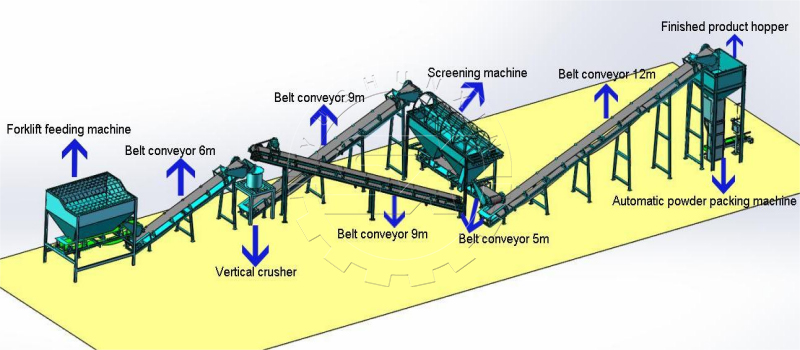
A powdery organic fertilizer production line is a new type of fertilizer production line with high efficiency and high automation. The whole powder fertilizer production line is composed of a batching system, a crushing system, a screening system, and a packing system. The production line has the advantages of high efficiency, low energy consumption, and a good granulation effect.
Key components of a powdery prganic fertilizer production line
As the name suggests, the organic fertilizer production line is a line of equipment that produces organic fertilizer from organic waste. The production process is simple: organic waste is first composted, then crushed, dried, screened and finally packaged for sale.
There are many organic fertilizer production lines on the market, but not all of them are created equal. When choosing an organic fertilizer production line, it is important to consider the key components that will make the production process efficient and effective.
The production process of powdery organic fertilizer
Organic fertilizer is made from natural materials and is a key component in sustainable agriculture. It can be used to improve soil health, supply nutrients(nitrogen, phosphorus, potassium, etc) to plants, and increase crop yields.
There are many different types of organic fertilizer, but they all generally fall into two categories: solid or liquid. Solid organic fertilizer is usually in the form of pellets or granules, while liquid organic fertilizer is typically a liquid solution or suspension.
The production process of powdery organic fertilizer generally involves mixing the desired ingredients together and then grinding them into a fine powder. This type of fertilizer is often used as a top dressing for crops or as a way to fortify compost before using it in the garden.
Quality control of powdery organic fertilizer
Organic fertilizer is an important part of sustainable agriculture. It is essential for maintaining soil health and fertility, and it can provide many benefits for crops and plants. However, organic fertilizer can also be a source of pollution if it is not managed properly.
Powdery organic fertilizer can be a particularly difficult type of fertilizer to control. It can easily become airborne and be transported long distances by the wind. This can cause problems for both the environment and for human health.
There are a number of ways to control the quality of powdery organic fertilizer. Farmers and agricultural businesses should work closely with their suppliers to ensure that the fertilizer meets their needs and does not contain harmful levels of contaminants. They should also have a plan in place for storing and using the fertilizer to minimize the chances of it becoming a pollution problem. Click here for more details of powder organic fertilizer making.
Process of powdery organic fertilizer production line
The cost of setting up a powdery prganic fertilizer production line
When people have a lot of crops that they are growing, they need to make sure that they are taking care of them properly. Water and fertilizer will help to keep the plants healthy so that they can produce good fruits and vegetables. When a person wants to make sure that they are doing the best that they can when it comes to fertilizing, they need to have the right plans to carry out so that they are able to get the most from it.
As they are proceeding to make plans for their fertilizing efforts, they should have several to choose from. They may need to change their direction of the plan that they are undertaking at the moment due to unforeseen events like weather conditions and other things that can interrupt their original plan. When this happens, they just will use the other plan that they have developed. Here are some ways that they can change their plans:
large capacity organic fertilizer granulating plan
Equipment
Should their equipment become faulty while they are carrying out their plan of manufacturing the fertilizer, they may need to pick from another machine that will work for their particular situation. Having a backup piece of equipment is a good idea for anyone that is making the fertilizer so that they are always as prepared as they can be.
Timing
When the weather changes and there is no time to do the fertilizing efforts, they will need to change their plan. Making it work on another day will be what they will need to do. They will want to have alternate choices so that they can still get in a full day’s work when the weather clears up.
New Type Organic Fertilizer Production Line
Storage
Alternate places to store the fertilizer may be necessary. They will want to have several places in mind so that when they need the extra room for storage, they will have it available for them. Making sure that they have the plans for this is essential and it will go smoothly when they have these other spaces intact(Fertilizer packing machine used for making your fertilizer much easier to store).
Help
When people are in the business, they will have a need for additional help to keep their company in the red and the work running smoothly. They may need to have plans to bring in more people that can assist with the daily duties. They will work hard and a replacement for them may be something that is needed. When they are aware of this, they can make great strides in their goals that they have set.
Having other plans that can work is essential for a person that wants to have a fertilizer company in place. They need to make sure that their plans are foolproof so that they will be able to move forward with their company and their goals. Making the most out of what they have is necessary and they will be better off when they take the time to formulate plans that they can count on through anything.


 In the end, if you want to make organic fertilizer and you don’t know how to do it, you can visit my website: