When you discuss a new organic fertilizer project, the first question is usually the investment. In 2026, an equipment-only budget may start around USD 30,000–100,000 for a basic powder line, while a commercial granulation line can range from about USD 100,000 to USD 550,000 or more. Your final budget depends on capacity, raw material condition, product form, automation, environmental systems, and the supplier’s delivery scope.
Start With Your Product and Capacity
Before comparing prices, you can define whether you plan to sell powder or granules. A powder line normally uses compost crushing, screening, blending, and packing equipment. A granule line adds granulation, drying, cooling, coating, and return-material handling, so its investment is usually higher.
Capacity also changes the number and size of machines. A 1–3 t/h farm project may use a compact arrangement, while a 10–20 t/h factory often needs larger storage, continuous feeding, multiple packaging positions, and more workshop space. A practical organic fertilizer production line design and layout helps you compare equipment cost together with land use, material flow, maintenance access, and future expansion.
What Does a Turnkey Price Include?
When you receive a turnkey organic fertilizer plant price, you can check the quotation boundary carefully. Some offers cover only the main machines. Others may include conveyors, platforms, electrical cabinets, dust collection, installation guidance, commissioning, and operator training.
Civil construction, power connection, boilers, laboratories, forklifts, warehouses, and local permits may remain outside the equipment quotation. Asking for a clear inclusion and exclusion list makes different supplier proposals easier to compare.
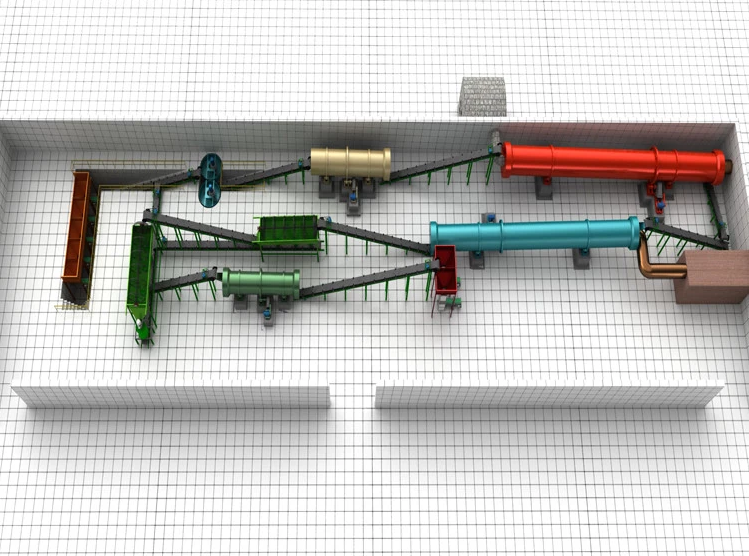
How Automation Changes the Budget
Automation can reduce manual feeding, weighing errors, and repeated handling, although it adds instruments, control cabinets, sensors, and programming. The PLC controlled organic fertilizer production line cost depends on how many sections you want to monitor and connect.
You may begin with automatic batching and packing, then reserve interfaces for palletizing, production records, and remote monitoring. This approach gives you room to expand without paying for every function at the first stage. click here for more details.
Include Environmental and Operating Costs
Your budget can also cover odor treatment, ventilation, wastewater handling, and organic fertilizer plant dust emission control. These systems influence workshop conditions, local approval, equipment cleanliness, and long-term operation.
It is also useful to estimate electricity, fuel, labor, wearing parts, packaging materials, and maintenance. A lower purchase price may not produce the lowest cost per tonne if the line consumes more energy or creates frequent stoppages.
Prepare Information Before Requesting a Price
When considering how to get an organic fertilizer plant quotation, you can provide your raw material, moisture level, hourly capacity, annual operating days, target product, package size, available land, power supply, and preferred automation level.
With this information, your supplier can prepare a more relevant process plan, equipment list, layout, utility estimate, and project budget. You can then compare solutions based on total project scope rather than one headline price for your planned market. If you are interested in organic fertilizer plant cost, you can visit: https://www.shunxin.eu/organic-fertilizer-production-plant-cost/