Масштабные компостеры для обработки навоза: “сердце” зеленого животноводства и экологического земледелия

С развитием животноводства количество крупных и средних ферм быстро растёт, и вместе с этим становится все более актуальной проблема утилизации больших объемов навоза. Как эффективно, экологично и экономично перерабатывать навоз, избегая загрязнения окружающей среды и превращая отходы в ресурс, — важная задача для современного сельского хозяйства. Появление и внедрение компостеров для навоза стало революционным решением этой проблемы.

Biofertilizer composting machine

Что такое масштабный компостер для навоза?

Масштабный компостер для навоза — это автоматизированное оборудование, предназначенное для обработки крупных объемов органических отходов на фермах и в аграрных комплексах. Он превращает большое количество навоза с помощью термического аэробного брожения в безопасное органическое удобрение, одновременно решая вопросы утилизации, обезвреживания и ресурсосбережения.

Как компостер эффективно перерабатывает большие объемы навоза?

Автоматическая непрерывная обработка
Масштабные компостеры оснащены системами автоматической подачи сырья, перемешивания, контроля температуры и аэрации, что позволяет работать круглосуточно и обрабатывать сотни и даже тысячи тонн навоза ежедневно.

Интеллектуальное управление процессом
Встроенные датчики и системы управления в реальном времени контролируют температуру, влажность, уровень кислорода и автоматически корректируют режимы вентиляции, увлажнения и перемешивания, обеспечивая оптимальные условия для жизнедеятельности микроорганизмов и ускоряя разложение органики.

Высокотемпературное обеззараживание
В условиях высокотемпературного брожения (50-65℃) патогенные микроорганизмы и яйца гельминтов эффективно уничтожаются. Процесс занимает обычно 7-20 дней, а на выходе получается рыхлое, без запаха и удобное для применения органическое удобрение.

Многофункциональность и универсальность
Компостер подходит для переработки не только навоза, но и соломы, растительных остатков, пищевых отходов и других органических материалов, что повышает эффективность его использования.

Многоуровневая ценность компостера для навоза

Экологическая безопасность: снижает загрязнение почвы, воды и воздуха, способствует экологизации сельских территорий
Энергосбережение: некоторые модели используют солнечную энергию или биогаз, уменьшая затраты
Экономическая выгода: полученное удобрение можно использовать на собственных полях для улучшения почвы и качества урожая или продавать, увеличивая доходы фермы
Соответствие государственной политике: отвечает требованиям программ по ресурсосбережению и развитию зеленого сельского хозяйства, способствует устойчивому развитию агропредприятий

Обработка отображения Перепелиного подстилочного помёта

Тенденции развития

С развитием интеллектуального сельского хозяйства и зеленой экономики компостеры для навоза становятся всё более умными, крупными и индивидуализированными. Применение IoT и больших данных упрощает управление оборудованием и гарантирует качество продукции. Новые технологические решения сокращают сроки компостирования и увеличивают эффективность удобрений.

Компостеры для навоза как “сердце” масштабной обработки отходов ведут животноводство и земледелие к более экологичному, эффективному и устойчивому будущему. Если у вас есть потребность в переработке навоза или производстве органических удобрений — пишите нам, и давайте вместе строить зеленое будущее! Более подробную информацию можно найти на сайте:https://www.liniyaudobreniy.com/kompost/

Troubleshooting Guide for Modern Cat Litter Manufacturing Systems

Whether you produce bentonite cat litter, tofu cat litter, or mixed-formula litter, certain technical challenges often appear during industrial production. Understanding these issues—and selecting the right cat litter production line or granulation system—is key to maintaining efficient output and consistent pellet quality. Below are the most common problems found in cat litter manufacturing plants and practical ways to solve them.

El granulador de discos produce arena para gatos

1. Irregular Pellet Size or Poor Granule Shape

In many factories, operators struggle to keep pellets uniform. This happens frequently in cat litter granulating machines, such as disc pelletizers, drum pelletizers, or extrusion systems.

Possible Causes:

  • Unstable moisture content in raw materials

  • Inconsistent binder addition

  • Incorrect disc angle or drum speed

  • Poor mixing before granulation

Solutions:

  • Maintain moisture at the optimal range for your material:

    • Bentonite: 30–35%

    • Tofu cat litter: 28–32%

  • Use a continuous mixer to ensure uniform blending.

  • Adjust rotational speed and slope on disc or drum equipment.

  • Install automatic water-adding and binder-dosing devices in your cat litter pelletizing line.


2. Pellets Break Easily During Drying or Bagging

Weak granule strength is another common issue in clumping cat litter manufacturing.

Possible Causes:

  • Insufficient kneading or mixing

  • Low-quality binders

  • Inadequate maturation time

  • Over-drying

Solutions:

  • Use a paddle mixer or high-shear mixer to increase internal bonding.

  • Choose binders suitable for your formula (e.g., guar gum, corn starch, bentonite slurry).

  • Control dryer outlet moisture to avoid brittle pellets.

  • Consider a roller-press strengthening step for bentonite products.


3. Excessive Dust in Final Product

Dust not only affects product appearance but also user experience.

Reasons for Dust Formation:

  • Incomplete granulation

  • Mechanical abrasion during conveying

  • Raw materials too dry

  • Insufficient screening

Fixes:

  • Add a fine-mist humidifier to the finishing section to reduce surface dust.

  • Use a multi-layer vibrating screen in your cat litter processing equipment.

  • Optimize conveyor angles and belt speeds.

  • Add coating oil for tofu cat litter to reduce friction.


4. Production Bottlenecks and Low Output

Some factories find that despite quality equipment, productivity remains low.

Typical Causes:

  • Crusher capacity mismatch

  • Slow drying speed

  • Insufficient cooling area

  • Manual weighing/packaging

Solutions:

  • Pair raw-material crushers with equal or higher throughput than the granulator.

  • Use a rotary dryer with adjustable airflow and burner control.

  • Add a counter-flow cooler to reduce drying load.

  • Integrate automatic packing machines into the cat litter manufacturing line

Are you ready to take your cat litter production to the next level? Our state-of-the-art cat litter production line is designed to deliver unmatched efficiency and quality, tailored to meet the unique demands of your business. If you need a business plan, welcome to visit:  https://www.fertilizerequipmentprice.com/cat-litter-production-line/

Overall Perspective on BB Fertilizer Production and Cost Factors

The setup of a BB fertilizer plant depends greatly on the equipment and machinery choices that determine the total production cost. The machinery configuration directly affects blending efficiency, raw material use, energy consumption, and maintenance budgets. A reasonable selection of fertilizer production equipment helps maintain a balanced quotation while ensuring product consistency. When a fertilizer factory plans to build or expand a bulk blending fertilizer production line, every machine—from raw material preparation to mixing and packing—plays a crucial role in optimizing cost and improving productivity.


What Raw Materials Are Suitable for Bulk Blended Fertilizer Production?

A BB fertilizer production plant generally uses straight fertilizers or compound fertilizers as base materials. Common raw materials include urea, ammonium sulfate, ammonium nitrate, potassium chloride, potassium sulfate, monoammonium phosphate, and diammonium phosphate. Some formulations may also include microelements such as zinc sulfate or borax, depending on the targeted soil and crop requirements. These raw materials must remain dry and uniform in size to match the blending process and reduce segregation during mixing. The selection and storage method of raw materials influence both the fertilizer manufacturing plant cost and the output quality. For instance, precise batching of nitrogen, phosphorus, and potassium materials through an automatic batching machine improves production efficiency and reduces waste, thereby controlling the total budget.

Materials of NPK Fertilizer Blending Production Line

How Does the Blending and Mixing Process Affect the Fertilizer Production Plant Cost?

The blending procedure represents the core of BB fertilizer production. The machinery chosen for this process determines not only the uniformity of the bulk blended fertilizer but also the overall energy consumption and labor cost. In small-capacity fertilizer factories, a simple BB fertilizer blender or a small horizontal mixer can handle the tasks with moderate investment. For large-scale bulk blending fertilizer production, a drum type BB fertilizer mixer ensures continuous and homogenous mixing, reducing downtime and improving batch accuracy. The advanced design of the mixing equipment shortens production time and lowers operational price per ton.
Moreover, the integration of an automatic control system provides stable performance and precise ingredient proportioning. When a fertilizer manufacturing plant uses a chain crusher or vertical crushing machine to treat raw materials before blending, the improved particle uniformity supports better mixing results. In some cases, if the materials must be granulated before blending, a double roller granulator efficiently produces uniform fertilizer granules at a reasonable cost, making the overall BB fertilizer plant setup more efficient.


Which Additional Machines Influence BB Fertilizer Factory Quotation and Efficiency?

The cost of a bulk blend fertilizer plant also depends on complementary production machines. An automatic or static batching machine ensures accurate feeding of raw materials into the mixer, minimizing errors and saving labor expenses. A bucket elevator transports materials between sections efficiently, reducing manual handling. A packing machine completes the production line, ensuring neatly packed bulk blended fertilizer with consistent weight and quality. Each of these machines contributes to the production cost structure and enhances the reliability of the fertilizer plant operation. Therefore, a fertilizer producer should analyze equipment performance, maintenance frequency, and energy use before finalizing a machinery quotation.


Conclusion

The total cost of a BB fertilizer plant setup depends on several connected factors—raw material characteristics, blending process efficiency, and equipment selection. A balanced configuration of crushing, batching, mixing, and packing machines ensures stable production, high precision, and controlled cost. Proper machinery choices not only improve bulk blended fertilizer quality but also reduce unnecessary expenditure during manufacturing. For investors or factory planners who intend to build or upgrade a bulk blending fertilizer production line, cooperation with a professional fertilizer equipment manufacturer such as Yushunxin provides reliable technical support and cost-effective machinery solutions for sustainable fertilizer production. You can visit: https://www.fertilizerproductequipment.com/bb-fertilizer-plant-cost/

Годовая распродажа! Эффективная грануляционная машина с нержавеющими валами — уникальные скидки в конце года

С приближением конца 2024 года, чтобы поблагодарить наших клиентов за доверие и поддержку, мы запускаем годовую акцию на грануляционную машину с нержавеющими валами! Беспрецедентные скидки, выгодные предложения для новых и постоянных клиентов — отличная возможность модернизировать производство к Новому году!

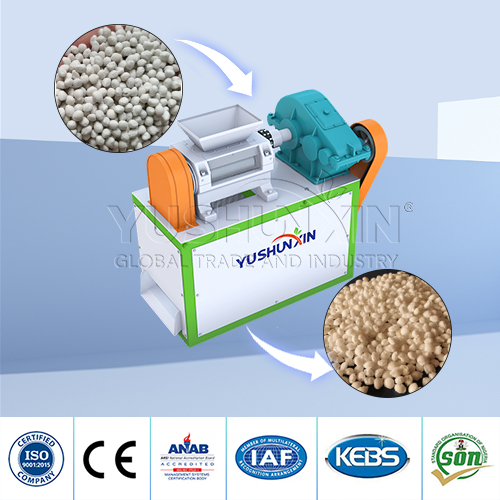
Гранулы, производимые валковым гранулятором

Описание продукции

Грануляционная машина с нержавеющими валами — это современное оборудование, сочетающее в себе высокую эффективность, экономичность и экологичность. Широко применяется в сельском хозяйстве, фармацевтике, производстве кормов, строительных материалах и экологической переработке. Машина выполнена из высококачественной нержавеющей стали, устойчива к коррозии, легко очищается, соответствует стандартам GMP. Метод прессования между валами позволяет получать однородные гранулы без добавления связующих веществ, что обеспечивает высокий выход и прочность гранул.

Преимущества

Долговечность: выполнена полностью из нержавеющей стали, устойчива к коррозии и износу, легко обслуживается
Высокая производительность и энергоэффективность: технология прессования валами обеспечивает низкое энергопотребление и высокую производительность
Простота эксплуатации: автоматизация, легкое управление, простота обслуживания
Широкая применимость: подходит для гранулирования различных порошкообразных материалов — удобрений, катализаторов, минеральных порошков, кормов и др.

Годовая акция

Скидки: при покупке определённых моделей — скидки до 15%
Бесплатные подарки: запасные части или индивидуальные матрицы в подарок при покупке
Бесплатная техническая поддержка: установка и обучение персонала за наш счёт
Расширенная гарантия: бесплатное увеличение заводской гарантии до двух лет
Трейд-ин: для постоянных клиентов — специальные условия обмена старого оборудования на новое

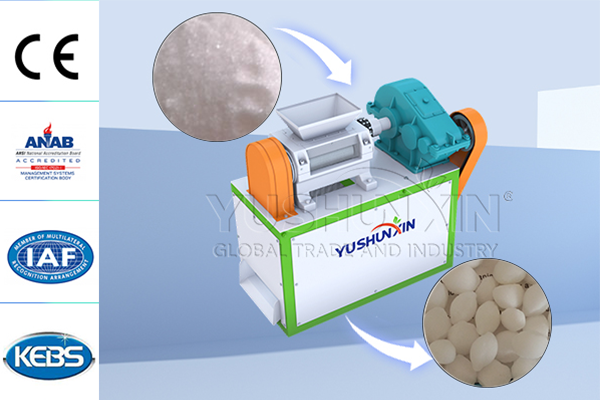
Двухвалковый гранулятор сульфата аммония

Отрасли применения

Производство удобрений: органические, комплексные, смешанные удобрения
Фармация: травяные гранулы, пищевые добавки
Кормовая промышленность: формование кормов для скота и рыбы
Экология: переработка промышленных отходов, утилизация золы и шлаков

Почему стоит выбрать нас

Лидерство в отрасли и высокое качество продукции
Выгодные условия годовой распродажи — реально экономьте!
Профессиональная и оперативная сервисная поддержка
Возможность индивидуального подбора оборудования под ваши задачи

Сроки акции

с 10 ноября 2025 г. по 31 декабря 2024 г.

Успейте воспользоваться выгодными условиями! Эффективная грануляционная машина с нержавеющими валами — ваш шаг к автоматизации и росту бизнеса! Более подробную информацию можно найти на сайте:https://www.sxmashina.com/dva-2t-rolikovykh-granulyatora-iz-nerzhaveyushchey-stali/

Choosing the Right Biofertilizer Granulation Equipment in 2025

In the modern biofertilizer manufacturing industry, selecting the right granulation equipment has become essential for improving product quality, reducing energy use, and meeting diverse market demands. As more producers upgrade their biofertilizer production systems, three types of granulating machines have proven to be the most efficient and reliable options in 2025.

1. Double Roller Extrusion Granulator – For Low-Moisture and Energy-Saving Production

The roller compactor granulator is an ideal choice for plants producing biofertilizer pellets with low moisture content. This dry granulation technology compresses powder materials directly into uniform granules without drying or cooling steps.
Its main advantages include:

Low power consumption and compact structure

Suitable for temperature-sensitive microbial fertilizers

Easy to maintain and fully enclosed for clean operation

For manufacturers seeking a cost-effective way to produce high-strength granules, this granulator remains one of the most popular options.

Гранулы, производимые валковым гранулятором

2. Disc Granulator – For Flexible Control of Particle Size

The pan granulator, also called a disc pelletizer, provides better flexibility in controlling granule size and density. It’s widely used in small and medium-scale organic biofertilizer production lines, especially where raw materials like composted manure, humic acid, or peat are used.
Operators can adjust the inclination angle and rotation speed to create uniform particles. Its simple design and visual operation make it ideal for new investors and research-based fertilizer plants.

3. Drum Granulator – For Large-Scale Continuous Production

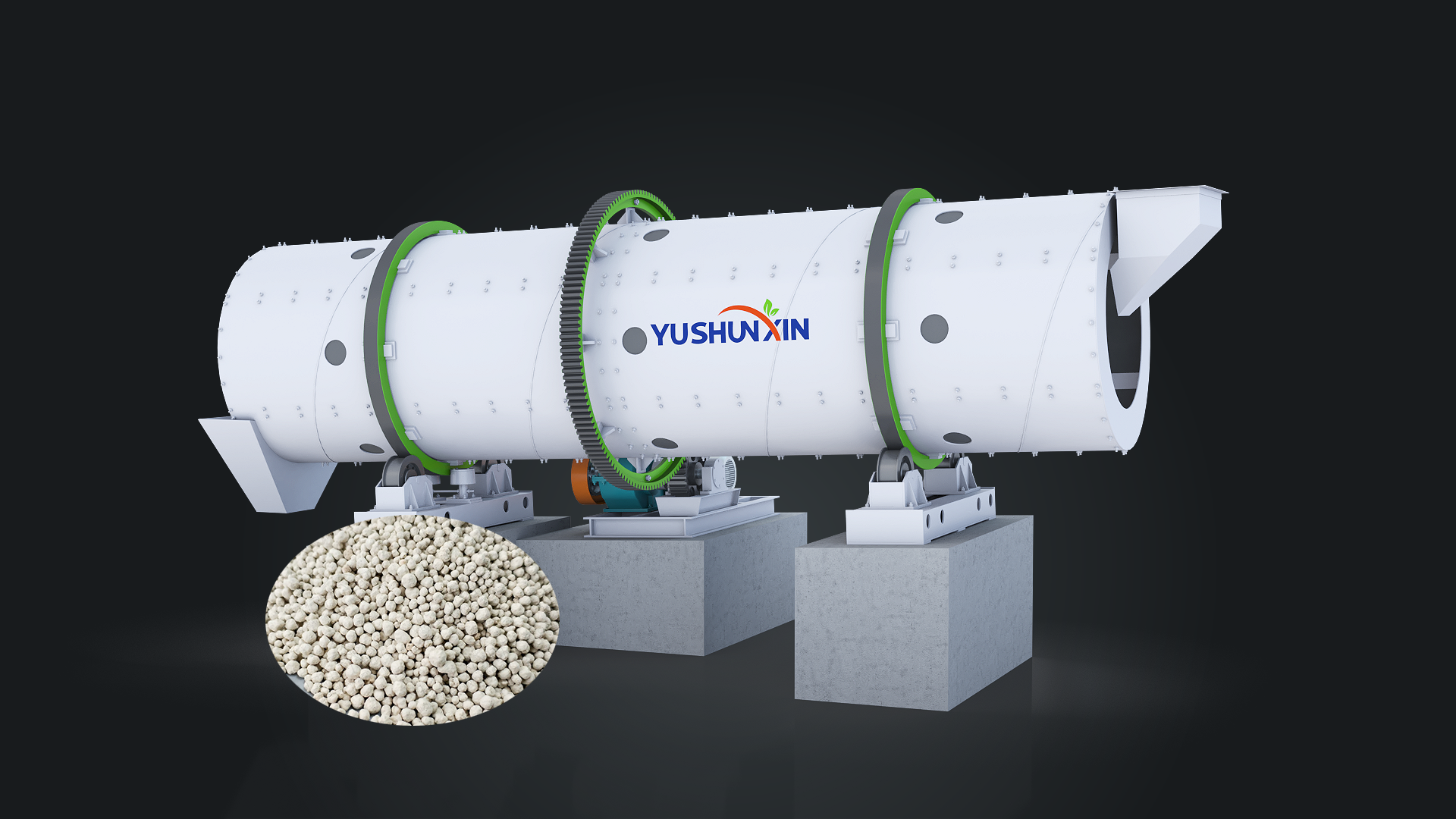
For industrial-scale biofertilizer granulation plants, the rotary drum granulator stands out for its capacity and stability. It works well for both organic and compound fertilizers, ensuring smooth particle formation through continuous rolling and coating.
Key benefits include:

High output with stable granule quality

Integration with hot air drying systems

Adaptability for NPK and microbial formulations

This type of biofertilizer pelletizing machine is commonly used in complete fertilizer production systems where automatic feeding, drying, and cooling are connected in one process.

Making the Right Choice

When choosing a granulation machine for biofertilizer production, consider your raw materials, moisture level, and output requirements. For example, dry powder lines perform best with roller extrusion systems, while organic compost mixtures benefit from pan or drum granulation.
A well-selected granulator not only improves product uniformity but also ensures higher efficiency and lower operating costs across your biofertilizer manufacturing process. If you want to buy a granulation machine, welcone to visit: https://www.biofertilizerproduction.com/

What Is the Cost Difference Between Pelletizing and Granulating in NPK Fertilizer Production?

In modern NPK fertilizer manufacturing, production technology and machinery selection directly affect total fertilizer plant cost. A fertilizer producer who plans a compound fertilizer production line must carefully analyze the cost difference between pelletizing and granulating processes. Both methods transform powder materials into uniform particles, yet they require different equipment configurations, energy inputs, and maintenance budgets. The comparison between pelletizing and granulating becomes a key factor in determining the final NPK fertilizer production plant cost and long-term economic efficiency.

A complete NPK fertilizer production line often includes raw material crushing, batching, mixing, granule-forming, drying, cooling, screening, and packaging sections. Each stage influences the material flow and investment scale. Therefore, understanding the specific requirements of pelletizing or granulation machinery helps optimize plant design and reduces unnecessary fertilizer factory cost during setup and operation.


Raw Materials and Their Role in Compound Fertilizer Granule or Pellet Production

Raw material characteristics determine process selection and production efficiency. Common raw materials for compound or NPK fertilizer production include urea, ammonium sulfate, ammonium chloride, potassium chloride, ammonium nitrate, monoammonium phosphate (MAP), diammonium phosphate (DAP), and various micronutrient powders. These sources provide balanced nitrogen, phosphorus, and potassium components necessary for NPK compound fertilizer manufacturing.

Different materials show different moisture contents, solubility, and hardness. For example, urea and potassium chloride dissolve easily and suit granulating procedures based on drum granulators or rotary wet granulation equipment, while MAP and DAP perform better in dry granulation lines with double roller extrusion granulators. When the raw materials contain more crystal particles or harder substances, a crushing machine and precise batching machine become necessary to maintain consistent granule formation. The compatibility between raw material properties and production machinery determines not only granule quality but also the compound fertilizer manufacturing plant cost related to energy consumption and equipment wear.

NPK Mixtures Wet Granulation Technology


Pelletizing vs. Granulating: Which Process Brings Higher NPK Fertilizer Plant Setup Cost?

Pelletizing and granulating show distinct differences in mechanical design and investment scale. A pelletizing line usually employs a pelletizer or pellet making machine that compresses powder material into dense pellets. This procedure often requires higher energy input and stronger mechanical pressure. It produces pellets with smooth surface and high bulk density, suitable for long-distance transport. However, the stronger compression and drying process increase the fertilizer plant cost, mainly due to higher energy use and equipment abrasion.

Granulation, on the other hand, forms granules by agglomeration and rolling. Disc granulators, drum granulators, or double roller extrusion granulators are typical choices in NPK fertilizer granulation production lines. Granulating equipment consumes less energy than pelletizing because it relies on rolling or extrusion instead of high compression force. Consequently, granulating lines usually show lower NPK fertilizer production plant setup cost and reduced maintenance expenses. Nevertheless, pelletizing offers better particle strength and more uniform shape, which can improve product image for high-end compound fertilizer markets. The selection depends on expected output, product type, and target market.


Additional Machines That Affect Compound Fertilizer Manufacturing Cost

Besides granulators or pelletizers, several auxiliary machines influence total fertilizer factory cost. A rotary drying machine and cooling machine help stabilize granule moisture and prevent caking. A screening machine separates qualified granules from oversized or undersized particles, ensuring uniform product quality. The packing machine, designed for automatic weighing and sealing, improves packaging efficiency and reduces labor cost. Each additional piece of equipment increases initial NPK fertilizer plant setup cost but enhances production stability and long-term output capacity.

Integrating these machines properly helps a fertilizer producer achieve balanced investment and sustainable operation. The overall fertilizer manufacturing procedure becomes more energy-efficient, lowering per-ton production cost over time. Therefore, a project designer must calculate not only equipment purchase price but also long-term operation expense to achieve optimal fertilizer plant cost performance.


Conclusion

In summary, the cost difference between pelletizing and granulating depends on material properties, target product quality, and equipment configuration. Pelletizing requires higher compression equipment and energy, leading to a larger fertilizer production plant cost. Granulating, in contrast, provides a more economical setup with lower operation cost, suitable for many compound fertilizer manufacturers seeking balanced investment and efficiency.

A professional fertilizer equipment manufacturer such as Yushunxin supplies complete NPK fertilizer production lines, including disc granulators, double roller extrusion granulators, rotary drum granulators, rotary dryers, and screening machines. Reliable machinery support enables stable granulation or pelletizing performance and helps fertilizer producers reduce overall NPK fertilizer plant cost while maintaining consistent product quality. You can visit: https://www.fertilizerproductequipment.com/npk-fetilizer-plant-cost/

Промышленный угольный пресс-гранулятор — эффективное оборудование для чистой переработки угля

С развитием политики энергосбережения и защиты окружающей среды угольная промышленность активно движется в сторону высокой эффективности, экологичности и чистоты производства. Важно не только обеспечить энергоснабжение, но и повысить степень использования угля, снизить уровень загрязнения окружающей среды — эта задача стоит перед всеми предприятиями глубокой переработки угля. На этом фоне промышленный угольный пресс-гранулятор становится всё более востребованным оборудованием благодаря своим уникальным технологическим преимуществам.

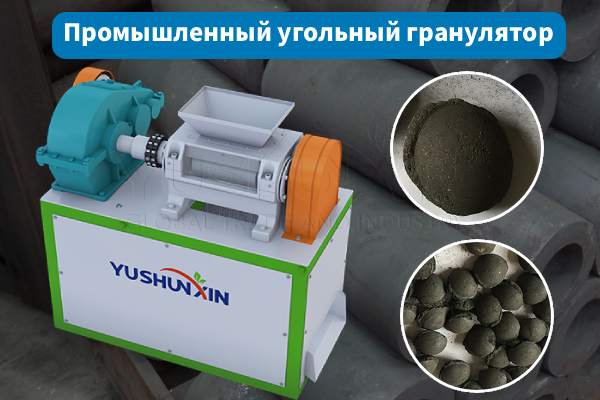
Промышленная-грануляция-угля

1. Что такое промышленный угольный пресс-гранулятор?

Промышленный угольный пресс-гранулятор — это оборудование, которое с помощью высокого давления прессует мелкоизмельчённый или порошкообразный уголь в гранулы определённой прочности и регулярной формы (например, шарики, блоки, брикеты и др.). Основной рабочий принцип — через валы и матрицы оказывать давление, сжимая рыхлый угольный порошок в плотные и однородные по размеру гранулы, удобные для дальнейшего использования.

2. Основные преимущества пресс-гранулятора

Повышение эффективности использования угля
Мелкий порошок, угольная пыль и шлам сложно использовать напрямую, что приводит к потерям и загрязнению. Пресс-гранулятор позволяет перерабатывать эти “отходы” в качественное твёрдое топливо, заметно увеличивая общий коэффициент использования сырья.

Снижение пылевого загрязнения
Гранулированный уголь не пылит при транспортировке, хранении и использовании, что значительно уменьшает вред для окружающей среды и работников.

Улучшение свойств сгорания
Гранулы отличаются однородностью и высокой плотностью, благодаря чему сгорают более полно, повышая тепловую эффективность промышленного оборудования, такого как котлы и электростанции.

Удобство упаковки, транспортировки и автоматической подачи
Гранулированный уголь удобен для погрузки, разгрузки и транспортировки на большие расстояния, подходит для автоматизированных систем подачи, что увеличивает производительность труда.

Разнообразие форм и размеров
В зависимости от требований производственного процесса, можно гибко изменять размер и форму гранул, что позволяет использовать их в различных промышленных сферах.

3. Широкая область применения

– Топливо для тепловых электростанций и промышленных котлов
– Топливо для химической, металлургической и других высокотемпературных отраслей
– Сырьё для газификации и глубокой переработки угля
– Утилизация промышленных отходов, таких как шлам и порода

4. Тенденции развития

С развитием интеллектуального производства современные пресс-грануляторы становятся всё более автоматизированными, энергоэффективными и экологически безопасными. Например, интеграция PLC-систем позволяет точно дозировать сырьё, контролировать давление и мониторить процесс в реальном времени, что повышает стабильность производства и качество продукции. Конструкция оборудования также совершенствуется в сторону увеличения производительности, снижения энергопотребления и упрощения технического обслуживания.

5. Рекомендации по выбору и эксплуатации

При выборе пресс-гранулятора необходимо учитывать его производительность, энергопотребление, типы допустимого сырья, процент выхода готовой продукции и удобство обслуживания, а также соотносить эти параметры с собственными производственными нуждами. В процессе эксплуатации важно регулярно обслуживать валы и матрицы, очищать внутренние части оборудования от остатков угольного порошка — это продлит срок службы машины и обеспечит высокое качество гранул.

Промышленные угольные пресс-грануляторы не только эффективно увеличивают степень использования угольных ресурсов, но и способствуют экологически чистому производству, снижая издержки предприятий. С учётом дальнейшего развития технологий интеллектуального производства и чистой переработки угля, пресс-грануляторы сыграют ещё более важную роль в угольной и энергетической промышленности, внося серьёзный вклад в устойчивое развитие отрасли. Более подробную информацию можно найти на сайте:https://www.granulyator.com/product/promyshlennyy-ugolnyy-granulyator/