How Does Wet Granulation Technique Enhance the Quality of NPK Fertilizers?

In the realm of agriculture, NPK fertilizers hold the key to robust and fruitful harvests. The quality of these fertilizers plays a pivotal role in ensuring optimal growth and yield. Which one standout technique to enhance NPK fertilizer quality is wet granulation.

At its core, wet granulation involves the agglomeration of fine NPK particles with the addition of a liquid binder to form larger, denser granules. This process has transformed the fertilizer industry, with products such as those offered by Shunxin, a leading manufacturer of wet granulation machines. SX rotary drum and disc granulators are examples of equipment that utilize this technique to produce high-quality NPK fertilizers.

NPK Fertilizer Granulators

One of the primary benefits of wet granulation technique is the improved nutrient content uniformity. In traditional fertilizer blending processes, the particles of different nutrients often vary in size and density, leading to segregation during handling and application. However, through wet granulation, nutrients are uniformly distributed within each granule, ensuring that every application delivers a balanced nutrient supply to the crops. This uniform distribution is a hallmark of the granules produced by Shunxin’s drum granulation machine, which meticulously combines the raw materials in a rolling motion to achieve homogeneity.

Rotary Drum Granulator

Another advantage of NPK fertilizer wet granulation process is the reduction of dust pollution. The fine dust particles that are prevalent in powdered fertilizers can cause respiratory issues for workers and lead to environmental pollution. With wet granulation, these fine particles are encapsulated within the granules, significantly reducing airborne dust. Shunxin’s pan pelletizer, with its state-of-the-art design, ensures that the granulation process is tightly controlled, thus minimizing dust emissions and making the handling of fertilizers much safer.
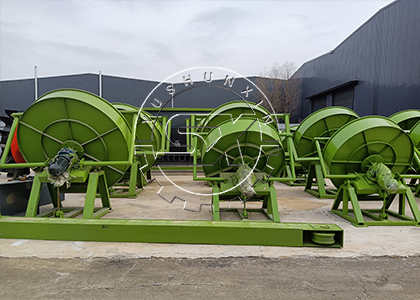
disc pelletizer models

The process of wet granulation also improves the physical properties of the NPK fertilizers. The resulting granules are harder and more resistant to breakage during transport, storage, and application. This durability is crucial in maintaining the integrity of the nutrient composition until it reaches the soil. Shunxin’s npk fertilizer granulation equipment are engineered to produce granules with optimal hardness and size, ensuring that the fertilizers remain effective from production to field application.

Furthermore, wet granulation is a versatile technique suitable for a variety of raw materials. Whether the source is synthetic or organic, the process can be adjusted to suit the specific properties of the input materials. NPK fertilizer wet granulation technology, is designed to handle a wide range of raw materials, making it an ideal choice for fertilizer manufacturers looking to diversify their product offerings.

NPK Fertilizer Manufacturing Process

In conclusion, the wet granulation technique is a game-changer in enhancing the quality of NPK fertilizers. It offers uniform nutrient distribution, reduces dust pollution, improves physical properties, and ensures better nutrient solubility. With companies like Shunxin leading the way with their innovative wet granulation machines, the agricultural businesses can look forward to not only more effective but also more environmentally sustainable fertilizer production. You can visit this website for more details: https://www.fertilizerproductequipment.com/npk-fertilizer-production-technology/


How To Buy Suitable NPK Fertilizer Production Equipment

Choosing suitable equipment for NPK fertilizer production involves considering several factors to ensure efficiency, product quality, and cost-effectiveness. NPK fertilizer production typically involves blending or granulating nitrogen (N), phosphorus (P), and potassium (K) nutrients with other essential micronutrients and additives. Here are some key considerations when selecting equipment for NPK fertilizer production:

4 things you need to consider for NPK fertilizer equipment choosing

NPK fertilizer production line equipment

Production Capacity

Determine the desired production capacity based on the anticipated demand for NPK fertilizer. Choose equipment that can handle the required volume of raw materials and produce the desired quantity of finished NPK fertilizer within the desired timeframe. large capacity equipment for large scale NPK fertilizer manufacturing, small equipment for small scale NPK fertilizer making.

Raw Material Compatibility:

Consider the types of raw materials you will be using to produce NPK fertilizer, such as ammonium nitrate, urea, phosphoric acid, potassium chloride, and other micronutrients. Ensure that the chosen equipment is compatible with the specific materials to be used. Or you can buy NPK fertilizer machines with stainless steel material.

Automation and Control

Opt for equipment that offers automation and precise control features. Automation NPK fertilizer production system can improve production efficiency, reduce human errors, and ensure consistent product quality.

Cost and Return on Investment

Compare the cost of NPK equipment and the expected return on investment based on your production capacity and market demand. Choose equipment that balances cost-effectiveness with performance and quality.

Commonly machines used in NPK fertilizer production

Mixing or Blending Equipment

In the process of NPK fertilizer production, blending equipment is essential to ensure a homogeneous mixture of all the nutrients. Choose a high-quality mixer or blender that can evenly distribute the different components to achieve the desired NPK ratio in the final product.

Granulation or Pelletizing Equipment

If you plan to produce granular NPK fertilizer, select a suitable granulation or pelletizing machine. There are various options available, such as rotary drum granulators, pan granulators, and extrusion granulators. Each type of equipment has its advantages and is suitable for different production scales and raw material characteristics. Click here to larn more.

NPK fertilizer granulator for sale

Drying Equipment

After granulation, the fertilizer may require drying to reduce moisture content and improve shelf life. Choose a drying system that can efficiently and evenly dry the granules while minimizing energy consumption.

Cooling Equipment

For granular NPK fertilizer, cooling equipment is essential to bring down the temperature of the hot granules after drying. This process helps prevent caking and ensures a stable final product.

Screening Equipment

A screening machine is crucial to separate oversized or undersized granules from the desired particle size range, ensuring a consistent and uniform product.

Packaging Equipment

Consider the type of packaging needed for the final NPK fertilizer product. Choose appropriate packaging equipment that can efficiently fill and seal bags, sacks, or other containers.

Before finalizing the equipment, it’s essential to consult with experts, manufacturers, or suppliers to get detailed information about the equipment specifications, maintenance requirements, and technical support. Additionally, ensure that the chosen equipment complies with safety and environmental regulations. Here, https://organicfertilizerproductionline.com/npk-fertilizer-production-line/ can help you a lot.