Tips for Biofertilizer Making Process: Enhancing Soil Health Naturally

In recent years, the demand for organic and sustainable farming practices has been on the rise. As an essential component of organic farming, biofertilizers offer a natural and eco-friendly alternative to synthetic fertilizers. Biofertilizers are made from organic materials such as plant residues, animal manure, and microbial cultures, which provide essential nutrients to plants and improve soil health. In this blog, we will explore the key tips for making biofertilizers and how they can benefit your garden or farm.

biofertilizer production line.

Selection of Raw Materials

The first step in making biofertilizers is selecting the right raw materials. Organic materials such as compost, vermicompost, animal manure, and crop residues are commonly used for making biofertilizers. It is essential to ensure that the raw materials are of high quality and free from contaminants such as chemicals, pesticides, and heavy metals. Using organic materials will help enhance the microbial activity in the soil and improve nutrient availability for plants.

Proper Composting Techniques

Composting is a crucial process in biofertilizer making, as it helps break down organic materials into nutrient-rich compost. Proper composting techniques involve creating the right balance of carbon and nitrogen-rich materials, maintaining the right moisture level, and turning the compost regularly to aerate it. Adding bioactivators such as microbial cultures or organic matter accelerators can help speed up the composting process and enhance the quality of the biofertilizer.

Similarly, you can use a biofertilizer compost turner to speed up the fermentation of the biofertilizer compost. YushunXin has some biofertilizer composting equipment, such as crawler type composting machine, groove type turning machine and wheel type turning machine. You can click to learn more.

poultry manure composting.

Incorporating Microbial Cultures

Microbial cultures play a vital role in the process of making bio fertilizer, as they contain beneficial microorganisms that promote plant growth and suppress harmful pathogens. Adding bioinoculants such as rhizobium, azotobacter, mycorrhiza, and other beneficial bacteria and fungi to the compost can enhance its nutrient content and improve soil fertility. These microbial cultures help fix nitrogen, solubilize phosphorus, and enhance nutrient uptake by plants, leading to better crop yields and healthier soil.

Application and Benefits of Biofertilizers

Once the biofertilizer is ready, it can be applied to the soil either by mixing it with the soil or by foliar spraying. Biofertilizers help improve soil structure, increase nutrient availability, enhance water retention capacity, and promote beneficial microbial activity in the soil. They also reduce the dependence on synthetic fertilizers, minimize environmental pollution, and promote sustainable farming practices. Regular application of biofertilizers can lead to healthier plants, higher yields, and improved soil health over time.

In conclusion, making biofertilizer is a rewarding and sustainable practice that can benefit your garden or farm in many ways. By following the tips mentioned above and incorporating biofertilizers into your farming practices, you can enhance soil health, reduce chemical inputs, and promote sustainable agriculture for a greener future. If you are interest in it, you can visit:https://www.biofertilizerproduction.com/product/bio-organic-fertilizer-production-line/

The Ultimate Guide to Bio Organic Fertilizer Production Line

In recent years, the demand for organic products has been on the rise, including organic fertilizers. Bio organic fertilizers are becoming increasingly popular among farmers due to their numerous benefits for soil health and crop yield. In this blog, we will delve into the topic of bio organic fertilizer production line, exploring the process, components, and advantages of producing bio organic fertilizers.

Understanding Bio Organic Fertilizer :

Bio organic fertilizers are made from organic materials such as animal manure, crop residues, food waste, and other biodegradable substances. These materials are processed through a series of steps to create a nutrient-rich fertilizer that is beneficial for soil and plant growth. Bio organic fertilizers not only provide essential nutrients to plants but also improve soil structure, water retention, and microbial activity.

Biofertilizer granules

Components of Bio Organic Fertilizer Production Line:

Raw Material Preparation: The first step in the production line involves collecting and preparing organic materials such as animal manure, crop residues, and food waste.

Fermentation Process: The raw materials are then placed in a fermentation tank, where they undergo microbial decomposition to break down organic matter and release nutrients.

Crushing and Mixing: The fermented materials are crushed and mixed to create a homogeneous mixture with balanced nutrient content.

Granulation Process: The mixture is then passed through a biofertilizer granulator to form granules of uniform size for easy application.

Drying and Cooling: The granules are dried and cooled to reduce moisture content and improve shelf life.

Screening and Packaging: Finally, the bio organic fertilizer is screened for impurities and packed into bags for storage and distribution.

YuShunxin has a complete production line configuration, click to learn more.


Advantages of Bio Organic Fertilizer Production Line:

Environmentally Friendly: Bio organic fertilizers are derived from natural sources and help reduce reliance on chemical fertilizers, making them eco-friendly.

Improved Soil Health: Bio organic fertilizers enrich the soil with organic matter, beneficial microorganisms, and essential nutrients, promoting soil fertility and structure.

Enhanced Crop Yield and Quality: Bio organic fertilizers provide balanced nutrition to plants, leading to increased crop yield, improved quality, and better resistance to diseases.

Sustainable Agriculture: By recycling organic waste into nutrient-rich fertilizers, bio organic fertilizer production line contributes to sustainable agriculture and waste management practices.

Conclusion:

The bio organic fertilizer production line plays a crucial role in promoting sustainable agriculture, improving soil health, and enhancing crop productivity. By understanding the benefits and process of producing bio organic fertilizers, farmers can make informed decisions to adopt organic farming practices and contribute to a healthier environment. Investing in a bio organic fertilizer production line can be a game-changer for agricultural operations, leading to long-term benefits for both farmers and the environment. If you want to set up a high efficiency biological fertilizer production line, you can visit: https://www.biofertilizerproduction.com/product/bio-organic-fertilizer-production-line/

How to Produce Biofertilizer from Biochar

Producing bio fertilizer from carbon, specifically biochar, involves combining the carbon-rich material with beneficial microbes that can enhance soil fertility and plant growth. Below is a detailed. And if you want to know more, you can click here. And we will tell you the step-by-step guide on setting up a production line to create microbial fertilizer from biochar:

Step-by-Step Production Line Process:

Step 1: Biochar Production

Raw Material Collection: Gather biomass such as agricultural waste, wood chips, or other organic materials.

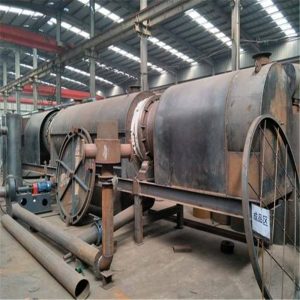
Carbonization: Process the biomass in a carbonization furnace to produce biochar. This involves heating the biomass in a low-oxygen environment to convert it into a stable form of carbon. We can provide you with our company’s charcoal furnace equipment, which can help you make charcoal quickly. Production capacity can reach 4 tons per hour.

Cooling and Storage: Allow the biochar to cool and then store it in a dry environment to prevent contamination. We can provide you with our company’s cooling machines to help you cool carbon quickly. It can produce up to 20 tons per hour.

Cooler Equipment for biochar biofertilizer

Step 2: Microbial Culture Preparation

Microbe Selection: Select appropriate microbial strains that are beneficial for plants, such as nitrogen-fixing bacteria, phosphorus-solubilizing bacteria, or mycorrhizal fungi.

Culture Growth: Grow the microbial cultures in a controlled environment. Use a nutrient-rich growth medium and maintain optimal conditions of temperature and pH to maximize microbial biomass.

Step 3: Mixing Biochar with Microbes

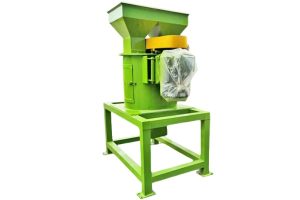
Preparation of Biochar: Before mixing, ensure the biochar is ground to a suitable size and is free from contaminants. To ensure uniformity in size, we offer you our company’s new vertical pulverizer with high efficiency and production.

vertical crusher for biochar biofertilizer

Mixing Together: Mix the biochar with the microbial culture. The process can be done in a mixer machine where the biochar is combined with a liquid culture of microbes. We recommend you our company’s twin-shaft mixers, which are more efficient than the single-shaft ones.

fertilizer mixer for biochar biofertilizer

Composting: Allow the mixture to incubate for a period to enable the microbes to colonize the biochar. This step might require maintaining specific moisture and temperature conditions to ensure successful microbial growth.

Step 4: Addition of Nutrients

Nutrient Enrichment: Enhance the microbial fertilizer by adding nutrients that can be beneficial for plant growth, such as nitrogen, phosphorus, potassium, and trace minerals. These can be added in soluble forms that microbes can utilize to multiply and become more effective.

Step 5: Drying and Granulation

Drying: Dry the biochar-microbe mixture to reduce moisture content, making it stable and easy to handle. We recommend you our company’s dryer with a capacity of 1-20 tons.

Granulation: Process the dried mixture through a granulator to form pellets or granules. This step improves the ease of application and handling of the fertilizer. We recommend our disc pelletizer with a pelletizing rate of up to 95%.

pan granulator for sale

Step 6: Quality Control and Packaging

Testing: Test the final product for microbial activity, nutrient content, and contamination to ensure it meets quality standards.

Packaging: Package the microbial fertilizer in moisture-proof bags or containers to prevent contamination and loss of microbial activity during storage and transport. We can offer you our bagging machine, which is capable of baling 60-100 bags of biochar biofertilizer per minute!

Step 7: Storage and Distribution

Storage: Store the packaged microbial fertilizer in a cool, dry place to preserve its effectiveness.

Conclusion

Producing microbial fertilizer from biochar involves several critical steps from biochar production to microbial inoculation and final product formulation. Each stage must be carefully controlled to ensure that the biochar is effectively utilized as a carrier for beneficial microbes, ultimately enhancing soil fertility and plant growth. This type of fertilizer not only supports sustainable agriculture by recycling organic waste but also enhances soil health through the synergistic effects of carbon and microbes. If you want to learn more how to prouce biofertilizer from carbon, you can visit my website: https://www.charbasedfertilizermachine.com/product/make-bio-fertilizer-from-biochar/

How Bio Fertilizer Plant Setup

Setting up a biofertilizer plant involves several key steps to ensure the efficient production of high-quality biofertilizers. Here is a general outline of the process:

1. Feasibility Study and Business Plan:

  • Market Analysis: Assess the demand for biofertilizers in the target market.
  • Cost Analysis: Estimate the costs of biofertilizer making associated with land, equipment, raw materials, labor, and operational expenses.
  • Revenue Projections: Project potential revenues based on market demand and pricing.
Biofertilizer pellets making system for sale

2. Site Selection:

  • Location: Choose a bio fertilizer plant setup location that is easily accessible, complies with environmental regulations, and has adequate water and power supply.
  • Zoning and Permits: Obtain necessary zoning approvals and permits for industrial operations.

3. Infrastructure Setup:

  • Land Preparation: Prepare the land for construction and install necessary infrastructure.
  • Buildings: Construct buildings for production, storage, and administrative purposes.
  • Utilities: Install water, electricity, and waste disposal systems.

4. Equipment and Technology:

  • Fermentation Tanks/Bioreactors: Acquire and install aerobic fermentation equipment or bioreactors for microbial fertilizer fermentation.
  • Other fertilizer equipment: For quality biofertilizer manufacturing, you may also need crusher, mixer, packaging machine, etc
  • Quality Control Instruments: Install instruments for quality control testing.

5. Microorganism Cultivation:

  • Microorganism Selection: Choose specific strains of beneficial microorganisms based on the crops and soil conditions in the target market.
  • Cultivation Process: Develop and implement protocols for microbial cultivation, including fermentation parameters. Or you buy finished functional bacteria.

6. Production Processes:

  • Fermentation: Carry out controlled fermentation processes to maximize microbial biomass production and kill harmful substances in organic waste.
  • Bio fertilizer manufacturing: By crushing, screen, mixing, granulation to make better biofertilizer. Click here to learn more

7. Quality Control:

Testing Protocols: Establish quality control protocols to ensure the viability, purity, and effectiveness of the biofertilizer.

8. Packaging and Distribution:

  • Packaging Materials: Select suitable packaging materials to maintain the viability of the biofertilizer.
  • Distribution Network: Establish a distribution network to reach farmers and retailers..

9. Continuous Improvement:

  • Research and Development: Invest in ongoing research and development to improve product efficacy and develop new formulations.
  • Feedback Mechanisms: Establish feedback mechanisms to continuously improve biofertilizer production processes.

10. Monitoring and Maintenance:

  • Monitoring Systems: Implement systems to monitor production processes, product quality, and overall plant performance.
  • Maintenance: Regularly maintain and upgrade equipment to ensure efficient and reliable operation.

Setting up a biofertilizer plant requires careful planning, adherence to regulatory requirements, and a commitment to quality and sustainability. Engaging with experts in microbiology, agriculture, and industrial processes can be beneficial during the planning and implementation stages. If you are interested in it, you can visit https://organicfertilizerproductionline.com/bio-fertilizer-plant-project/