Producing bio fertilizer from carbon, specifically biochar, involves combining the carbon-rich material with beneficial microbes that can enhance soil fertility and plant growth. Below is a detailed. And if you want to know more, you can click here. And we will tell you the step-by-step guide on setting up a production line to create microbial fertilizer from biochar:
Step-by-Step Production Line Process:
Step 1: Biochar Production
Raw Material Collection: Gather biomass such as agricultural waste, wood chips, or other organic materials.
Carbonization: Process the biomass in a carbonization furnace to produce biochar. This involves heating the biomass in a low-oxygen environment to convert it into a stable form of carbon. We can provide you with our company’s charcoal furnace equipment, which can help you make charcoal quickly. Production capacity can reach 4 tons per hour.
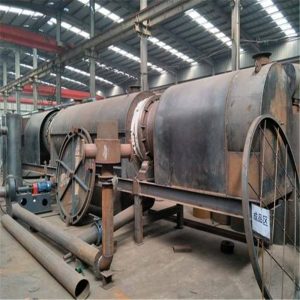
Cooling and Storage: Allow the biochar to cool and then store it in a dry environment to prevent contamination. We can provide you with our company’s cooling machines to help you cool carbon quickly. It can produce up to 20 tons per hour.

Step 2: Microbial Culture Preparation
Microbe Selection: Select appropriate microbial strains that are beneficial for plants, such as nitrogen-fixing bacteria, phosphorus-solubilizing bacteria, or mycorrhizal fungi.
Culture Growth: Grow the microbial cultures in a controlled environment. Use a nutrient-rich growth medium and maintain optimal conditions of temperature and pH to maximize microbial biomass.
Step 3: Mixing Biochar with Microbes
Preparation of Biochar: Before mixing, ensure the biochar is ground to a suitable size and is free from contaminants. To ensure uniformity in size, we offer you our company’s new vertical pulverizer with high efficiency and production.
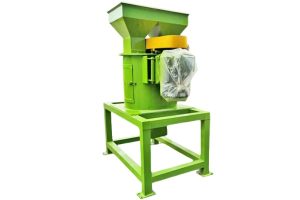
Mixing Together: Mix the biochar with the microbial culture. The process can be done in a mixer machine where the biochar is combined with a liquid culture of microbes. We recommend you our company’s twin-shaft mixers, which are more efficient than the single-shaft ones.

Composting: Allow the mixture to incubate for a period to enable the microbes to colonize the biochar. This step might require maintaining specific moisture and temperature conditions to ensure successful microbial growth.
Step 4: Addition of Nutrients
Nutrient Enrichment: Enhance the microbial fertilizer by adding nutrients that can be beneficial for plant growth, such as nitrogen, phosphorus, potassium, and trace minerals. These can be added in soluble forms that microbes can utilize to multiply and become more effective.
Step 5: Drying and Granulation
Drying: Dry the biochar-microbe mixture to reduce moisture content, making it stable and easy to handle. We recommend you our company’s dryer with a capacity of 1-20 tons.
Granulation: Process the dried mixture through a granulator to form pellets or granules. This step improves the ease of application and handling of the fertilizer. We recommend our disc pelletizer with a pelletizing rate of up to 95%.

Step 6: Quality Control and Packaging
Testing: Test the final product for microbial activity, nutrient content, and contamination to ensure it meets quality standards.
Packaging: Package the microbial fertilizer in moisture-proof bags or containers to prevent contamination and loss of microbial activity during storage and transport. We can offer you our bagging machine, which is capable of baling 60-100 bags of biochar biofertilizer per minute!
Step 7: Storage and Distribution
Storage: Store the packaged microbial fertilizer in a cool, dry place to preserve its effectiveness.
Conclusion
Producing microbial fertilizer from biochar involves several critical steps from biochar production to microbial inoculation and final product formulation. Each stage must be carefully controlled to ensure that the biochar is effectively utilized as a carrier for beneficial microbes, ultimately enhancing soil fertility and plant growth. This type of fertilizer not only supports sustainable agriculture by recycling organic waste but also enhances soil health through the synergistic effects of carbon and microbes. If you want to learn more how to prouce biofertilizer from carbon, you can visit my website: https://www.charbasedfertilizermachine.com/product/make-bio-fertilizer-from-biochar/