Tips For Best Organic Fertilizer Making Machine Purchasing

Purchasing the best organic fertilizer making machine for your business is crucial to ensure efficient production of high-quality organic fertilizer. Here are some tips to consider when buying such a machine:

Identify Your Needs and Scale:

Determine the scale of production you need. Are you a small-scale or large-scale producer? Knowing your production capacity requirements will help you choose the right organic fertilizer machine size and capacity.

Research Machine Types:

Understand the different types of organic fertilizer making machines available, such as compost turners, granulators, mixers, and pelletizers. Each serves a specific purpose in the production process.

Equipment commonly used in organic fertilizer production

Quality and Durability:

Invest in a high-quality organic waste fertilizer making machine that is durable and built to last. Look for machines made from robust materials(such as carbon steel , stainless steel, etc) and components that can withstand the rigors of continuous use.

Ease of Use and Maintenance:

Consider machines that are user-friendly and easy to operate. Maintenance should also be straightforward, with accessible parts and clear instructions.

Efficiency and Productivity:

Look for machines that can process organic waste into fertilizer efficiently and have a high production output. Efficiency can significantly impact your operational costs.

Customization Options:

Determine if the machine can be customized to meet your specific needs and the type of organic fertilizer you plan to produce. Different organic materials may require different processing methods. Click here to learn more

Customized plan for large scale organic fertilizer production

Energy Efficiency:

Choose machines that are energy-efficient to minimize operational costs and reduce environmental impact.

Supplier Reputation:

Research and choose a reputable organic fertilizer equipment supplier or manufacturer known for producing reliable and high-quality organic fertilizer making machines. Read customer reviews and ask for references if necessary.

Warranty and Support:

Ensure that the machine comes with a warranty and that the manufacturer or supplier offers reliable after-sales support, including spare parts availability and technical assistance.

Safety Features:

Prioritize machines with safety features to protect operators from accidents. This includes emergency stop buttons, safety guards, and clear safety instructions.

Cost Considerations:

While cost of fertilizer production is an important factor, prioritize quality and suitability over the lowest price. A cheaper machine may require more maintenance and repairs, ultimately costing you more in the long run.

Local Regulations and Standards:

Make sure the machine complies with local regulations and safety standards for equipment used in your industry.

Testing and Trials:

If possible, request a machine trial or demonstration to assess its performance and suitability for your needs before making a purchase.

Long-Term Planning:

Consider your long-term business plans and whether the machine can accommodate potential future expansions or changes in production processes.

Environmental Impact:

If environmental sustainability is a concern, consider machines that have low emissions and use eco-friendly technologies.

Before finalizing your purchase, compare multiple options, obtain quotes, and thoroughly evaluate each machine’s features and capabilities. Don’t hesitate to consult with experts or seek advice from others in the organic fertilizer production industry to make an informed decision. On https://fertilizerequipmentmanufacturer.com/organic-fertilizer-production-equipment/, there are helpful information for your reference.
How To Produce Powdery Organic Fertilizer Effectively

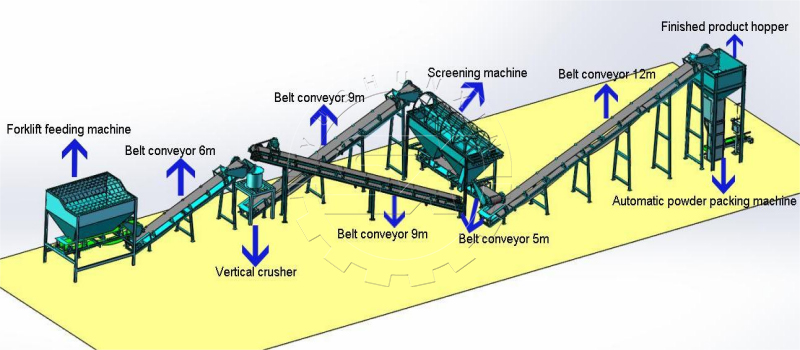
A powdery organic fertilizer production line is a new type of fertilizer production line with high efficiency and high automation. The whole powder fertilizer production line is composed of a batching system, a crushing system, a screening system, and a packing system. The production line has the advantages of high efficiency, low energy consumption, and a good granulation effect.

Key components of a powdery prganic fertilizer production line

The organic fertilizer production line is a complete set of equipment for processing organic wastes into organic fertilizer. The main equipment includes a compost turner, crushing, screening machine, packaging machine, belt conveyor, and so on.

As the name suggests, the organic fertilizer production line is a line of equipment that produces organic fertilizer from organic waste. The production process is simple: organic waste is first composted, then crushed, dried, screened and finally packaged for sale.

There are many organic fertilizer production lines on the market, but not all of them are created equal. When choosing an organic fertilizer production line, it is important to consider the key components that will make the production process efficient and effective.

The production process of powdery organic fertilizer

Organic fertilizer is made from natural materials and is a key component in sustainable agriculture. It can be used to improve soil health, supply nutrients(nitrogen, phosphorus, potassium, etc) to plants, and increase crop yields.

There are many different types of organic fertilizer, but they all generally fall into two categories: solid or liquid. Solid organic fertilizer is usually in the form of pellets or granules, while liquid organic fertilizer is typically a liquid solution or suspension.

The production process of powdery organic fertilizer generally involves mixing the desired ingredients together and then grinding them into a fine powder. This type of fertilizer is often used as a top dressing for crops or as a way to fortify compost before using it in the garden.

Quality control of powdery organic fertilizer

Organic fertilizer is an important part of sustainable agriculture. It is essential for maintaining soil health and fertility, and it can provide many benefits for crops and plants. However, organic fertilizer can also be a source of pollution if it is not managed properly.

Powdery organic fertilizer can be a particularly difficult type of fertilizer to control. It can easily become airborne and be transported long distances by the wind. This can cause problems for both the environment and for human health.

There are a number of ways to control the quality of powdery organic fertilizer. Farmers and agricultural businesses should work closely with their suppliers to ensure that the fertilizer meets their needs and does not contain harmful levels of contaminants. They should also have a plan in place for storing and using the fertilizer to minimize the chances of it becoming a pollution problem. Click here for more details of powder organic fertilizer making.

Process of powdery organic fertilizer production line

The cost of setting up a powdery prganic fertilizer production line

A powdery organic fertilizer production line is not a cheap investment. The cost of setting up a powdery fertilizer production line will vary depending on the size and scale of the operation. But there are some basic costs that are associated with setting up a powdery organic fertilizer production line. These costs include the cost of raw materials, the cost of equipment, and the cost of labor. If you need the latest quote of powder organic fertilizer line, you can check https://fertilizerequipmentmanufacturer.com/powdery-organic-fertilizer-production-line/